Top Tips for Flying Cessna Aircraft: A Pilot's Guide
Nov 27, 2025
This page is a guide to flying Cessna aircraft. This guide covers everything you need to know from obtaining your pilot’s certificate to performing preflight inspections and mastering take offs and landings while flying a Cessna often with the guidance of a certified flight instructor.
Let’s get started with essential tips for your journey in the skies, including insights on flying Cessna aircraft.
Note: Before you begin, make sure to read all introductory material and prepare thoroughly for your first flight, especially if you are a beginner.
Preflight Inspection

Before you ever take to the skies, getting a good look over of the Cessna is non-negotiable. Preflight inspections should always be performed at the airport, and it's essential to be familiar with airport procedures before departure.
It’s the one thing you can do to make sure your aircraft is airworthy, and it’s going to give you a head start in spotting any potential issues before you take off and risk them turning into a bigger problem during the flight. This is especially important when you’re practicing flying Cessna techniques that rely on consistent aircraft performance.
That means checking everything from the fuel levels to making sure the controls and all the equipment are working properly. And trust us, there’s nothing worse than realizing halfway through the flight that you missed something, so do it right the first time by following a well-structured checklist for Cessna 172.
We’ll break down the pre-flight process into three main parts: first we’ll look at how to carry out that all important aircraft walk-around, how to do a proper safety briefing for your passengers and then run through the pre-flight checklist with you.
Aircraft Walk-Around
The aircraft walk-around is a critical part of doing your preflight checks. Its all about taking a good hard look at your plane to be sure everything is in shape. You’re checking that all the bits and bobs that make up the plane are all good and working properly so you know you’ve got a safe and reliable aircraft to take into the air.
Start with the propeller, give it a good once over for any cracks or nicks that could spell trouble. And then move on to the tires, check the pressure and a look at the state of the main gear, including the nose wheel.
This is all super important stuff that could make a big difference between a safe takeoff and a rough one. And then there’s the wings and control surfaces inspect the wing carefully for any signs of wear or damage, and check the fuel tank access points and condition to ensure there are no leaks or issues with the wing-mounted tanks.
But the walk-around is more than just about following a list; its about getting to know your plane inside and out. It’s a way of checking that everything is 100% but also building up your confidence in the aircraft you are about to take up. When you do a thorough preflight check on your Cessna every time you fly its a big help to know you’ve got an aircraft that’s in top nick.
Preflight Checklist
Doing a preflight checklist is a basic necessity to ensure your aircraft is both safe and ready to fly. First off, check the fuel and oil levels that you’ve got enough juice for the planned flight and that the oil is at the right level.
Flipping on the master switches gets all the instruments lit up on the instrument panel so you can check that everything is working properly. If the aircraft was parked overnight, it's important to verify that all systems and lights are configured properly, as they may have been turned off during the night.
You need to know your instruments are good to go before you take off, especially when the weather is a bit dodgy or you’re relying on your instruments to get you to your destination.
Finally you need to double check that fuel and oil levels one last time before you start the engine. This step helps catch any potential issues before they become a problem in the air. And don’t forget to give the fuel tanks a good check over too.
Starting the Engine
Starting the engine of your trusty Cessna is a bit of a dance that needs doing with precision. First things first, flick the fuel selector valve to ‘both’ that way the engine will draw fuel from both tanks, keeping it nice and balanced. Think of it as a pre-flight insurance policy.
Anyway, before you get the engine roaring, what you need to do is:
-
Switch on the navigation lights, beacon, and strobe lights to make sure everyone in the area is aware you’re about to start up.
-
Double check the circuit breakers you don’t want any electrical shocks do you?
-
Before you even think about turning the key, make sure to bellow out a warning shout “CLEAR PROP” to clear the area around the prop for safety reasons.
It’s important to follow proper engine start procedures, including checking the battery and electrical systems, to ensure a safe and reliable start.
Now, with the key in the right position, give the throttle a teeny nudge forward about 1/8 of an inch then turn the ignition switch to the ‘start’ position. Once the engine is running sweet as can be, monitor your system indicators to confirm all warning lights and electrical parameters return to normal with the engine running, just as they should.
And remember, don’t even think about flipping on the avionics switch till the engine’s up and running to avoid any damage. Now that the engine is chugging along smoothly, you’re ready to pull out of the parking lot and get underway.
Taxi Procedures
Taxiing might seem like a no brainer, but it’s actually a delicate affair that needs attention to detail to get it right. Before you cross any runway or taxiway lines, always check for traffic to ensure safety. So here’s the drill. First, taxi over to the yellow hold short line in front of the runway, giving yourself a clear path of departure. And don’t forget to check out the runways for any activity.
Taxiing safely is all about:
-
Keeping your speed under control - speed kills, remember?
-
Flicking on the taxi lights to make yourself visible, especially when the sun goes down.
-
Staying alert and on the lookout for any other planes or ground vehicles that might be lurking.
-
Keeping an ear open for ground control and your landing lights in working order.
-
Following ground control directions to ensure safe and accurate taxiing.
Run-Up Checks
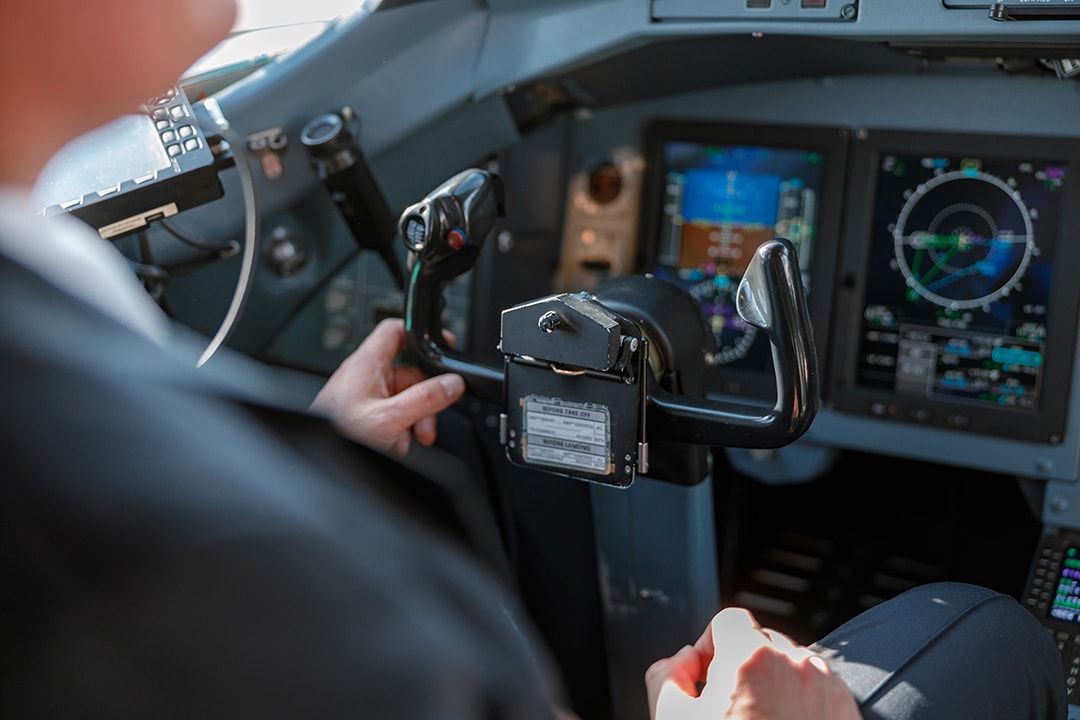
Before taking off, its not just a bunch of formalities, you got to do your run-up checks in the designated run-up area - that is, if you want to fly safely. This pre-takeoff procedure is pretty straightforward : make sure all aircraft systems are up and running right before you take off.
First off, apply power to reach the required RPM for engine checks. Get the engine revving at high RPM so you can see how it's going to perform at take-off and climbing. If the engine can’t handle the pressure, you’re in for a bad day. The idle check is pretty simple : just make sure the engine speed stays steady that’s a good indication of how healthy the engine is.
Now, bust out your checklist and go through all the key components like flight controls, magnetos and oil pressure. Don’t be one of those pilots who gets to the runway and says “oh no, I forgot to check the oil” .
A checklist helps ensure that nothing critical gets overlooked. That way you can feel pretty confident about taking off.
Takeoff Procedures
Takeoff is probably the most exciting and critical phase of flight at least for pilots who actually enjoy flying. Like most aircraft, the Cessna 172 follows the same fundamental principles of lift and acceleration during takeoff, similar to many other aircraft especially when comparing it to the performance characteristics of the Cessna 172 SP.
In a Cessna 172, for a short field takeoff, using 10 degrees of flaps is a good trick, as it gives you that extra lift at lower speeds and makes a smoother departure from a short runway.
Hold the brakes while advancing the throttle to takeoff power, ensuring the engine reaches optimal performance before release. Maintaining elevator control is crucial to avoid unnecessary drag until the aircraft is ready to rotate. Use the rudder to keep the aircraft aligned with the runway during the takeoff roll.
Once airborne, climb at Vx until any obstacles are cleared, then transition to Vy for the best rate of climb. Common issues during short field takeoffs include not utilizing the full runway and lifting off prematurely, which can increase drag and reduce climb performance.
Climb and Cruise
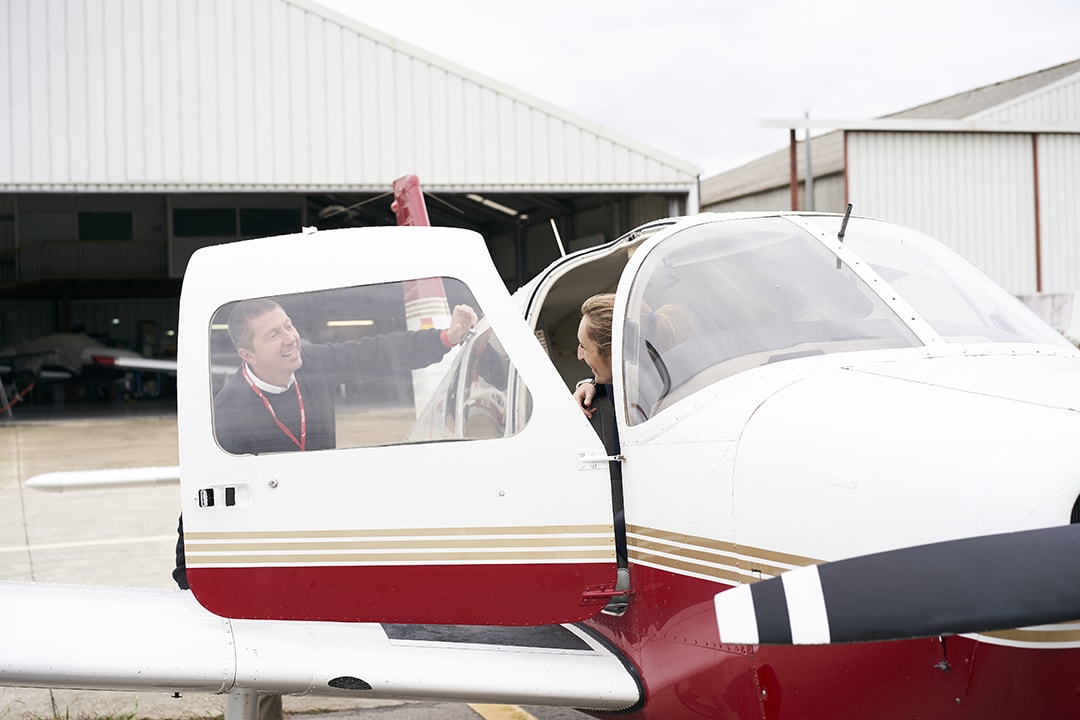
The climb and cruise phases these are the bits where you really get to settle into the flow of your flight. But to do that, you need to be adjusting that mixture as you climb so you don’t end up with too rich a mix in the first place it’s all about getting that engine to work at its best and burn as little fuel as possible.
Once you get to cruising altitude, you want to be running the engine between 2100 and 2900 RPMs that’s the sweet spot for performance. This marks the beginning of the cruise phase, where the aircraft is stabilized at cruising altitude and begins its main route navigation.
And leaning properly while you’re cruising is crucial, it makes all the difference for fuel efficiency and engine longevity, which in turn means your flight is going to be a lot smoother and a lot more economical.
Once you’re well and truly above a safe altitude, you can engage the autopilot to keep the plane at the altitude you’ve chosen and get a break from the workload. As the plane levels off, the pitch attitude comes down and that makes for a much more comfortable ride for the rest of the flight.
Navigation Techniques
Navigating the Cessna is all about mixing old-school and modern techniques together:
-
VOR stations provide navigational signals that allow pilots to determine their aircraft’s position relative to a specific radial, using the compass rose on the navigation instrument to set and read the desired course.
-
To navigate using VOR, set the desired course on the heading indicator shows and follow the needle signals for guidance in the right direction.
-
The course deviation indicator (CDI) in the Cessna 172 helps determine how well the aircraft is aligned with the desired VOR radial, with the needle moving through a central point indicating course alignment and ensuring precise VOR navigation.
Plan your route in advance and follow it during the flight to ensure safe and accurate navigation.
For really precise instrument flying, you want to get the autopilot to follow a VOR or instrument landing system (ILS) signal. That gives you all the info you need, so you can focus on the rest of the flying while maintaining a safe bank angle.
Descent and Approach
Now that you’re getting ready to start your descent and approach, it's time to slow down and sort out the engine, dial back on the throttle and give it a good dose of fuel to help it run smoothly. Make sure to monitor and control your descent rate to ensure a smooth approach.
The whole thing can go wrong in a heartbeat if you don’t get the approach just right; you need to be continually making adjustments to your glide path, keeping an eye on the wind and making sure you’re not going too fast. Changing winds can affect your approach and may require additional corrections to maintain stability.
Once you’re down low enough you start to bring the flaps down as your speed drops off and make sure you slow down to 65 knots by the end of the approach, this is all about finding that sweet spot where you can touch down without floating or wobbling around all over the place.
To get onto the ILS you need to fly a heading that’ll take you in on the localizer and keep the needle on the glide slope as a guide
Landing and Post-Landing Procedures
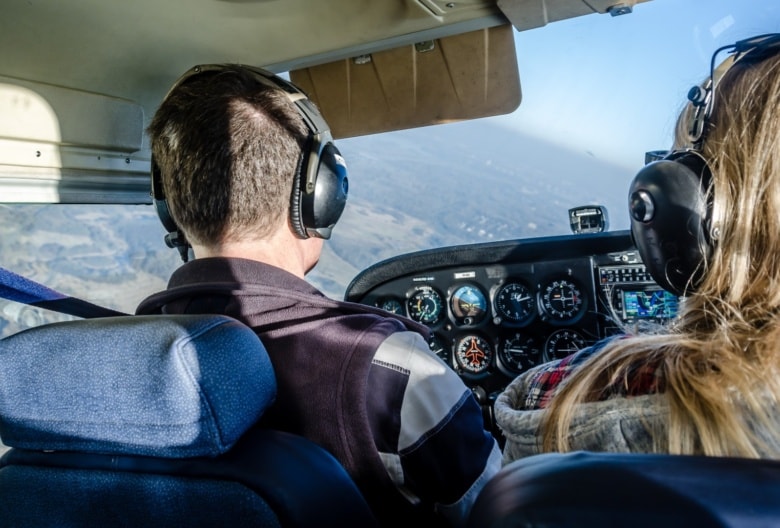
Landing a Cessna is a trick that takes a combination of precision and a whole lot of practice. The key to a good landing is getting that airspeed just right on the final approach, if you get it wrong you’ll end up floating or thudding down and that’s just not good.
And then there’s the round out, that’s the bit just above the runway where you try to slow the thing down as much as possible so you can get down in one piece. During the flare, gently apply back pressure on the yoke to raise the nose and control the descent rate just before touchdown.
During crosswind landings:
-
Adjust the approach early to maintain alignment with the runway centerline.
-
After landing, keep the aircraft flying by maintaining sufficient backpressure on the controls.
-
Use visual references, such as the runway edge, to aid in judging the correct timing for the flare.
Once the aircraft has landed, it is taxied off the runway and onto the taxiway, following proper procedures to exit the runway area safely.
And then there are soft field landings, if you can remember to give it a bit of power just before you touch down you’ll probably be able to get it down nice and slow and all will be well.
There’s a real sense of satisfaction when you’ve safely landed at your destination.
Frequently Asked Questions
What age and language requirements are needed to become a private pilot?
To become a private pilot, you've got to be at least 17 years old, that's the minimum. And on top of that, you need to be able to read, write, speak and understand English like a native speaker, no problem there, though!
What are the key components of a preflight inspection?
Doing a preflight inspection right means making a list and checking it twice: you've got to check your fuel and oil levels, make sure all the control surfaces are in good nick and that all the instruments are working properly. Its pretty basic stuff, but trust us, its vital for a safe flight.
How should one handle an engine fire during flight?
In case of an engine fire during flight, immediately cut off the mixture and fuel shutoff valve, then turn off the master and battery switches to stop fuel from feeding the fire. Remember, staying calm and following these steps can help keep you safe.
What should be included in a safety briefing for passengers?
Make sure your safety briefing includes the location and use of emergency exits, the fire extinguisher, and a reminder for everyone to fasten their seat belts. It's all about keeping passengers informed and safe!
How do you ensure proper engine performance during the climb phase?
To ensure proper engine performance during the climb phase, make sure to adjust the mixture to avoid a rich fuel-to-air ratio. This tweak helps optimize both engine performance and fuel efficiency.
