Checklist for Cessna 172: Pre Flight- & In-Flight Steps
Dec 02, 2025
Need a checklist for Cessna 172? This guide breaks down essential pre-flight, in-flight, and post-flight procedures to keep your flight safe and efficient, providing a comprehensive checklist for Cessna 172. For pilots who want a quick overview, this section also connects to a helpful Cessna 172 Overview that supports deeper understanding of the aircraft. Discover how to prepare, operate, and secure your aircraft with confidence.
Popular checklist products like Checkmate, known for their comprehensive and reliable solutions for Cessna 172 pilots, are frequently reviewed and updated, with the latest customer feedback as of August.
Key Takeaways
-
Thorough preflight and post-landing inspections are vital for ensuring Cessna 172 safety and readiness.
-
Memorizing the Cessna 172 checklist enhances operational efficiency, with resources like visual aids and videos available to aid in learning.
-
The reason behind the structure of Cessna 172 checklists is to verify that actions have been completed, not to serve as a step-by-step Do list. This design enhances safety and efficiency by ensuring nothing is missed during flight operations.
-
Understanding critical V speeds during in-flight operations is essential for optimized performance and safety in the Cessna 172.
- Learn more in Flight Nerd Air Force: Aviation Training
Cessna 172 Preflight Checklist
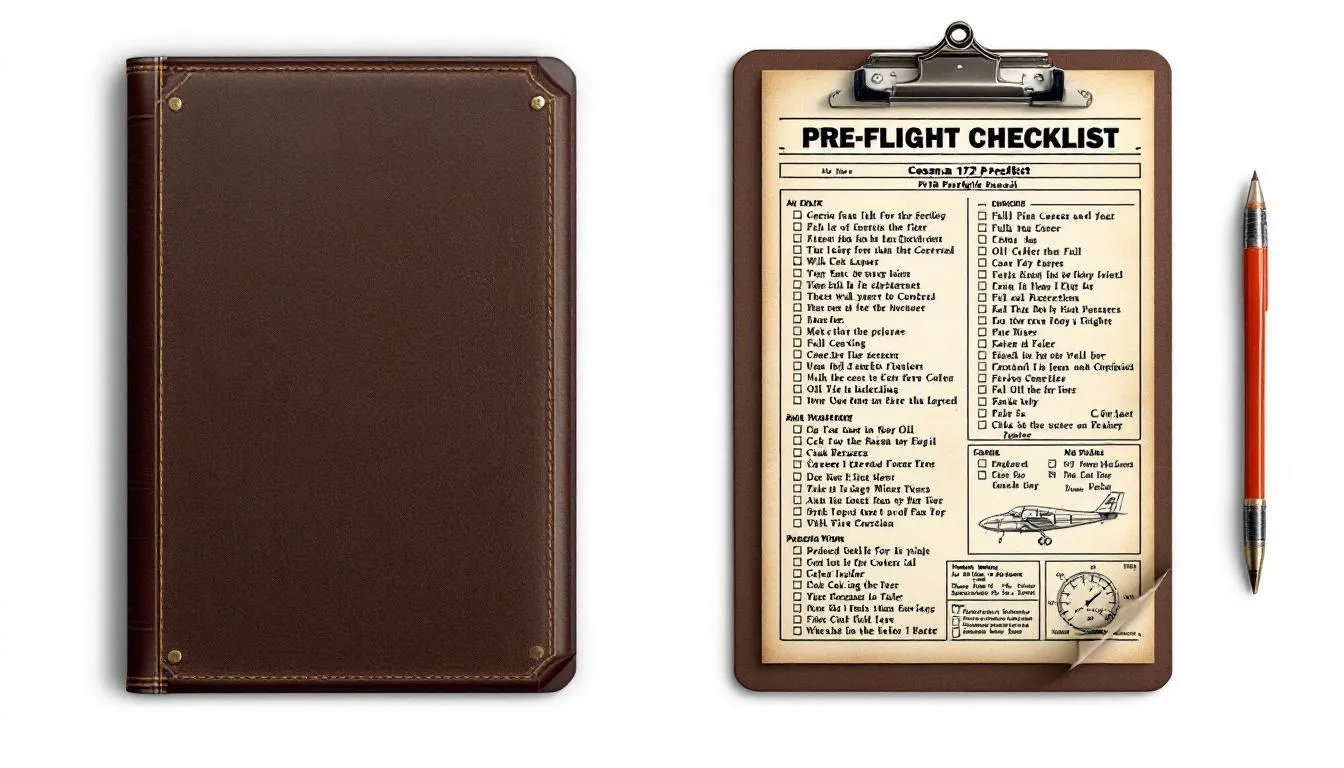
You can’t fly safely without a solid pre-flight inspection under your belt. This is where you make sure your Cessna 172 is in top condition. Start by taking a good hard look at the fuel quantity, and grab a sump sample to make sure it’s not contaminated. And for good measure check that weight and balance too, you don’t want any nasty surprises mid-flight.
Now move on to the cabin inspection. Double check that all the necessary papers and that fire extinguisher are still on board. Now it’s time for the walk-around inspection, starting with a counterclockwise tour of the aircraft begin with the baggage compartment and work your way around from there.
Important quick-reference data such as fuel, oil, electrical, and tire information can often be found in the corner of the checklist, making it easy for pilots to access what they need instantly.
During your walk-around be sure to pay attention to a few key things (these are the most needed items to ensure safety before flight):
-
Ailerons can they move alright, and are they securely in place.
-
Main gear are the tires inflated, and are the brake discs and struts in decent shape.
-
Any leaks on the ground, this might sound a bit minor but could actually be a sign of bigger problems you want to clear up before you take off.
And don’t forget the prop and spinner, check them for any visible cracks or nicks that could be affecting performance. Take your time and get this preflight checklist complete and you’ll know your Cessna 172 is good to go.
A well-designed checklist makes it easy to find all critical information quickly, reducing the risk of missing important steps.
Cessna 172 Startup Checklist
Starting up the Cessna 172 involves a series of precise steps. Set the throttle to 10% and the mixture to full lean to prepare the engine for startup without flooding it.
Once the engine starts:
-
Lean the mixture for ground operations to about 80% to achieve the optimal fuel-air mix.
-
Conduct a run-up by increasing the throttle to 1800 RPM.
-
Check the RPM drop across the ignition settings to ensure both magnetos are functioning correctly.
Before taxiing:
-
Verify all engine instruments are stable and operating correctly.
-
Set the mixture to best power.
-
Set flaps to 0-10 degrees for takeoff, depending on runway and weather conditions.
It is essential that emergency procedures are immediately accessible during startup, so you do not have to flip through multiple pages or charts in urgent situations.
Following the Cessna 172 startup checklist ensures smooth and compliant engine operation.
How to Memorize the Cessna 172 Checklist
Memorizing the Cessna 172 checklist enhances safety and efficiency during flight operations. Quick recall of checklist items can make a significant difference, especially in critical situations. One effective method involves repetition and active recall, going through the concise checklist until it becomes second nature.
Training guides often include visual aids and diagrams to assist in understanding the Cessna 172’s operation. These resources are beneficial for both new and experienced pilots looking to reinforce their checklist usage, especially visual learners, giving them something reliable to refer to during training.
Video tutorials are another helpful resource, providing a visual demonstration of each checklist step. These videos serve as a quick reference, making it easier to understand and remember the procedures, aiding in more effective checklist memorization. A picture can enhance the learning experience.
To learn more about advanced memorization strategies or resources for mastering the Cessna 172 checklist, explore additional guides and tutorials available online.
In-Flight Procedures for Cessna 172
In-flight procedures turn out to be super important if you want to fly safely and efficiently especially for pilots who are still getting comfortable with flying Cessna in different phases of flight. Before every takeoff, have a plan in place for what to do if things go wrong, you never know when you might need to make a quick decision.
Having some kind of exit plan ready to go before you even start rolling is just basic procedure.
Now, mastering the V speeds is a must don’t even think about taking off without knowing them. The Cessna 172’s rotation speed (Vr) is 55 knots on the nose for takeoff, then you’ve got your best angle of climb speed (Vx) at 60 knots, and your best rate of climb speed (Vy) is closer to 76 knots.
These numbers are key to getting the most out of your plane during the climb phase. Quick access to departure procedures and speeds during the departure phase is critical for safety and efficiency, as this is one of the most demanding parts of any flight.
Maneuvering speed (Va) varies based on weight: 82 KIAS at 1600 lbs and 99 KIAS at 2400 lbs. This speed helps avoid structural damage during turbulent conditions. The maximum structural cruise speed (Vno) is 127 KIAS. Knowing these speeds is essential for safe maneuvering and cruising.
For landing, the key speeds are:
-
Approach speed (Vapp): typically between 60 and 70 KIAS
-
Stall speed in a landing configuration (Vso): 33 KIAS
-
Best glide speed for a Cessna 172: 65 KIAS, essential in the event of an engine failure
Mastering these in-flight procedures and V speeds will make your accurate flying experience safer and more intuitive to read in a way that is added content to use fly.
After Landing Checklist
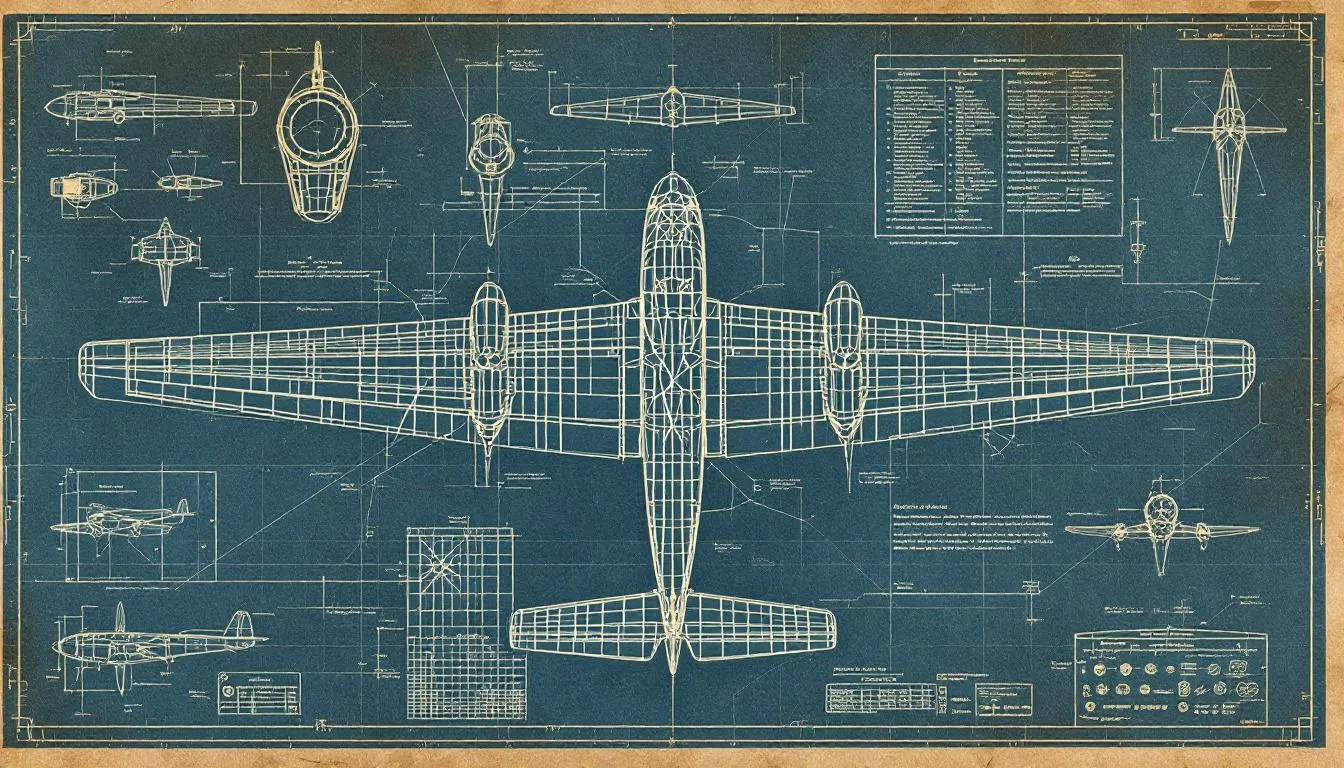
Once you've landed safely, make sure to run through the key things to do to secure the aircraft properly. First get those flaps back up in the air and switch off those landing lights to save some battery power and keep visibility good.
Post-landing procedures include:
-
Check the fuel quantity and monitor the fuel gauges to assess levels for the next flight.
-
Secure the aircraft with the parking brake and control locks in place for safety.
-
Conduct a visual inspection for any damage or abnormalities as a vital post-landing procedure.
By sticking to the after landing checklist you can help keep the aircraft in good nick and make sure its ready for the next time you take off.
All these steps are pretty logical and easy to follow, but there are a lot of little things to remember so pay attention. Keeping these things in mind is super important if you want to keep the high standards you need to.
Videos for Cessna 172 Checklists
For anyone trying to get to grips with the Cessna 172 checklists, videos can be a really useful tool. We've got a YouTube playlist that's specifically focusing on the Cessna 172S Skyhawk checklist procedures, but using video to break down the steps makes it a lot easier to understand and remember especially for pilots who search for clear, visual explanations.
The 'From Startup To Shutdown' series is a really cool resource that covers all the different phases of a Cessna 172 flight with 12 videos in total focused on breaking down the checklist procedures for each phase. These are seriously helpful videos to have they should be right up there with your pilot manual as a go to resource for learning the Cessna 172 checklists.
Additional Resources for Student Pilots
Getting extra resources can really make a difference to a student pilot’s training. Many flight schools take the time to put together materials specifically designed for Cessna 172 training think very detailed guides, training manuals, and all sorts of visual aids that can really help a student get the most out of their training, along with offering helpful training support services that enhance the overall learning experience.
Online community forums allow student pilots to share common experiences, tips, and seek advice regarding Cessna 172 procedures. Joining these communities provides valuable networking opportunities and insights from experienced pilots and instructors.
Many pilots invest in supplementary training materials, such as maneuver guides and emergency procedure manuals, alongside the Cessna 172 checklist. It's worth considering whether the time and money spent on these additional resources will enhance your safety and convenience during flight training.
Other things that can make your flying days a lot easier include a decent flight bag, a good logbook, and some solid navigation tools.
Safety gear is a no-brainer too like a PFD and first aid kit to go with your Cessna 172 checklist. And don’t forget about all the helpful software and apps that can make your flight planning a whole lot easier.
Frequently Bought Together Items
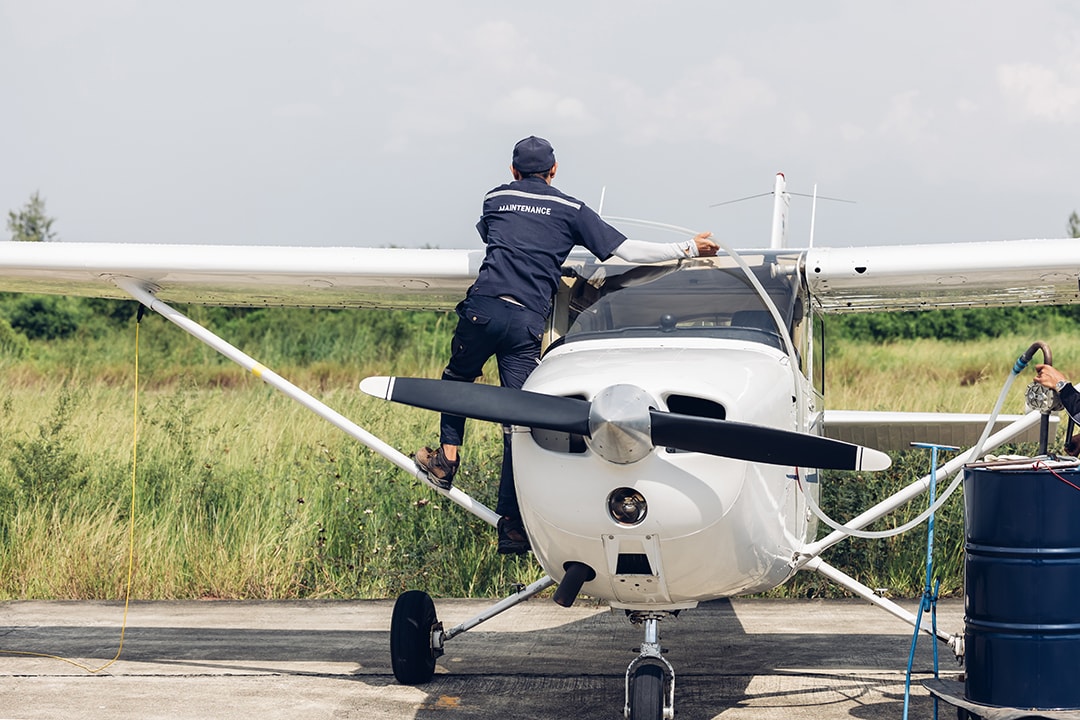
Lots of pilots think there’s more to owning a Cessna 172 checklist than just the piece of paper itself. Checklists, when used properly, can make a huge difference in a preflight inspection and that’s where safety comes in. You need to get that detailed startup list just right, or it can throw a wrench into your whole engine operation and wild card your chances of being in compliance.
Pilots can choose from a variety of checklist products and accessories to customize their flight kit to their specific needs.
A reliable kneeboard aids pilots in managing their checklists and flight information more effectively. A good flight bag helps organize and protect checklists and other essential flight tools in order. Many of these products are sold by reputable aviation suppliers, ensuring quality and reliability.
Joining online forums provides networking opportunities and insights from experienced pilots and instructors, including discussions about the POH.
Accessing training guides helps students effectively master Cessna 172 operations and procedures. These items are not only handy but crucial for ensuring a successful and safe flight experience.
Keep learning with Flight Nerd Air Force: Aviation Training your source for clear, expert aviation guidance. Explore more training resources and deepen your aviation knowledge today.
Summary
Mastering those Cessna 172 checklists is pretty much essential for any pilot who wants to make sure their flights are safe and efficient. From before you take off all the way through to when you land, each single checklist plays a crucial role in getting the job done.
Using things like memorization techniques, watching video guides and shelling out for extra training materials can really help you get better at your game.
And let's not forget this: if you want a flight to go smoothly, preparation is key whether that means going through checklists or sticking to them and reviewing key flight performance data to stay sharp and informed and knowing when you must cancel a procedure for safety.
Frequently Asked Questions
What is the importance of the Cessna 172 preflight checklist?
The Cessna 172 preflight checklist is essential for ensuring the aircraft's optimal condition and enhancing safety by identifying potential issues before takeoff. This systematic approach helps prevent accidents and ensures a safe flying experience.
How do I start the engine of a Cessna 172?
To start the engine of a Cessna 172, set the throttle to 10% and the mixture to full lean. After starting the engine, adjust the mixture for ground operations and perform a run-up at 1800 RPM to ensure proper engine performance.
What are the critical V speeds for a Cessna 172?
The critical V speeds for a Cessna 172 are: rotation speed (Vr) 55 KIAS, best angle of climb speed (Vx) 60 KIAS, best rate of climb speed (Vy) 76 KIAS, and maneuvering speed (Va) between 82 and 99 KIAS depending on weight. Understanding these speeds is essential for safe flight operations.
How can I effectively memorize the Cessna 172 checklist?
To effectively memorize the Cessna 172 checklist, employ repetition and active recall techniques, while utilizing training guides and video tutorials for enhanced understanding. This structured approach will help reinforce your memory effectively.
What additional resources are available for student pilots?
Supplemental resources for student pilots include offerings from flight training schools, online community forums, supplementary training materials, flight bags, pilot logbooks, navigational tools, and safety gear. Utilizing these resources can enhance training and improve flying safety.
