Cessna 172 SP: Specifications, Performance and Cost
Nov 28, 2025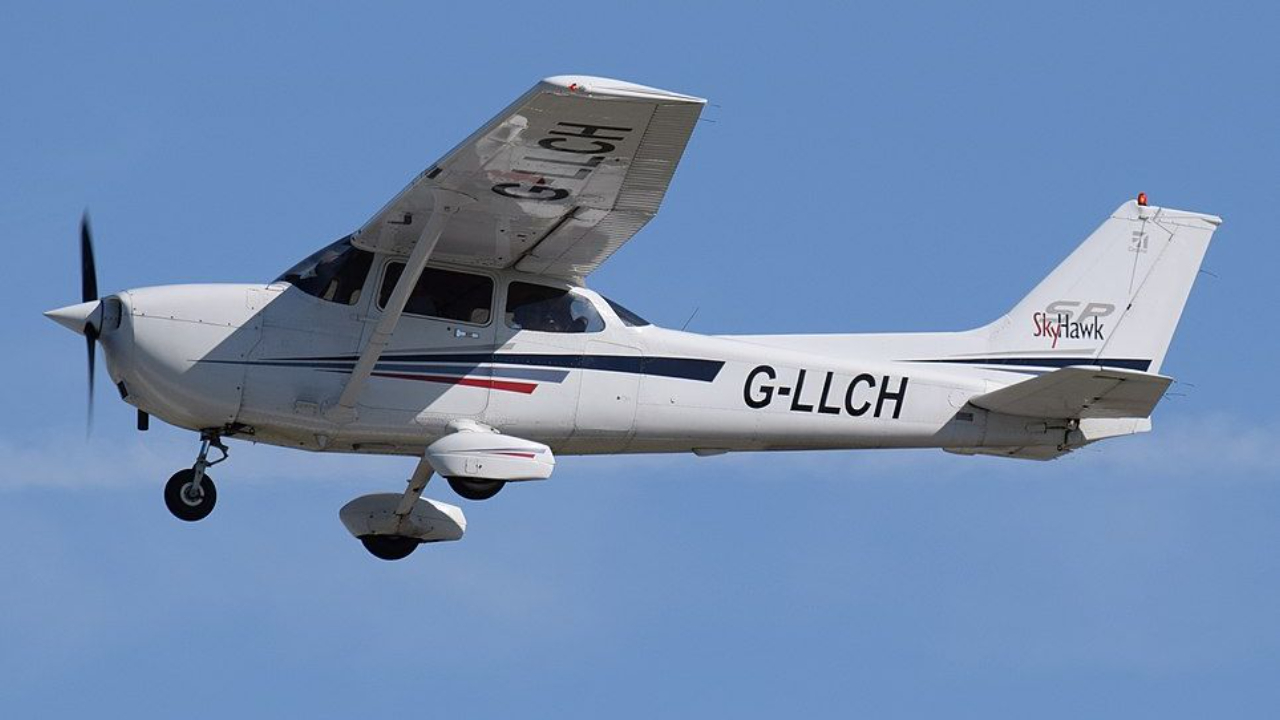
If you’re researching the Cessna 172 SP for training, ownership, or rental, this guide covers specs, real operating costs, and how it compares to other 172 models.
Design and Development
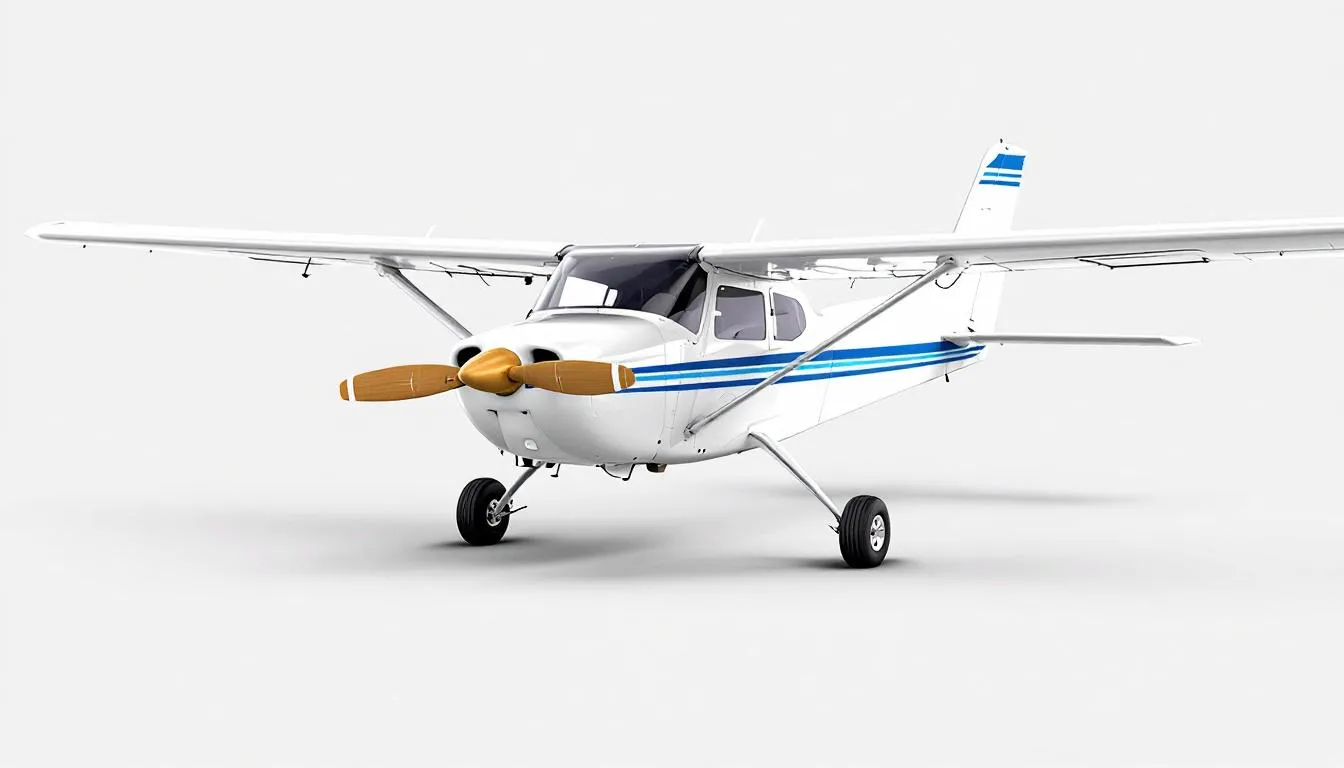
The Cessna 172 SP, a pretty straightforward four-seater, single engine aircraft, initially took to the skies in 1955, and it's been on a heck of a journey ever since.
The idea for the 172 was born out of the Cessna 170, just with some essential changes. It was the first to swap to tricycle landing gear, which you can pretty much guess, made a big difference.
By early 1956, over 1400 units had rolled off the production line, highlighting just how many aircraft Cessna delivered during the model’s explosive early success and putting the wheels in motion for the Cessna 172’s lasting impact.
Some major developments to watch include:
-
June 12th 1955 saw the Cessna 170C make a comeback as a modified version, & that pretty much paved the way for the 172.
-
The model of 1963 brought a lower rear deck, giving pilots better visibility and making the aircraft look pretty sweet.
-
And - let's be honest, lots of little tweaks over the years, cementing the Cessna 172’s reputation as an aircraft that just gets the job done, and why it’s a firm favorite among pilots at flight schools everywhere.
- Learn more in Flight Nerd Air Force: Aviation Training
Aircraft like the 172 SP owe a lot to a couple of key things: the engine, with that Lycoming IO-360-L2A beast at the helm, delivering solid performance and a whole lot of dependability, you can rely on it to get the job done.
We also have that sweet cabin, designed to be super spacious and the most up to date avionics, including that Garmin G1000 system great for pilots of all levels newbies and pros alike. Looking at the whole picture, it's no wonder the Cessna 172 SP stands out from the pack.
Engine and Propeller
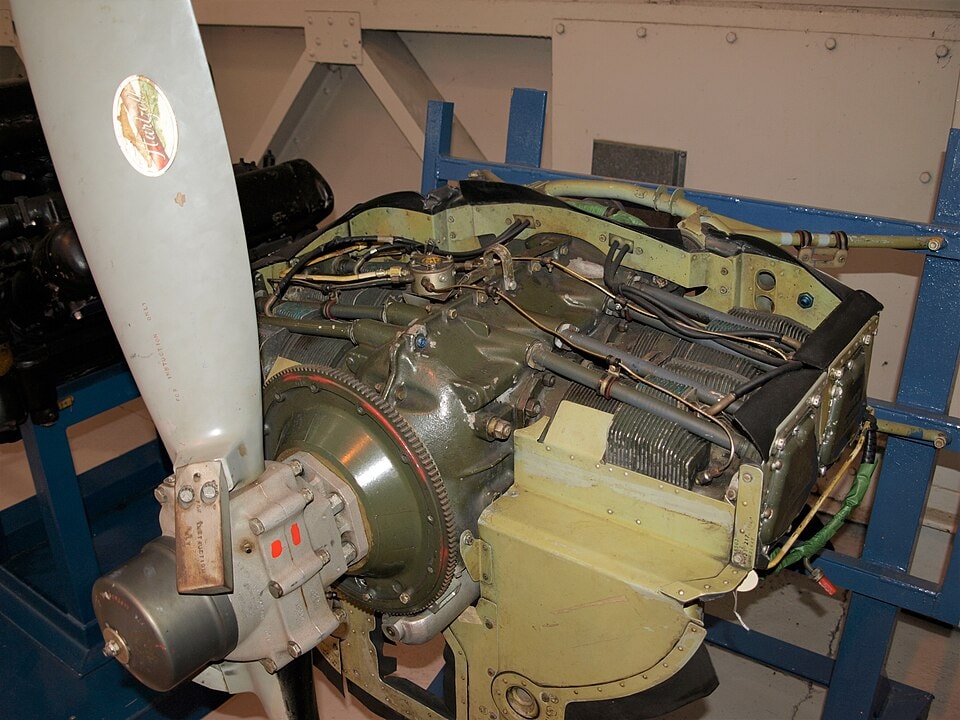
At the heart of the Cessna 172 SP is the Lycoming IO-360-L2A engine : a serious performer that churns out an impressive 180 horsepower and delivers the goods when you need it most.
With a top engine rpm of 2400 which is also the maximum engine rpm for this powerplant this beast can give you the thrust you need to tackle just about any flying conditions you throw at it and that's why it's such a popular choice among pilots of all stripes.
The 180 hp that this engine puts out is a big reason why the Cessna 172 SP is so versatile and dependable.
Paired with the engine is a good old fixed pitch propeller which makes life a lot simpler for the average pilot by eliminating all the fuss and bother of variable pitch systems.
When you combine that with a powerful engine you get a straightforward propeller system that makes flying a whole lot easier which is great news for both your average airport type flying and for students who are just getting their wings.
Cockpit and Avionics
The Cessna 172 SP cockpit's been designed specifically with the pilot in mind and that means you've got a really roomy cabin that gives you a clear view and makes flying a lot more enjoyable, offering easy access to the controls and instruments you use on every flight.
And that's not all, it's also ideal for student pilots who need to keep an eye on what's going on around them.
With a four seat setup you can even chuck some passengers in there, which adds to the flexibility of this aircraft for training or general aviation use.
One of the real stars of the show with the Skyhawk SP is its seriously advanced avionics which are usually included as standard and are based on the Garmin G1000 system.
That gives you a serious suite of tools to help with navigation and flight management combined with some pretty simple-to-use analog systems to boot.
With that level of kit at your fingertips you can be pretty sure you've got everything you need to fly this plane safely and efficiently. So there you have it, the Cessna 172 SP's real success is down to a really well-designed cockpit and top notch modern avionics.
Cessna 172 SP: Performance Metrics
Performance metrics are the lifeblood of any aircraft, and they're a big part of why the Cessna 172 SP is such a popular choice among pilots. This plane has some seriously impressive stats that help explain its reputation for being solid and efficient:
-
Ground roll takeoff distance: approximately 1,640 feet
-
Total distance required to take off at sea level: approximately 1,640 feet
-
Cruising speed: approximately 122 knots
-
Range: 640 nautical miles
It's a great plane for short hops and longer trips alike.
But the Cessna 172 SP's performance numbers don't stop there believe it or not. It comes with a service ceiling of about 14,000 feet which lets it fly safely at high altitudes when needed. Plus it's got a max climb rate of around 730 feet a minute. That's what we call capable of handling just about any flight condition that comes its way.
Flight Characteristics

We say that the Cessna 172 SP is a top-notch plane with its excellent flight characteristics, including:
-
A climb rate of approximately 730 feet per minute, ensuring a steady ascent
-
A service ceiling of 14,000 feet, allowing for versatile flight planning
-
Good maneuverability, capable of executing steep turns and slow flight with ease
Those characteristics alone make it a top choice for flight schools, private pilots, and even meet FAA regulations.
One thing that really stands out about this plane is just how well it can handle a variety of flight conditions. Whether you're taking off from a short runway or flying high up in the sky the Cessna 172 SP just delivers which is why so many pilots trust it when flying Cessna in both training and real-world environments.
And that, my friends, is just one of the reasons why it's such a successful plane - especially in the kind of environments where reliability and good handling are everything.
Weight and Balance
Weight and balance are two of the most critical factors when it comes to an aircraft's performance - and the Cessna 172 SP is no different. When it comes to the Cessna 172 SP, the weight specs to keep in mind are:
-
Maximum takeoff weight: 2,550 pounds, offering a substantial payload capacity
-
Empty weight: 1,642 pounds
-
Useful load: Approximately 895 pounds, making it versatile for carrying passengers and cargo.
The maximum gross weight of 2,550 lb ensures that the aircraft can handle a variety of missions without compromising safety.
Proper weight and balance management are essential for maintaining the aircraft’s performance and ensuring safe operations. These specifications highlight the Cessna 172 SP’s ability to deliver reliable performance under different loading conditions.
Operational Use
But beyond all that, the operational use of the Cessna 172 SP goes a whole lot deeper than just being a reliable aircraft. It's also one of the most popular choices out there for flight training and private owners alike which tells you a lot about its reputation as one of the safest single-engine aircraft you can fly.
The fact that it's a staple in flight schools around the world is a testament to its abilities as a solid training platform. And we all know that it's not just about getting students from A to B, its also about giving them the skills and confidence they need to succeed in this crazy awesome world of aviation.
And for private pilots, the Cessna 172 SP is an absolute joy to fly it's super reliable, easy to handle, and gives you all the operational flexibility you need. Whether you're a new pilot learning the ropes or an old pro looking for a trusty steed, the Cessna 172 SP has got it in spades.
Training Aircraft
The Cessna 172 SP is a crowd favorite for training aircraft, and for good reason it clocked up over 1,400 units in its first year on its own. It's a joy to fly, and the fact it's got that high-wing design makes it a real winner for teaching students the ropes. You can teach all sorts of flying techniques in this thing, from real basics to pretty advanced stuff.
The high-wing setup is a real boon too you can see for miles, which is just as important for the instructors as it is for the students. And here's the thing, the Cessna Aircraft Company just built the 172 SP as a training machine end to end.
They're absolutely laser focused on meeting the needs of the flight schools and instructors that use them, it's no wonder it's become one of the most successful aircraft in its class.
Cessna 172 SP: Cost and Value
Working out the cost and value of the Cessna 172 SP is a must for anyone out there thinking of buying one. The price you pay for a Cessna 172 SP can vary a fair bit and it really depends on how old the plane is, how well looked after it has been, and what’s in demand at the time.
As a result, there’s usually some option available to suit someone with a specific budget or preference maybe you want the latest model or something a bit older and cheaper.
Purchase Price
The price you pay for a new Cessna 172 SP can range from, say, $400,000 to $500,000, depending on the age and any fancy features you want.
-
On the other hand, you can pick up a used Cessna 172 SP for anywhere between $30,000 and $300,000 again, age, how many hours it’s had in the air, and any maintenance issues can all make a big difference to the price.
-
Over the last little while, we’ve seen some pretty interesting prices popping up for older, well looked after Cessna 172 SPs around $85,000 for some of the better ones, for example. It really does show how varied the cost of a Cessna 172 SP can be.
When you first buy a Cessna 172 SP, you may also have to factor in any initial costs like market conditions or installed kit. It really brings home the importance of doing your homework and considering lots of factors before you actually make a purchase. If you have an idea of what you can afford, it makes it much easier to find an aircraft that will suit your needs.
Operating Costs
Operating a Cessna 172 SP entails various ongoing costs, including fuel, maintenance, and insurance. Fuel costs alone can amount to approximately $6,250 annually, given a consumption rate of 12.5 gallons per hour at $5 per gallon.
Maintenance costs are another significant factor, with annual inspections ranging from $1,000 to $2,000 to ensure compliance with safety regulations. Routine maintenance typically costs between $15 and $30 per flight hour.
Insurance is another variable expense anywhere from $1,200 to $5,000 a year, depending on how comprehensive your coverage is and how much experience you have under your belt.
And then there's the hangar fees - which can range from $150 to $1,000 a month, depending on where you're flying from and what the local hangar situation is like.
All told, the costs can really add up anywhere from $100 to $150 per flight hour, when you factor in fuel and routine maintenance. But, despite these expenses, the Cessna 172 SP is still a popular choice and that's because of its reliable performance and low operational costs.
Comparison with Other Models
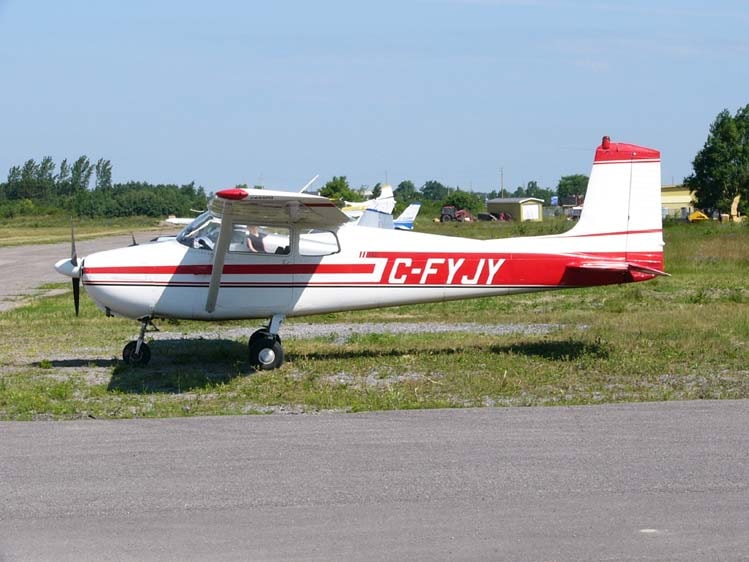
When you're shopping for a Cessna 172 SP, comparing it to other models is a smart move. It helps you figure out what makes the SP truly unique.
One model that's often pitted against the SP is the Cessna 172S and for good reason. Both are built by Cessna and share a lot of what makes their aircraft so successful in the aviation world.
But then there's the Skyhawk SP which stands out from the crowd with its cutting-edge features and improved performance. If you're particular about specific capabilities or upgrades, these differences need to be on your radar.
The sections below give you a detailed rundown of how the 172S and 172 SP compare, highlighting the Skyhawk SP's standout features.
Cessna 172S vs. Cessna 172 SP
The 172S and 172 SP are both pretty well regarded in the flying community but the 172 SP has a pretty big advantage when it comes to its engine. With 180 horsepower on tap, its got a bit of an edge over the 172S in just the right flying situations. That extra oomph can make all the difference in some cases, which is why some pilots would rather have the 172 SP.
Both models have a reputation for being solid, reliable and efficient but the 172 SP's got some key improvements when it comes to the engine and avionics.
That combination of increased power and better tech is part of what makes it so popular among flight schools and private owners - they just seem to love having a powerful plane that's also loaded with modern gadgetry.
Skyhawk SP Features
The Skyhawk SP has a whole bunch of features that make it a real beast in the skies. The Lycoming IO-360-L2A engine is a serious upgrade over the old ones, it's like a reliability powerhouse and produces a ton of power to boot.
Pairing that with the Garmin G1000 avionics system which is top-of-the-line, has got to make pilots pretty stoked, its got all the tools they need to navigate and keep an eye on things.
On top of that the Skyhawk SP still has the old-school analog backup systems - you know, the kind that don't get knocked out by a glitch in the computer. The result is a plane that's super reliable and safe to boot.
You've got performance that's basically unbeatable too better climb rates and you can take it to some pretty high altitudes which is always a good thing.
With all these features the Skyhawk SP becomes a go to choice for pilots of all skill levels, its just a great plane to fly, not too hard to handle but it packs a punch with its advanced tech to boot.
Specifications
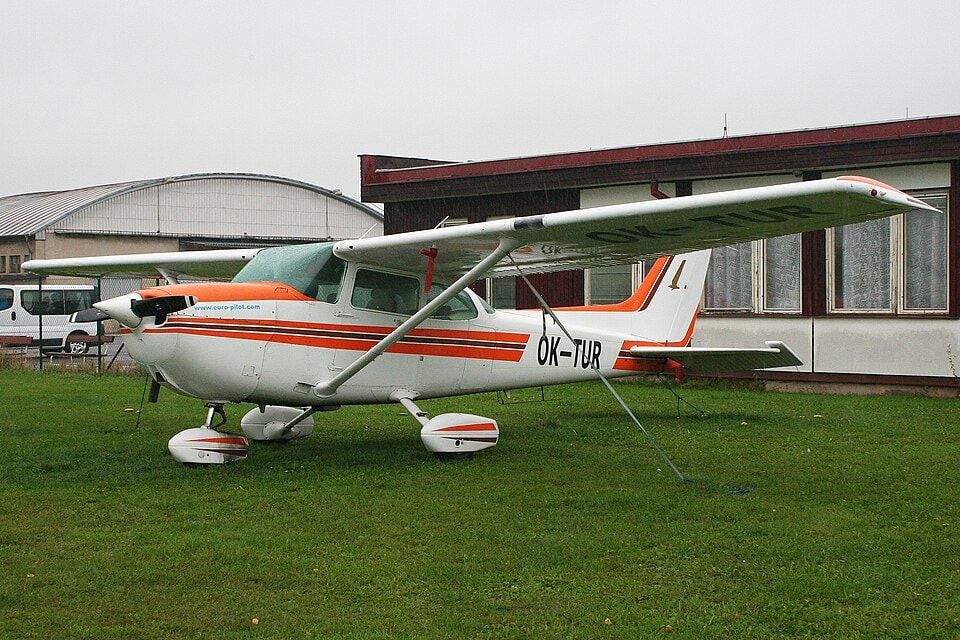
Getting your head around the Cessna 172 SP's specs is really key to appreciating what it can do. The key numbers to know are:
-
Takeoff distance: approximately 960 feet under standard conditions
-
Landing distance: about 575 feet under standard conditions
-
Top speed: up to 126 knots
-
Normal cruise speed: around 115 knots
These performance metrics really bring out the Cessna 172 SP's ability to perform well in just about any flying conditions you can throw at it.
The ins and outs of the Cessna 172 SP's specs are detailed out below, covering things like its general characteristics and performance data and so on, and many of these figures come directly from the aircraft’s official type certification data sheet often referenced in the TCDS Cessna 172 documentation giving you a pretty solid understanding of what makes this aircraft a reliable and efficient choice for pilots.
General Characteristics
The general characteristics of the Cessna 172 SP include:
-
Length: 26 feet 11 inches
-
Wingspan: 36 feet 1 inch, providing a favorable lift-to-drag ratio
-
Wing area: 174 square feet, contributing to stable flight characteristics
-
Cabin volume: 121 cubic feet, ensuring ample space for pilots and passengers and enhancing comfort during flights
These characteristics show just how much thought and care has gone into designing the Cessna 172 SP the spacious cabin and clever aerodynamics make for a really practical and enjoyable flight. All of which helps explain its enduring reputation in the world of aviation.
Performance Data
The performance data of the Cessna 172 SP underscores its capabilities:
-
Maximum speed: 126 knots
-
Normal cruising speed: 115 knots
-
Range: up to 518 nautical miles
-
Service ceiling: 14,000 feet, allowing it to operate safely at higher altitudes
This makes the aircraft equipped powered versatile for various flight mission stage.
The fuel capacity of 53 gallons supports longer flights, providing pilots with the flexibility to undertake extended missions without frequent refueling. These performance metrics highlight the Cessna 172 SP’s efficiency and reliability, making it a top choice for both training and private ownership.
Frequently Asked Questions
What engine does the Cessna 172 SP use?
The Cessna 172 SP is powered by the Lycoming IO-360-L2A engine, delivering 180 horsepower. This engine enhances the aircraft's performance and reliability.
How does the Cessna 172 SP compare to the Cessna 172S?
The Cessna 172 SP is superior to the 172S due to its more powerful 180-horsepower engine, advanced avionics, and performance enhancements. This makes it a more capable choice for pilots seeking improved performance.
What is the fuel capacity of the Cessna 172 SP?
The fuel capacity of the Cessna 172 SP is 53 gallons, enabling a range of up to 518 nautical miles.
What are the operating costs for a Cessna 172 SP?
The operating costs for a Cessna 172 SP typically encompass fuel, maintenance, insurance, and hangar fees. Annually, fuel costs are around $6,250, and maintenance expenses vary from $15 to $30 per flight hour.
Why is the Cessna 172 SP popular for flight training?
The Cessna 172 SP's popularity in flight training stems from its reliability, ease of handling, and advanced avionics, providing an ideal environment for student pilots to learn and develop their skills.
