TCDS Cessna 172: Key Specifications and Compliance Guide
Dec 03, 2025
Looking for the lowdown on the TCDS Cessna 172? This must-read document is a crucial piece of paperwork that confirms the aircraft is up to snuff when it comes to FAA safety standards.
It's got the important numbers and specs weight capacities, engine details, safety features the whole shebang. In this guide, we'll break down the key bits of the TCDS for the Cessna 172.
Key Takeaways
-
Type Certificate Data Sheets (TCDS) provide essential specifications and compliance requirements that ensure the Cessna 172 meets safety and operational standards.
-
The TCDS outlines critical performance metrics, including weight limits, airspeed restrictions, and engine specifications that are vital for the operation and maintenance of the aircraft.
-
Compliance with Federal Aviation Regulations (FAR) is fundamental for the Cessna 172, and regular updates to the TCDS are necessary to reflect any changes in safety standards and operational capabilities.
- Learn more in Flight Nerd Air Force: Aviation Training
Understanding Type Certificate Data Sheets (TCDS)
Type Certificate Data Sheets (TCDS) are pretty much the blueprints for every aircraft out there, including the Cessna 172. And they're only as good as the aircraft itself they need to show that the plane meets every single safety and operational standard, just to be allowed in the skies.
For the Cessna 172, a TCDS is a seriously detailed document that lays out all the facts and figures the plane needs to get certified as airworthy & safe.
The TCDS contains some pretty crucial information the design of the plane, its performance, and even its operational limitations. It spells out the safety measures & technical specs the plane needs to stick to if its going to stay airworthy, and that means complying with the FAA's regulations.
This thing's a must have for anyone getting into the aircraft business whether an operations manager, a mechanic, or a regulatory compliance expert because it basically tells you what the plane can and can't do.
The Cessna 172 adheres to stringent FAA regulations that ensure its safety and airworthiness. These regulations, detailed in the TCDS, cover:
-
Weight limits
-
Engine specifications
-
Safety features
-
Compliance with federal aviation standards, including those for Cessna aircraft.
Definition of TCDS
A Type Certificate Data Sheet (TCDS) is a document that aviation authorities slap on an aircraft to verify its design and safety standards compliance.
It lays out all the crucial specifications, limitations, and regulatory requirements that the aircraft needs to meet in order to stay safe and perform well, while also outlining the responsibilities of the TC holder in maintaining continued airworthiness information that ultimately connects back to the aircraft’s official type certificate no used to identify its approved design.
Purpose and Importance of TCDS
TCDS makes sure aircraft are up to safety standards and can be certified and flown. By proving that the aircraft meets those airworthiness standards it also gives operators some peace of mind about its reliability and safety.
This is especially crucial when it comes to getting an aircraft like the Cessna 172 certified under Part 23. That means the aircraft has to tick all the safety boxes before it can even start being sold.
For the Cessna 172, TCDS is key to making sure the aircraft sticks to tough safety and performance standards. To do this, the TCDS needs to be updated and revised all the time reflecting any changes that have been made to the aircraft over time.
Overview of TCDS for Cessna 172
The TCDS for the Cessna 172 is a detailed breakdown of the various models and what they need to do to comply with federal aviation standards.
It'll give you the lowdown on things like weight limits, engine sizes and safety features allowing you to check that the aircraft is actually safe and meets its specifications including popular variants such as the Cessna 172 sp.
Key Specifications in TCDS for Cessna 172
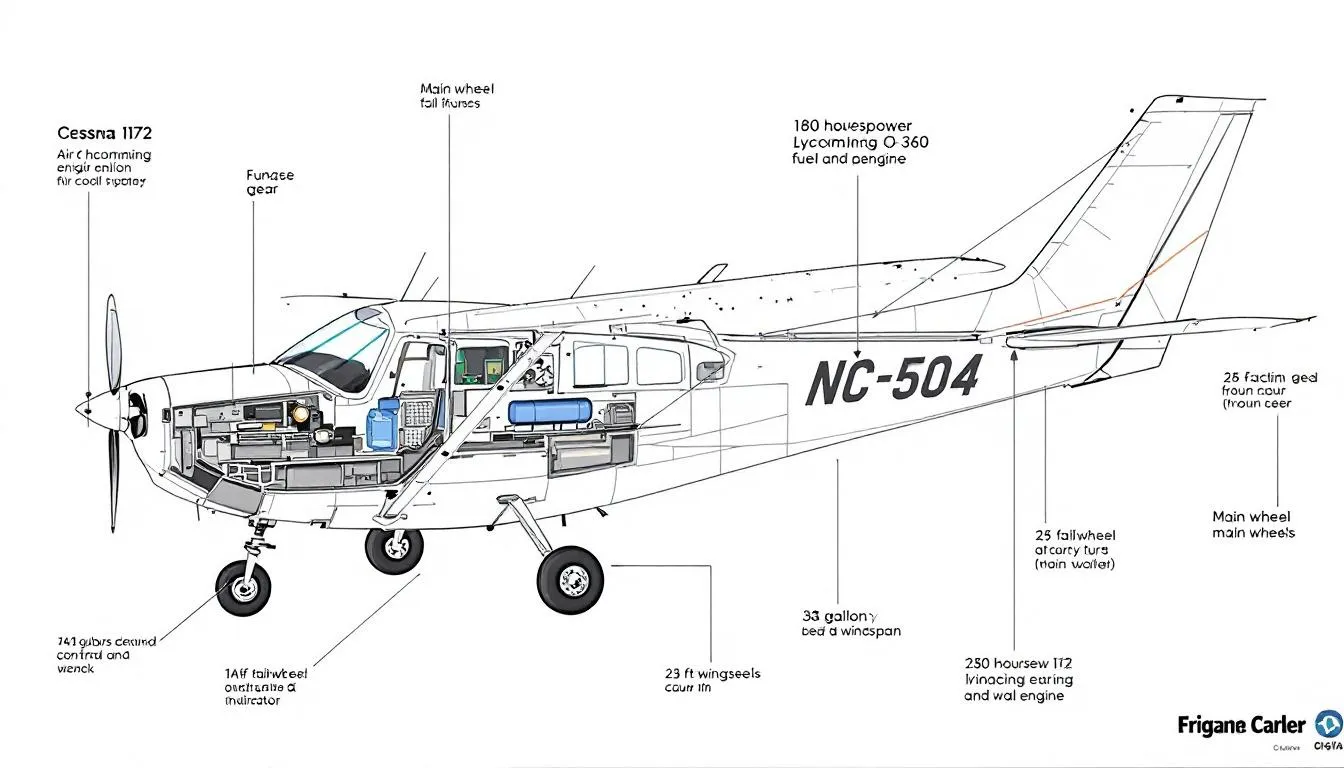
The Cessna 172’s TCDS documents all the essential details you need to know for its operation. These include weight limits, baggage space, seating arrangements and any optional equipment that can be installed. Knowing these specifics is absolutely vital for keeping the aircraft running smoothly and safely.
The TCDS sets out max weight allowances for both the normal and utility categories for the Cessna 172 this turns out to be 2200 lbs for the normal category and 1950 lbs for the utility category. The difference this makes to the aircraft’s performance and capabilities under different flying conditions is pretty obvious.
The TCDS allows for various bits of optional kit to be installed to boost the functionality and performance of the Cessna 172. These options include upgraded avionics, seats that are modified to suit different needs, and advanced navigation systems a detailed list of what's available is found in the TCDS’s official equipment list.
Airspeed Limits
The TCDS spells out max and min airspeed limits for the Cessna 172, to help keep flying safe. The max structural cruising speed (Vno) is 127 knots, while the never exceed speed (Vne) is a whopping 160 MPH or 139 knots.
Keeping to these speeds is crucial if you want to avoid putting the aircraft’s structure under too much stress, especially when operating within the aircraft’s range normal airspeed envelope.
Weight and Balance
In the weight and balance section of the TCDS you can find the max weight limits and center of gravity parameters which are so important for keeping the Cessna 172 stable in the air.
The max gross weight for the aircraft is usually around 2,550 pounds, and the center of gravity (CG) is going to vary depending on any changes to the weight, just to keep things balanced out a relationship that often follows a pattern similar to straight line variation.
Engine and Propeller Specifications
The TCDS also gives the lowdown on the engine type and prop specs for the Cessna 172, including the power output and prop pitch settings. Normally the aircraft is running a Lycoming engine with around 160 horsepower, or a Continental O-300 at 2700 RPM and 145 horsepower.
Operational Limitations and Performance

The TCDS for the Cessna 172 is loaded with some pretty important operational limitations and performance criteria that you need to know for safe flying.
These limitations cover things like maximum takeoff weight, stall speed, and other key performance metrics. The thing is, understanding where the limits are is not just nice to know it's crucial for getting the most out of your aircraft and flying safely.
The Cessna 172 gets categorized in both 'Normal' and 'Utility' categories and each of these has its own set of operational limits. These categories lay out what you can and can't do in the air and what performance metrics you're looking at in different flight situations.
And here's the thing sticking to these limits is not optional if you want to keep your aircraft flying smoothly and efficiently.
Pretty much everything you can think of like how much fuel the plane is carrying, how high you're flying and even the temperature outside can start to eat away at how well the Cessna 172 performs a combination of factors that can eventually lead to performance degradation.
And I mean that literally it can make a big difference in how fast it can climb and how well it uses fuel which is just one reason why being aware of all this is such a big deal for safe and efficient flying.
Maximum Permissible Throttle Setting
The TCDS for the Cessna 172 has got some pretty important guidelines on the maximum throttle setting you should ever use on this plane mainly so you can get the most out of the engine while keeping it (and you) safe. This is all pretty standard stuff, but it's worth knowing even if you're an old pro at flying.
Structural Cruising Speed
The maximum structural cruising speed (Vno) for the Cessna 172 is 127 knots indicated airspeed (KIAS). This speed is the upper limit for safe operation in smooth air, ensuring safe flight without risking structural integrity.
Fuel and Oil Systems

Usable and Unusable Fuel
The TCDS tells us that when it comes to usable and unusable fuel in the Cessna 172, there's a big difference. Usable fuel is the amount of fuel that's actually good to go for engine operation and that's around 40 gallons.
Then there's the unusable fuel, which is a few gallons less roughly 2–3 gallons. Now, that unusable fuel's not something you can just go ahead and draw out of the tanks because of the way they're designed, but all that's taken care of in the performance calculations to make sure everything runs safely.
This is also why pilots must pay attention to any signs of fuel system component damage during inspections to avoid safety risks.
Oil Capacity and Specifications
The oil capacity for the Cessna 172’s engines generally ranges from 6 to 8 quarts, depending on the specific model and engine variant. This capacity must be maintained to ensure the engine operates efficiently and to prevent damage.
Proper oil management is critical for the good longevity and performance of the engine.
Compliance with Federal Aviation Regulations
Compliance with Federal Aviation Regulations the FAA's rules that keep us all safe in the air is right at the heart of what keeps the skies safe. The FAA itself operates under the oversight of the U.S. department of transportation, which is responsible for the broader regulatory framework governing civil aviation.
This oversight structure is often referred to within the transportation federal aviation administration context. The Type Certificate Data Sheet (TCDS) is central to that, as it gives all the nuts and bolts on the airworthiness, operational restrictions, and regulatory compliance of an aircraft.
So with the Cessna 172, this sheet gives us all the details we need to make sure it meets all the relevant safety standards.
The TCDS for the Cessna 172 is more than just a bit of background reading it tells us the details on operational limits and compliance, so we're bang on track to meet the tough requirements the FAA sets.
It's got the lowdown on things like fuel and oil systems, how much weight is too much, and how it handles in the air.
And there are other key documents that go hand in hand with TCDS, like Airworthiness Directives (ADs) and Technical Standard Orders (TSOs), that keep guiding the way to safe and compliant flying.
The fact is, sticking to the rules is what keeps the Cessna 172 safe in the air. Updates to the TCDS and its companions are a regular occurrence to keep the aircraft safe to keep us all safe, for that matter. It means you can fly with peace of mind.
Part 23 Certification
Part 23 certification refers to the specific standards and regulations set by the FAA for the design and performance of aircraft. This certification ensures that aircraft, including the Cessna 172, meet numerous safety and performance criteria, making them safe for operation.
Achieving Part 23 certification involves thorough testing and validation of a number of aircraft systems and structures against established safety standards.
Normal and Utility Category
The Cessna 172 is what's called a 'Normal' category aircraft, which means it can carry up to four people and has weight limits to keep things safe. Aircraft in this category are designed for all sorts of general aviation flying they're the workhorses of the skies.
The 'Normal' category is all about keeping the aircraft safe while still letting it get the job done its designed to help you fly safely without getting in the way of its performance.
Federal Aviation Administration Standards
The Cessna 172 meets FAA standards for design, performance, and safety features as mandated by federal regulations. These standards are designed to ensure safe operation of Cessna airplanes, covering aspects such as airworthiness, maintenance, and operational limits.
Compliance with these standards is crucial for the Cessna 172 to be operated safely in diverse conditions.
Additional Equipment and Modifications

The Cessna 172 TCDS walks you through the various extra equipment options & modifications available to give this aircraft a bit more oomph.
These options are a godsend for pilots wanting to make their aircraft truly their own: they let you beef up the aircraft to suit your specific flying needs without ever forgetting about safety & regulatory compliance.
One super handy add-on is the optional 'kid's seat', lets pilots bring the little ones along for the ride and it's all while still keeping safety top of mind.
The TCDS gives the lowdown on what that means in practical terms, so you know the seat's up to snuff and in many cases, pilots refer to this setup alongside the child's optional jump seat when reviewing available seating configurations.
The TCDS also has the lowdown on baggage allowances and seating arrangements which can all be tailored to your specific flying style.
That means you can outfit your plane just right for optimal performance and stability less weight, less drag, less trouble in the long run, and even consider lighting-related upgrades such as Cessna light improvements for better visibility and safety.
Maximum Baggage and Seating Configurations
The maximum baggage and seating configurations for the Cessna 172 are defined in the TCDS:
-
The baggage compartment has a maximum permissible weight limit to ensure safety and performance.
-
The seating configuration typically accommodates four seats.
-
There are options for additional jump seats or modifications.
These configurations impact the aircraft’s overall weight, balance, and operational capabilities.
Equipment List and Modifications
The TCDS for the Cessna 172 includes a rundown of all the optional extras you can slap on to make life easier. This includes the kid's jump seat and a bunch of other mods that let you customize the aircraft to suit your needs.
The list of kit & possible mods means you can tailor the aircraft to exactly what you need, all while keeping an eye on safety & performance.
Resources and Documentation
Getting your head around the TCDS for the Cessna 172 is pretty huge in terms of ensuring you're operating safely and compliant with regulations.
The FAA has all the Type Certificate Data Sheets (TCDS) online and they're a must-see for anyone looking to stay informed about the latest updates and revisions after all they're there to help pilots and mechanics like you out.
The FAA website is a valuable resource for accessing TCDS documents. Navigating the site to the Airworthiness section and utilizing search filters can help users find specific TCDS for various aircraft, including the Cessna 172.
This centralized repository simplifies the process of obtaining and reviewing critical documentation.
Being able to read and understand what's in the TCDS is super important for anyone who's at the controls or under the hood.
The documents you really need to get your head around include the actual type certificate documents, any amendments and the key tech data or reports that relate to your specific aircraft model.
You need to know what you're looking at basically which means you need to be familiar with the structure and what all the headings, notes and revision dates are telling you.
Accessing TCDS on FAA Website

To access TCDS documents on the FAA website, navigate to the Airworthiness section and use the search filters to refine your search. In some cases, certain technical files or archived records may require a password for authorized access.
This process is crucial for understanding the compliance and specifications related to the Cessna 172, ensuring that all necessary documentation is readily available and easy to find.
Keep learning with Flight Nerd Air Force: Aviation Training your source for clear, expert aviation guidance.
Frequently Asked Questions
What is a Type Certificate Data Sheet (TCDS)?
A Type Certificate Data Sheet (TCDS) is a regulatory document issued by aviation authorities that verifies an aircraft's design and safety compliance, detailing its specifications, limitations, and regulatory requirements. It serves as an essential reference for ensuring the aircraft meets safety standards.
Why are TCDS important for the Cessna 172?
TCDS are essential for the Cessna 172 as they ensure compliance with safety regulations and operational standards, detailing specifications that affirm the aircraft's airworthiness and performance.
How can I access TCDS documents for the Cessna 172?
You can access TCDS documents for the Cessna 172 by visiting the FAA website, specifically in the Airworthiness section, where you can utilize search filters to locate the relevant documentation. This streamlined process allows for efficient retrieval of the necessary information.
