Cessna Light Aircraft and Lighting Systems: Complete Guide
Dec 10, 2025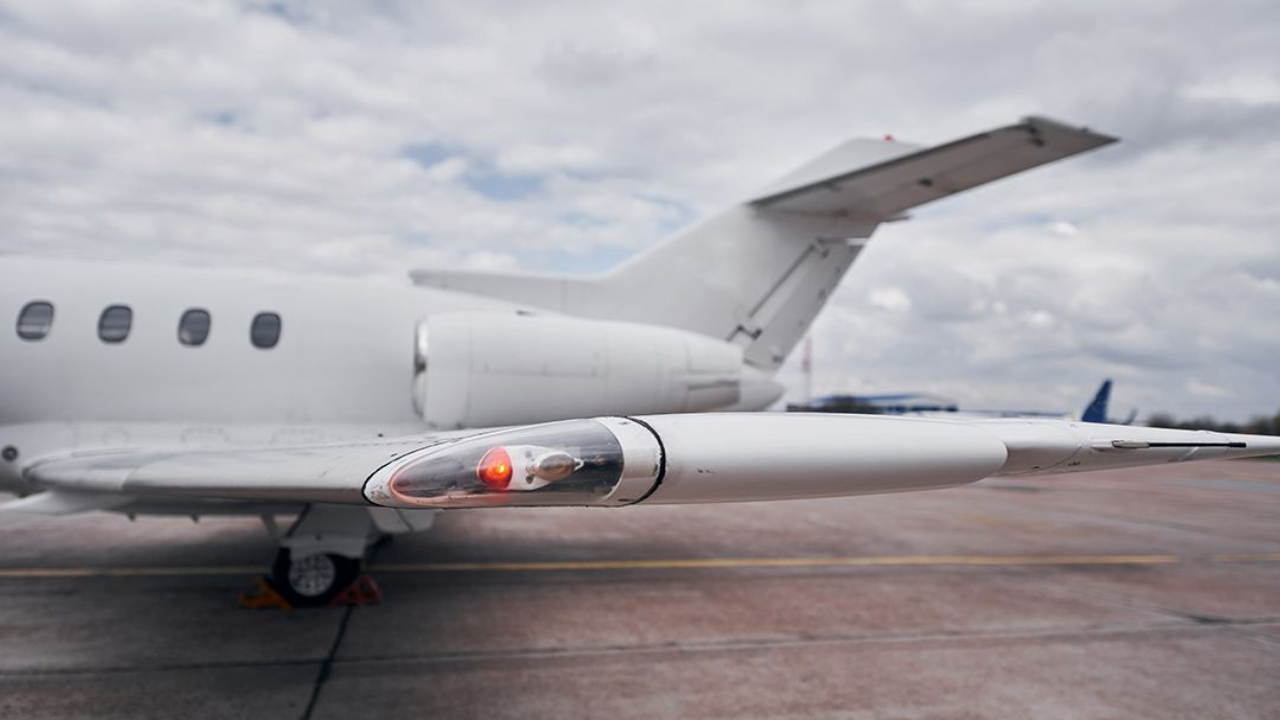
Cessna’s got a reputation in general aviation as the go-to manufacturer for light aircraft think training planes right up to business jets.
From the really famous Skyhawk trainers to the high-end Citation jets, every one of these planes has got a lighting system on board to keep pilots safe at every stage of a flight.
Each airplane is equipped with external lights designed for identification and safety, making it easier for others to recognize and track the aircraft during various operations.
And if you work with Cessnas, whether you’re a trainee pilot, an operator or a more experienced aviation pro involved in pilot training, you need to know how they work.
Navigation and LED Lights: Beyond the Basics
-
Basic navigation lights for staying visible
-
Advanced LED tech that helps get compliance with airborne regulations
-
The whole lighting system working in harmony to keep you safe, especially when paired with essential systems like landing lights and recognition lights that enhance visibility during critical phases of flight.
Overview of Cessna Light Aircraft
Cessna’s light aircraft really set the standard for modern aviation engineering they take time-tested airframe designs and pair them with the latest tech in safety systems & avionics to create something truly exceptional, especially for operators who rely on efficient and reliable air transportation.
For pilots who train on multiple Cessna models, understanding baseline performance across the fleet including core fundamentals like “How Fast Can a Cessna 172 Fly” helps provide useful context when comparing light piston aircraft with higher-performance jets.
Many of these models trace their certification lineage back to FAA data published in the TCDS Cessna 17, which outlines the baseline specifications for some of the most iconic Cessna airframes.
Aircraft like the Citation CJ4 & the new Gen3 model show off this approach, offering 8 comfy seats in a spacious cabin with a length of 17ft 4in. They’re built for single-pilot operation, but safety-wise they’re at the top of their class.

The CJ4 series has the top-notch Garmin G3000 PRIME avionics system, which puts flight management, weather radar & collision avoidance all on one super clear screen, it’s a game changer when it comes to situational awareness & workload management. The advanced avionics also help pilots detect and avoid turbulence, ensuring a smoother flight experience.
You might also come across the Collins Aerospace Pro Line 21 in other Citation models same capabilities but with a slightly different design.
Performance wise these Cessna light jets are right up at the top of their category. The CJ4 can hit over 400 knots, gets fantastic fuel efficiency and keeps costs down. The increased speed of the CJ4 compared to previous models means improved travel efficiency, range, and overall performance.
With a service ceiling of 45,000 feet and a range that takes you over 2,000 nautical miles, they’re perfect for business travel or special missions, especially with engine management systems that automatically optimize critical variables such as manifold pressure for smooth and efficient power output performance that is significantly enhanced when compared to baseline conditions at sea level.
In piston-powered Cessna models, systems like cowl flaps also play a crucial role in maintaining proper engine temperatures during various phases of flight.
In Cessna’s light aircraft the passenger experience is key. The climate control is pretty smart, keeping the cabin at just the right temperature & pressure no matter what the flight envelope’s like.
And the noise reduction is pretty impressive too so you can get some work done or just relax in comfort.
Cessna’s modern aircraft also make use of new, lighter materials & manufacturing techniques to keep weight down, while keeping the strength up.
This really pays off in terms of performance and keeping costs down so whether you’re a corporate flight department or a private owner, Cessna light jets are definitely worth a look.
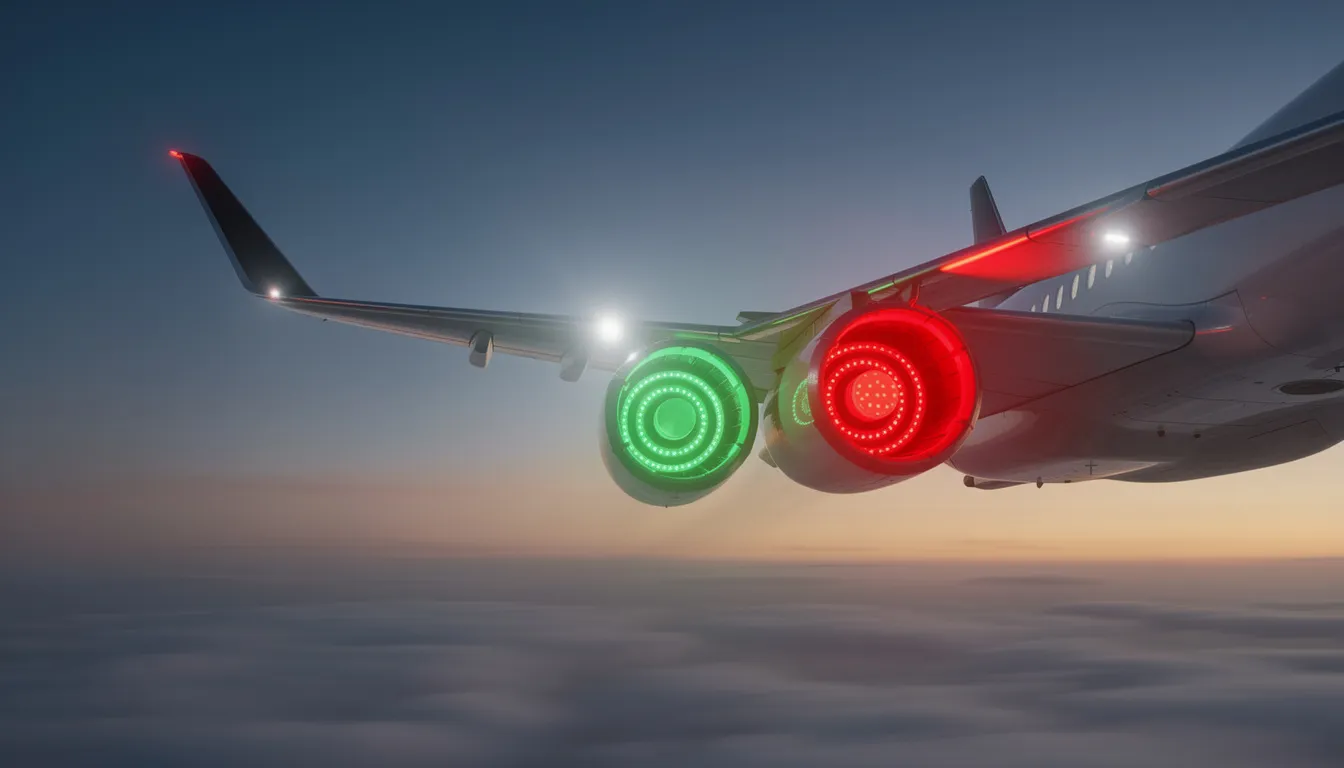
Cessna’s lighting systems are designed for maximum visibility and safety. Certain lights are specifically intended to assist with ground operations, such as illuminating objects on the ground or helping ground crew detect ice on the wings. Wing inspection lights are mounted on the fuselage and directed toward the wing to help with ice detection during safety inspections.
The latest LED lighting systems in Cessna aircraft are highly efficient, with half of the LEDs used for taxi lights and the other half for landing or recognition lights.
Taxi lights are especially useful for pilots when navigating taxiways at night, reducing the need to guess the layout and enhancing safety in low visibility conditions.
Maintenance and reliability are strong points for Cessna’s lighting systems. Even if a light malfunctions, it rarely causes a flight delay because these lights are easy to replace and do not typically impact the overall schedule.
For special missions, Cessna aircraft can be equipped with additional lighting and equipment. Military aircraft, for example, are fitted with specialized searchlights and formation lights for tactical operations, often utilizing advanced illumination technologies.
Learn more in Flight Nerd Air Force: Aviation Training
Interior Lighting
Step inside the Cessna Citation CJ4 and you’ll immediately notice the attention to detail in its interior lighting system a feature designed to elevate every aspect of the passenger and pilot experience. The CJ4 is equipped with advanced LED lights throughout the cabin, offering not just energy efficiency and longevity, but also a modern, cohesive look that matches the aircraft’s sleek exterior. These same LED technologies are used in the taxi lights, landing lights, and recognition lights, ensuring consistent visibility and style from nose to tail.
One of the standout features of the Citation CJ4’s interior lighting is its adjustability. Passengers can easily tailor the ambiance to their preferences, whether they want a bright, energizing environment for productivity or a softer, more relaxing glow for long-range flights. The system includes a user-friendly interface that makes it simple to adjust brightness and, with optional upgrades, even the color temperature perfect for creating the ideal atmosphere at any stage of flight.
For pilots, the benefits go beyond comfort. The LED lighting is designed to reduce eye strain and improve visibility, especially during night operations or when monitoring the instrument panel. This attention to detail helps maintain focus and safety, which is crucial during critical phases like landing or when flying at high altitude.
The interior lighting system is also engineered for reliability and ease of maintenance. Each LED is easily replaceable, and the intuitive control system makes troubleshooting straightforward. Plus, a built-in backup power source ensures that the cabin remains well-lit even in the unlikely event of a power interruption, so both pilots and passengers can feel secure throughout the journey.
Cessna’s commitment to quality is evident in every aspect of the CJ4’s cabin. The lighting system is FAA certified and meets the highest standards for safety and performance. Combined with comfortable seating, powerful engines, and impressive range, the Citation CJ4’s interior lighting is a perfect example of how thoughtful design can enhance both luxury and functionality in a business jet.
Whether you’re a seasoned pilot, a frequent flyer, or experiencing private air travel for the first time, the Citation CJ4’s interior lighting system is sure to impress. It’s just one of the many features that make this aircraft a leader in its class, providing optimal visibility, comfort, and style for every flight.
