Requirements for Instrument Rating 2026
May 01, 2026
Earning an instrument rating transforms a VFR-only pilot into one capable of flying in clouds, low visibility, and complex airspace using cockpit instruments alone.
Understanding the requirements for instrument rating before you begin training helps you plan your time, budget, and goals effectively.
This guide breaks down the FAA’s 14 CFR § 61.65 requirements in practical terms, covering everything from eligibility and training hours to simulator credits and checkride preparation.
Fast Overview of Instrument Rating Requirements
What do you need to get an instrument rating? Under the FAA rules, you have to hold a current private pilot's licence, be at least 17, speak English, have a valid medical or be signed up for BasicMed.
You'll also have to do some ground training and rack up a certain amount of flight experience. Then there's the test you'll have to pass a written exam, and a flight test with a designated pilot examiner.
Core requirements under 14 CFR § 61.65:
-
Eligibility: Private pilot certificate, age 17+, English ability, third-class medical or BasicMed
-
Training hours: 40 hours of actual or simulated instrument time (15 with a CFII), 50 hours PIC cross country flight time
-
Tests: FAA aeronautical knowledge test plus practical test (checkride)
This article is all about the US FAA instrument rating requirements - and as of 2026, that's what we're going by.
Now, Part 141 and Part 61 have some differences in requirements, but if you're new to this, we're gonna focus on the Part 61 rules.
What Is an Instrument Rating?
An instrument rating is an extra bit of authorization the FAA adds to a pilot's existing flying certificate, it's not a full license on its own.
This lets pilots fly by the numbers even when it's cloudy and foggy, relying on the instruments in the cockpit to guide them rather than what they can see outside the plane. That way they can keep on flying even when the weather's not perfect.
The rating covers airplanes, helicopters, and gear that's powered by a lift, and it gets added to your pilot certificate right next to the type of flying you're qualified to do.
The need for pilots to be able to fly like this actually goes way back to the 1920s and 30s when pioneers like Jimmy Doolittle started showing people how to fly the plane by feel and guesswork rather than looking out the window.
Why pilots pursue the instrument rating:
-
Enhanced safety margins during unexpected weather conditions
-
Flexibility to complete flights when VFR isn’t possible
-
Required stepping stone for commercial pilot and airline pilot career paths
-
Access to Class A airspace and busy terminal operations
Eligibility Requirements Under 14 CFR § 61.65
Section 14 CFR § 61.65(a) establishes who can pursue an instrument rating. Here’s what you need to qualify:
-
Pilot Certificate: Hold or be concurrently applying for at least a private pilot certificate with the appropriate category/class (airplane, helicopter, or powered-lift)
-
Age: Be at least 17 years old at the time of the practical test (younger students can begin training but cannot complete the checkride until turning 17)
-
English Proficiency: Able to read, speak, write and understand English; documented medical speech or hearing issues may result in such operating limitations noted on your applicant’s pilot certificate
-
Medical Status: Hold at least a current third-class FAA medical certificate or qualify under BasicMed for IFR flight operations (per FAA Advisory Circular 68-1A)
The instrument rating sought is governed by Part 61.65 regardless of whether your instrument flight training occurs under a Part 141 approved syllabus.
Aeronautical Knowledge Requirements
Before even thinking about sitting down for that written exam, you need to get through some ground training or do a home study course that covers the really important IFR aeronautical knowledge bits and that's required by 14 CFR § 61.65(b).
To be clear, the following areas are all part of the required IFR aeronautical knowledge topics you need to have a handle on:
-
Federal aviation regulations related to IFR operations (Parts 61, 91, relevant sections of 71 and 97)
-
IFR flight plan requirements, altitudes, fuel calculations, and lost-communications procedures
-
Use and interpretation of IFR en-route charts, SIDs, STARs, and instrument approach procedures
-
ATC system procedures for air traffic control clearances, routes, and separation services
-
Use of navigation systems including VOR, ILS, GPS, RNAV, and DME
-
Aviation weather reports, forecasting weather trends based on METARs, TAFs, and prog charts
-
Recognition and avoidance of critical weather situations including thunderstorms, icing, windshear, and LLWS
-
Aeronautical decision making, risk management, and crew resource management
You can get that training from a traditional in-person ground school, an FAA-approved online instrument rating course, or you can opt for self-study; just make sure you get an authorized instructor to come along and sign off that you're good to go.
Once you're done, the training record endorsement is yours to use when you sit down for the FAA Instrument Rating knowledge test.
Flight Proficiency Requirements
61.65(c) tells you exactly what you need to be able to do in order to get a checkride that's the stuff the FAA wants to see you master.
So, have a look at the FAA Airman Certification Standards (ACS) document, it lays out the expectations for checkride examiners.
Required areas of operation include:
-
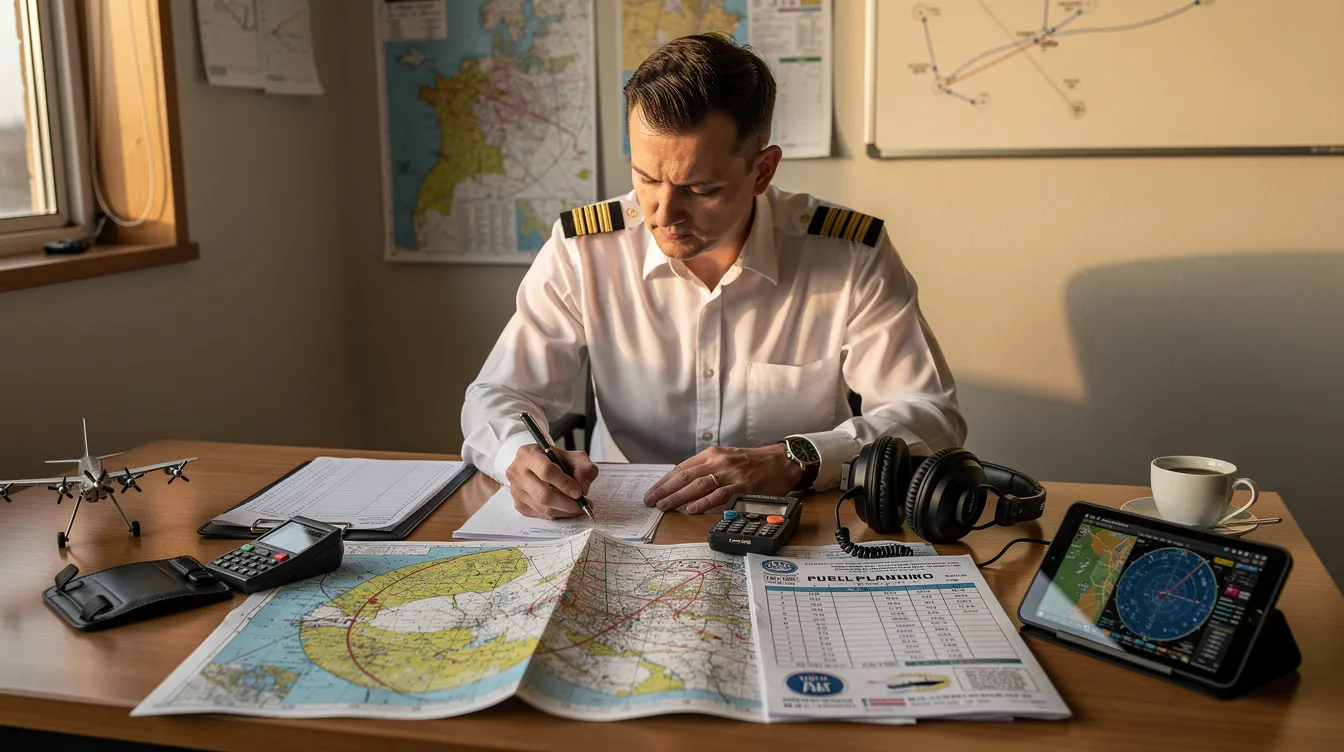
Preflight preparation and planning for IFR, including weather briefing, NOTAMs, and alternate requirements per cross country flight procedures
-
Preflight procedures including avionics setup, instrument checks, and copying IFR clearances
-
Flight solely by reference to instruments: attitude flying, climbs, descents, turns, and unusual attitude recovery
-
Navigation systems: intercepting and tracking courses, holding procedures, and course reversals
-
Instrument approach procedures: precision approaches (ILS, LPV) and non precision (VOR, LNAV, LOC), including missed approaches and circling
-
Emergency operations under IFR: partial panel, lost communications, vacuum and pitot-static failures
-
Postflight procedures including debrief and logbook or training record entries
All flight instruction must be logged and conducted by an authorized instructor in an appropriate aircraft, full flight simulator, flight training device, or aviation training device. Your instructor provides the endorsement for the required practical test.
Aeronautical Experience: Instrument–Airplane
For an instrument airplane rating under 14 CFR § 61.65(d), the most common path for private pilots, you must log:
-
50 hours PIC cross-country: Overall cross country flight time as pilot in command, with at least 10 hours of that time in airplanes
-
40 hours of instrument time: Hours of actual or simulated instrument time total
-
15 hours with CFII: At least 15 of those 40 hours of instrument flight training from an authorized instructor holding instrument-airplane privileges
-
3 hours recent training: Instrument training in an airplane within 2 calendar months before the practical test
-
One cross country flight: At least 250 nautical miles along airways or ATC-directed routing with an authorized instructor
The IFR cross-country must include an instrument approach at each airport and use of navigation systems representing at least three different approach types (e.g., ILS, VOR, RNAV GPS).
Simulated instrument time requires a view-limiting device (hood) and a safety pilot or instructor. Hours of cross country accumulated during private pilot time-building count toward the 50-hour minimum—just ensure proper documentation.
Aeronautical Experience: Helicopter and Powered-Lift
Sections 61.65(e) and (f) specify parallel requirements for instrument helicopter rating and instrument powered lift rating seekers.
Helicopter requirements:
-
50 hours PIC cross country, including 10 in helicopters
-
40 hours actual or simulated instrument, 15 with a CFII-helicopter
-
3 hours recent instrument training in a helicopter
-
One IFR cross-country of at least 100 nautical miles with approaches at each airport
Powered-lift requirements:
-
50 hours PIC cross country, including 10 in powered-lift aircraft
-
40 hours actual or simulated instrument, 15 with appropriate instructor
-
3 hours recent training in powered-lift
-
One IFR cross-country of 250 nautical miles along appropriate routing
These categories are less common than airplane, but the structure remains parallel based on the instrument rating sought.
Combined Private Pilot and Instrument Rating Courses
Some Part 141 programs combine initial private pilot certificate training with the instrument rating, popular among career-oriented students pursuing intensive training paths.
Under § 61.65(g), combined courses allow crediting:
-
Up to 45 hours of PIC cross country time with an authorized instructor for combined private pilot certificate and instrument-airplane or powered-lift
-
Up to 47 hours for combined instrument-helicopter programs
Typical Part 141 combined syllabi require approximately 65 hours of necessary ground training and around 70 hours of flight training total.
Always confirm crediting details with the flight school’s chief instructor to ensure compliance with the approved Training Course Outline.
Using Simulators and Aviation Training Devices
Sections 61.65(h)-(j) allow significant instrument time in flight simulators and training devices, reducing cost and improving procedural proficiency.
Credit limits:
-
Part 142 courses: Up to 30 hours credited from full flight simulator or flight training device time
-
Non-Part 142 training: Maximum 20 hours from FFS or FTDs
-
Basic aviation training device (BATD): Up to 10 hours when used per approved syllabus
-
Advanced aviation training device (AATD): Up to 20 hours with authorized instructor logging
Section 61.65(j) caps combined simulator/device credit at 20 hours total unless training from an authorized Part 142 program allows more.
Devices must be FAA-approved and appropriate to the aircraft category. Real-world flight schools typically blend 10-15 simulator hours for procedures, holds, and emergencies before aircraft training offering 30-50% cost savings ($50-100/hr versus $200+ for aircraft rental).
Part 61 vs. Part 141 Instrument Rating Paths
Part 61 offers flexible, instructor-driven instrument rating training ideal for part-time learners, while Part 141 provides structured FAA-approved syllabi with reduced minimum hours for full-time students.
Part 61 basics:
-
Full 50 hours PIC cross country and 40 hours instrument minimums apply
-
No formal ground-school hour requirement (though ground training is still required)
-
Schedule flexibility suits pilots who own aircraft or train part-time
-
Average completion: 6-12 months
Part 141 basics:
-
Minimum 35 hours of instrument flight training for initial instrument rating
-
Cross country requirements embedded in approved syllabus
-
Requires formal ground school (commonly 30+ hours for IR-only courses)
-
Typically faster completion with daily stage checks
Choosing your path:
-
Consider your schedule: full-time availability favors Part 141
-
Financial planning differs Part 141 may reduce total hours but requires commitment
-
The final flight test and ACS standards are identical regardless of training path
Instrument Rating Tests: Knowledge Exam and Checkride
To earn the instrument rating, applicants must pass both an FAA aeronautical knowledge test and practical test with a designated pilot examiner or FAA inspector.
Knowledge test:
-
Minimum age 15 to sit for the exam
-
Requires endorsement from ground school or authorized instructor
-
Computerized, multiple-choice format: approximately 60 questions, 2.5 hours, 70% passing score
-
Fee: approximately $150-175
Practical test (checkride):
-
Prerequisites: passed knowledge test, met all § 61.65 experience requirements, instructor endorsement
-
Oral exam portion covers IFR regulations, weather, procedures, and systems
-
Flight portion includes departures, en-route IFR, holds, approaches, missed approaches, and emergency operations
-
Evaluated against the Instrument Rating ACS
-
DPE fee: typically $600-1000
After successful completion, you receive a temporary airman certificate with instrument rating; the permanent plastic certificate arrives via mail in 6-8 weeks.
Privileges, Limitations, and Currency
Core privileges:
-
Act as PIC under IFR in controlled or uncontrolled airspace
-
Operate in IMC including inside clouds and low visibility
-
Fly aircraft using full IFR procedures at air traffic control facility-controlled airports
-
Access Class A airspace where VFR is prohibited
Currency requirements per 14 CFR § 61.57(c):
Within the preceding 6 calendar months, you must have logged:
-
At least 6 instrument approaches
-
Holding procedures
-
Intercepting and tracking courses using navigation systems
This can be accomplished in actual or simulated conditions. If currency lapses beyond 6 months, you need additional experience or an Instrument Proficiency Check (IPC) with a CFII to regain privileges.
Example: A private pilot who flies IFR only for annual vacation trips and hasn’t logged approaches in 14 months would need an IPC (typically 1-2 hours with a CFII) before flying in weather conditions below VFR minimums.
