Instrument Rating Guide: Requirements & Training
May 04, 2026
Have you ever dreamed of being able to take the controls and fly through any weather that comes your way, or simply feel a lot more at ease when navigating by the seat of your pants under Instrument Flight Rules?
If so, getting your instrument rating is going to unlock all this and so much more for you, and really take your flying to a whole new level.
In this guide we’re going to take you through the process of getting your instrument rating from start to finish looking at what you need to qualify, what training is required, and what you’ve got to do to get passed that all important exam.
Key Takeaways
-
Navigate complex airspace and adverse weather conditions with an Instrument Rating.
-
Requirements include aeronautical knowledge, flight proficiency, a valid medical certificate, and the ability to read, speak, write, and understand English.
-
Master navigation systems to prepare for the Knowledge Test and Checkride.
Navigating the Skies with an Instrument Rating
An instrument rating is an essential upgrade after earning your private pilot license, allowing you to fly under Instrument Flight Rules (IFR) and operate in lower-visibility conditions when the aircraft, weather, regulations, and your personal minimums allow.
An instrument rating is a real game-changer for pilots, it not only teaches you how to handle low visibility and bad weather but it also lets you access all the instrument procedures that make for a lot more efficient flying.
Getting your instrument rating also gives you a great boost in terms of aeronautical knowledge and you'll get a lot more confident in handling all the instrument flight maneuvers and stuff.
Earning an instrument rating also strengthens your aviation knowledge and improves your ability to handle instrument flight maneuvers and procedures with confidence.
As an instrument-rated pilot, you’ll be able to
-
Execute IFR flight plans, simplifying navigation through complex airspace
-
Fly in inclement weather
-
Expand your flying territory
-
Tackle challenging flight conditions
Having mastered instrument flight rules and procedures gives you the confidence to know you can tackle anything that comes your way.
Throughout your instrument flight training, you’ll learn how to plan IFR flights, understand clearances, and complete cross-country procedures safely and confidently.
Near the end of your course, you’ll also practice IFR cross-country navigation and learn how to respond to real-world emergencies, including communication failures, avionics problems, and other abnormal situations.
Eligibility for Instrument Rating: Are You Qualified?
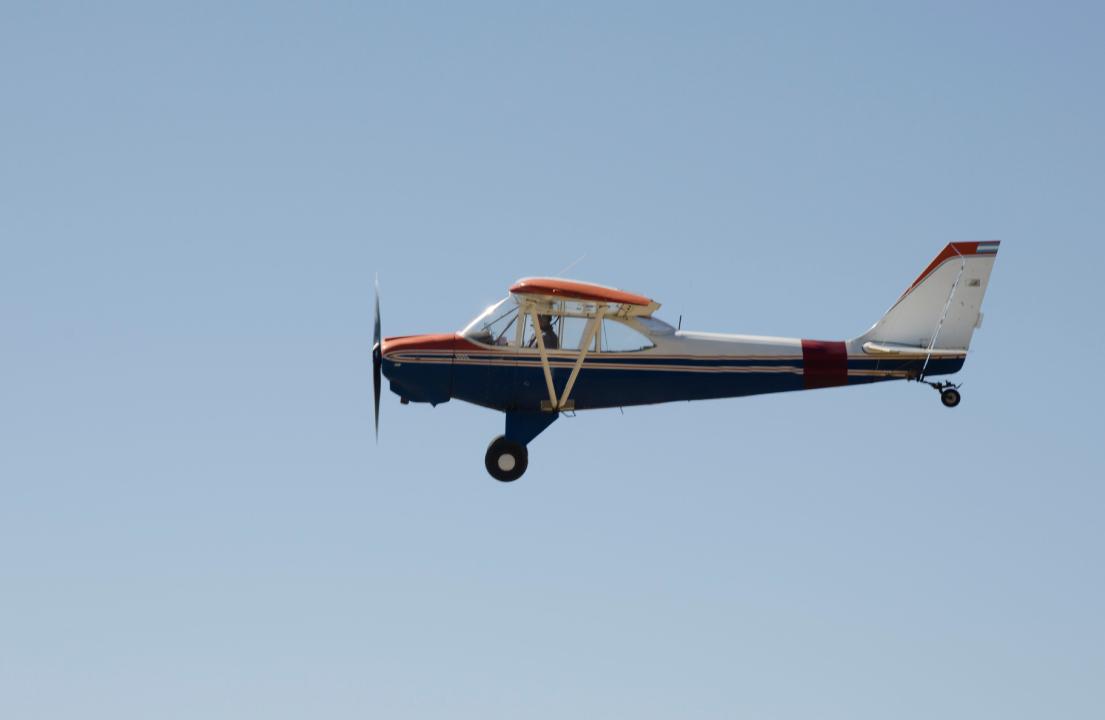
Before taking the first step towards getting your instrument rating, double-check you meet the necessary eligibility requirements, including holding a current private pilot certificate. To get an instrument rating, you'll need to meet the requirements for instrument rating, including:
-
a solid grasp of aeronautical knowledge
-
the ability to fly with confidence
-
a current medical certificate
-
a decent handle on the English language
As well as these basic qualifications, there are also specific hours and experiences you need to rack up.
We'll break down the aeronautical knowledge, flight proficiency, medical and language requirements you need to become a fully-fledged instrument-rated pilot.
Aeronautical Knowledge Prerequisites
You can't get an instrument rating without a solid grounding in aeronautical knowledge. This means getting your head around stuff like:
-
weather its patterns, cloud formations, and all the rest\
-
navigation charts, instruments and systems what they are, how they work and the procedures you need to follow
-
how to make sense of weather reports and forecasts
-
and all the impending doom that can come with bad weather hazards, wind shear, all that jazz
Not just weather, mind you'll need to know your way around FAA regulations too, and be proficient with navigation systems like VOR, GPS, and ADF.
To get yourself ready for this exam, you'll want to get familiar with some top-notch study resources like The Pilot’s Manual: Instrument Flying, the FAA Instrument Flying Handbook and the Instrument Procedures Handbook.
Flight Proficiency Milestones
To show you've got what it takes to fly safely under the radar, you'll need to meet a certain number of flight hour milestones. That means you'll need to have at least 40 hours of actual or simulated time navigating through instrument conditions.
You'll also need to log a total of 50 hours of cross country flying time, with at least 10 of those hours spent flying instruments.
You can focus on getting good at instrument procedures and flying instrument maneuvers, and before you know it you'll be a pro.
Instrument rating requirements also encompass a range of practical skills and experiences, such as:
-
Showing you can complete an IFR cross-country flight of at least 250 nautical miles using airways or routing assigned by air traffic control.
-
Executing an instrument approach at each airport
-
Performing three different types of instrument approaches using navigation systems such as ILS, VOR, GPS, or other approved equipment.
Getting to this point will make sure you have the skills and experience to fly safely under instrument rules and not get scared of the dark.
Medical and Language Requirements
It's no secret that being a pilot is a tough job that requires you to keep a cool head even when weather gets rough.
To get your instrument rating, you'll need a medical certificate from the Federal Aviation Administration. Don't worry, you can get this by checking out the FAA website.
Communication is key when it comes to flying, and that means being able to speak, write and understand English like a native.
You'll need to be able to chat with air traffic control and other pilots on the same wavelength.
The Path to Instrument Rating Certification

Once you confirm that you’re eligible for an instrument rating, you’ll begin a structured training program that combines ground school with in-flight instruction.
This program will give you the lowdown on the theory behind instrument flying but that's not all. You'll also pick up essential skills and learn exactly what you need to do to get your hands on that certification.
Below we'll break down the log ground training material, the focus of in-flight training, and the steps you'll need to take to actually get that instrument rating on your pilot's license.
Ground Training Syllabus
The syllabus for instrument rating ground school is carefully designed to give you the theory and understanding you need to tackle instrument flying.
Which means you'll be studying up on things like:
-
Regulations and procedures
-
Instrument navigation and communication systems
-
Instrument approach procedures
-
Weather analysis and interpretation
-
Aircraft systems and performance in instrument conditions
-
Human factors and crew resource management
-
Emergency procedures and equipment
To effectively prepare for your instrument rating, you’ll need to study a range of topics, such as:
-
Interpreting aircraft instruments
-
Instrument failures and their effects
-
Instrument departure procedures
-
Instrument enroute procedures
-
Instrument arrival and approach procedures
-
Flight training requirements
-
Instrument training requirements
Building a strong foundation in these areas will help you feel prepared and confident throughout your instrument rating training.
In-Flight Training Focus

In-flight training for your instrument rating focuses on putting IFR knowledge into practice. You’ll work with an authorized instructor, often a CFII, to develop the skills needed to fly using instruments, manage procedures, and operate in actual or simulated instrument conditions.
This hands-on training helps you build confidence in real-world IFR situations, including navigation, approaches, communication, and decision-making under instrument flight rules.
Checking Off the Requirements
As you move through your instrument rating training, you’ll need to pass the required exams and demonstrate flight proficiency before earning your rating.
The Checkride that's the part of the process where you get to put all your knowledge and skills to the test.
It's not a piece of cake you'll have to show that you can fly to the required standards, using your instruments to navigate and guide you through every part of the flight.
To get through this part of the course with flying colors, you're going to have to be well-prepared that means a lot of practice, a lot of study, and a real strong grasp of the material.
Its not going to be easy, but if you put in the effort, it'll be worth it in the end.
Cost Analysis of Instrument Rating Training
Getting your instrument rating is a big deal it's an investment in your future as a pilot that's worth making. The cost can add up though tuition, materials, and all those flight hours aren't cheap.
To get a handle on what you're looking at, you might want to explore any financing options or funding programs that are out there.
Of course getting your instrument rating is about more than just spending money it's also an investment in your skills and your future earning potential, but just as importantly its about staying safe up there too.
If you plan ahead and make a realistic budget for your instrument rating training, you can avoid financial headaches down the line and focus on becoming the pilot you want to be.
Timeline to Instrument Rating Completion
The timeline to get your instrument rating will depend on loads of variables how often you can fly, how much time you've got to dedicate to training and how quickly you pick up the skills.
Don't forget your individual circumstances can throw a curve ball, like bad weather, plane troubles and just how many hours in a week you can realistically commit to training.
Typically full-time students manage to zip through the whole thing in 2-3 months but your own timeline might be influenced by all sorts of things like how much flying you do, the weather, the plane you're in and your own personal schedule.
Sticking at it and making time for both the ground work and flying sessions will set you up to nail the skills you need to navigate by instruments.
Preparing for the Knowledge Test and Checkride
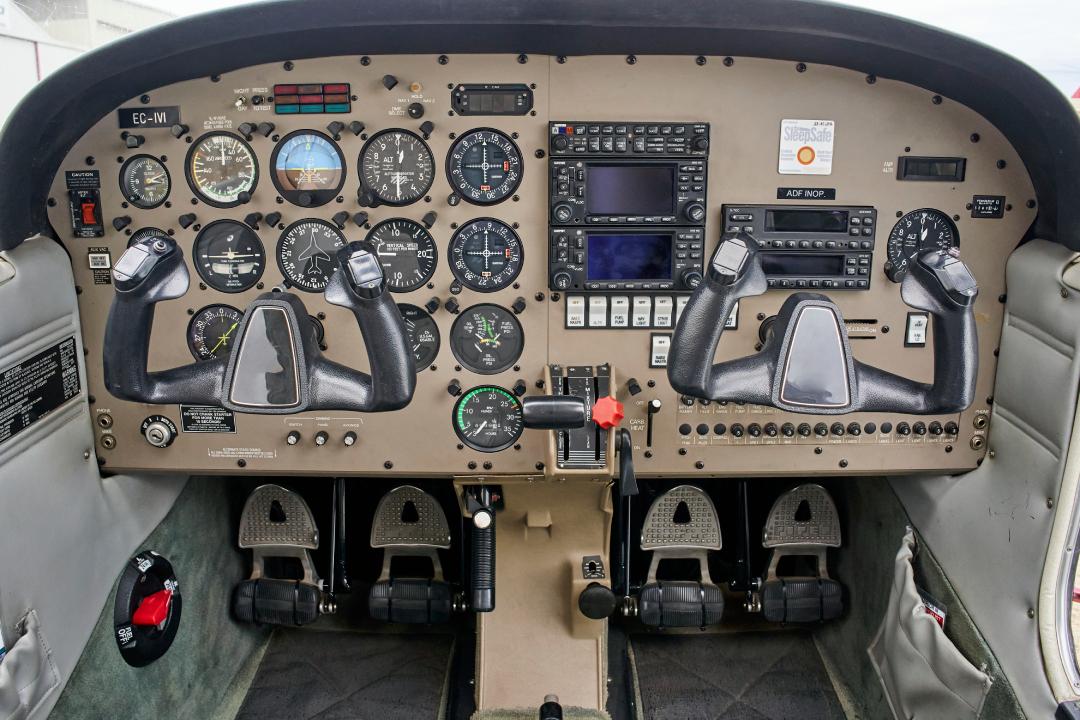
As you near the end of your instrument rating training, make sure you're fully prepared for the big day the knowledge test and your practical flight checkride.
Here are some top tips to study smart and get the grades and skills you need.
-
Use question banks and practice tests to check your understanding and find the topics you need to review more carefully.
-
Use comprehensive study guides to review all the necessary information.
-
Consider enrolling in a formal ground school course if you want structured lessons, clear guidance, and a more organized way to prepare.
Using the right study tools and training resources can help you build strong IFR knowledge and feel more prepared for the oral portion of your checkride.
By following these study tips and using the right resources you can build a rock solid understanding of all the theory and fly with confidence, so you can pass your checkride and land that all important rating.
After the Rating: Continuing Your Pilot Journey
With your private pilots license & instrument rating safely in the bag, you're now ready to start thinking about what comes next on your flying adventure.
Next up is the commercial pilot license and getting this one is a must if you want to turn flying into a career.
You'll be able to fly people for money and open the door to a whole range of awesome career options like working for a big airline, a regional carrier, teaching others how to fly, or loads of other things.
Building on the skills you learned through your instrument rating is going to put you in a great place to really succeed in whatever part of the aviation world you choose to work in and reach for the sky.

Frequently Asked Questions
What does an instrument rating do?
An instrument rating allows pilots to fly under Instrument Flight Rules (IFR), which means they can safely navigate using aircraft instruments instead of relying only on outside visual references.
It also allows pilots to fly in lower-visibility conditions, operate in controlled airspace more confidently, and use IFR procedures such as clearances, routes, holding patterns, and instrument approaches.
It is a challenging and rewarding rating that can be very valuable to pilots.
How hard is it to get instrument rated?
Getting instrument rated can be challenging because it requires both strong IFR knowledge and precise flying skills.
You must also show the FAA examiner you are proficient in the complex world of instrument operations. But with diligent study and practice, this admirable goal is absolutely within reach!
What are instrument type ratings?
An instrument rating allows a pilot to fly under Instrument Flight Rules (IFR) by using aircraft instruments instead of relying only on outside visual references.
It requires training in IFR navigation, procedures, approaches, weather decision-making, and instrument flying skills.
How much should an instrument rating cost?
Instrument rating to cost between $7,000 and $9,000, as set out by the FAA. Most students require more training than the minimum requirements, so costs may be slightly higher.
What is the minimum flight time required for an instrument rating?
For an instrument rating, you must have a minimum of 40 hours of actual or simulated instrument time.
