PPL vs CPL: Key Differences Explained for Pilots
Apr 08, 2026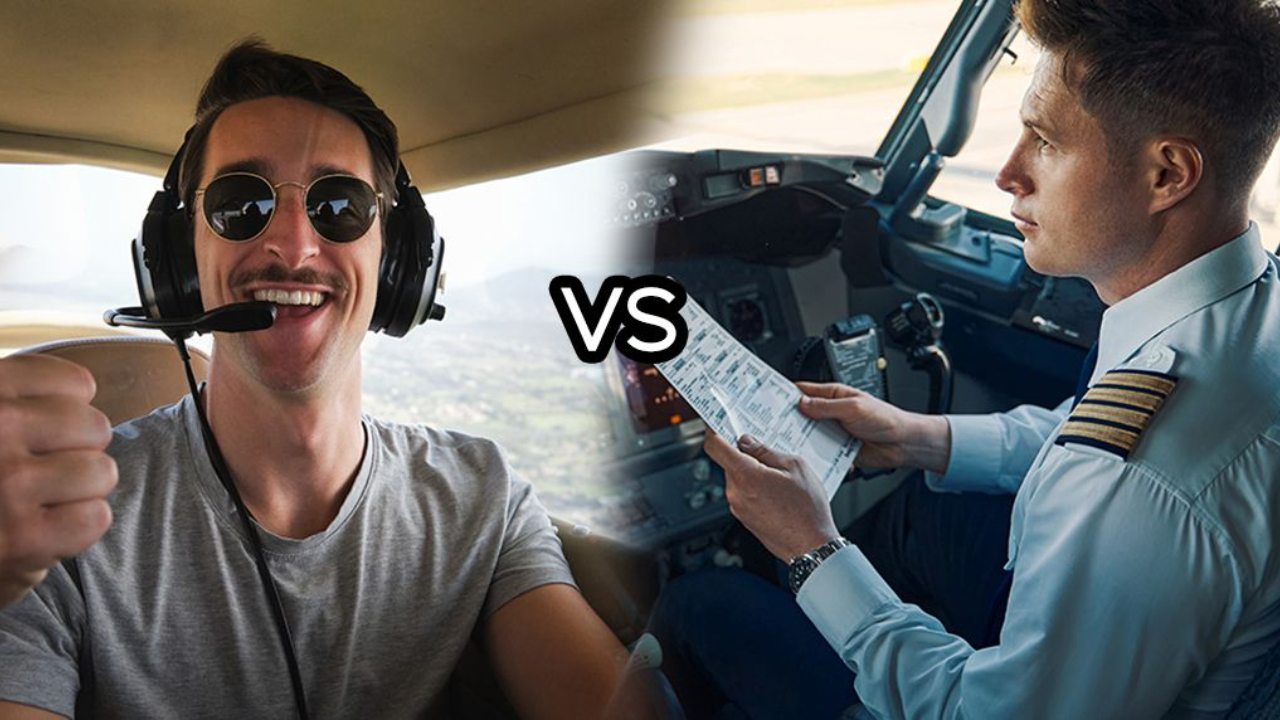
If you're gearing up to start your aviation adventures in 2026, you're about to find yourself at a fork in the road with two basic licenses: the private pilot license (PPL) and the commercial pilot license (CPL).
These two foundation stones are going to be key players in your fixed-wing flying career, and getting a handle on the difference between them should be your number one priority before you commit to a bunch of costly flight training.
The main thing to keep in the back of your mind is pretty clear cut: a private pilot's license lets you fly for fun, not for profit no getting paid for flying as the pilot in command.
On the other hand, a commercial pilot's license is your ticket to flying for a living you can earn a paycheck for your piloting skills.
This article's got the lowdown on what you need to do now to get your license, roughly what it's going to cost, and about how long it'll take, all based on the latest figures from the FAA and typical data from US flight schools.
Don't worry if you're in a different country, though regulations can vary from place to place. Whether you're looking to fly just for fun or you're mapping out a whole flying career for yourself, you'll figure out which pilot license is right for your aviation aspirations.
PPL vs CPL at a Glance
Before diving into details, here’s a quick comparison to help you understand where each license fits. The table below summarizes the biggest differences between these two pilot certification paths.
|
Factor |
PPL |
CPL |
|---|---|---|
|
Purpose |
Personal enjoyment and travel |
Professional flying for pay |
|
Compensation |
Cannot earn money (cost-sharing only) |
Can receive salary or per-flight pay |
|
Minimum Age |
17 (FAA) |
18 (FAA) |
|
Typical Flight Hours |
60-70 (40 minimum) |
250+ total time |
|
Approximate US Cost |
$12,000-$20,000 |
$60,000-$90,000+ (from zero) |
|
Common Outcomes |
Weekend flying, family trips |
Airlines, charter, instruction |
Which license fits you? If you want to fly on weekends with family and friends, sharing costs on cross country trips, a private pilot license is likely your destination.
If you’re aiming for career opportunities at airlines, charter operations, or as a flight instructor, you need to plan for a commercial pilot license CPL from the start.
What Is a Private Pilot License (PPL)?
A private pilot license PPL is the first full pilot license that allows you to act as pilot in command of light aircraft for non commercial purposes.
It’s the foundation of pilot training worldwide, regulated by authorities like the FAA in the United States, EASA in Europe, and DGCA in India. In the U.S., the FAA PPL is the standard starting point for pilots who want to fly legally for personal travel, recreation, and experience-building.
PPL Purpose and Privileges
The PPL is a license for people who love to fly by air and just want to travel in their own two wings without putting in all the hard work to become a professional pilot.
With a private pilots license you'll be able to fly single engine planes, as long as you can see in decent light, and carry some mates and family on board for a trip to see the in laws or a new holiday destination.
You can share the costs of flying with passengers, like petrol, oil and airport parking but you can't make a profit out of it.
So no selling seats to the highest bidder, no flying round doing aerial photography for cash in hand, and no pulling banners for a fee.
Loads of pilots use their PPL for just a casual day out, like flying to an airport that's just round the corner for a bit of lunch with friends, then heading back home. It's just flying for fun, not about making a buck.
PPL Eligibility and Medical Requirements
Under FAA regulations, you can solo at 16 and receive your license at 17. Most other authorities also set the minimum at 17 years old.
You’ll need a third-class medical certificate (or use BasicMed for general aviation), which has relatively straightforward requirements: correctable vision to 20/40, no disqualifying cardiovascular conditions, and English proficiency.
These are some of the cores PPL Requirements every student pilot needs to meet before moving forward with training.
No university degree or specific educational background is required, though basic math and spatial awareness help during training. You simply need to pass the appropriate ratings and demonstrate competency.
PPL Training Syllabus and Flight Hours
Getting a PPL means you do some classroom time learning the rules, weather, navigation, and how to stay sane while flying, and at the same time you fly loads of hours.
The FAA says at least 40 hours of training, with 20 hrs done with an instructor, and 10 on your own, but realistically most people take around 60-70 flying hours before they're ready to go solo.
That's because the weather doesn't always co-operate, and the instructor is on your case about doing every last detail perfectly.
Your training hours progress through distinct phases: basic maneuvers and stall recovery, then circuits and landings, followed by navigation flights and controlled airspace procedures.
You’ll typically solo around 10-15 hours, complete cross country flights by 20-30 hours, and take your checkride after demonstrating you can fly safely across all required scenarios.
PPL Duration and Cost (with Concrete Ranges)
Full-time ppl training can be completed in 2-3 months, while part-time schedules often stretch to 6-12 months depending on weather and instructor availability.
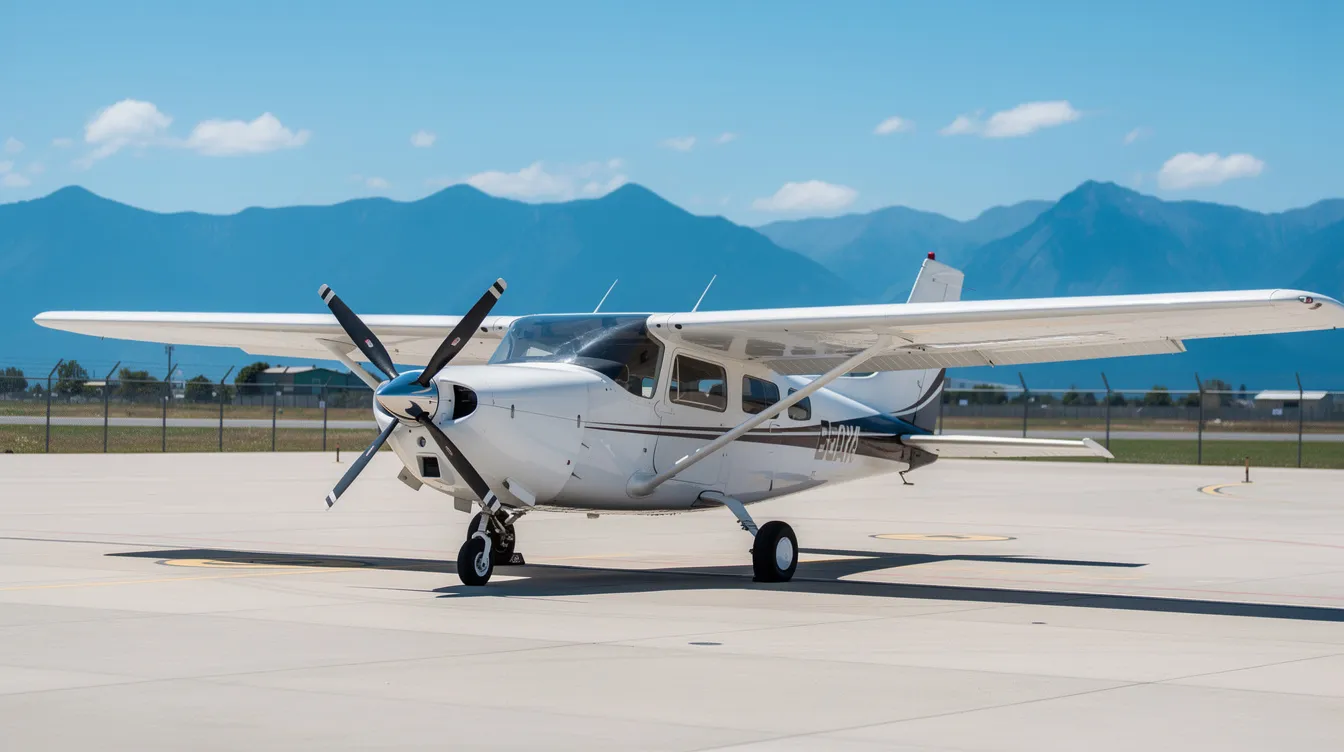
Many US flight school programs charge $12,000-$18,000 for a complete PPL in a Cessna 172, though busy metro areas with glass-cockpit aircraft can push costs above $20,000.
|
Region |
Typical Hours |
Approximate Total Cost |
|---|---|---|
|
United States |
60-70 |
$12,000-$20,000 |
|
United Kingdom |
50-60 |
£9,000-£15,000 |
|
India |
60-70 |
₹20-25 lakh |
Major cost drivers include aircraft rental ($150-300/hour), instructor fees, fuel surcharges, and exam fees.
Who Should Choose a PPL?
A private pilot license suits aviation enthusiasts, business owners wanting regional flexibility, and anyone looking to share flying with family.
A software engineer doing weekend trips in California or a UK entrepreneur visiting clients in a PA-28 are perfect PPL candidates.
Many pilots also use the PPL as a stepping stone most pilots who eventually reach the airlines started here before pursuing cpl training and beyond.
What Is a Commercial Pilot License (CPL)?
A commercial pilot license is the first certification that legally allows you to receive compensation for flying passengers, cargo, or performing aerial work. It builds on private pilot skills while adding more hours, advanced maneuvers, and professional-level precision.
CPL Purpose, Privileges, and Typical Jobs
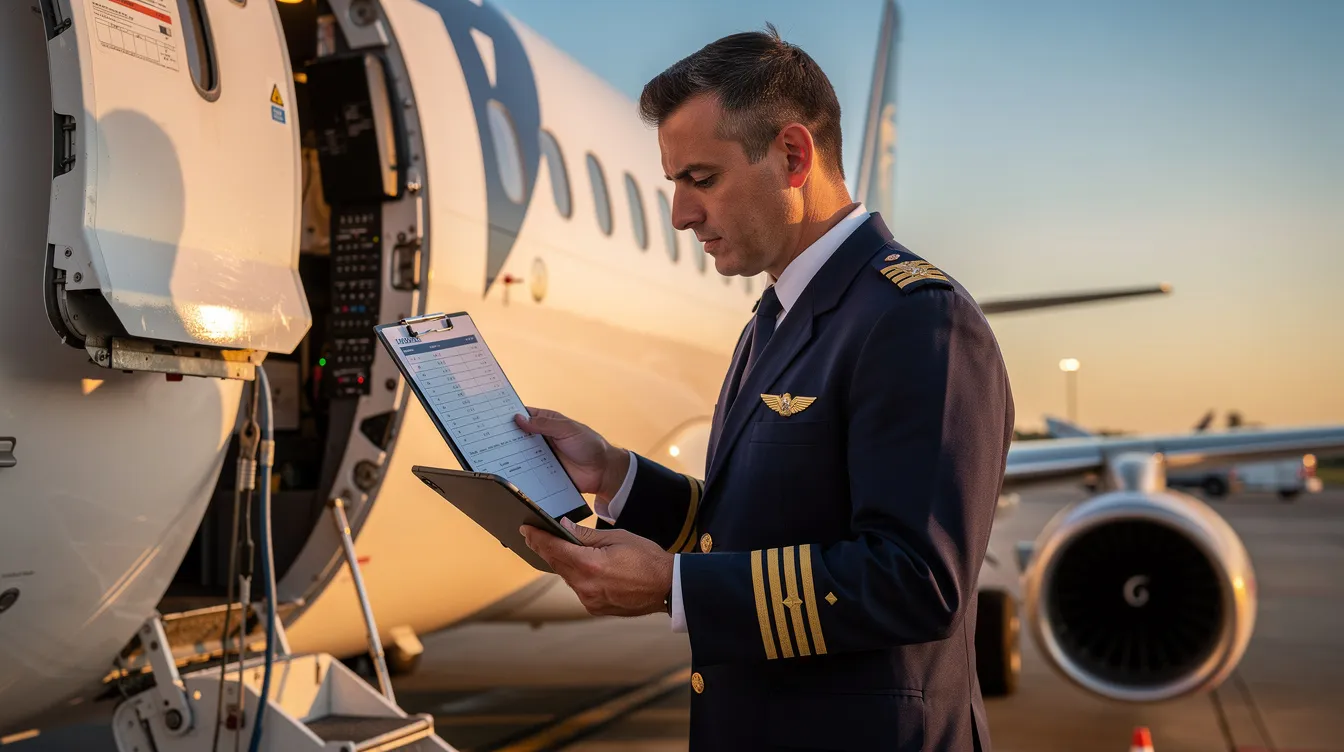
When you get your CPL license things start to open up for you: you can start flying for hire, get in on charter flights, do some cargo work, fly corporate executives around or do some aerial survey work. You're also allowed to take charge of the aircraft being used for hire and get paid a salary or get paid per flight.
But just to be clear, having a CPL license on its own wont get you a job as a captain on a big airliner you'll still need to get a bunch of other certificated and probably even a airline transport pilot license on top of that.
When it comes to breaking in as a CPL newbies, in say 2026 or 26 you can pretty much expect to land a job as a flight instructor and bring in $30,000 to $50,000 per year, or you could be doing something like banner towing, pipeline work, some scenic tours or flying passengers for a charter operation.
All of it actually helps build up your experience and gets you moving toward that higher-end certification.
CPL Eligibility and Medical Requirements
The minimum age for a commercial license is 18 under FAA, EASA, and most other authorities. You’ll need a first-class or second-class medical certificate with stricter standards: near/far vision correctable to 20/20, cardiovascular screening, and overall health requirements beyond those for recreational flying.
In modular training paths, you must hold a PPL before beginning CPL flight training. Integrated ab initio programs accept students with zero experience but include PPL-equivalent training within the curriculum. Solid English proficiency is mandatory for international operations.
CPL Flight Hours and Training Requirements
CPL training requirements significantly exceed PPL standards. FAA Part 61 requires at least 250 total flight hours with specific breakdowns:
|
Requirement |
FAA Part 61 Minimum |
|---|---|
|
Total Flight Time |
250 hours |
|
PIC Time |
100 hours |
|
Cross-Country |
50 hours |
|
Instrument Time |
10 hours |
|
Complex Aircraft |
10 hours |
Training covers complex aircraft systems, precision maneuvers like chandelles and lazy eights, commercial cross country flights, night operations, and emergency procedures under workload.
Ground school training expands to advanced performance calculations, weight and balance, and detailed commercial flight planning.
CPL Duration and Cost
Integrated CPL programs from zero experience typically take 9-18 months full-time. Costs in the US range from $70,000-$90,000+ for a complete package including instrument rating and multi engine rating. European integrated courses often exceed €80,000, while Indian DGCA CPL runs ₹60-75 lakh.
|
Training Phase |
Approximate US Cost |
|---|---|
|
PPL |
$15,000 |
|
Hour Building (100-150 hrs) |
$20,000 |
|
CPL + IR + Multi-Engine |
$45,000 |
|
Total |
$80,000+ |
Modular training lets students spread costs over several years, paying as they progress through each rating.
Who Should Choose a CPL?
Target candidates include anyone wanting aviation as their primary professional career airlines, regional carriers, business jets, or aerial services.
Typical profiles range from recent graduates entering ab initio programs to working professionals changing careers in their 20s-30s.
Expect irregular hours, recurrent training, and ongoing medical renewals. A CPL represents multi-year career planning, not just a single license.
Key Differences Between PPL and CPL
|
Aspect |
PPL |
CPL |
|---|---|---|
|
Purpose |
Personal freedom and recreation |
Professional career |
|
Can Earn Money? |
No (cost-sharing only) |
Yes |
|
Minimum Age |
17 |
18 |
|
Medical Class |
Third-class |
First- or second-class |
|
Minimum Flight Hours |
40 |
250 |
|
Typical Total Cost (US) |
$12,000-$20,000 |
$60,000-$90,000+ |
|
Instrument Flying |
Optional add-on |
Typically required |
Both licenses share core airmanship skills, but CPL standards demand higher precision, better workload management, and deeper regulatory knowledge. The legal distinction is clear: involve flying for pay sightseeing tours, pipeline patrol, charter pilot work, or flight instructor roles and you need a commercial license.
Training Path: From PPL to CPL
The common modular journey follows this sequence:
-
Complete PPL (40-70 hours)
-
Build hours to 150-200 total through personal flying
-
Add Instrument Rating (40-50 additional hours)
-
Complete CPL training and checkride
-
Consider Multi-Engine Rating for twin-engine jobs
A realistic timeline: starting PPL in mid-2026, completing it by year-end, then spending 12-18 months building more hours and finishing CPL/IR requirements, reaching employability around 2028.
Financing and Managing the Cost from PPL to CPL
The combined investment rivals a university degree, requiring serious financial planning. Students commonly use personal savings, bank loans, aviation-specific financing, and scholarships from organizations like EAA. Create a realistic budget including living expenses during full-time phases not just school invoices.
Domestic vs International Training Routes
Many students from Asia or Europe train in the US for lower hourly rates and better weather. However, license conversion back home requires additional exams and flight time. An Indian student completing FAA CPL in Florida still needs DGCA conversion with 100 hours PIC and local tests. Research your eventual country of employment’s requirements before committing to overseas pilot training.
Career Outlook After CPL (and Beyond)
CPL is a major milestone, not the endpoint. Boeing forecasts 602,000 new pilots needed globally by 2042, creating strong career opportunities for qualified professional pilots.
Building Flight Hours and Experience
Many pilots work as Certified Flight Instructors post-CPL, reaching 1,000-1,500 hours within 2-3 years while earning money. Other hour-building options include skydiving pilot, aerial photography, surveying, and air taxi services.
Varied flight experience across different airfields and weather conditions improves employability.
Toward Airline Transport Pilot License (ATPL)
The airline transport pilot license is the highest certificate, required to captain multi-crew airliners. Requirements include age 21-23+, 1,500 total hours, ATPL written exams, and airline-level checkrides. The “frozen ATPL” concept allows CPL holders with completed theory exams to work as airline first officers while building hours toward full ATPL.
How to Decide: PPL vs CPL for Your Situation
Ask yourself these questions:
-
Do I want to earn money from flying, or is this for personal enjoyment?
-
Can I commit full-time for 1-2 years and invest $70,000+?
-
Am I prepared for a professional career with irregular hours and ongoing training?
If flying is primarily a passion or tool for personal travel, PPL is usually your destination. If your aim is a professional cockpit seat, plan for CPL and likely ATPL from the start even if you begin with private pilot training.
Research local regulations, visit at least two or three flight schools in person, and request detailed training outlines with cost breakdowns.
Whether you choose PPL or pursue a full aviation career through CPL, both paths begin with the same first step: scheduling a discovery flight and talking with an advisor about your realistic plan. Book that introductory lesson, and your aviation journey officially begins.
