Certified Flight Instructor Instrument (CFII)
May 06, 2026
Getting your CFII rating is arguably one of the smartest career moves you can make as a pilot gunning for an airline gig.
This ancillary qualification lets you teach instrument flying skills while racking up paid hours a path that over 70% of new airline recruits have taken during their build-up phase.
What Is a CFII and Why It Matters
A Certified Flight Instructor Instrument (CFII) is an extra bit of certification that you can add to your existing flight instructor rating, courtesy of the FAA.
This extra bit of paper lets you teach the instrument bits of the training required for airmen working toward an instrument rating, plus the instrument sides of the commercial pilot and airline transport pilot certificates.
The main game for a certified flight instructor instrument is all about teaching pilots how to stay safe when flying in instrument meteorological conditions where visibility is near zero.
Come 2026, the CFII rating is still a must-have for commercial pilots who want to build up quality hours in the air while earning a paycheck.
Key CFII responsibilities include:
-
Instructing precision and non-precision approaches (ILS, RNAV, VOR, LOC)
-
Teaching holding patterns, ATC communications, and IFR procedures
-
Conducting instrument proficiency checks and flight reviews
-
Preparing instrument students for the checkride through scenario-based training
-
Emphasizing risk management for hazards like inadvertent IMC entry
CFII Eligibility and Regulatory Requirements
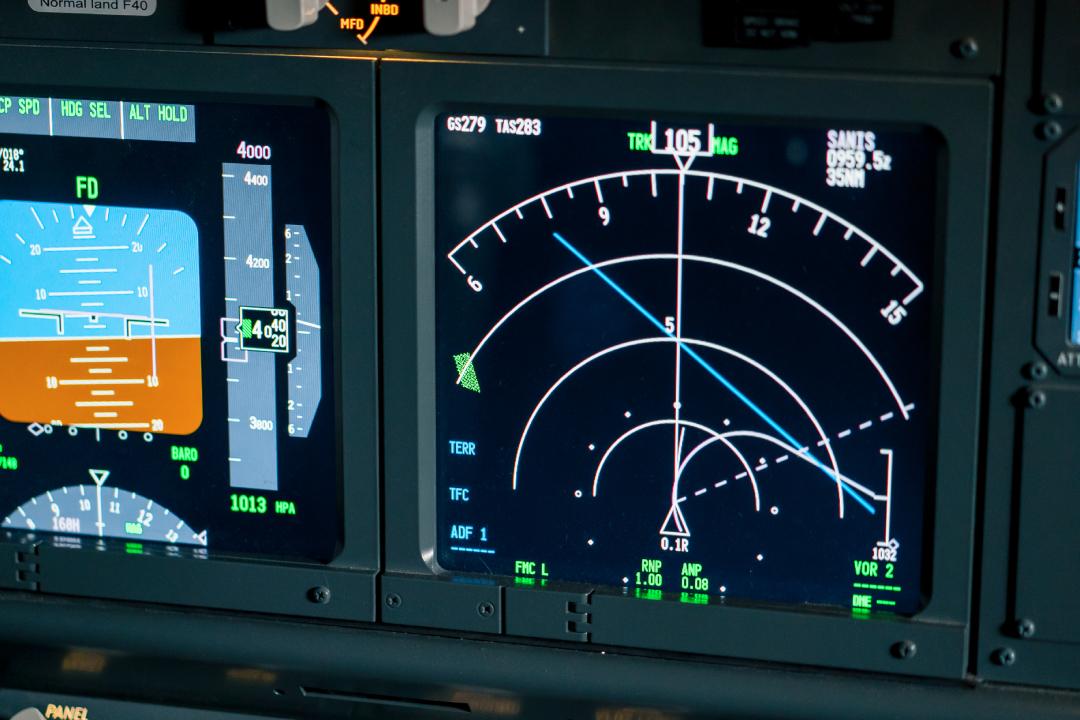
You're going to need to meet some pretty specific requirements to be considered for the Certified Flight Instructor Instrument (CFII) certification, which all fall under federal aviation administration regulations in 14 CFR Part 61, but specifically sections 61.183 through 61.197.
Before you can even start a application, you've got to tick a few boxes and complete the required training for CFII applicants:
-
Hold a commercial pilot certificate or ATP certificate with an instrument rating in the applicable category and class
-
Be at least 18 years of age
-
Ability to read, speak, write, and understand the English language
-
Possess a valid medical certificate (typically second-class for career pilots)
-
Log minimum experience requirements including 15 hours PIC time in the relevant category
-
Meet instrument proficiency standards under § 61.57
-
Obtain logbook endorsements from an authorized instructor covering fundamentals of instructing and all areas of operation per § 61.187(b)
Training Path: From Instrument Pilot to CFII
The typical progression is: Private Pilot → Instrument Rating → Commercial Certificate → CFI (and then almost inevitably) CFII although some people do manage to get their CFII right away after getting their initial CFI certification.
Training shifts gears from getting decent yourself to really mastering the art of teaching. On the ground, you'll be learning all about IFR rules, instrument systems, how ATC works, and planning your lessons by the latest Airman Certification Standards, building on the required instrument training completed during your instrument rating.
Flight training typically includes 10-20 hours from the right seat:
-
Holding patterns and course interception/tracking
-
Precision and non precision approaches
-
Partial-panel operation and unusual attitude recovery
-
Mock checkrides with scenario-based maneuvers
You can expect to lay out anywhere from $5,000 to as much as $8,000 for the whole CFII training. The idea is to develop your teaching abilities, not just get proficient at flying, but managing a plane and students at the same time.
CFII Knowledge Test, Practical Exam, and Certification
Candidates must pass the FAA Flight Instructor Instrument (FII) knowledge test at authorized testing centers. The exam covers IFR regulations, weather theory, instrument procedures, and instructional techniques.
The practical exam unfolds in two phases:
|
Phase |
Duration |
Content |
|---|---|---|
|
Oral |
2-4 hours |
Teaching presentations, lesson plans, regulatory knowledge |
|
Flight |
1.5-2.5 hours |
Right seat instruction, approaches, emergencies |
Using an instrument oral exam guide can help CFII candidates prepare for the oral portion by reviewing IFR regulations, teaching scenarios, instrument procedures, and common examiner questions.
First-attempt pass rates hover around 75% nationally. Prepare by completing at least one mock checkride. Upon passing, the examiner issues a temporary certificate on-site, with the permanent certificate arriving by mail within 6-8 weeks.
Military Instructor Pilot Path to CFII
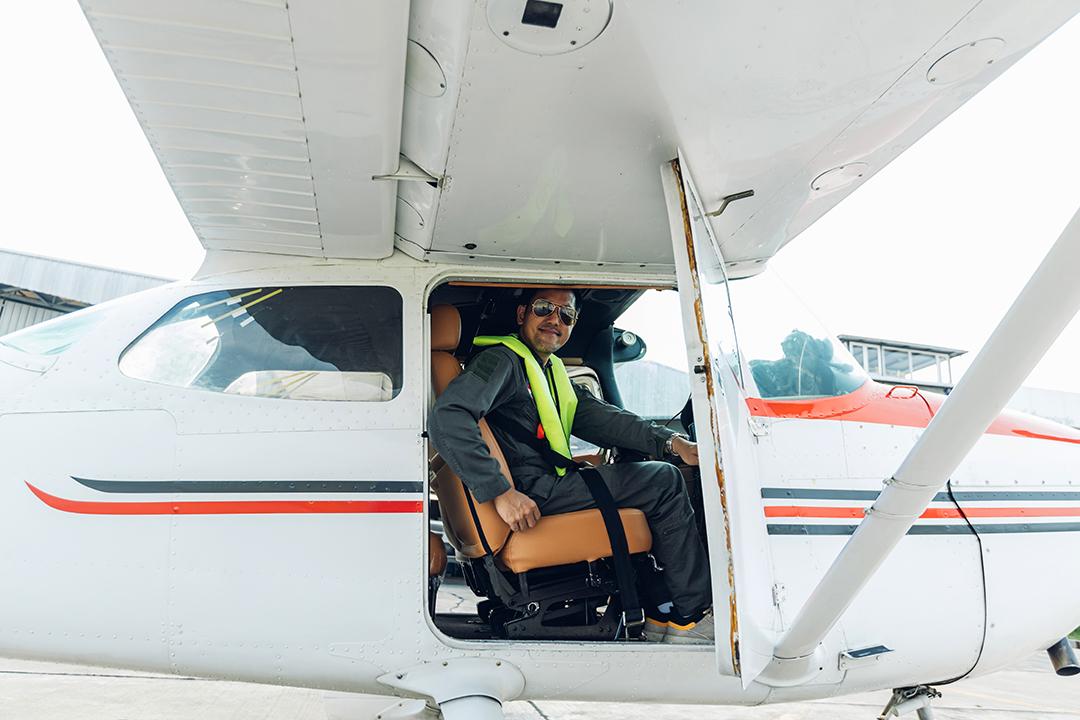
Qualified military instructor pilots can obtain CFII privileges through Military Competence Instructor pathways under 14 CFR § 61.73.
Required documentation includes:
-
Official records verifying completion of an approved instructor pilot course
-
Evidence of passing an instructor proficiency check
-
For Navy/Marine aviators: NATOPS instructor pilot letter from the commanding officer
You'll also need to take a test on your instructor knowledge within 24 months of signing up unless you already have another flight instructor certificate.
The good news is you can save yourself maybe 10 grand or more by taking this route instead of doing it the civilian way.
Certificate Privileges, Uses, and Renewal
With your CFII, you'll be able to provide instrument training to other pilots and get paid for it which is how you make a living as a flight instructor.
It's also a way to build your own skills and judgment as a pilot, and it's a requirement for getting a lot of hours at the controls that airlines look for when they hire pilots.
Renewal options every 24 calendar months under § 61.197:
-
Complete an FAA-approved Flight Instructor Refresher Course (FIRC)
-
Pass a practical test for any instructor rating
-
Meet activity thresholds with high student pass rates
And just think the more you teach, the more you get to fly yourself, and that's a great way to stay sharp and keep your skills up to date.
Don't forget to keep your logbook in order, it's required for renewal and insurance, and it's also good to have all that history of your flying career on hand.
