How to Become a Corporate Pilot: Step-by-Step Guide
Jul 01, 2026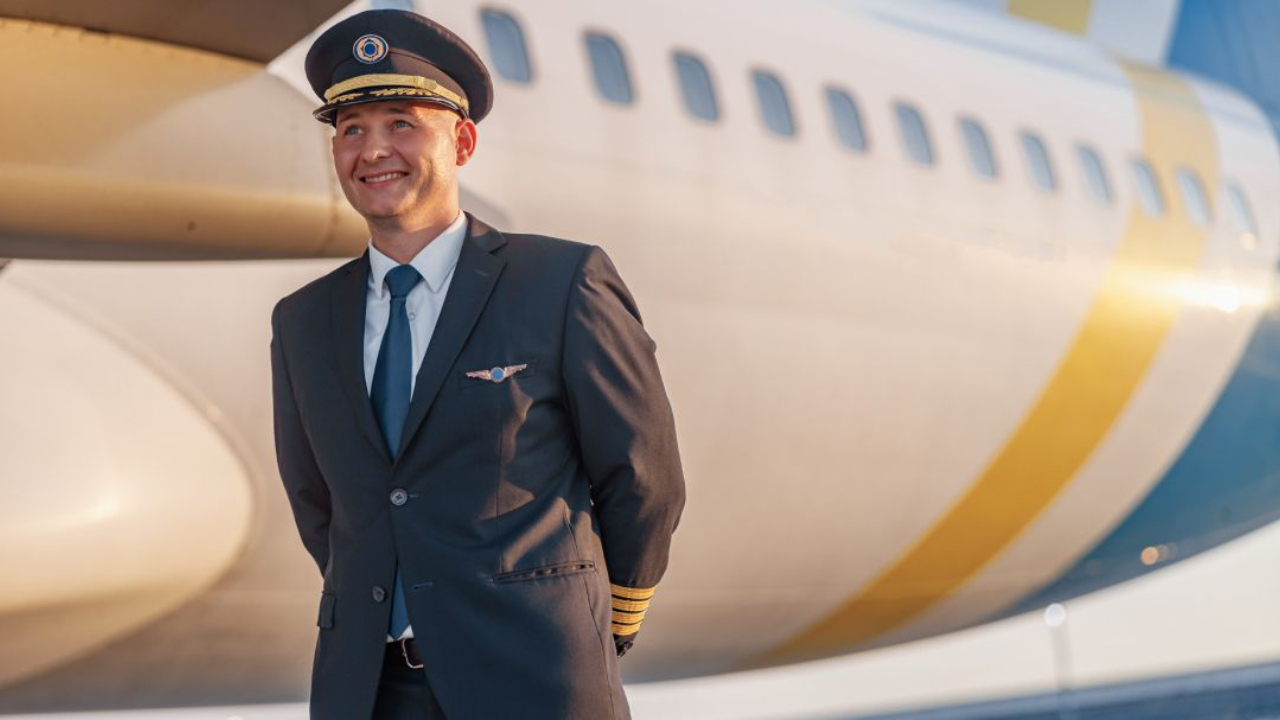
Dreaming of soaring luxury jets and flying to exclusive destinations? Learn how to become a corporate pilot with our comprehensive guide.
Discover the essential steps, certifications, and skills needed to launch a rewarding career in corporate aviation. Start your journey to the cockpit today!
What Is a Corporate Pilot and Why This Career Is Different
A corporate pilot flies corporate aircraft business jets and turboprops for companies, wealthy individuals and charter services in corporate aviation.
Unlike airline pilots who have to stick to set routes and rigid schedules, corporate flying means you get to fly to all sorts of different places, with a small crew and up close interaction with your passengers which often are high-profile executives or C-suite bigwigs, where professionalism is a core expectation.
Some of the most common employers in this field are:
-
Fortune 500 flight departments that are run to perfection
-
Wealthy individuals who own aircraft and have the means to keep them flying
-
Part 135 charter operators who fly private planes for a fee
-
Fractional ownership programs like NetJets and Flex jet
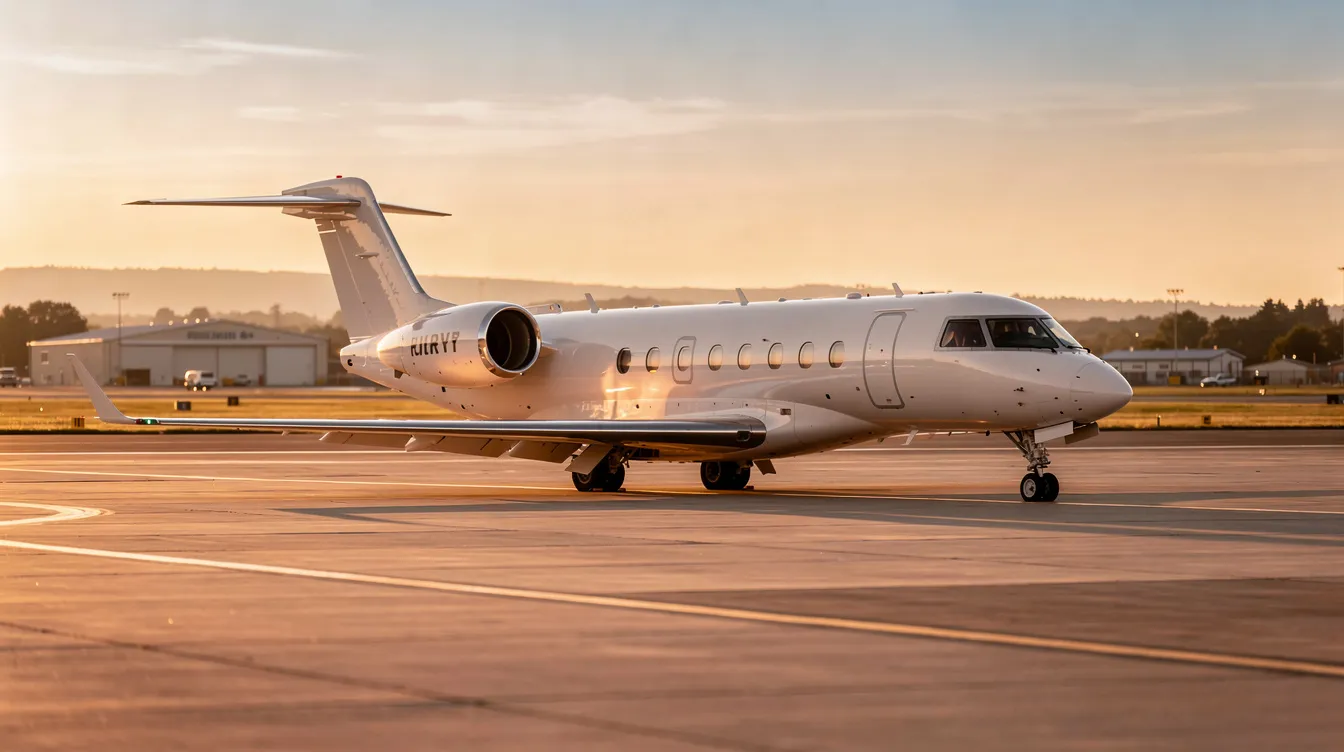
As for the aircraft, they can range from turboprops like the King Air to small business jets like the CJ4 to medium-sized jets for bigger groups to the big boys like the Gulfstream G500 or the Global 7500.
Most corporate planes have two or more engines, and corporate pilots have to be able to fly single and multi-engine planes depending on what's required of the job.
What really attracts a lot of pilots to this job is the freedom, the camaraderie on the crew and the ability to fly to the more exclusive and hidden airports that the airlines never touch, making it feel more like a way of life.
Corporate pilots also do a lot of the legwork when it comes to planning and coordinating flights talking to agents on the ground, doing safety checks with the passengers and basically making sure everything runs smoothly.
And as you might imagine, a smile, a drink and some good company on board are also part of the gig.
Step 1: Take a Discovery Flight and Confirm the Career Fit
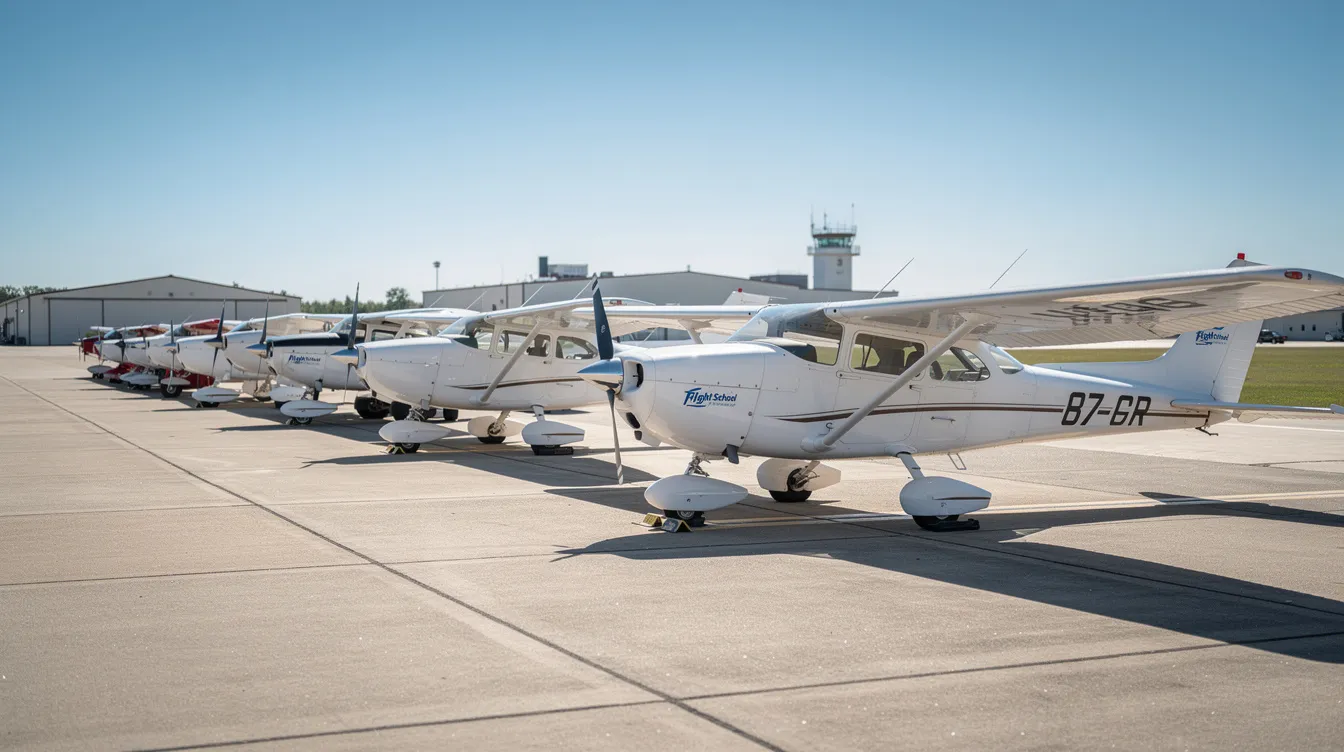
A discovery flight is a 30–60-minute intro flight in a small trainer like a Cessna 172, one of the small aircraft most pilots begin with, where you, the student pilot, actually handle the controls under an instructor's guidance.
It's the first step in the entire path. If you are still learning How to become a pilot, a discovery flight is one of the best ways to confirm whether aviation is the right path before investing in full training.
Your first lesson typically includes a preflight briefing, basic maneuvers like turns and climbs, and a debrief where your instructor discusses next steps in pilot training.
Use this time to evaluate more than just the "fun factor." Pay attention to your comfort level, how you handle motion, and whether the idea of mastering complex systems genuinely excites you.
Most U.S. flight schools offer discovery flights costing roughly $100–$250 as of 2024–2026, and they can be scheduled year-round in good-weather states like Florida, Arizona, and Texas, with fewer weather delays.
Bring specific questions for the instructor about the corporate pilot path, realistic training timelines, and what it takes to go from zero flight time to a corporate cockpit.
Step 2: Choose the Right Flight School for a Corporate Aviation Path
The flight school you choose at the start can really make all the difference in the kind of habits you form, the attitude to safety you develop and just how quickly you're able to get yourself a job flying corporate jets.
Choosing the wrong one is like throwing money down the drain a top school on the other hand will have you up and flying in no time.
Key criteria to evaluate:
-
Fleet quality: Late-model trainers with glass cockpits (e.g., Cessna 172S with Garmin G1000) prepare you for modern corporate avionics.
-
Instructor experience: Ask whether instructors or leadership have corporate pilot backgrounds. A mentor who has flown private jets can guide you far more effectively.
-
Structure: Part 141 programs offer structured curricula and may reduce required hours. Part 61 schools offer more flexibility. University aviation programs add networking and a degree but cost more.
Step 3: Earn Your Private Pilot License (PPL)
The first step is obtaining a Private Pilot License. You need a Private Pilot License to start your journey toward any professional flying career. This private pilot certificate is the legal foundation for every rating that follows.
FAA regulations set the minimum requirements for the private pilot certificate at 40 flight hours under Part 61, but in the US, 55 - 70 hours is a far more realistic goal for getting where you want to be. With a private pilot's license you can take some of your pals or the family out for a spin in a plane like a Cessna 172, day or night, as long as you're not flying for pay.
Now, passing the checkride is pretty important of course, but what's even more important is building good habits during your PPL training: things like always religiously using checklists, keeping your radio comms crisp and clear, and monitoring weather conditions before each flight.
And don't forget good decision making that's all going to come in handy later on when you're flying corporate.
-
Target timeline: 3–6 months with consistent flying
-
Approximate cost: $10,000–$18,000 depending on aircraft rates, instructor fees, and pace
Step 4: Add an Instrument Rating (IR) for All‑Weather Professional Flying
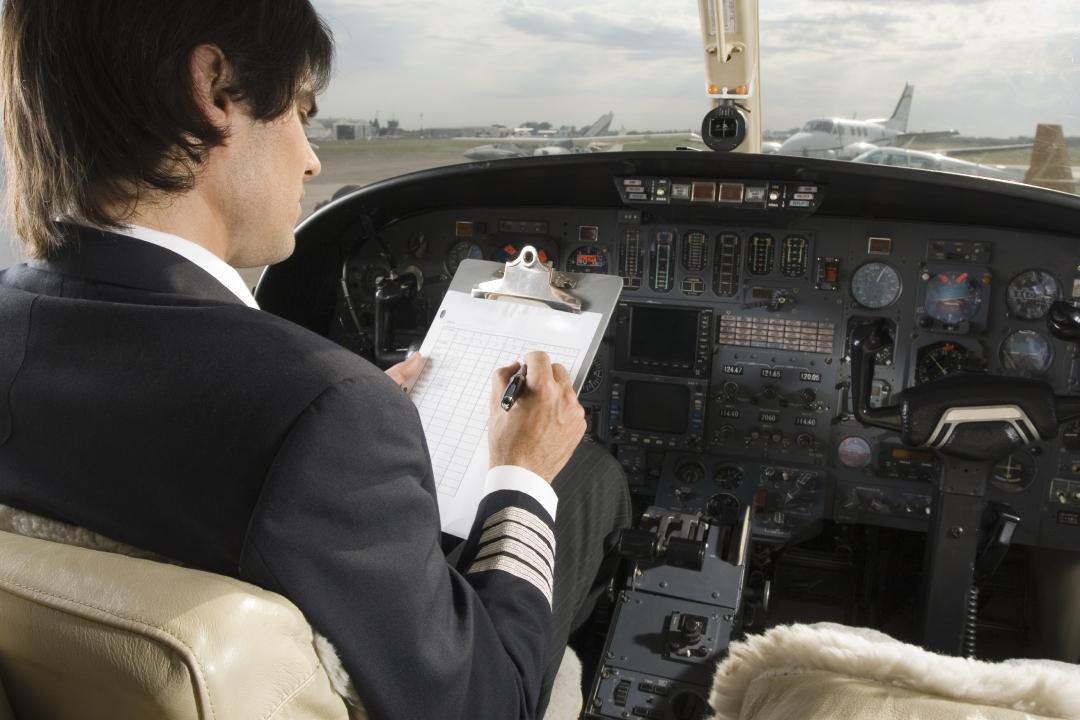
Having an Instrument Rating lets you fly under Instrument Flight Rules which means you can actually fly when the weather's bad and visibility is low. And if you want to be a corporate pilot, you need one it's a must-have. Without it, you're basically not in the running.
Typically, it'll take around 40 hours of instrument flying to get the job done though some pilots end up putting in 45 to 60 hours to really feel confident and competent.
The thing is, corporate flight departments are out there in all sorts of weather, so you need to be able to handle it, including flying instrument approaches and landing safely in poor visibility when you can barely see a thing.
Key skills developed:
-
Flying solely by reference to instruments
-
GPS and FMS navigation
-
Interpreting advanced weather products
-
Managing significantly higher cockpit workload
Realistic cost: $8,000–$15,000 depending on aircraft, avionics, and whether time is combined with commercial training. Duration is typically 2–5 months.
Step 5: Obtain a Commercial Pilot Certificate
A commercial pilot license is basically the key to getting paid for flying it opens up every single professional aviation opportunity out there. For most students, the best way to become a commercial pilot is to build a strong private pilot foundation, add an instrument rating, and then train toward the commercial certificate with consistent flying and clear hour-building goals.
And that means it's a pretty big deal: To get it, you'll need to log at least 250 hours under part 61, with a decent balance of cross-country, night, and actual PIC time tossed in.
Now The commercial rating syllabus focuses on the really important stuff: precision flying, managing your aircraft's energy levels, and of course looking after passengers with care.
Think of it like the difference between "good enough to get you from A to B safely" and being able to fly so smooth and so professional that people actually trust you with their aircraft.
Getting a commercial pilot certificate wont make you a corporate jet captain overnight but it will give you the right to take on roles with a lot of potential for building hours like flight instructing, banner towing, or aerial survey work and actually get paid for it.
Estimated incremental cost: $15,000–$25,000 beyond your instrument-rated private pilot certificate, depending on how hours are built.
Step 6: Build Flight Time as a Flight Instructor or in Other Entry‑Level Roles
Most corporate pilots need 1,500 flight hours for first officer jobs. That gap between 250 hours at commercial and 1,500 hours for employment is where the real grind begins. Corporate hiring minimums for a co pilot role typically sit around 1,000–1,500 total flight time, with a preference for recent, varied flying experience.
Becoming a Certified Flight Instructor helps build initial flight hours efficiently. Pilots often build hours by becoming Certified Flight Instructors. Flight instructing is the most common route to accumulate hours quickly while being paid ($30,000–$60,000/year). A full-time flight instructor can log 500–900 hours per year.
Instructing sharpens communication, situational awareness, and safety judgment, all of which are highly valued in corporate cockpits.
Alternative hour-building options include:
-
Aerial surveying and pipeline patrol
-
Skydiver flying
-
Part 135 single-engine charter
-
Scenic tour operations
Building a strong reputation for reliability and safety in these early jobs is as important as the raw total flight time. Your first job in aviation sets the tone for your entire pilot career.
Target Flight Time Milestones for Corporate Flying
|
Milestone |
Total Hours |
What It Unlocks |
|---|---|---|
|
Commercial certificate |
250 |
Legal ability to be paid; CFI eligibility |
|
Early professional roles |
500–800 |
Entry to survey, charter, tour flying |
|
Corporate SIC eligible |
1,000–1,500 |
Competitive for corporate co pilot roles |
|
Captain track |
2,500+ |
Considered for PIC upgrade on midsize jets |
Many insurers and operators prefer at least 100–200 hours of cross-country PIC and meaningful night and IFR experience. These insurance requirements often shape which turbine and light-jet roles help pilots progress toward better corporate opportunities.
Some premium flight departments may ask for 2,500+ total hours and 500+ multi engine time for captain-track roles.
Log any exposure to turbine aircraft, high-altitude operations, and international flying separately on your resume. Maintain a clean record: no accidents, violations, or DUIs. These can severely limit corporate opportunities.
Networking is critical for finding corporate pilot job opportunities. Many corporate pilot jobs are filled through referrals before being publicly listed. Attending industry conferences helps build connections in corporate aviation. Talk to other pilots at every opportunity.
Step 7: Add Multi‑Engine and Turbine Experience
Multi-engine proficiency is essential for corporate aviation roles. Most corporate aircraft are multi engine and turbine powered, making both multi engine time and turbine time crucial for any serious corporate gig.
The multi engine rating syllabus covers engine-out procedures, Vmc demonstrations, asymmetric thrust management, and more complex systems. Typical training runs 10–20 hours in a twin like a Piper Seminole or Beechcraft Baron.
Realistic cost: $3,000–$8,000 depending on aircraft and location.
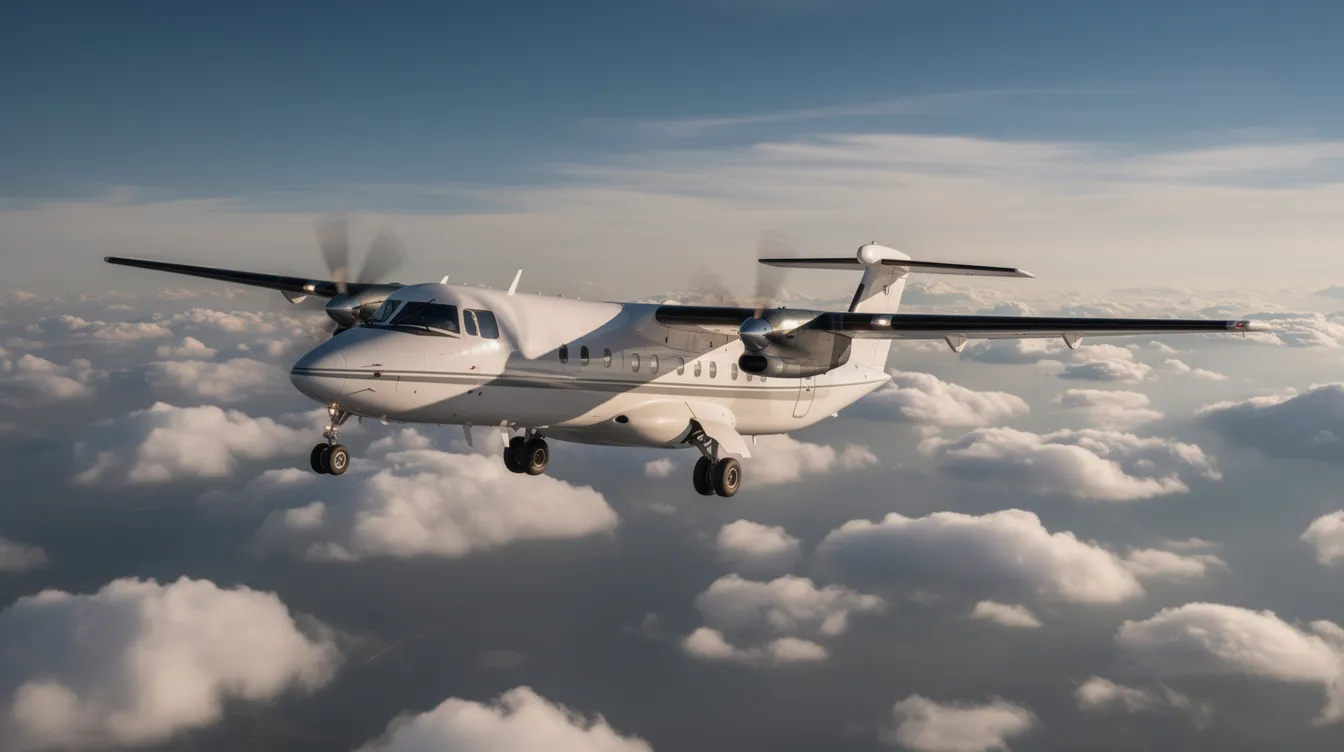
New commercial pilots often gain initial turbine experience through right-seat roles in turboprops or light jets in charter operations, or SIC positions in Part 91 flight departments.
Pilots need turbine experience for serious corporate roles, and insurers often look for specific turbine hour thresholds (500–1,000 turbine hours) before approving pilots as captains on larger jets.
Step 8: Land Your First Corporate Co‑Pilot Job
This is the big leap from focusing on training to actually flying in the corporate world. In corporate aviation, pilots usually start out as First Officers on midsize jets, flying alongside a seasoned captain who's been around the block, and landing a first corporate co-pilot job usually means being flexible with rapidly changing schedules.
Typical minimum requirements for entry-level corporate SIC roles:
-
Around 1,000–1,500 total hours (corporate pilots typically need 1,500 flight hours for jobs)
-
100–250 multi engine hours
-
Current IFR proficiency
-
Clean FAA record
Main employer types include Part 91 corporate flight departments, Part 135 charter companies, and fractional ownership programs. Core duties go beyond flying: assisting with flight plan creation, performance calculations, preflight and post-flight checks, and in-flight customer care for passengers.
Corporate pilots often fly heavy passenger aircraft in business configurations and typically fly to exclusive airports and private terminals that airlines never visit.
Realistic first-year salary: $60,000–$110,000+ depending on aircraft size, schedule, and location as of mid-2020s.

Step 9: Upgrade to Corporate Captain and Long‑Range Jets
Reaching the top spot as a captain on a midsize or large jet is a big deal it means being the boss with all the responsibility that comes with it. For many pilots the journey to this point can take anywhere from 5 to 10 years from getting their first lesson.
Common upgrade expectations:
-
3,000+ total hours
-
Upgrading to captain on high-performance jets requires 1,000 to 2,000 turbine hours
-
Several hundred hours in type with a spotless safety and training record
-
An Airline Transport Pilot certificate is typically required to pilot larger corporate jets
Employers typically sponsor aircraft-specific type ratings (e.g., CL-350, G500, Global 7500) for promising pilots. Captain duties extend beyond flying: supervising crew, overseeing maintenance coordination, handling international paperwork, and direct contact with owners.
Captains of large-cabin jets earn between $150,000 and $300,000+ annually. Glassdoor data puts the median for all corporate jet pilots at roughly $224,000/year, with the 25th–75th percentile spanning $168,000–$313,000.
Experienced captains may eventually advance into chief pilot positions, where they oversee flight operations, pilot hiring, training standards, and safety management within a corporate flight department.
A First-Class FAA medical certificate is necessary for corporate pilots at this level, and maintaining a current First-Class FAA Medical Certificate requires an annual physical exam.
Typical Timeline, Training Costs, and Financial Planning
Becoming a corporate pilot requires obtaining FAA certifications and building flight experience over a sustained period. Here is a realistic snapshot from zero to corporate co pilot:
|
Stage |
Timeline |
Approximate Cost (2024–2026) |
|---|---|---|
|
PPL |
3–6 months |
$10,000–$18,000 |
|
Instrument Rating |
2–5 months |
$8,000–$15,000 |
|
Commercial + Multi Engine |
4–8 months |
$18,000–$33,000 |
|
CFI/CFII ratings |
2–4 months |
$5,000–$12,000 |
|
Hour building to 1,500 |
1–3 years |
Earned income offsets cost |
|
Total |
~2–5 years |
~$60,000–$100,000+ |
Most pilots take about 2–5 years to become corporate pilots with full-time, consistent effort. Long-term success also depends on handling the job’s working conditions, including rapidly changing schedules and the professionalism expected when serving executives.
Budget for extras beyond base training: a quality aviation headset ($800–$1,200), iPad with EFB subscription, written exam fees, FAA medical exams, and checkride fees ($700–$1,000+ each).
Financing options include aviation specific loans, scholarships from organizations like AOPA and NBAA, GI Bill benefits for eligible veterans, and pay-as-you-go structures at many flight schools.
Working as a flight instructor or survey pilot during the hour building phase helps offset loans while building the required flight hours.
