Best Way to Become a Commercial Pilot: Guide
Jul 02, 2026
Becoming a commercial pilot involves a multi-step process focused on training and certification. You earn licenses sequentially from Private Pilot to ATP, building skills, ratings, and flight hours along the way.
In this guide, you’ll see the best way to become a commercial pilot in 2026, including FAA requirements, training paths, costs, timelines, and how aspiring pilots move from the first lesson to paid flying jobs.
Quick Answer: The Most Efficient Path to a Commercial Pilot Career
The fastest common route in 2026 is: earn a private pilot certificate, add an instrument rating, complete a commercial pilot license, become a certified flight instructor, build flight hours, then qualify for airline transport pilot certification.
This is the best way to become a commercial pilot for most civilian students because it turns training into paid experience as quickly as possible.
Most pilots who want a commercial airline pilot career follow this order: private pilot → instrument rating → commercial pilot certificate → multi engine rating → CFI/CFII/MEI → airline transport pilot certificate. Most pilots start their careers as First Officers at regional airlines before moving toward a major airline.
Core milestones:
-
Age 16: eligible to solo an airplane with a student pilot certificate, medical, and instructor endorsement.
-
Age 17: eligible for a private pilot certificate.
-
Age 18: you must be at least 18 years old to obtain a Commercial Pilot License.
-
Age 21: possible restricted ATP for certain university or military pathways.
-
Age 23: eligible for unrestricted Airline Transport Pilot privileges.
-
40 flight hours: FAA minimum for a Private Pilot Certificate under Part 61.
-
250 flight hours: a Commercial Pilot Certificate requires at least 250 flight hours under Part 61.
-
1,500 flight hours: to qualify for an Airline Transport Pilot Certificate, log 1,500 flight hours.
Most students can earn a commercial pilot license in 7–12 months if they train full time in a structured training program. It typically takes 1 to 2 years to become a commercial pilot, while a typical total timeline to a passenger airline job is about 2–3 years from zero time, depending on how quickly you build flight hours.
Your two main paths are:
-
Civilian flight school: faster control over location and pace, but expensive.
-
Military or air force route: world-class military training and pay while training, but highly competitive with years of military service.
The aviation industry is currently seeing high demand for pilots with opportunities for career changers. Retirements, expanding fleets, and airline growth make 2026 a strategic time to begin training.
What Does It Mean to Become a Commercial Pilot?
Becoming a commercial pilot means you get to be paid for flying but don't get it twisted, it doesn't automatically qualify you to fly a plane for an airline. Commercial pilots can end up flying all sorts of aircraft - charter planes, cargo planes, survey planes or even corporate jets for big companies.
If business aviation interests you, learning how to become corporate pilot can help you understand the additional ratings, flight hours, and professional skills needed to move from commercial training into corporate jet operations.
Plus, there are those who fly to teach new pilots how to fly but air-line pilots who fly regular scheduled passenger jets typically need to get a higher-level ATP certificate and abide by some pretty strict rules.
A private pilot certificate allows flying for personal or recreational use only, not compensation or hire. A commercial pilot certificate opens the door to paid work, but each commercial pilot job may require extra ratings or specialized training.
Typical responsibilities include:
-
Making safe go/no-go decisions before and during flights.
-
Navigation, weather review, and flight planning.
-
Communicating clearly with air traffic control.
-
Managing passengers, cargo, fuel, performance, and aircraft limits.
-
Maintaining professional judgment during complex aircraft operations.
Common paid flying jobs include charter, business jets, cargo, aerial survey, air ambulance, pipeline patrol, skydiving operations, and flight instructor roles.
Step 1 – Decide If a Commercial Pilot Career Is Right for You
A career as a pilot can be pretty rewarding, but the reality is the life of a pilot just isn't always easy to predict. Come 2026 & professional pilots might well be starting their day before the sun is up, working late into the night, commuting, working on weekends, holidays and even spending time away from home.
Now the good news is that the long term benefits can make it all worth it top pay and a job where you get to take responsibility.
Research these factors before you begin flight training:
-
Airline schedules often involve 75–100 monthly flight hours, plus duty time.
-
Commuting to base can add unpaid travel time.
-
Nights, weekends, and holidays are common early in the career.
-
Many aspiring pilots should interview at least two established airline pilots or flight instructors.
-
Medical and background issues matter early; you need an FAA medical certificate and a clean safety record.
-
Take a low-cost discovery flight at a local airport before committing to a full training program.
Step 2 – Check You Meet 2026 FAA Eligibility & Medical Requirements
The federal aviation administration regulates pilot training and certifications in the United States. FAA rules set the minimum standards before you can begin training, solo, and earn a commercial pilot license.
Key requirements:
-
16 years old to solo a powered airplane.
-
17 years old for a private pilot certificate.
-
18 years old for a commercial pilot certificate.
-
21 years old for restricted ATP in approved paths.
-
23 years old for full airline transport pilot privileges.
-
English proficiency: read, speak, write, and understand English.
-
The FAA requires a third-class medical certificate to solo an airplane.
-
Commercial pilots must obtain a second-class medical certificate.
-
You must pass a second-class medical exam to become a commercial pilot.
-
First-class medical certificates are required for airline pilots.
-
TSA vetting may apply, especially for non-U.S. citizens.
Get at least a second class medical certificate early, before paying large deposits to a reputable flight school. Common issues such as recent DUI history, major criminal records, substance problems, or untreated medical conditions can delay certification. FAA medical standards are summarized in the FAA’s medical certification guidance.
Step 3 – Choose the Best Training Path: Civilian Flight School vs Military/Air Force
The two main ways to become a pilot for paid flying are civilian training programs and military aviation through the U.S. air force, Navy, Marine Corps, Army, Coast Guard, or Air National Guard.
Civilian Part 61 training:
-
Flexible schedule at local flight schools.
-
Pay-as-you-go structure.
-
Good for students balancing work or school.
-
Often takes 2–4 years if part-time.
Civilian Part 141 training:
-
FAA-approved syllabus.
-
Offered by many flight academy and aviation college programs.
-
Can reduce requirements, such as commercial at about 190 hours instead of 250.
-
Better suited to full-time pilot training.
Integrated programs combine ground school, simulator sessions, and flying into an accelerated format. Some advertise 9–12 month tracks from zero time to commercial pilot license with ratings.
Military route:
-
Competitive selection.
-
All military branches offer pilot training programs.
-
Often requires an 8–10 year commitment after earning wings.
-
Provides world-class training, complex aircraft, and military flight experience.
In simple terms: Part 61 is flexible, Part 141 is structured, accelerated academies are fastest, and military training is lowest direct cost but highest obligation.
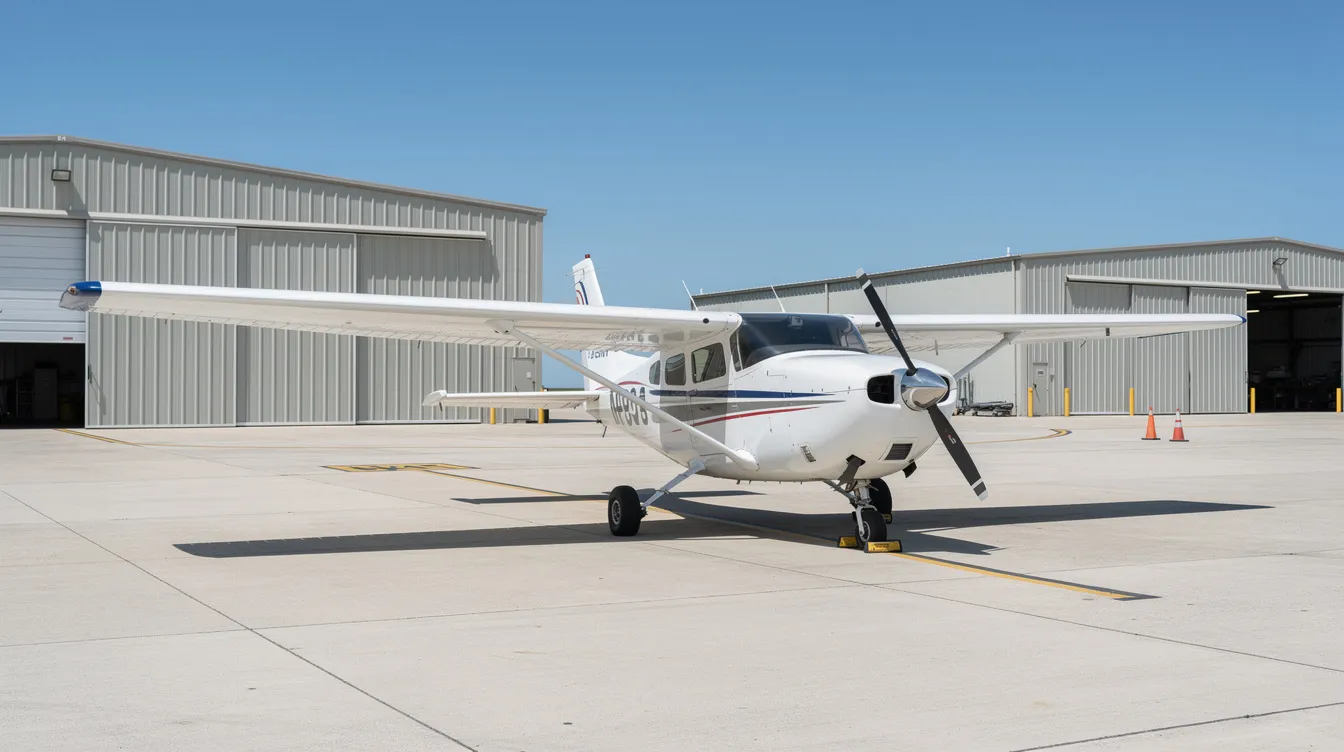
Step 4 – Apply for a Student Pilot Certificate and Begin Ground School
First things first you gotta get that student pilot certificate and start hitting the books in ground school. You're gonna want to fill out an application through IACRA, the FAA's Integrated Airman Certification and Rating Application, and then get it vetted by a flight instructor, a DPE, or an FAA inspector.
What to expect:
-
Temporary approval may arrive quickly, while the plastic certificate often takes about 2–3 weeks in 2026.
-
Ground school covers aerodynamics, regulations, weather, navigation, aircraft systems, and human factors.
-
You can complete ground school in person, online, or through a blended flight school program.
-
A strong theory foundation can shorten later flight training because you spend less cockpit time relearning basics.
Step 5 – Earn Your Private Pilot Certificate (PPL)
Earn a Private Pilot Certificate as the first step. If you are researching how to get aviation license, the Private Pilot Certificate is usually the first major license step before moving into instrument, commercial, or airline training.
A Private Pilot License is required before applying for a Commercial Pilot License, and the private pilot license ppl stage builds the foundation for every later pilot certificate.
Training includes:
-
At least 40 hours under Part 61, though many students need 55–70.
-
About 35+ hours in approved Part 141 programs.
-
Dual flights with a certified flight instructor.
-
Solo flights, cross country flying, night flying where required, and radio communication.
-
Basic maneuvers, takeoffs, landings, emergency procedures, and navigation.
-
FAA written exam plus a practical checkride with oral questioning and flight demonstration.
Full-time students often finish in 3–6 months. Part-time students may take 6–12 months, depending on weather, budget, and schedule.
Step 6 – Add an Instrument Rating to Fly in All Weather
An instrument rating is essential for any serious commercial aviation path. Pilots can obtain an Instrument Rating (IR) to fly under Instrument Flight Rules (IFR), also called instrument flight rules, in clouds and low visibility.
Typical FAA requirements include:
-
At least 50 hours of cross-country pilot-in-command time.
-
At least 40 hours of actual or simulated instrument time, with Part 141 nuances.
-
Training in holding patterns, instrument approaches, departures, and en-route procedures.
-
Flying by instruments instead of outside visual references.
This rating improves safety, employability, and confidence. Full-time students who have already built cross-country time can often complete training in 2–3 months.
Step 7 – Complete Commercial Pilot License Training (Single‑Engine)
This is it, you've finally made it to the stage where you can actually get paid for flying. To be a commercial pilot, you'll need to rack up at least 250 hours in the air.
That's a minimum of 250 hours under Part 61. To be honest, you'll need 250 hours of flight time to get the Commercial Pilot License.
Under 14 CFR 61.129, Part 61 requirements include:
-
250 total flight time.
-
100 hours as pilot-in-command.
-
You must log 100 hours of Pilot-in-Command time for the Commercial Pilot Certificate.
-
50 hours of cross-country time.
-
Training in complex or technically advanced aircraft.
-
Advanced maneuvers such as chandelles, lazy eights, steep spirals, and power-off 180° landings.
Approved Part 141 programs might be able to get you down to 190 hours but that's still a lot of flying.
One thing you can be sure of is you'll need a second class medical certificate to take your commercial privileges to the skies and that means passing a second class medical exam.
On top of all that you've also got to pass the Commercial Pilot written test and get through the practical checkride based on the current ACS standards.
Step 8 – Add Multi‑Engine and Other Key Ratings
Most higher-paying flying jobs require multi-engine privileges. A Multi-Engine Rating (MER) is necessary to fly large multi-engine aircraft, and it is especially important for larger aircraft, business jets, cargo, and airline pathways.
Multi-engine training covers:
-
Twin-engine aircraft systems.
-
Asymmetric thrust.
-
Engine-out procedures.
-
Single-engine climb and landing performance.
-
Commercial multi-engine privileges.
The multi engine rating may take only 10–20 hours, but employers usually prefer more multi-engine flying experience. Useful add-ons include seaplane, tailwheel, high-performance, and high-altitude endorsements. A future multi engine instructor rating can also help you build valuable twin time.
Step 9 – Become a Flight Instructor and Build Flight Hours
The flight instructor route is the most common way to build flight hours in 2026. You can build flight hours by becoming a Certified Flight Instructor (CFI), which allows you to teach while gaining paid flight experience.
After earning a commercial pilot license, pilots begin training for:
-
CFI: teach private and commercial students.
-
CFII: teach instrument students.
-
MEI: teach multi-engine students.
Flight instructors may reach 1,000–1,500 hours in 18–24 months, depending on flight school demand, weather and student volume. Other flying jobs include banner towing, aerial survey, pipeline patrol, skydiving operations, Part 135 charter, sightseeing, and small cargo flying.
Track every hour carefully: total time, cross-country, night, instrument, and multi-engine time all matter for ATP and airline minimums.
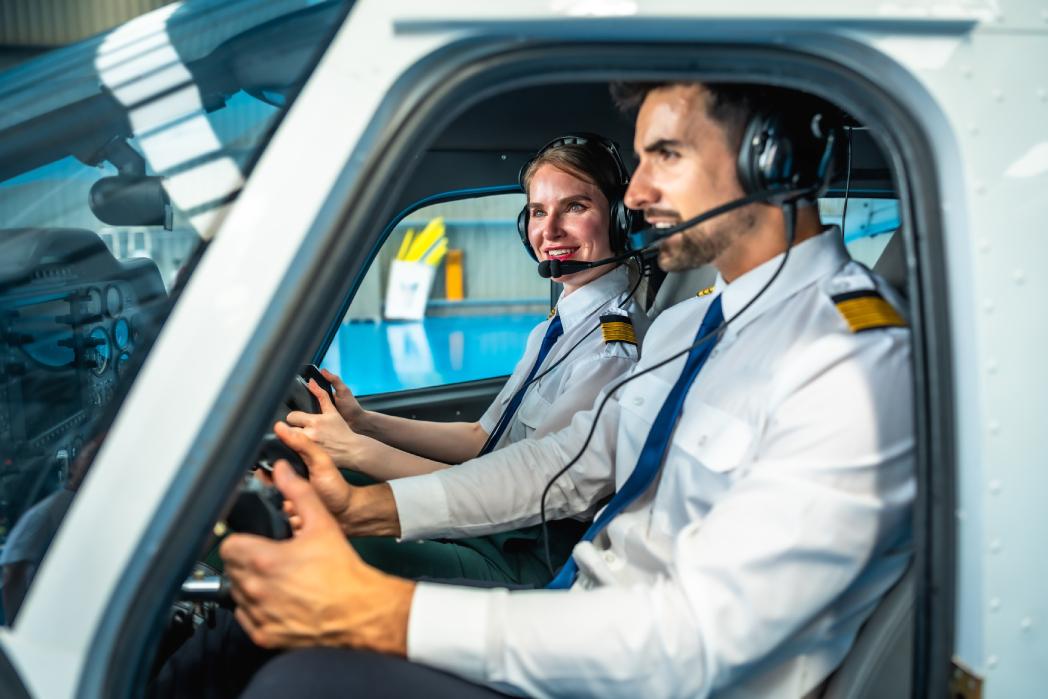
Step 10 – Earn Your Airline Transport Pilot (ATP) Certificate
The airline transport pilot certificate is the highest level of FAA pilot certification. Airline pilots must hold an Airline Transport Pilot (ATP) certificate, and the typical path to becoming an airline captain includes achieving ATP certification.
Core requirements:
-
Age 23 for unrestricted ATP, or 21 for restricted ATP.
-
1,500 total hours in the standard pathway.
-
To obtain an Airline Transport Pilot certificate, 1,500 flight hours are required.
-
Reduced minimums may apply through certain university or military pathways.
-
First-class medical for airline work.
Before the written exam, pilots complete ATP-CTP, which includes classroom instruction and full-motion simulator training. After the ATP written, pilots complete a practical checkride, often combined with a type rating on a regional jet or narrow-body airliner. Once complete, pilots are qualified for airline pilot positions under Part 121.
How Long Does It Take to Become a Commercial Pilot in 2026?
The timeline depends on training intensity, weather, aircraft availability, finances, and how often you fly.
A fast-track civilian example:
-
January 2026: begin training and complete ground school.
-
Spring 2026: earn private pilot certificate.
-
Summer 2026: complete instrument rating.
-
October 2026: complete commercial pilot license and multi-engine rating.
-
2027–2028: work as a CFI and build flight hours.
-
Mid-2028: reach ATP minimums and apply for a regional airline job.
A full-time training program can take 9–12 months from zero experience to CPL with instrument and multi-engine ratings. A realistic timeline to a regional airline is about 24–30 months. Part-time students may need 3–5 years.
How Much Does It Cost to Become a Commercial Pilot?
Flight training is a big expense, but the long term payoff can be pretty sweet especially when you're making a median salary of $219,140 as an airline pilot, according to the U.S. Bureau of Labor Statistics(keep in mind that this is 2023 numbers)
Typical costs in 2026 are as follows:
-
To get your private pilot certificate it'll likely cost between $12,000 to $18,000
-
To get your instrument rating, expect to pay anywhere from $8,000 to $15,000
-
Commercial license & multi-engine rating : that'll come out to about $25,000 to $40,000
-
a typical total cost to get through to commercial ratings is roughly $45,000 to $80,000
-
The cost of commercial pilot training can range from $30,000 up to a whopping $90,000
-
Training cost in the US can come out to be anywhere between $75,000 to $100,000
-
flight training can be a serious money sink, expect to pay somewhere between $80,000 and north of $100,000 to become a pilot
-
some even fixed price academy models will charge you as much as $123,995 to turn you into a qualified airline pilot
What are the main cost drivers? well, it pretty much boils down to just a few things fuel, renting the plane, paying the instructor, simulator time, checkrides, and flying those extra hours beyond the minimum to qualify.
Hourly rates pretty much go as follows : $150 to $220 for a single engine plane, $300 to $500 for a multi-engine plane, $50 to $90 bucks an hour for a seasoned instructor, and naturally lower rates for a good simulator.
Frequently Asked Questions About Becoming a Commercial Pilot
Can I become a pilot without a college degree in 2026?
Yes. You can earn a Commercial Pilot License without a college degree. Many airlines prefer pilots with a four-year degree, though it's no longer strictly required, especially at regional airline hiring levels.
Do I need perfect vision to hold a commercial pilot license?
No. Pilots can have vision corrected to 20/20 with glasses or contacts, as long as they meet the applicable FAA medical standard.
What if I’m colorblind?
Some colorblind individuals can obtain an FAA medical certificate. The FAA may require alternate testing to show the pilot can safely identify aviation colors and signals.
Do I need a medical before my first lesson?
You can take an introductory lesson without one, but the FAA requires a third-class medical certificate to solo an airplane. Commercial pilots must obtain a second-class medical certificate, and first-class medical certificates are required for airline pilots.
Am I too old to begin flight training?
Not necessarily. If you can meet medical standards and have enough working years before the airline retirement age of 65, you can still build a meaningful career. Career changers are entering the field because demand remains strong.
Can I convert foreign or military licenses to FAA certificates?
Usually, yes, but the process depends on your records. Pilots may need FAA validation, knowledge tests, practical exams, TSA steps, and proof of flight time. Military pilots can often use military flight experience toward civilian certificates.
What is the career outlook through 2030?
The outlook remains positive. FAA and industry forecasts point to continued demand from retirements, fleet growth, and network expansion. The FAA Aerospace Forecast projects continued activity across commercial and airline pilot categories.