How to Become a Private Jet Pilot: Step-by-Step Guide
Jul 10, 2026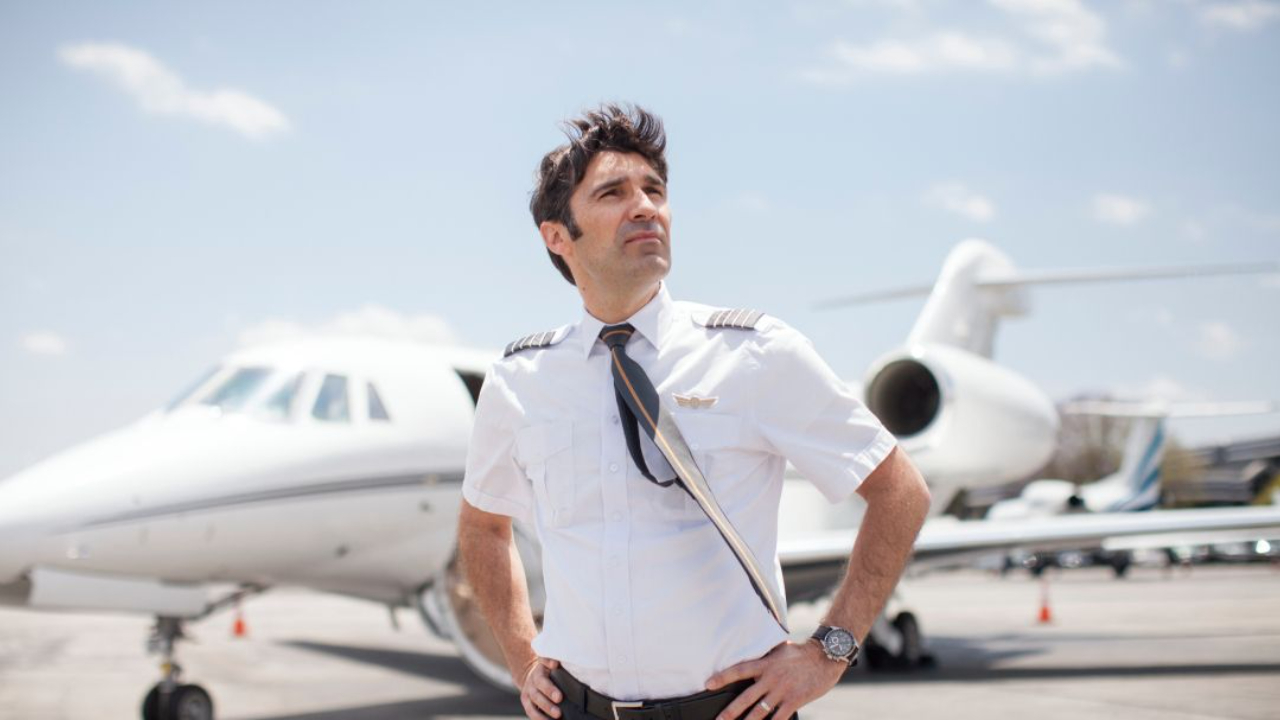
Getting into private aviation as a career is basically a dream come true for pilots, but the reality is that it takes a lot of hard work, some serious cash and a real commitment.
If your goal is to fly a Gulfstream to some out-of-the-way location or ferry executives around in a Citation, then this guide is here to walk you through every single step from your very first lesson right through to when you land your first job flying.
How to Become a Private Jet Pilot – Quick Answer
Becoming a private jet pilot in 2026 follows a structured process of earning certificates, ratings, and experience. If you are first learning how to become pilot in USA, this private jet path builds on the same FAA training foundation. The first step is obtaining your FAA medical, followed by progressive flight training that takes most aspiring pilots 2–4 years from first lesson to employable status in private aviation.
Here is the typical path:
-
Private pilot certificate → learn to fly solo and carry passengers
-
Instrument rating → master instrument flight rules for all-weather operations
-
Commercial pilot certificate → earn the legal right to be paid for flying
-
Multi engine rating → qualify for multi-engine aircraft like jets
-
Time building → accumulate 1,000–1,500+ flight hours via instructing or other jobs
-
Type rating → complete aircraft-specific training on a specific jet
Some other things to keep in mind in the US, you've got to be at least 16 to fly solo as a student, 17 to get your private pilot license and 18 for your commercial pilot license.
Along the way, you'll have to pass a medical exam, get some ground training done, put in the flight hours, pass a few exams and clear a couple of test flying sessions.
Understanding the Private Jet Pilot Career
A private jet pilot flies more varied routes than a typical airline pilot. Instead of repeated hub-to-hub schedules, you might fly a CEO from Teterboro to Aspen on Monday and reposition the plane to Miami by Wednesday. The work involves closer client interaction, flexible pilot schedules, and often direct coordination without a large crew backing you up.
Typical employers include:
-
Fractional ownership companies (NetJets, Flexjet)
-
Charter operators running under Part 135 in the U.S.
-
Corporate flight departments dedicated to a single company
-
Ultra-high-net-worth individuals who own their aircraft
Daily duties go well beyond flying. You will handle pre-flight planning, passenger safety briefings, catering coordination, fuel arrangements, and sometimes work as the sole crew member when no flight attendants are aboard.
A corporate pilot dedicated to one company's fleet tends to have a more predictable schedule, while a charter pilot flies on demand - but both hold the same certificates and additional ratings.
The lifestyle that comes with this job can be tough at times with a lot of on-call duty, irregular days off and a lot of overnight stays in different locations. On top of that you might have to do international trips, which can be a real challenge.
But compared to working the airlines, private jet flying can give you a lot more control over your schedule as you get more senior, and the variety in what you do is often much greater but you do have to take on a lot more responsibilities like dealing with clients day to day.
Step 1: Meet Basic Eligibility and Get Your FAA Medical
Step 1: Meet Basic Eligibility and Get Your FAA Medical
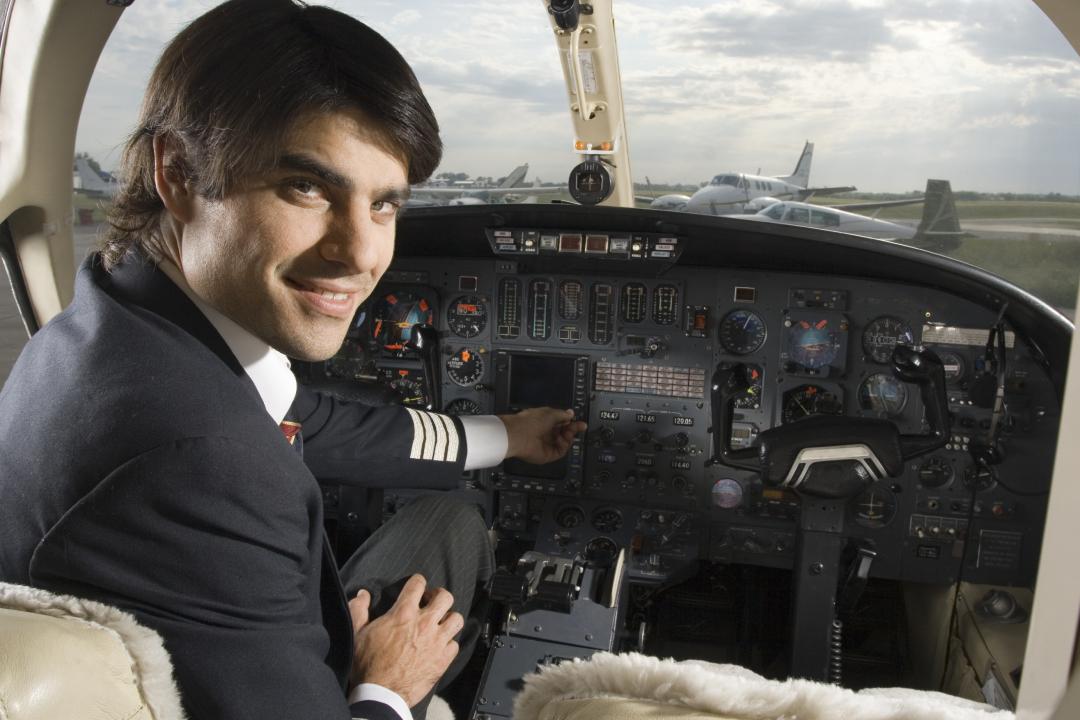
Before you invest serious money in flight training, confirm you can actually pass the medical gate. This is the real first step, and skipping it is a costly mistake if an eligibility problem surfaces later.
Basic eligibility requirements:
-
Ability to read, speak, write, and understand English
-
Meet minimum age requirements (16 for student solo, 17 for private pilot, 18 for commercial pilot)
-
Legal work authorization in your country of training (U.S. FAA rules apply here; other regions follow similar principles)
One of the smartest moves you can make early is obtaining a First Class FAA Medical Certificate. Even though you may not need it during your initial training, it confirms that you meet the highest medical standard required for professional flying and helps avoid surprises later in your career.
To book an exam, search the FAA's directory for a certified Aviation Medical Examiner near you. Most exams take less than an hour, and many applicants receive a same-day decision.
Don't get knocked back because of delays it's mainly people with heart problems , diabetes, a history of mental health issues or DUI convictions who hit a road block. In some cases you can just need to sort a little more paperwork or get a special medical to get over the hurdle.
Step 2: Private Pilot Certificate – Your Foundation
The Private Pilot Certificate is basically the first step in all of this. Without it, you can't even carry passengers, build up the experience you need for long haul flights or go on to have a flying career in private aviation. If you're wondering what does it take to get a pilot license, earning a Private Pilot Certificate is the essential first milestone in the process.
FAA minimum requirements (Part 61)
-
40 total flight hours (20 hours dual instruction, 10 hours solo)
-
Includes cross-country, night, and navigation-specific flights
-
Part 141 structured program schools may reduce the minimum to 35 hours
In reality, most students complete between 55 and 70 hours before they are checkride-ready. Completion times can vary significantly between different flight schools based on instructor availability, aircraft scheduling, and local weather conditions. Weather delays, instructor availability, and scheduling gaps all extend the timeline.
Training splits into two tracks running in parallel:
-
Ground training - aerodynamics, weather, regulations, navigation, airspace
-
Flight training - dual instruction with a certified flight instructor plus solo flights including cross-country and night segments
After completing the required training, you must pass the FAA knowledge test and practical checkride, including the flight portion of the exam, to earn your private pilot certificate.
Cost in 2026: roughly $9,000–$15,000 for a single-engine piston aircraft, depending on region, aircraft rental rates, and how quickly you progress. Some accelerated programs or integrated academies package this cost with later ratings.
At this stage, you cannot be paid for flying. You can, however, carry passengers for personal use and begin logging the cross-country and night hours that count toward future certificates.
Step 3: Instrument Rating – Mastering All‑Weather Flight
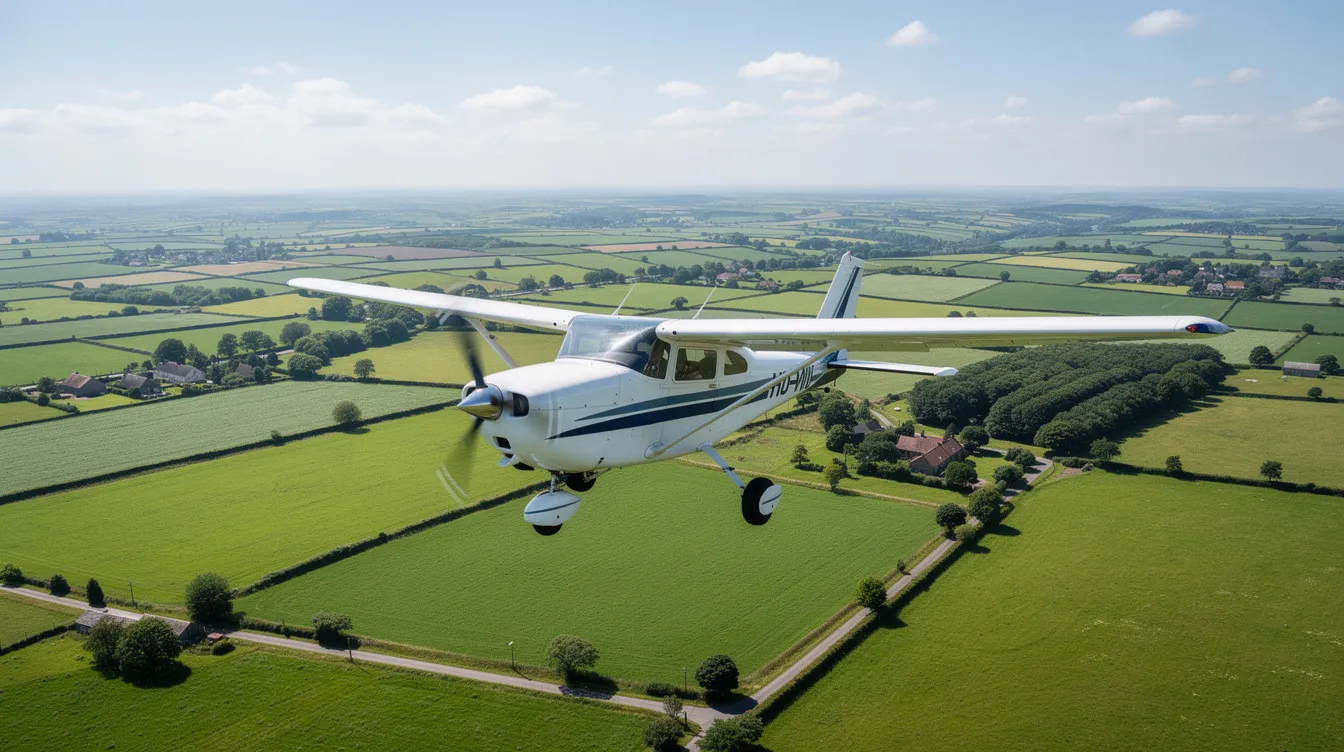
Nearly every private jet operates under instrument flight rules due to high-altitude airspace, weather, and international operations. The instrument rating is mandatory for anyone pursuing a private jet pilot career.
FAA requirements (14 CFR 61.65)
-
At least 50 hours of cross-country PIC time
-
40 hours of actual or simulated instrument time under instruction
-
Many pilots log well beyond these minimums to build real proficiency
Instrument training gives you the skills to safely fly an aircraft through thick clouds and bad visibility all while using those instruments on the panel instead of relying on what you can see outside. Its a challenging but essential part of the training.
Getting this rating will also give you a good safety net and make you more attractive to potential employers.
The truth is almost all corporate pilot and charter jobs require instrument training as a bare minimum, and insurers take a very close look at a pilots instrument experience.
Cost: approximately $8,000–$15,000, depending on how much time is logged in simulators versus actual aircraft.
Step 4: Commercial Pilot Certificate and Multi Engine Rating
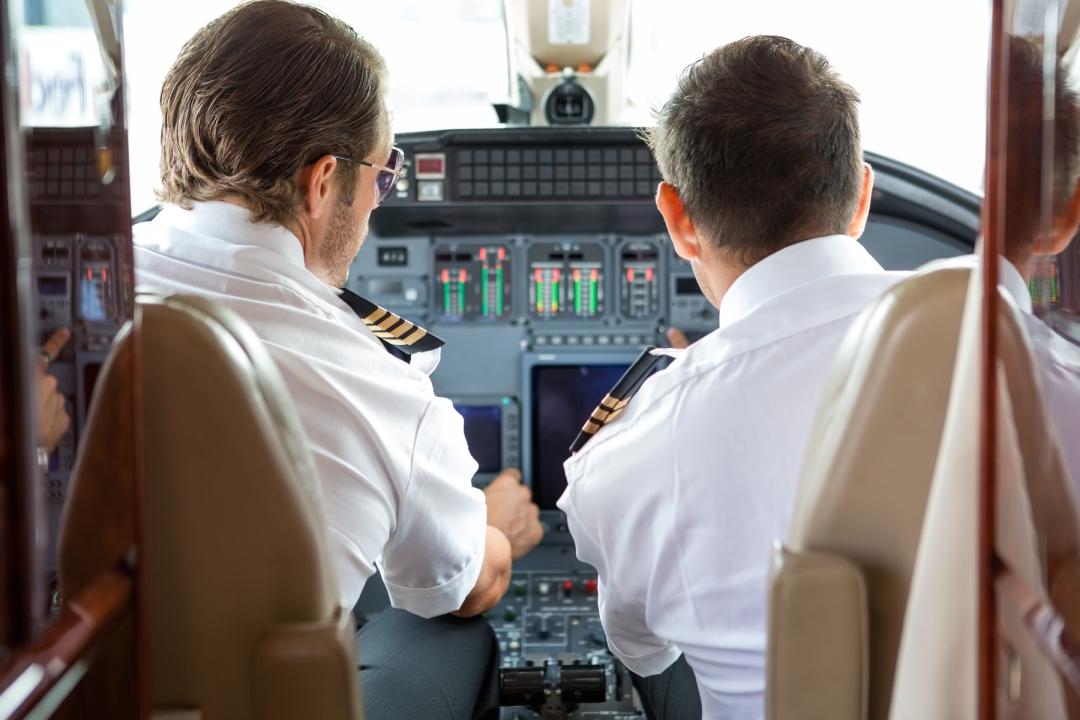
If you want to make flying for a living whether it's with a charter company, a corporate flight department or pretty much any other airline, you'll need to have a commercial pilots certificate in your name. And that means being at least 18 years old.
FAA commercial requirements (Part 61)
-
250 hours total flight time
-
Specified minimums for PIC, cross-country, night, and instrument time
-
A solo cross-country flight of at least 250 nautical miles with landings at three airports
The commercial pilot knowledge test and checkride emphasize professional-level decision-making, aircraft performance, and operational proficiency that raise your skills well beyond the private pilot level.
This certificate is also a major milestone for pilots pursuing a private jet position or a broader airline career in professional aviation.
Because jets are multi-engine aircraft, a multi engine rating is mandatory. Most pilots combine this with commercial training. Multi engine instruction covers:
-
Asymmetric thrust and Vmc (minimum control speed)
-
Engine-out procedures and performance calculations
-
System differences between engines
-
Weight and balance for multi-engine airplanes
There is no separate written test for multi-engine knowledge but the oral and flight exam with a DPE (designated pilot examiner) will cover all the multi-engine scenarios you need to know.
Cost-wise, getting a commercial certificate and multi-engine rating can really add up we're talking $60,000 to $100,000+ when you factor in all the costs for prior training, aircraft rental, instructors and the rest.
Step 5: Build Hours – Flight Instructor and Other Time‑Building Paths
Most private jet operators expect pilots to have 1,000–1,500 total flight hours before they will hire you, with a preference for multi-engine and turbine time, and many also weigh prior experience, not just raw hours, when hiring for first jet roles. Structured time building is how you bridge the gap between your commercial certificate and your first jet job.
You should plan your time building around the hiring minimums and the kind of private aviation job you want.
The most common route is becoming a certified flight instructor. After earning your CFI certificate and ideally CFII (instrument instructor) and MEI (multi engine instructor) you teach new students daily, log PIC time, and sharpen your own skills in the process. It is one of the fastest ways to build hours while being paid.
Alternative time-building paths include:
-
Banner towing and aerial surveying
-
Skydive operations and aerial photography
-
Pipeline patrol and ferry flying
-
Right-seat positions in turboprops or small charter operations (Part 135)
During this phase make multi-engine and instrument hours your top priority. Corporate and charter employers put a huge emphasis on these when deciding who to hire and if you can get any turbine time under your belt even better ideally in a right-hand seat turboprop.
Realistically you're going to be looking at 1-3 years as a flight instructor or in time-building roles before you meet the usual jet-hire requirements.
Your main goal will be to keep churning out safe, steady hours while remembering that the wider world of aviation offers several hour-building routes before private jet work, all while building a reputation that makes potential employers think you're worth taking a chance on.
Step 6: Type Ratings and Transitioning to Private Jets

A type rating is aircraft-specific training required by the FAA for any turbojet-powered aircraft or aircraft weighing over 12,500 pounds. Each jet family - whether it is a Cessna Citation, Bombardier Challenger, or Gulfstream - requires its own type rating.
Training typically involves:
-
1–3 weeks of intensive ground school covering aircraft systems, emergency procedures, performance charts, and avionics
-
Full-motion simulator sessions replicating normal and abnormal operations
-
Simulator checkride evaluated to airline transport pilot (ATP) or commercial standards, depending on whether you will operate as captain or first officer
Who pays? Many employers sponsor the type rating for pilots they hire, especially larger operators and corporate flight departments. Some pilots self-fund to increase marketability, particularly for popular types.
|
Jet Category |
Example Types (2026) |
Approximate Type Rating Cost |
|---|---|---|
|
Light jets |
Phenom 300, Citation CJ3+ |
$12,000–$22,000 |
|
Mid/super-mid jets |
Challenger 3500, Citation Latitude |
$25,000–$40,000 |
|
Large-cabin jets |
Gulfstream G600, Global 7500 |
$35,000–$55,000 |
After your initial type rating, expect recurrent training every 6–12 months - simulator sessions, emergency drills, and proficiency checks mandated by both regulations and insurance requirements. This recurrent training is a permanent part of any private jet pilot career.
Private Jet Pilot Jobs, Schedules, and Quality of Life
Private jet pilots experience more variety in their working conditions than most airline pilots, but that variety comes with trade-offs in predictability.
Main job categories:
-
Charter captain or first officer (Part 135)
-
Corporate flight department pilot
-
Fractional ownership pilot (NetJets, Flexjet)
-
Owner-pilot support or contract pilot roles
Schedules can be all over the place. Some outfits go with a nice 7-on/7-off or 8-on/6-off rotation but more often the likes of rolling on-call windows with some decent break time in between.
And of course there's the hotel stays overnight on the longer trips or those international flights you do for the client, wherever they need you to go.
You also deal with the last-minute trip additions and whatever time the client wants to depart in. And lets not forget you're also arranging the fuel, the catering & ground transport, all part of the service you're providing.
2026 salary overview (U.S.):
|
Role |
Approximate Annual Range |
|---|---|
|
Entry-level FO (light jets) |
$75,000–$95,000 |
|
Mid-size jet captain |
$180,000–$250,000 |
|
Large-cabin jet captain |
$250,000–$300,000+ |
ZipRecruiter data from early 2026 puts the average U.S. private jet pilot salary at approximately $130,916 per year. Many operators also offer strong benefits: health insurance, retirement contributions, per diems, and company-paid training.