How Many Hours for IFR Rating? FAA Guide
May 14, 2026
Earning your instrument rating opens doors to safer, more capable flying. But before you start training, you need to understand exactly how many hours the FAA requires and how many you’ll actually need.
Quick Answer: Minimum IFR Hours You Need
Under Part 61 rules, the FAA requires at least 40 hours of actual or simulated instrument time to qualify for an instrument rating. Part 141 approved schools can reduce this to 35 hours of instrument training within their structured syllabus.
Here’s what the minimums look like for Part 61 students
|
Requirement |
Minimum Hours |
|---|---|
|
Cross country flight time as PIC |
50 hours |
|
Actual or simulated instrument time |
40 hours |
|
Instrument training from an authorized instructor |
15 hours |
|
IFR cross-country (250 NM minimum) |
1 flight |
The reality? Most pilots end up needing 45-60 hours of instrument training before they're ready to sit a checkride. Less than 5 percent of students actually finish on the nose at the minimums.
If you're flying out of the gate as a brand new private pilot, you can expect your total flight hours to be around 125-175 by checkride day.
That's 50 hours of cross country time, 40+ hours of instrument time, and the rest from just logging time with an instructor.
Accelerated IFR courses that run 10-14 days still pack a lot of flying in (4-6 hours a day) but they don't cheat you out of the FAA minimums you'll still have to log the same number of hours
IFR Rating Basics: What an Instrument Rating Lets You Do
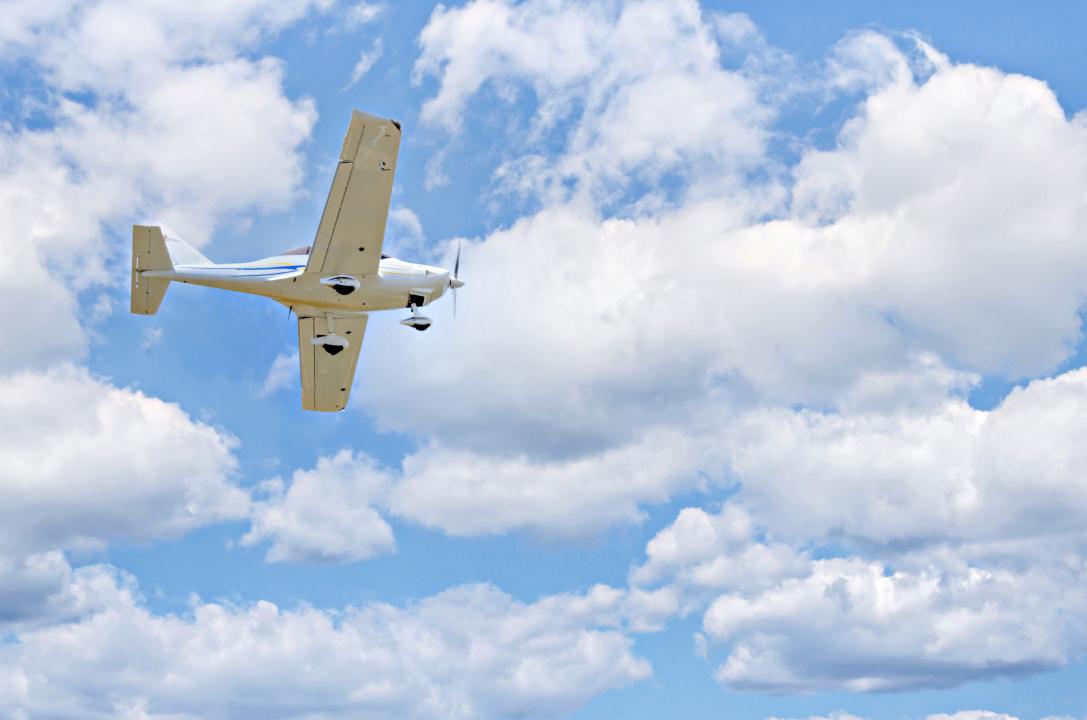
An Instrument Rating that's a add on to your current private pilot certificate (or commercial pilot certificate if you're after that).
In basic terms its a special permit that lets you fly in the fog, or any other conditions where you can't see the horizon with your eyes.
It means you're licensed to be in charge of the flight even when the weather is terrible think heavy clouds or zero visibility.
You'll only be able to tell what's going on by looking at your instrument panel. As you train for IFR, you’ll also need to understand core cockpit readings like IAS in aviation, since indicated airspeed affects approaches, climbs, descents, and aircraft control.
In the US you need this rating to fly in controlled airspace OR when the weather gets too bad for basic VFR (that's Visual Flight Rules) to be used.
Why pursue an IFR rating?
-
Improved safety through better weather decision making
-
Reduced weather-related delays and cancellations
-
Essential stepping stone for airline, corporate, and charter careers
-
Over 90% of professional flight operations occur under IFR
All those hours you hear about in this guide that all comes from the federal aviation regulations (14 CFR 61.65) right up to 2026 check the FAA website faa.gov for the most up to date info before you start training.
Official FAA Hour Requirements for an Instrument Rating (Part 61)
Under 14 CFR 61.65, here’s exactly what you need for an instrument airplane rating:
Cross-Country Requirements
-
50 hours of cross country flight as pilot in command
-
At least 10 of those hours must be in airplanes
Instrument Time Requirements
-
40 hours of actual or simulated instrument time
-
Up to 20 hours may be logged in an approved flight simulator or aviation training device
-
At least 15 hours of instrument flight training with a CFII appropriate to the instrument rating sought
Required IFR Cross-Country
-
One cross country flight of at least 250 nautical miles along airways or ATC-directed routing
-
Instrument approach procedures at each airport
-
Three different types of approaches using navigation systems (ILS, VOR, RNAV/GPS)
Your 40 hours of instrument time must cover specific areas of operation listed in the regulations, including:
-
Holding procedures and emergency operations
-
Intercepting and tracking courses
-
Recovery from unusual flight attitudes by reference to instruments
-
Instrument approach at multiple airports
These are minimums. Most students require additional dual instruction to demonstrate the flight proficiency expected on checkride day.
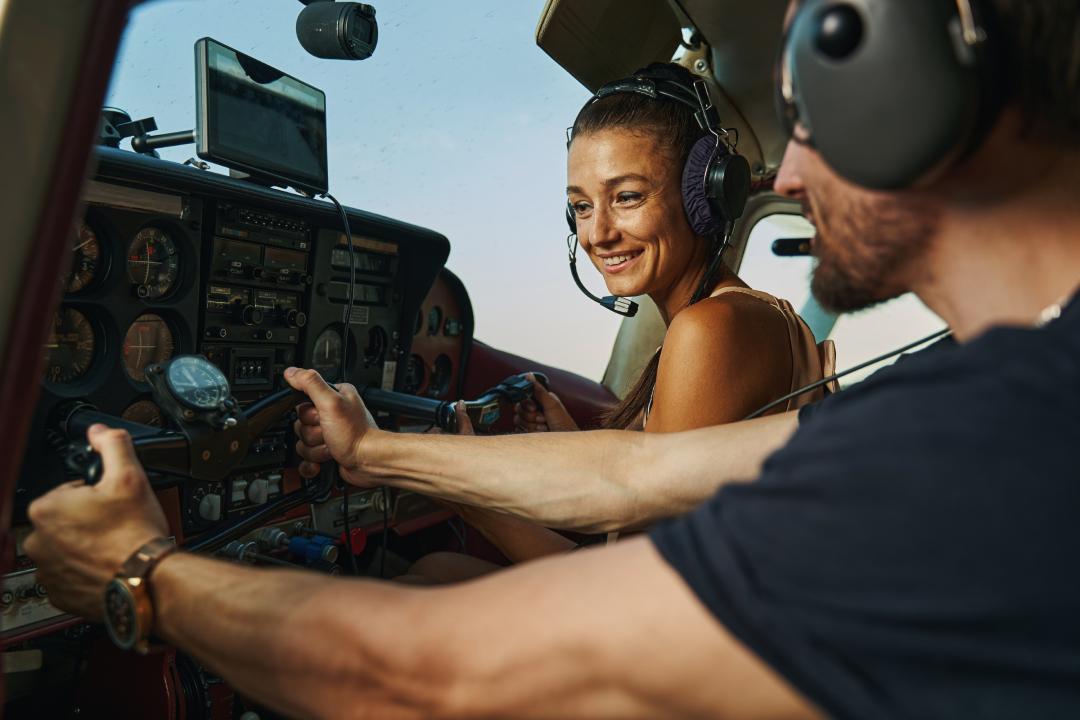
How Many Hours Under Part 141? (School Syllabus vs. Part 61)
Part 141 flight training follows an FAA-approved syllabus at certificated flight schools, while Part 61 offers flexible, instructor-driven training.
Key differences:
|
Training Path |
Minimum Instrument Hours |
Cross-Country PIC |
|---|---|---|
|
Part 61 |
40 hours |
50 hours required |
|
Part 141 |
35 hours |
Integrated into syllabus |
Part 141 programs integrate simulator time formally, and flight training devices count toward required hours within the approved curriculum. The separate 50-hour cross-country PIC requirement doesn’t apply these elements are built into the syllabus.
However, even under Part 141, most schools schedule 45–50 hours of simulated instrument conditions training to realistically prepare students for the practical test.
The difference in actual “hours to proficiency” between diligent Part 61 and Part 141 students is often small.
Both paths require the same 250 NM IFR cross country flight with multiple instrument approach procedures.
Typical Total Hours Most Pilots Actually Need
FAA minimums are rarely enough. Most students finish between 45–60 hours of instrument time, with some needing 65+ depending on experience and training consistency.
What drives the difference?
-
Frequency of lessons (twice weekly minimizes skill decay)
-
Prior IFR exposure as a safety pilot
-
Comfort with radios, air traffic control clearances, and avionics
-
Quality of preflight preparation and home study
Pilots who just earned their private pilot license typically complete the instrument rating with 125–175 total logged hours. This varies based on how efficiently they schedule cross country flight procedures and instrument training.
Students in accelerated 10–12 day programs usually arrive with most cross-country PIC time already complete, then focus heavily on the 40+ hours of instrument flight time during the intensive course.
The bottom line: Aim to be checkride-ready, not just hour-eligible.
Breakdown of IFR Hours: What Training Time Looks Like
Here’s how those hours typically distribute for a Part 61 student:
|
Training Component |
Hours |
|---|---|
|
Dual instrument in airplane |
20–25 |
|
Approved simulator/ATD |
10–15 |
|
Additional practice (safety pilot, hood time) |
5–10 |
|
Ground training and briefings |
20–30 |
Full flight simulators and flight training devices do the trick here, they let you run through repetitive procedures like holding, approaches and emergencies, all without wasting fuel or putting up with bad weather.
Cross-country requirements are often met by mixing in real trips of 100-300 NM into your IFR training flights this way you can log time as PIC and get some instrument time in at the same time if it makes sense for the rating you're going for.
Example training schedule: Three lessons per week for 8 weeks: one simulator session plus two airplane flights weekly. This accumulates roughly 24 airplane hours and 8 simulator hours, leaving room for additional practice before the flight test.
Ground school course time (briefings, debriefs, aeronautical knowledge areas review) is separate from logged flight and simulated instrument time but crucial for progressing efficiently.
You’ll need to log ground training covering IFR procedures, aviation weather reports, and the aeronautical information manual.
How Long It Takes in Calendar Time (Not Just Hours)
Hours answer one question, but you also need to know how many weeks or months you’ll spend earning the rating.
If you’re also wondering how long does it take to get instrument rating, the answer depends on your training pace, flight schedule, weather, and how much cross-country time you already have.
Timeline expectations:
|
Training Pace |
Calendar Duration |
Notes |
|---|---|---|
|
Full-time (4–5 days/week) |
2–3 months |
Optimal skill retention |
|
Part time students (1–2 days/week) |
4–8 months |
More hours due to skill decay |
|
Accelerated (daily intensive) |
10–14 days |
Requires prior cross-country completion |
External factors affecting duration:
-
Local weather patterns and critical weather situations
-
Aircraft and instructor availability
-
Work, school, and family commitments
Consistency matters more than aptitude. Flying twice weekly minimizes rust, typically reducing overall hours needed by 10–20% compared to sporadic schedules.
Part time students often need additional training hours simply to re-establish proficiency between lessons.
Key Factors That Change How Many IFR Hours You’ll Need
Individual experience and training conditions can shift total hours well above minimums.
Experience factors:
-
Recent VFR proficiency and cross-country experience accelerates progress
-
Familiarity with glass cockpit avionics (Garmin G1000, GTN series) can save 5–15 hours
-
Prior time as safety pilot during someone else’s IFR training builds valuable exposure
Environmental factors:
-
Busy airspace accelerates radio work learning but adds time per lesson
-
Regions with frequent IMC provide authentic instrument experience
-
Clear-weather locations (like Florida) optimize simulator-heavy efficiency
Personal factors:
-
Aeronautical decision making skills developed in prior training
-
Study habits between flights reviewing approach plates, forecasting weather trends based on reports
-
Ability to speak write and understand English fluently for ATC communications
Strong home study course discipline and preflight procedures review often mean fewer hours of actual flight needed.
Prerequisites and Non-Hour Requirements You Must Meet
It's not just about logging hours, you've also got to meet some pretty specific requirements when it comes to eligibility, knowledge, and being proficient in certain areas of aeronautical knowledge.
Prerequisites:
-
Current private pilot license (or combined private pilot certificate training)
-
Valid FAA medical certificate (second-class or BasicMed)
-
English language proficiency
Knowledge requirements:
-
Ground training via authorized instructor or approved ground school covering IFR regulations, preflight preparation, crew resource management, and use of navigation systems
-
Pass the FAA Instrument Rating Knowledge Test (60 questions, 2.5 hours, 70% minimum)
Endorsements needed:
-
Training record endorsement from authorized instructor certifying aeronautical knowledge completion
-
CFII endorsement for the required practical test
-
Applicant’s pilot certificate must show appropriate to the instrument category
The last thing on that list is the practical test which is just a fancy way of saying an oral exam and that's going to last anywhere from 2 to 4 hours where they'll grill you on the rules, flight plans, and how to actually fly the thing.
And then there's the flight bit where they check to see how good you are at all the instrument bits for your category or if you're doing the helicopter or powered lift part, they'll want to see that too.
Is It Worth Going Beyond the Minimum IFR Hours?
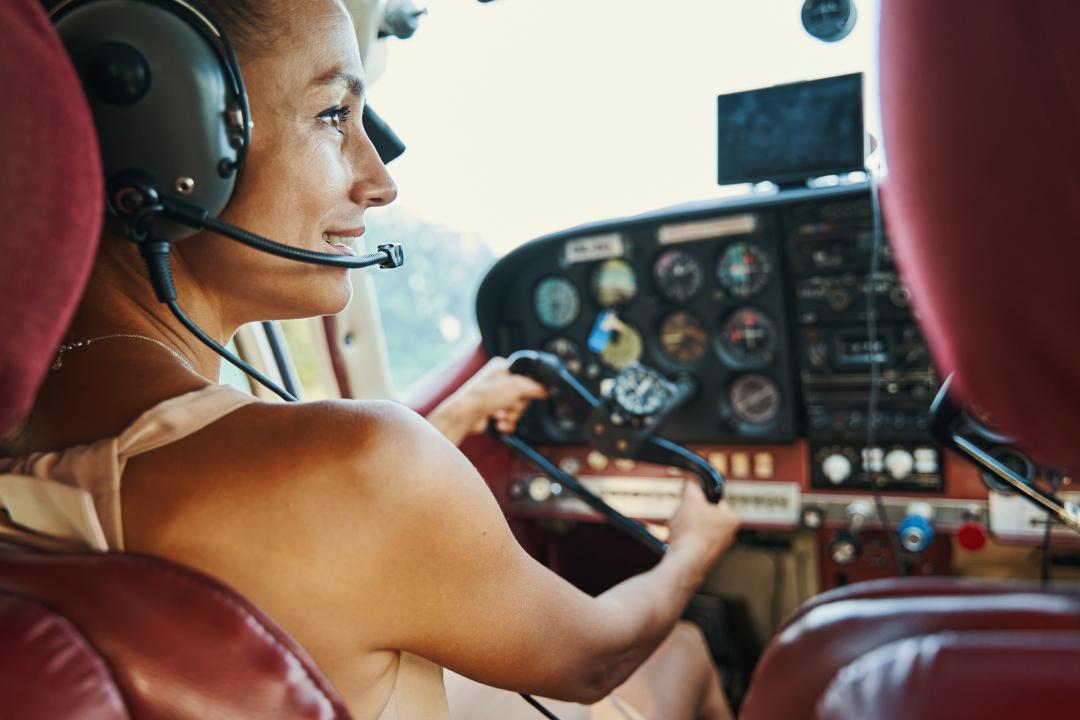
Exceeding minimums builds safety margins that matter when you’re flying in actual IMC.
Strategic extra hours might include:
-
Additional partial-panel practice for emergency operations
-
More approaches in actual weather conditions
-
Extended time with complex FMS or glass avionics
-
Practice with following aeronautical knowledge areas like forecasting weather trends based on current data
Pilots aiming for commercial pilot certificates, corporate, or airline careers benefit from a strong IFR foundation.
The extra 5–10 training hours now translate to easier IFR currency maintenance (six approaches, holds, and intercepting/tracking every six months) and smoother transitions to multi-engine and turbine aircraft.
The FAA sets minimum hours, but proficiency is the real goal. Those hours of actual instrument experience in varied weather conditions build the judgment that keeps you, your passengers, and your airplane safe when the ceiling drops below 1,000 feet and visibility falls under 3 miles.
Start your journey by finding a qualified CFII who can evaluate your current experience and build a training plan that prioritizes your flight proficiency not just checking boxes on the way to a certificate.
