How Long Does It Take to Get an Instrument Rating?
May 13, 2026
If you’re a current private pilot certificate holder looking to expand your flying privileges, the instrument rating is likely your next goal.
But before you commit to instrument training, you need to know what kind of time investment you’re looking at especially if you’re wondering how long does it take to get instrument rating.
The answer depends on several factors your existing flight hours, training schedule, and how quickly you absorb complex procedures.
This guide breaks down exactly how long it takes to get an instrument rating, from accelerated programs to part time students fitting lessons around work.
Many pilots start this process feeling confident after their PPL, only to realize IFR training is a completely different level of complexity.
Without a clear study structure, it’s easy to feel overwhelmed by procedures, charts, and constant mental workload.
That’s why having a step-by-step system for your training can make a major difference in how quickly you progress.
Quick Answer: Typical Instrument Rating Timeline
For most pilots training two to three times per week, expect the instrument rating to take 3 to 6 months.
This standard pace allows steady accumulation of flight hours while accommodating real-world scheduling constraints like weather disruptions and work obligations, which also plays a major role in determining your overall training costs.
Full time students in accelerated programs can compress this significantly. With daily flight lessons and simulator sessions often flying five to six days weekly completion in 3 to 8 weeks is realistic if you’ve already met most prerequisites.
On the other hand, part time students who can only manage to fly once a week or even less are going to be looking at a much longer timeline.
The thing is, if you're not flying regularly, your skills tend to get a bit rusty, and you'll find yourself re-learning material that you've already covered before that's no-good use of your lesson time.
So, with infrequent practice flying, you're looking at 6 to 12 months, or longer.
Here’s a quick comparison:
-
Accelerated pace (daily training): 3–8 weeks
-
Standard pace (2–3 lessons/week): 3–6 months
-
Low-frequency pace (1 lesson/week or less): 6–12+ months
The Federal Aviation Administration minimums 40 hours of instrument time and 50 hours of cross country flight time as pilot in command are rarely sufficient.
Fewer than 5% of students complete at these minimums. Most require 55 to 75 total instrument hours due to the cognitive demands of mastering IFR procedures.
The biggest variables affecting your duration: existing hours of cross country time, local weather conditions, training frequency, and individual learning pace.
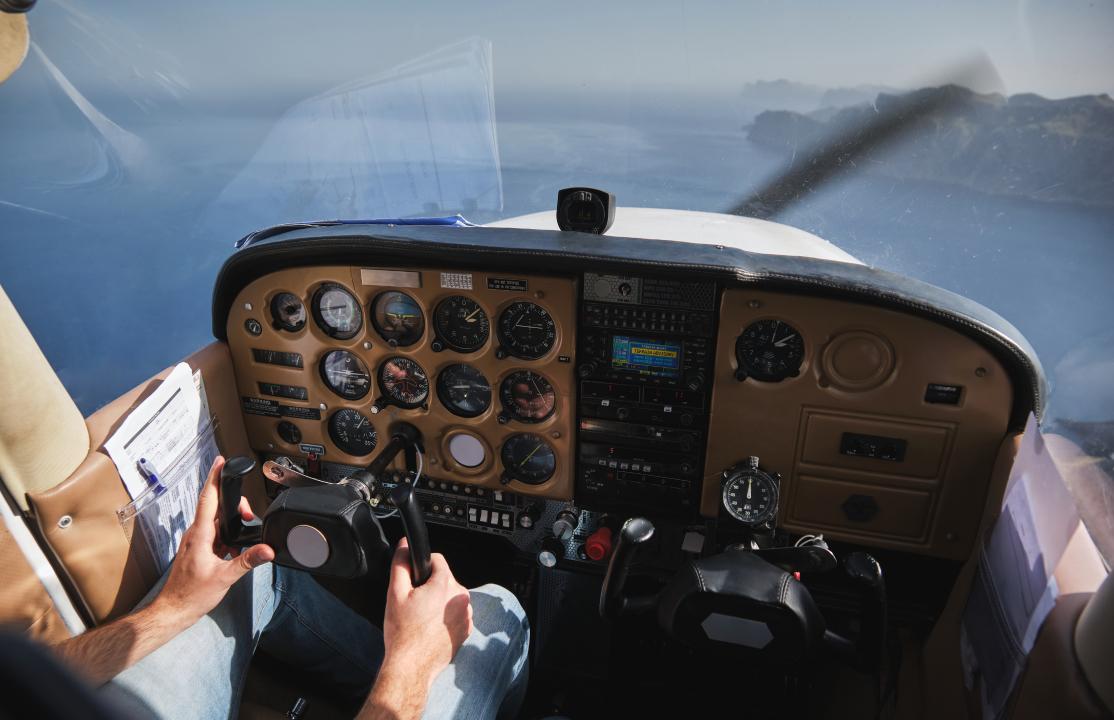
This capability comes at a cost: instrument flight training is significantly more procedure-heavy and cognitively demanding than PPL training. You’ll master skills including:
-
Instrument scans and attitude flying
-
Holding patterns and entries
-
Precision and non-precision instrument approaches
-
IFR enroute navigation via airways and GPS direct routing
-
ATC communication and IFR phraseology
-
Unusual attitudes recovery and emergency procedures
The complexity directly correlates with extended timelines. Many pilots are surprised by the steep learning curve and the repetitive practice required to internalize these skills.
Consistent exposure is crucial to build muscle memory irregular training amplifies the “forgetting curve” in procedural aviation.
FAA Requirements That Set the Minimum Timeframe
FAA regulations establish the baseline, but understanding these instrument rating requirements reveals why most pilots exceed the minimums.
If you’re wondering how many hours for IFR rating, the FAA minimum under Part 61 starts with 40 hours of actual or simulated instrument time and 50 hours of cross-country PIC time.
Under Part 61, the core aeronautical experience requirements include:
-
Log at least 50 hours of cross-country flight time as pilot in command, with a minimum of 10 of those hours completed in an airplane toward your instrument rating.
-
40 hours of actual or simulated instrument time, including training conducted in an actual airplane
-
At least 15 hours of those instrument hours must be with an authorized instructor (CFII) in the aircraft category and class of rating sought
-
A qualifying IFR cross country flight of at least 250 nautical miles along airways or ATC-directed routing, with instrument approaches at three different airports
Of your 40 hours of instrument flight time, up to 20 can be logged in FAA-approved flight simulators using a view limiting device or full-motion devices.
Part 141 programs at approved flight schools reduce the instrument training minimum to 35 hours through a structured training curriculum and rigid syllabus.
While this can trim total hours by 10-20%, calendar time often remains comparable due to sequential milestones.
The biggest bottleneck for recent private pilot license holders? Cross country flight time. Many pilots complete PPL with only 5 to 8 cross country hours logged.
Building the remaining 42–45 hours directly extends your timeline by weeks or months depending on training schedule.
How Training Pace Changes “How Long It Takes”
The two most influential factors that'll impact how quickly you finish training are how often you get to fly and stick to a regular lesson schedule.
Standard pace (2–3 flights per week)
Each lesson is about 2 hours of a mix of simulator and flight time. This pace works out to 20-25 training flights that will give you around 40-50 instrument hours, and you'll likely wrap things up in about 3-5 months.
Doing it this way gives you a chance to really drill home procedures before you start to get them mixed up in your head.
Accelerated pace (5–6 training days per week)
These intensive programs often schedule two events daily morning sim work for holds and approaches, afternoon flight time for enroute operations.
Completion in 3-8 weeks is achievable if prerequisites like cross country time are already met.
This demands full-time commitment and solid PPL currency.
Low-frequency pace (1 flight per week or less)
This is where progress stalls. Students constantly re-learn basics like straight-and-level flight or constant airspeed climbs. Neural pathways for instrument reliance weaken without frequent reinforcement, potentially doubling hours needed.
Some students will give you a good example of this one fella finished up in just 2.5 months flying 2-3 times a week while his buddies who started out the same time as him but just flew once a week took twice as long.
Getting your training sessions grouped together also makes a huge difference especially during times like approach practice or checkride prep.
Try to do 3-4 days of solid training in a row and you'll see retention go up by 30-50% over spreading it out across the week.
Ground School, Written Exam, and Their Impact on Timing

Ground school and structured ground training for the FAA Instrument Rating written exam can either be a major springboard to get your training underway quickly or a pretty significant roadblock especially if you get stuck in them.
The written test covers substantial material
-
IFR charts (low/high enroute, terminal procedures)
-
Approach plates and holding entries
-
Departure and arrival procedures
-
IFR regulations under Part 91
-
Advanced meteorology including icing and thunderstorm avoidance
Intensive ground school formats 3-5 day bootcamps or focused 2-3 weeks of online study enable clearing the written exam early, often within the first third of flight training.
Modern apps and platforms achieve 85-90% first-attempt pass rates, compared to historical 60% before digital tools.
Students who stretch ground school over months stall their flight progress. An unpassed knowledge test blocks your checkride endorsement, delaying everything downstream.
The ideal approach: complete most knowledge prep and schedule the written test within your first 10-15 instrument hours.
Strong ground preparation often shortens total flight hours because cockpit time focuses on practice flying maneuvers rather than explaining concepts.
Personal Factors That Can Speed Up or Slow Down Your Instrument Rating
The hours it takes to get your IFR rating really do depend on how much experience you've got and how naturally you pick things up.
Factors that accelerate progress
-
Recent, frequent flying (within 6 months of PPL), especially when consistently operating under visual flight rules
-
Already having 10+ hours of cross country PIC logged
-
Comfort operating in busy airspace around your local airport
-
Familiarity with glass cockpits or GPS avionics
-
Strong radio communication skills
Common challenges that slow students down
-
Long gaps between lessons causing regression
-
Weak basic flying skills requiring remediation
-
Difficulty trusting instruments over body sensations (spatial disorientation)
-
Vertigo or vestibular illusions during simulated instrument time
Planning Your Own Timeline and Next Steps
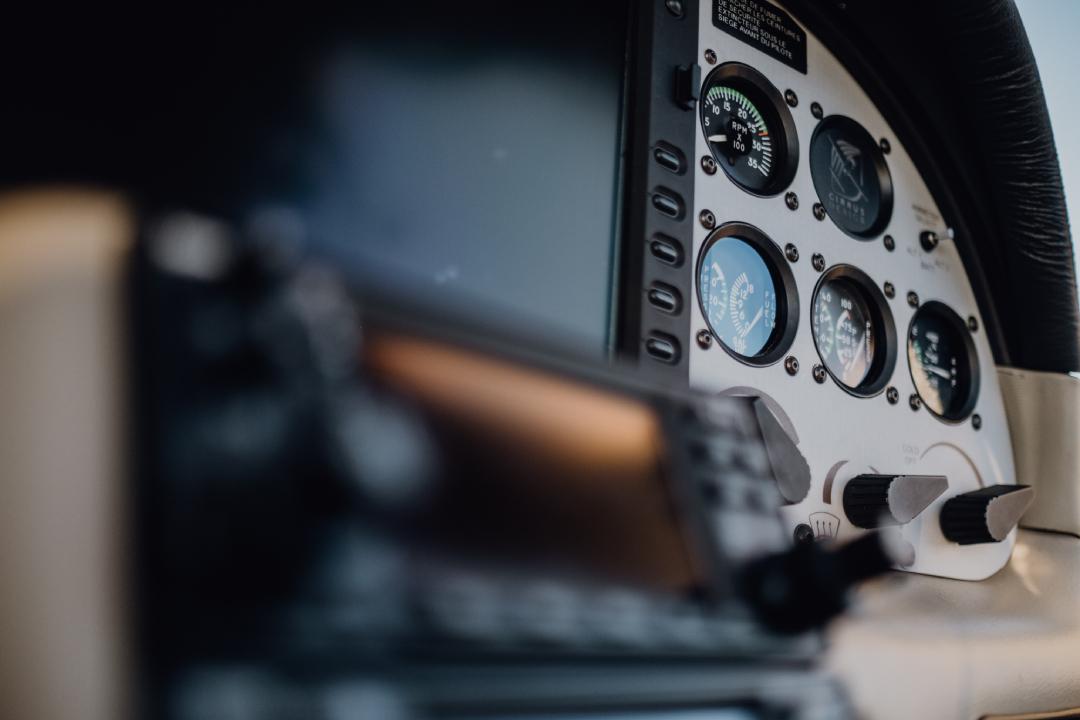
For most motivated pilots, expect 3-6 months at a moderate pace or roughly 3-8 weeks in a well-structured accelerated instrument rating course.
Start planning by taking these steps:
-
Inventory your current hours. Calculate your cross country PIC time to see how close you are to the 50-hour requirement. This often determines whether you can start instrument training immediately or need building time first.
-
Map a realistic weekly schedule. Determine how many flights and study hours you can genuinely commit be honest about competing obligations.
-
Contact a flight school. Get a personalized estimate based on your recent experience, local weather patterns affecting training days, and aircraft/safety pilot availability.
-
Set concrete milestones:
-
Finish written exam by [specific date]
-
Complete the required IFR cross country by [date]
-
Target a check ride window rather than a single day
-
Whether you're looking to make a career out of flying or just want the flexibility to fly instruments to make your flying easier and more fun, the bottom line is that your timeline will depend on how much time and effort you're willing to put in.
After earning your instrument rating, you may also plan future training goals such as multi-engine training, commercial certification, or a high-altitude endorsement.
The key to success is to keep training regularly, be proactive about your prep, and have realistic expectations about what you can achieve, and you'll find that getting your multi-engine or single-engine instrument rating comes a whole lot easier.
The instrument rating is within your reach if you just put in a bit of planning and stick to your plan before you know it, you'll be filing your first IFR flight plan.
