High Altitude Endorsement required training
May 12, 2026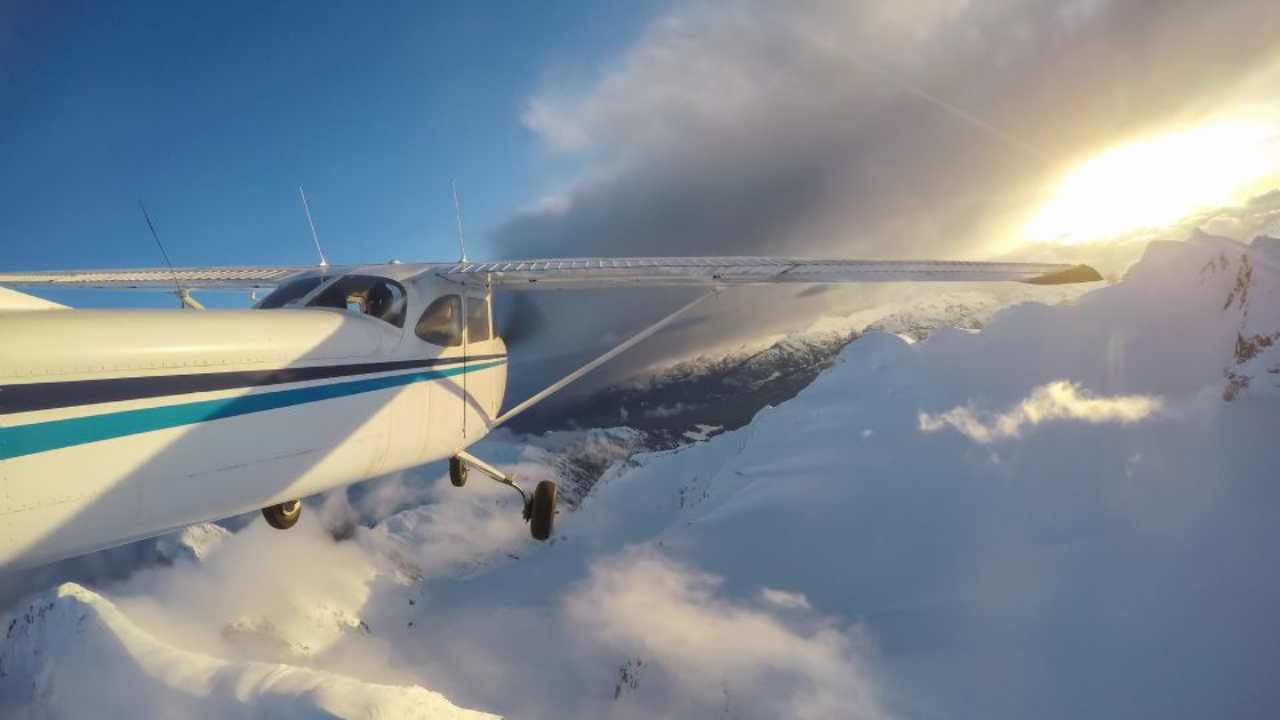
Flying above 25,000 feet the air gets so thin you need to think differently about the game.
Physiological risks start to ratchet up & pressurization systems become the difference between life & death.
Before you can officially get behind the controls of a plane designed for these dizzying heights , federal regulations insist you get the right training & endorsement.
This guide pulls apart everything you need to know about the high altitude endorsement what it's all about , who really needs it & just how do you go about getting one.
Overview of the High Altitude Endorsement
The High Altitude Endorsement is a no-nonsense regulatory thing (14 CFR 61.31(g) ) that comes into play for any pilot flying a pressurized aircraft that's certified for flights above 25,000 feet.
Its not about how high you feel like flying on any given day but what the aircraft is actually built to do.
A lot of pilots get tripped up on this point 'pressurized aircraft' doesn't just mean a turbocharged engine or a supplemental oxygen system it specifically means a plane with a working pressurized cabin.
A turbocharged Cessna T210 can certainly reach those high altitudes but it just doesn't have a pressurized cabin.
On the other hand , a Cessna 414A has a cabin that's actively pressurized the latter is the one that'll trigger the need for an endorsement.
Here’s what the endorsement involves:
-
One-time logbook entry from an authorized instructor not a new pilot certificate or class rating
-
Ground training covering specific high altitude topics mandated by the FAA
-
Flight training Flight training that can be accomplished in an actual pressurized aircraft or FAA-approved flight simulator/flight training device, including at least one training flight in a real or simulated high altitude environment
-
You won't need to take any separate FAA knowledge test or checkride just log the training and sign off from your instructor will do
Most ATP pilots, and those working under Part 121 or Part 135, have this sorted out through their company's training program.
But if you're a private or commercial pilot, and you fly a pressurised plane that can take you above 35,000 feet, then you'll need to make sure you've specifically got this endorsement its not a given even if you meet other flying requirements.
The idea behind this is simple: flying a plane that's capable of going that high needs you to know a bit more about how high-altitude flight works, what's going on with the pressurisation system, and how to handle emergency descent procedures in critical situations things you wont have learned from standard private or commercial training.
Regulatory Basis and FAA Requirements
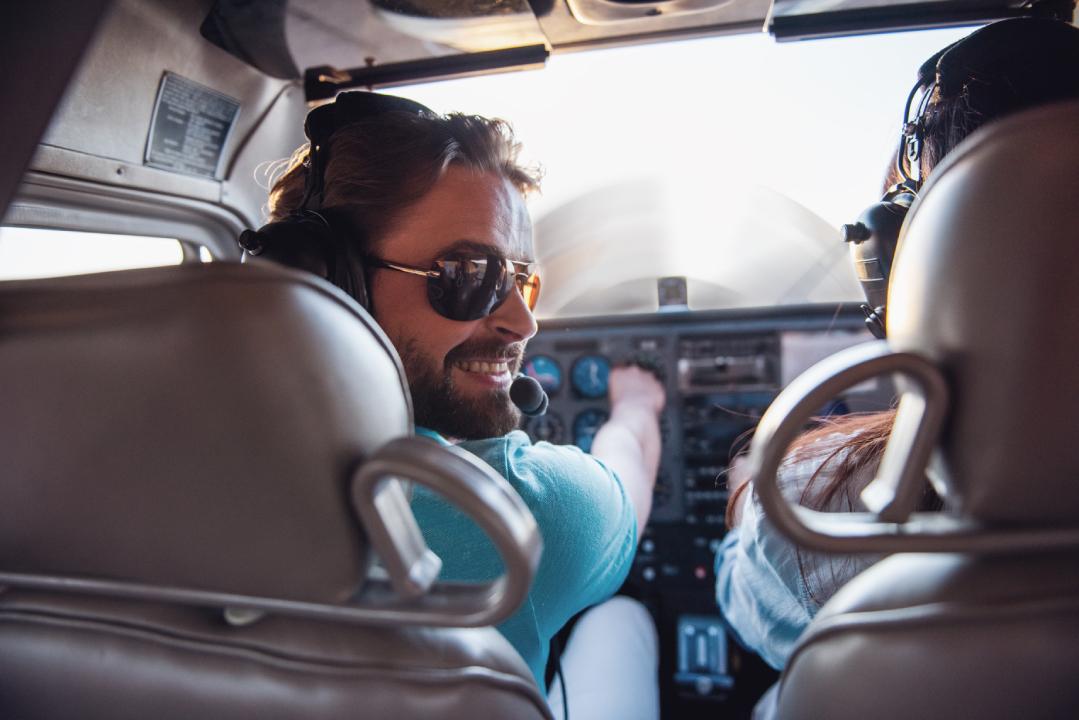
The rule is rooted in 14 CFR 61.31(g), where it says you can't be in command of a pressurized plane that can go up to 25,000 feet or higher unless you've taken some training and got a stamp in your logbook saying you did okay.
That training needs to be from an approved instructor, by the way and its not actually about reaching those altitudes, its about having the capability to do so.
In simple terms: if the plane can fly high and has a pressurized cabin, you need that special endorsement to fly it as the captain even if you don't plan on ever going that high.
Connection to Other Endorsements
14 CFR 61.31 governs multiple endorsements beyond high altitude:
|
Endorsement Type |
Trigger Requirement |
|---|---|
|
Complex endorsement |
Retractable gear, flaps, controllable prop |
|
High performance endorsement |
Engine >200 HP |
|
Tailwheel airplane endorsement |
Conventional gear aircraft |
|
High altitude endorsement |
Pressurized aircraft >25,000 ft ceiling |
|
Type rating |
Aircraft >12,500 lbs or turbojet-powered |
Key Regulatory Points
-
The only time you'll need an endorsement is when you're flying as PIC if you're just the second-in-command or the safety pilot, you might get away without it, but its worth checking with your operator to see what they require
-
No need to worry about a FAA knowledge test or pilot proficiency check just get some ground training, take a few flights and get your instructor to sign you off
-
If you've already done equivalent training through a Part 121/135 operator or the military then you might be able to get away with not needing a separate "high altitude" bit in your logbook
Practical scenario: lets say you're a commercial pilot and you're used to flying a non-pressurised Cessna 182 but you've just got a new job flying a Cessna 414A which is a twin engined pressurised job with a service ceiling of 35,000 feet.
Even if all your flights stay below 18,000 feet you'll still need that altitude endorsement before you can fly the thing on your own. The rule is based on the aircraft, not what you plan on doing with it.
Who Needs a High Altitude Endorsement (and Who Doesn’t)
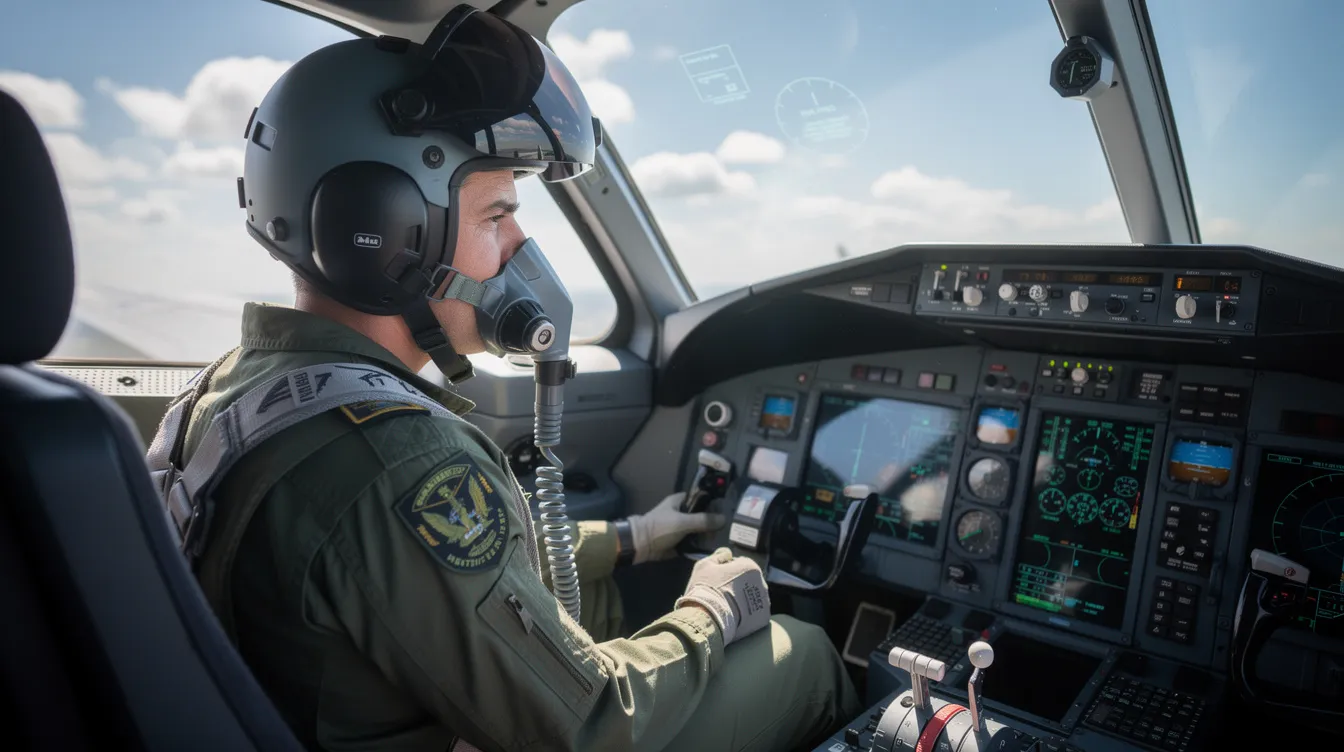
Any pilot acting as pilot in command of pressurized aircraft certificated for service ceiling or maximum operating altitude above 25,000 feet MSL must hold the endorsement, unless already covered by equivalent documented training.
Aircraft That Require the Endorsement (Part 91 PIC Operations)
|
Aircraft |
Service Ceiling |
Endorsement Required |
|---|---|---|
|
Cessna 340 |
~24,600 ft |
Borderline verify specific model |
|
Cessna 414A |
35,000 ft |
Yes |
|
Cessna 421 |
35,100 ft |
Yes |
|
Beechcraft King Air 90 |
35,000 ft |
Yes |
|
King Air 200 |
35,000 ft |
Yes |
|
King Air 350 |
35,000 ft |
Yes |
|
Piper PA-46T (pressurized) |
~30,000 ft |
Yes |
|
Cessna Citation series |
35,000+ ft |
Yes |
|
Learjet models |
45,000+ ft |
Yes |
Aircraft That Do NOT Require the Endorsement
Non-pressurized turbocharged aircraft do not trigger the high altitude endorsement requirement, even if operated at FL180-FL200:
-
Cessna T210 (turbocharged, non-pressurized, ceiling ~25,000 ft)
-
Cirrus SR22 Turbo
-
Piper Turbo Arrow
-
Mooney Acclaim (turbocharged singles)
These planes can climb to oxygen-required altitudes but they don't have pressurised cabins. You'll need to comply with oxygen rules so you don't need the special high altitude operating privilege that comes with the high altitude endorsement but you still need to follow oxygen rules.
Airline and Corporate Pilots
Airline pilots in Part 121 and charter pilots in Part 135 usually get the high altitude training they need from mandatory company programs, often conducted or evaluated by an approved pilot check airman.
They probably won't get a separate logbook entry for the high altitude endorsement. Their training record through the operator will show that they have done the necessary training.
Even though having an ATP certificate gets you a certain level of qualification, you still need to get high altitude training. However, you'll get this training as part of your type rating course or initial airline training.
Beyond FAA Minimums
Insurance companies and corporate flight departments frequently impose stricter standards:
-
Minimum flight hours in pressurized aircraft (often 50-100 hours)
-
Specific simulator events including scripted decompression emergencies
-
Annual or biennial recurrent high altitude training
-
Chapter conducted training documented for insurance purposes
This is because hypoxia and other high altitude sickness, along with pressurisation failures, are rare occurrences but they can have very serious consequences, so everyone needs to be up to date with the skills to handle them.
Logbook Endorsement, Documentation, and Next Steps
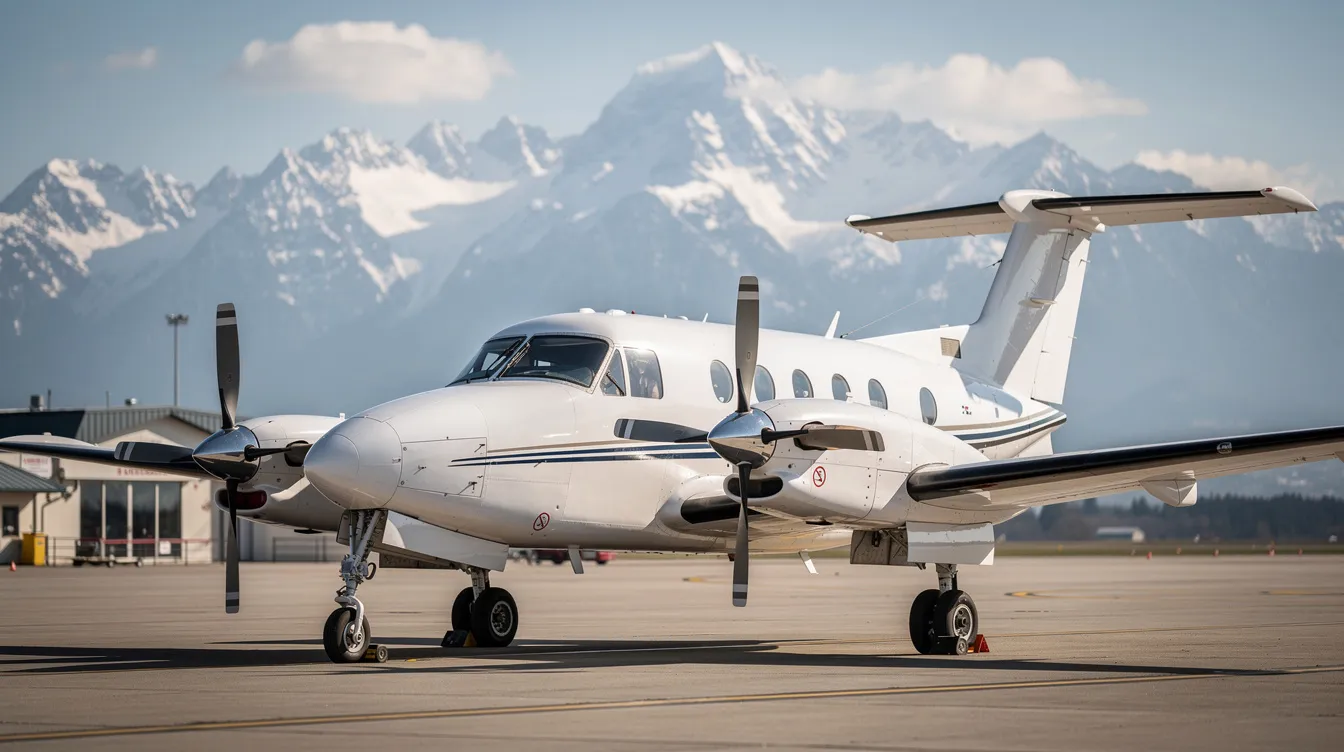
When training is complete, the authorized instructor records the endorsement in the pilot’s logbook or training record with specific required elements to document satisfactory accomplishment of the required high altitude training.
Required Endorsement Elements
The logbook endorsement must include:
-
Date of endorsement
-
Statement referencing 14 CFR 61.31(g) confirming satisfactorily accomplished training
-
Aircraft type or simulator used for training
-
Instructor name
-
CFI certificate number
-
Instructor signature (or electronic equivalent for digital logbooks)
Sample Endorsement Wording
While exact wording should be verified against current FAA Advisory Circulars, typical endorsement language follows this pattern:
“[Pilot Name] has satisfactorily accomplished the ground and flight training required for operating pressurized aircraft certificated with service ceiling or maximum operating altitude above 25,000 feet MSL per 14 CFR 61.31(g) and is proficient to act as pilot in command of such aircraft. [Date] [CFI Name] [CFI Number] [Signature]”
Endorsement Validity and Recurrency
Key points about the endorsement:
-
One-time endorsement does not expire
-
No formal recurrency requirement under FAA regulations
-
Periodic recurrent training strongly recommended, particularly for pilots who don’t operate pressurized aircraft regularly
-
Skills and knowledge regarding go around procedures, crosswind takeoffs at high altitude airports, and wheel landings in tailwheel airplane configurations (if applicable) require practice to maintain
Preparing for the Transition
If you’re planning to move into high altitude operations upgrading from a Cessna 182 to a pressurized Piper PA-46 or King Air, for example, and you recently completed an instrument rating accelerated program, high altitude training can be a smart next step before transitioning into pressurized aircraft:
-
Schedule ground school covering all required training topics before your first high altitude trip
-
Complete simulator or aircraft training at an approved facility
-
Retain documentation of all training completed
-
Verify insurance requirements many underwriters want to see specific flight time in type before providing coverage
Documentation for Career Pilots
Pilots who have completed high altitude training through Part 121/135 operators, military services training, or type rating courses should:
-
Keep copies of training center certificates
-
Maintain airline or operator training records
-
Retain any documentation showing chapter conducted training in person’s logbook or training record
These documents often satisfy 61.31(g) requirements and are frequently requested by insurers or hiring operators evaluating prolonged usage experience with high altitude aircraft.
Moving Forward
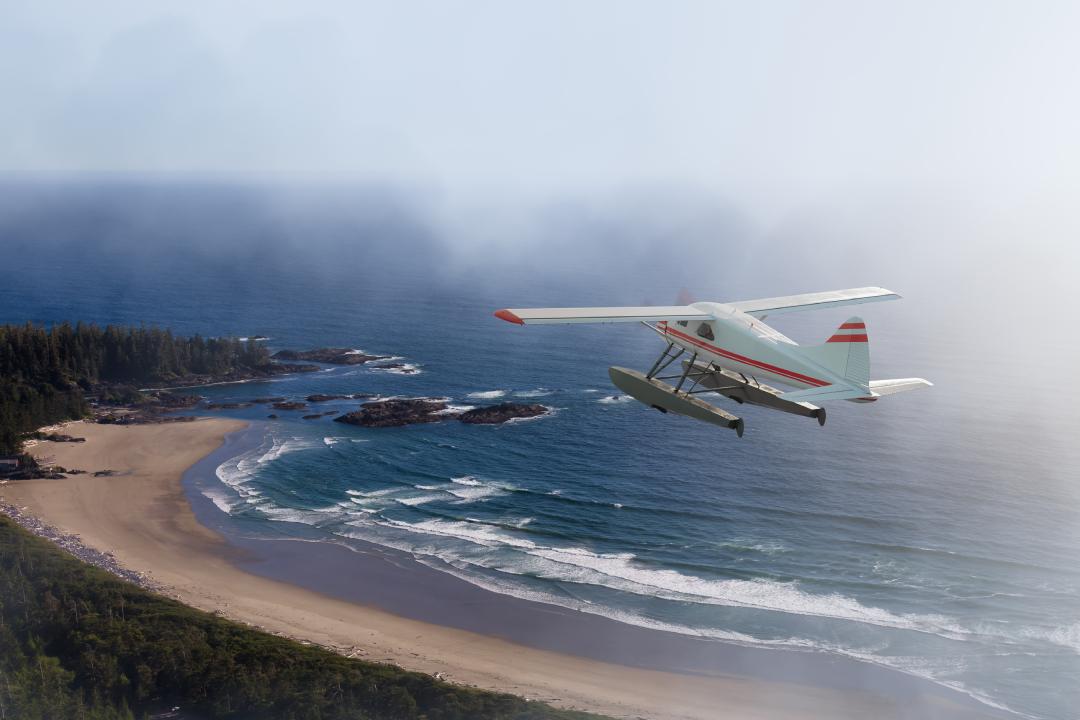
High altitude endorsement is like the key to unlocking the world of flying at the altitudes where the air gets too thin for comfort and your plane has to be able to handle the extreme conditions.
Getting a handle on preventing hypoxia, figuring out pressurization systems and emergency landing procedures isn't just some rule to follow, it's the difference between getting your crew and passengers to safety.
Whether it's a King Air for the corporate scene, or a corporate jet to take things to the next level, this training will get you flying the big leagues.
If you’re still planning your IFR training timeline and wondering how long does it take to get instrument rating, it helps to map that path before moving into advanced endorsements like high altitude training.
Those 14 CFR 61.31(g) rules aren't just a bunch of red tape they're the essential safety net for an environment where even small mistakes can have disastrous consequences.
Take these next steps:
-
Review the current regulatory text at 14 CFR 61.31(g)
-
Research structured high altitude courses that include physiology training and simulated rapid decompression events
-
Connect with an authorized instructor or approved training center to log ground training and complete your endorsement
The altitude is waiting. Make sure you’re prepared to fly there safely.
