How Fast Can a Cessna 172 Fly: Complete Speed Guide
Dec 11, 2025
The Cessna 172 is undoubtedly the most popular light aircraft out there its record-breaking production numbers are proof of that, making it one of the most widely recognized examples of a successful light aircraft in aviation history and a true icon in the world of general aviation airplane operations, especially within the broader family of Cessna Light aircraft.
But for anyone thinking of getting their wings, buying an aircraft, or just generally wants to know what private flying all is about especially within the wider world of private aviation you need to understand how your plane performs. And if there's one thing that matters, it's speed.
Whether you’re planning flight training, considering aircraft ownership, or simply curious about general aviation capabilities, this comprehensive guide will answer the question: how fast can a Cessna 172 fly?
The answer isn’t as straightforward as a single number. Speed in aviation encompasses multiple measurements, varies significantly between different 172 models, and depends on numerous operational factors.
From structural limits to fuel-efficient cruise settings, we’ll explore every aspect of Cessna 172 speed performance to give you the complete picture.
Learn more in Flight Nerd Air Force: Aviation Training
Cessna 172 Speed Overview
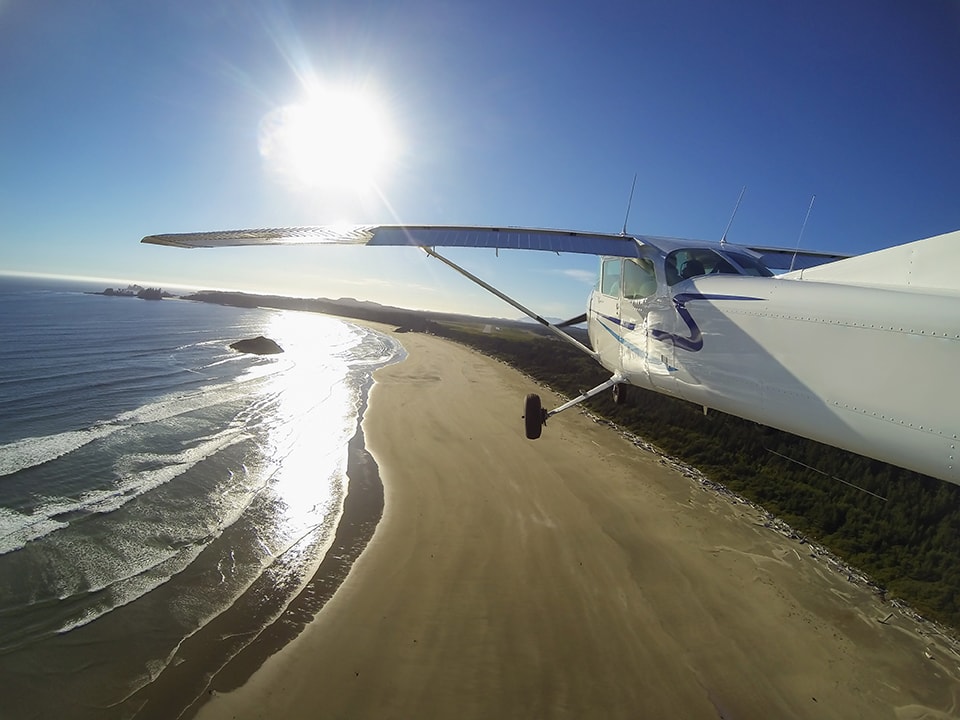
The standard Cessna 172 will go on to cruise at about 140 knots (161 mph) if everything is just right.
But that's just one little snapshot of this aircraft's capabilities the real magic happens in the unusual conditions where most pilots end up flying cruising speeds can vary between 110-125 knots, and that's before you even get to the potential variables of the model, altitude, and how much power you're pushing through.
This wide range also helps pilots understand how cruise performance relates to the aircraft’s top speed under ideal conditions.
If you look at the slow end of the scale, the Cessna 172 really starts to show off different configurations can see stall speeds ranging right down to 40 knots; normal configuration (flaps up and gear up) sees a typical stall speed of 47 knots though. This huge range from 40 knots on up to 140 knots says a lot about how versatile this aircraft is, no matter what you're doing with it.
It's worth noting though that the different 172 variants all behave a bit differently, and you're going to get some pretty big variations in speed performance depending on the production era, specific variant, and just what sort of setup you're using especially considering that the 172 remains one of the most widely produced aircraft in aviation history.
Early models, for example, are likely to be cruising about 5-10 knots slower than the newer variants out there; and if you go down the track and get a specialized unit like the retractable gear 172RG you can expect to see higher cruise speeds.
Wheel fairings can even add a few knots to your cruise training aircraft without them on the other hand will be at the lower end of the speed performance range.
Understanding just how varied your speed performance can be helps explain why the Cessna 172 Skyhawk has become such a mainstay at flight schools all around the world.
Its forgiving stall characteristics, relatively modest cruise speeds, and predictable flying make it a dream to learn in and it still packs enough punch for cross country trips, or just cruising on over to a nearby lake for a little bit of fun.
Different Types of Cessna 172 Speeds
Aviation speed terminology can be confusing for those new to flying, but understanding these different measurements is essential for grasping aircraft performance. Each type of speed serves a specific purpose in flight operations and safety considerations.
Never Exceed Speed (VNE)
-
represents the absolute maximum indicated airspeed that must not be exceeded under any circumstances. For most Cessna 172 variants, VNE is approximately 160 knots indicated airspeed. This red-line limit exists because exceeding it could result in structural failure. The aircraft’s design and certification ensure that normal flight operations remain well below this critical threshold.
Maximum Structural Cruising Speed (VNO)
-
marks the upper limit of normal operations, typically around 127-128 knots indicated airspeed for modern 172 variants. Above this speed and up to VNE lies the yellow arc on the airspeed indicator, where flight is permitted only in smooth air conditions. Most everyday flying occurs below VNO to maintain adequate safety margins.
Cruise Speed at 75% Power
-
represents the most common high-performance cruise setting, typically yielding 120-125 knots true airspeed at optimal altitude. This setting balances reasonable speed with acceptable fuel consumption, making it popular for cross-country flights where time efficiency matters more than fuel economy.
Economy Cruise at 65% Power
-
provides the best balance of speed and fuel efficiency for most operations, typically resulting in 115-120 knots true airspeed. Many flight schools and cost-conscious owners prefer this setting for routine operations, as it significantly reduces fuel burn while maintaining reasonable progress.
Stall Speeds
-
define the slow-speed end of the performance envelope. Clean stall speed (Vs) occurs around 47 knots, while landing configuration stall speed (Vso) with full flaps drops to approximately 40 knots. These low stall speeds contribute significantly to the aircraft’s reputation for gentle handling characteristics.
-
The distinction between indicated airspeed and true airspeed becomes crucial when discussing cruise performance.
-
True airspeed increases with altitude for any given indicated airspeed due to decreasing air density, which is why cruise performance figures are typically quoted as true airspeed at specific altitudes.
Speed Variations Across Cessna 172 Models
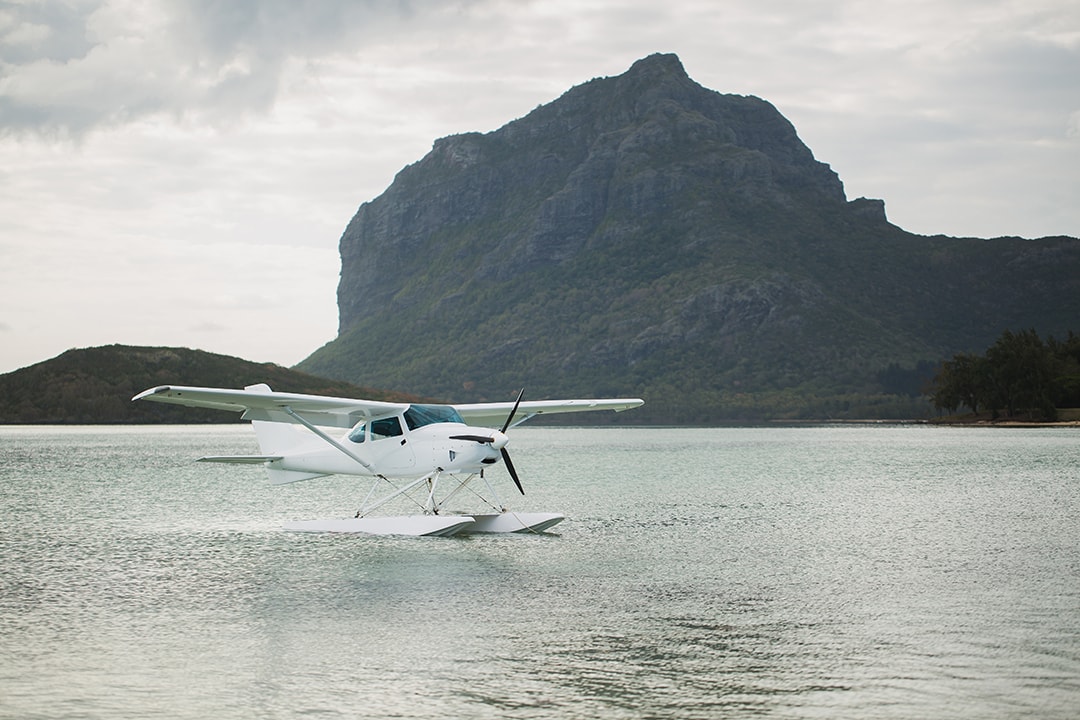
The Cessna 172’s evolution over more than six decades has produced numerous variants with different speed capabilities, primarily driven by engine upgrades and aerodynamic refinements.
Early 172 Models (1956-1967)
-
featured 145-horsepower Continental O-300 engines and represented the baseline performance for the series. These first production models typically cruise at 110-115 knots true airspeed at optimal altitude and power settings. While slower than modern variants, these aircraft established the fundamental design characteristics that would define the entire lineage.
172R Introduction in 1996
-
marked a significant performance upgrade with the introduction of the 180-horsepower Lycoming IO-360-L2A engine. This power increase improved climb performance substantially and pushed maximum cruise speeds to the 120-125 knot range. The additional horsepower also enhanced high-altitude performance and provided better payload capabilities.
172S Skyhawk SP
-
continued the 180-horsepower tradition while adding modern avionics and refinements. Current production 172S models achieve maximum cruise speeds of 124 knots true airspeed according to Cessna’s official specifications, representing the pinnacle of standard 172 performance. These aircraft also feature improved range capabilities, typically covering 640 nautical miles under optimal conditions.
172RG Cutlass with Retractable Gear
-
achieved the highest cruise speeds in the 172 family by eliminating fixed landing gear drag. The retractable gear system allowed cruise speeds approaching 140 knots, though this variant was produced in limited numbers and is no longer in production. The complexity and maintenance requirements of retractable gear ultimately led to its discontinuation.
-
Then there are the high-performance variants like the Hawk XP, which took speed to a whole new level with their 195-horsepower engines and pushed the boundaries of what the 172 design could do highlighting how these improvements begin to resemble characteristics found in faster aircraft, even while retaining the familiar Cessna 172 airframe.
Factors That Affect Cessna 172 Speed
Multiple variables influence how fast a Cessna 172 can actually fly in real-world conditions, often causing significant variations from published performance figures.
Aircraft Weight and Center of Gravity
-
play crucial roles in speed performance. A heavily loaded aircraft requires higher angles of attack to maintain level flight, increasing drag and reducing cruise speed. Maximum gross weight operations can reduce cruise speed by 5-10 knots compared to light-weight conditions.
-
Additionally, improper center of gravity loading can affect both speed and handling characteristics, and it also has a noticeable impact on takeoff distance especially when operating in less-than-ideal conditions.
Altitude and Density Altitude Effects
-
significantly impact engine performance and true airspeed. Higher altitudes provide thinner air, which reduces engine power output but also decreases drag.
-
The net effect typically favors higher altitudes up to the aircraft’s service ceiling, where true airspeed increases even as engine power diminishes. Hot weather conditions create high density altitudes that can dramatically reduce climb performance and maximum achievable cruise speeds.
Weather Conditions
-
present perhaps the most variable speed factor. A strong headwind can reduce groundspeed to 80 knots or less, regardless of the aircraft’s airspeed capability. Conversely, strong tailwinds can produce groundspeeds exceeding 160 knots. Turbulence forces pilots to reduce speed below maximum structural cruising speed for safety and passenger comfort.
Engine Condition and Power Settings
-
directly affect achievable speeds. A well-maintained engine operating at 75% power will significantly outperform one operating at reduced settings due to maintenance issues or conservative leaning procedures. Proper engine leaning techniques can improve cruise speed by several knots while also reducing fuel consumption.
- This is also influenced by how efficiently fuel is delivered to the engine a concept explained further in the Fuel System Cessna 172, which plays a key role in stable power output and overall performance.
Aircraft Configuration
-
encompasses numerous speed-affecting factors. Extended flaps dramatically reduce maximum safe speeds full flaps limit speed to approximately 85 knots. Landing gear position affects both drag and maximum speeds. Even smaller items like wheel fairings, antennas, and external equipment can impact cruise performance by 2-5 knots.
-
Temperature and pressure variations affect air density, directly influencing both engine performance and aerodynamic efficiency. Standard day conditions at sea level provide baseline performance figures, but real-world flying rarely occurs under these ideal conditions.
Real-World Speed Performance
Understanding published performance figures is important, but real-world operations often differ significantly from manufacturer specifications and flight test data.
Typical Flight School Operations
-
usually see cruise speeds in the 110-115 knot range. Training aircraft configurations often omit wheel fairings for easier maintenance and ground operations, reducing cruise speed by several knots.
-
Additionally, flight schools frequently operate at conservative power settings to reduce engine wear and fuel costs. Student pilots and instructors typically fly at altitudes below optimal cruise levels, further reducing achievable speeds.
Cross-Country Flights
-
under favorable conditions can achieve 120-125 knots cruise speeds in well-equipped aircraft. Pilots planning longer trips often climb to 6,000-8,000 feet where engine efficiency improves and true airspeed increases for any given power setting. Proper flight planning, including weight distribution and fuel management, helps optimize cruise performance.
Speed Comparison with Other Aircraft
-
in the training category shows the 172’s competitive position. Most comparable training aircraft like the Piper Cherokee or Diamond DA40 cruise within 5-10 knots of the Cessna 172’s speed range. The 172’s advantages lie more in handling characteristics, availability, and low operating costs than in pure speed performance.
Speed vs Efficiency Considerations

The relationship between speed and operating efficiency represents a critical decision point for every Cessna 172 flight, whether in training or personal transportation.
Optimal Cruise Speeds for Fuel Economy
-
tend to kick in at 65% power settings, which will give you a cruise speed of around 115-120 knots that's a pretty efficient 8-10 gallons per hour.
-
This power setting is just about the sweet spot when it comes to speed vs fuel burn, which is why it's so well-suited to training ops and owner of small planes who need to keep costs down. The slight slow down compared to higher power settings will actually pay for itself in the end with all those savings on fuel.
Time Savings Analysis
-
shows that if you crank up the power from 65% to 75%, you'll get an extra 5-10 knots but at the cost of 20-30% more fuel consumption.
-
Now for short flights under 100 nautical miles, the speed increase only saves you maybe 3-5 minutes, but boosts your operating costs a lot. On longer flights though, the time savings starts to make more sense, and you might find that higher power settings actually make more sense for cross-country travel.
Power Setting Recommendations
-
vary depending on what phase of flight you're in and what the mission is. Take-off and climb need maximum power, for safety and efficiency. Climb and cruise again usually runs at 75% power until you reach cruise altitude, then you can drop right back down to 65-70% for a more economical cruise.
-
And when it comes to approach and landing, you need to carefully manage your speed with a bit less power and some careful configuration changes.
