Fuel System Cessna 172: Full Operation & Maintenance Guide
Dec 12, 2025
Key Takeaways
-
Cessna 172 features a gravity-fed fuel system with dual wing tanks holding 56 gallons total (53 gallons usable)
-
The four-position fuel selector valve (BOTH, LEFT, RIGHT, OFF) allows pilots to manage fuel flow from either or both tanks
-
System includes redundant fuel pumps engine driven mechanical pump and electric auxiliary pump for safety
-
Proper venting through interconnected tank vents prevents vacuum formation and ensures continuous fuel flow
-
Regular fuel system inspections and drain checks are essential for detecting contamination and maintaining airworthiness
- Learn more in Flight Nerd Air Force: Aviation Training
Cessna 172 Fuel System Architecture
The Cessna 172 has a pretty clever fuel system that's just plain smart. With its high wing design, gravity gets to do some of the heavy lifting literally. Unlike aircraft with the engine down low, the 172's wing-mounted tanks sit above the engine compartment, so gravity can do its thing and help get the fuel where it needs to go.
This fundamental design creates several operational advantages. The system maintains constant fuel pressure through gravitational force, reducing dependency on mechanical pumps and providing a natural backup should electric fuel pump systems fail.
The Federal Aviation Regulations require gravity fed fuel systems to deliver 150% of the engine’s maximum fuel consumption rate, compared to only 125% for pump-fed systems in low wing aircraft.
The fuel system itself is made up of 2 tanks that live up in the wing, and they're connected up with a pretty smart system that keeps the air pressure in check.
One side feeds into the other, and then you've got your selector valve, your fuel strainer at the bottom of the works, and finally the engine gets its fuel fix through either a carburetor or fuel injection system - depending on which model you've got.
Modern Cessna 172S models utilize fuel injection systems with an engine driven fuel pump and electric auxiliary pump, while earlier carbureted versions like the 172N rely primarily on gravity feed with minimal pump assistance.
This evolution reflects improvements in fuel metering precision and cold-weather starting reliability while maintaining the proven gravity fed foundation.
One of the neat things about this system is how well it integrates with the rest of the plane. You get your fuel level info in real time from the tank float transmitters that's the clever bits that show you how much fuel is left, and it's all displayed on your analog gauges or your digital engine display if you're lucky enough to have a glass cockpit, which also connects to performance considerations often asked by pilots such as how fast can a Cessna 172 fly.
Wing Tank Configuration and Capacity
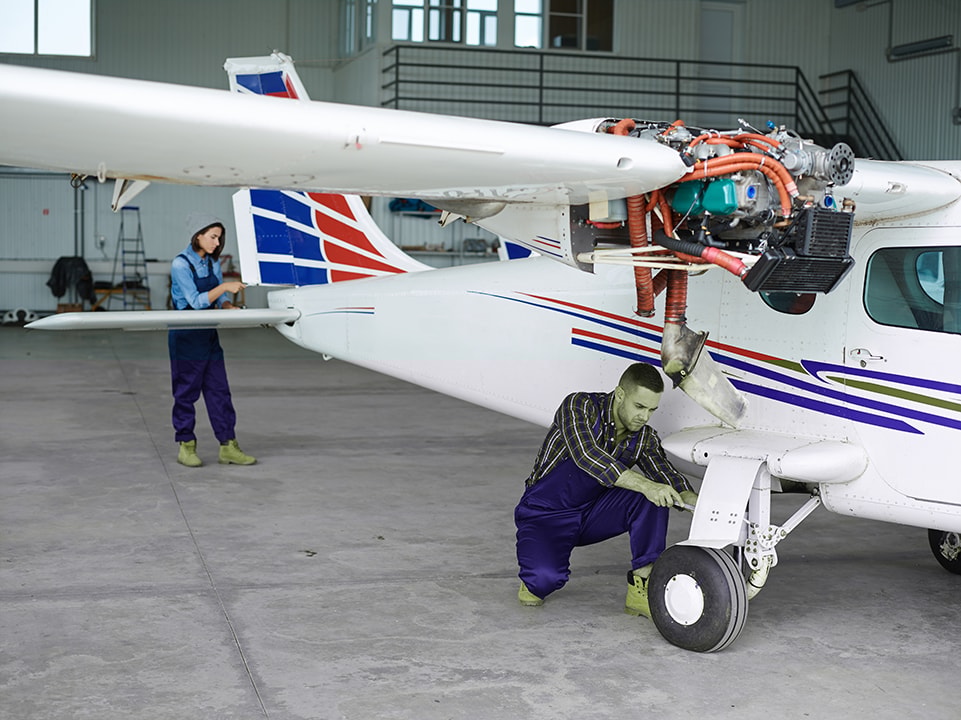
The Cessna 172 has an integrated wing tank system that uses the space inside the wing itself for its fuel reservoirs, rather than a separate bladder type system.
This clever design maximizes the amount of fuel each wing can carry without adding unnecessary weight and without compromising the integrity of the wing structure.
The fuel capacity varies a bit depending on the specific model of 172 you're flying, with 172S models having 28 gallons per wing and a total capacity of 56 gallons.
But the reality is that only about 53 gallons of that is usable fuel the remaining 3 gallons are the unusable reserve that stays at the bottom of the tank. Older 172N training planes have even smaller capacity tanks, just 21.5 gallons per wing for a total of 43 gallons with about 40 gallons usable.
The tanks are made from the same high-grade aluminum used throughout the aircraft, sealed with special fuel resistant treatments to keep any fuel from leaking out and withstand the temperature changes that come with flying.
Each tank has a few easy access points including the fuel tank fill caps, a simple gauge to show the fuel level, and a drain valve at the bottom for getting rid of any contaminants.
The fuel level is measured by special float based transmitters that send a signal to the gauges in the cockpit, showing both the gallons and pounds of fuel left in the tank.
Those gauges come with an empty mark, but and don't let this fool you the regulations only require the gauges to be accurate once the tank is completely empty which is why its still super important to do those visual checks and keep an eye on your consumption if you want to avoid running out of fuel.
The way they've designed the strut attachment points and tank boundaries means that there's no real danger of fuel sloshing back and forth between the two wings during normal flight.
However, the way the vents work means that when the plane is parked or you're doing some kind of uncoordinated flying the fuel will start to transfer between the two wings which is why its super important to make sure you're using the right fuel selector when you're refueling or else you could end up with a bit of a problem.
Fuel Selector Valve Operation and Positions
At the heart of fuel management in a Cessna 172 is that four position fuel selector valve you'll find on the cabin floor, nestled between the pilots seats.
Its a big deal because it controls how fuel flows from the wing tanks to the engine - basically offering 4 choices: Both, Left, Right and Off.
The 'Both' position lets fuel draw from both tanks at once, making it the go to choice for most flight operations. I see it specified in the manuals as the default for takeoffs, climbing, descending and just about any other time your flying like a madman.
This position gives you the most fuel and helps prevent starvation if one tank decides to play up during an unusual attitude or a bit of uncoordinated flying.
Switching to LEFT or RIGHT positions is about balancing fuel in the tanks during long cruise flights. If one tank is way fuller than the other, you can switch to the fuller tank to even things out.
That being said this should only be done when flying level & coordinated. Do it in a steep turn or any other tricky maneuver and there's a risk of starving the engine.
The 'Off' position takes fuel flow away from the engine lock stock and barrel. Its also critical in times of trouble like an engine fire or an emergency landing. Beyond just shutting off the engine, the OFF position lets you kill fuel flow fast when you need to in an emergency.
To use the fuel selector valve properly you need to understand how the tanks work together. When both are on they can cross feed through the venting system which can cause issues when trying to fill the tanks.
Lots of manuals will tell you to pick LEFT or RIGHT when refueling to get the most out of both tanks.
In the event of fuel system failure, some smart thinking with the fuel selector valve can get you back to normal. Choose the other tank if its been compromised by contamination or some other problem, and you can get back to business.
Understanding these procedures and practicing them in a simulator or training flight is what gives pilots the muscle memory they need to stay on top of things in a real emergency.
Fuel Delivery and Filtration Components
Fuel Pumps
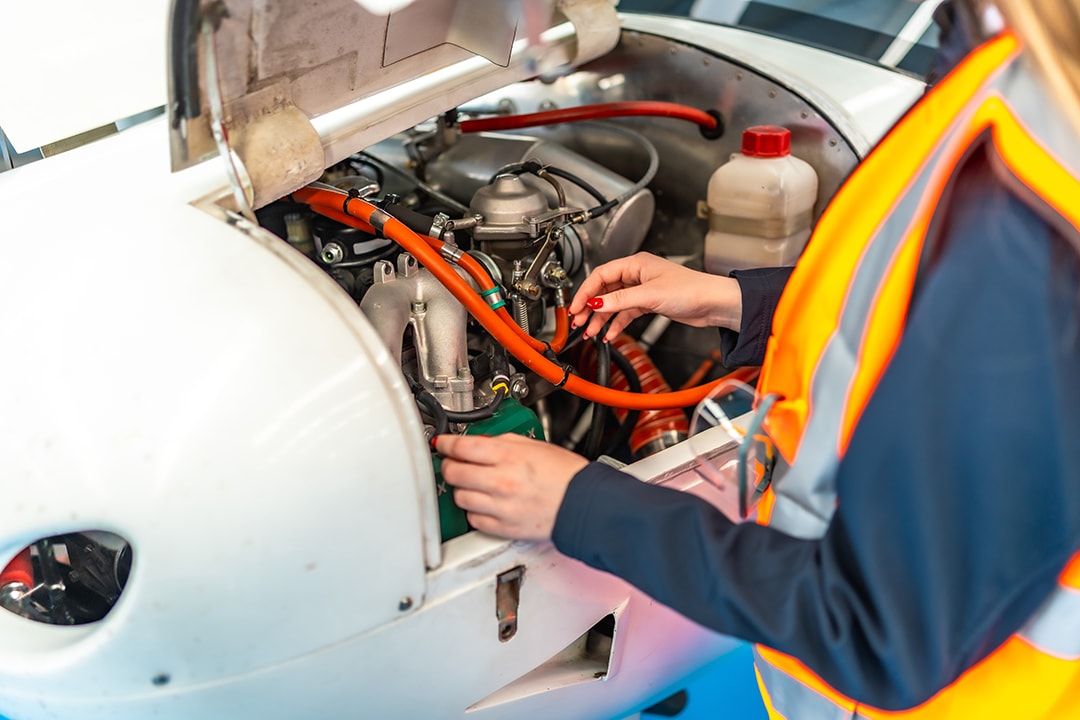
The fuel delivery system in a Cessna 172 incorporates multiple pump configurations depending on whether the aircraft features carburetion or fuel injection.
Carbureted models like the 172N often rely primarily on gravity feed with minimal pump assistance, while fuel-injected variants such as the 172S utilize both engine driven and electric pumps to maintain proper fuel pressure throughout the injection system.
The engine driven fuel pump is the main event when it comes to fuel injected aircraft. This baby is driven by the engine's accessory case and it's the thing that gives you the constant fuel pressure you need for proper fuel injection operation.
Now, don't get me wrong, carbureted systems are just fine with not a lot of pressure, but when you're dealing with injection systems, you need that pressure to be just so, or you'll end up with all sorts of trouble with the fuel air control unit and distribution manifold.
Electric auxiliary pumps complement the mechanical system by providing backup capability and supporting specific operational phases. The aux fuel pump typically operates during engine start procedures, particularly for hot starts where vapor lock might compromise mechanical pump priming.
It also serves as an essential backup should the engine driven pump fail during flight, maintaining fuel pressure until landing can be accomplished.
If you're flying a 172RG, you're probably working with both engine driven and electric auxiliary pumps as standard gear.
That's because the retractable gear and all that extra performance capability mean you need a bit more oomph in the fuel department and you need it to be reliable. So, the dual pump system is the way to go it's got you covered under all sorts of flight conditions and gives you that extra safety net just in case.
Nowadays, fuel injection systems have got a bunch of built in safety features to stop you from over-pressurizing things. So, the aux pump runs at a nice, safe 0.5 PSI, which is just enough to get the job done without blowing anything up.
Filtration and Contamination Prevention
Fuel contamination's a major flight safety threat, so effective filtration all the way through the fuel delivery system is pretty essential. And on the Cessna 172, they've gone to some trouble to have multiple filtration stages working to catch all types of contaminants before they get to the engine.
The main filtration bit is a device called a gascolator, also known as a fuel strainer, and its located down at the lowest point in the fuel system. This thing has not only a fine filter but also catches water because its equipped with a metal mesh screen and the water just settles in a pretty little bowl at the bottom.
It makes sense that the gascolator would be at the lowest point by doing that, it means both water and sediment collect there and then you can just drain it out during your pre-flight checks.
They've also got some additional mesh screens in the fuel lines and tank outlets that give you a bit of a coarse filter before the fuel hits the main strainer. These screens catch all the bigger bits that might otherwise clog up the downstream parts - and they really are an important first line of defense in stopping contamination in the first place.
Water separation capabilities are particularly important in aircraft operations, as water contamination can cause immediate engine failure.
The fuel system design allows water to separate naturally through gravity, settling at low points where drain valves permit removal during preflight procedures. The blue color of 100LL aviation gasoline aids in visual contamination detection, as water appears clear and settles below the blue fuel in sample containers.
Sediment tends to collect all over the fuel system but ends up concentrating down in the points where you've made it easy to drain it out during pre-flight checks.
Each wing tank has a drain valve at the bottom and the main gascolator is where all the sediment gets collected from the whole system. And the regular draining of all this out removes the lovely, accumulated contaminants before they can start playing up the engine.
Fuel System Venting and Pressure Management
Proper venting ensures that fuel can flow freely from the tanks to the engine by maintaining atmospheric pressure within the fuel system. Without adequate venting, fuel consumption would create a vacuum within the tanks, eventually stopping fuel flow and causing engine failure.
The Cessna 172’s venting system addresses this critical requirement through an interconnected design that equalizes pressure between tanks while venting to atmosphere.
This entire pressure-balancing process relies heavily on a properly functioning fuel vent, which ensures uninterrupted airflow into the system.
The venting system connects both fuel tanks through internal lines that allow air movement between tanks as fuel levels change.
This interconnection ensures pressure equalization even when fuel burns unevenly from one tank, preventing vacuum formation that could impede fuel flow. The system typically routes from the right fuel tank to the left tank through internal connecting lines.
The left wing is the primary point where the vent system lets air in and out there's a vent line that runs from the left tank out to the lower surface of the wing, near the wing strut.
That vent line has a check valve that lets air in, but prevents fuel from spilling out when you're maneuvering the plane, or when it's parked on uneven ground. And don't forget to keep the external vent opening clear no insects, no ice, no paint overspray that could block the airflow.
The right fuel tank filler cap also provides venting capability through specially designed cap assemblies that allow controlled air exchange while preventing contamination entry. This dual venting approach provides redundancy and ensures proper pressure management under various operational conditions.
Vent system blockages create serious operational hazards that can lead to fuel starvation and engine failure. Blocked vents initially reduce fuel flow rate, potentially causing engine roughness or power loss.
Complete blockage eventually stops fuel flow entirely, making vent system inspection a critical preflight requirement. Pilots should visually check external vent openings and verify that tank caps properly seal while maintaining their venting function.
Troubleshooting the vent system can be a bit of a challenge but basically, you need to work methodically through all the components of the system. If you've got a blocked vent, you might notice a few things like a decrease in fuel flow, or engine roughness, or maybe the fuel gauge isn't playing ball.
Before you take off, do a bit of a visual check on the external vents, and make sure that the fuel caps are looking okay no signs of damage, or that they're properly installed, which could compromise the venting function.
Operational Procedures and Safety
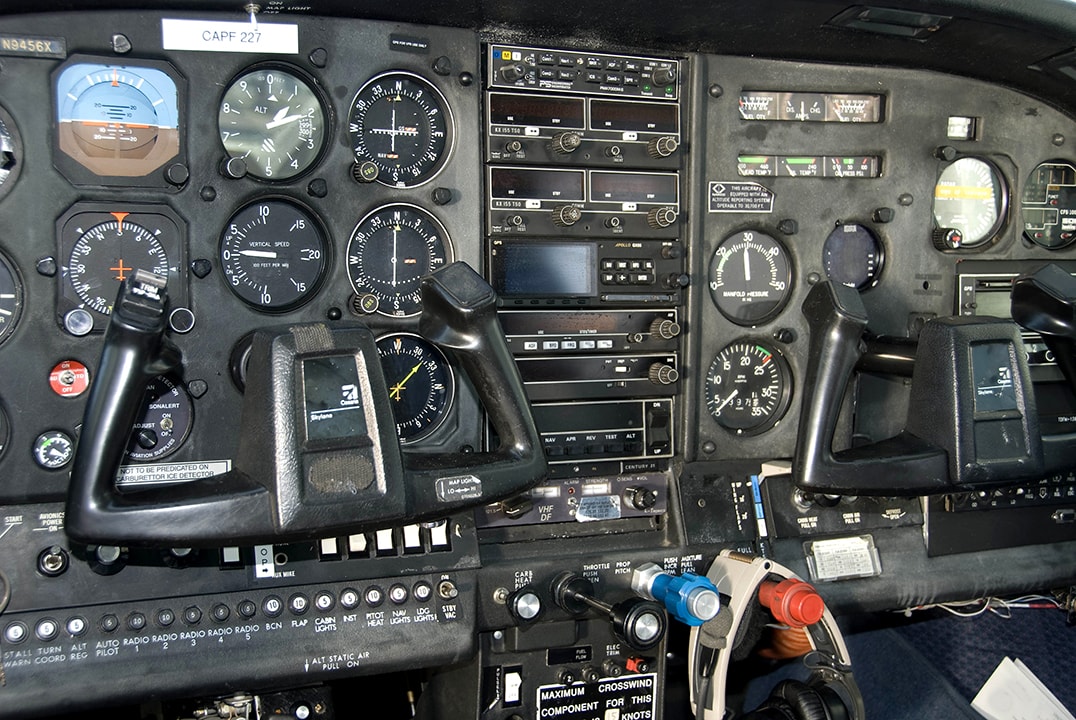
Safe fuel system operation starts with doing a super thorough pre-flight inspection to make sure everything is in good nick and to sniff out any potential contamination before you even take off. These checks form the bedrock of fuel system safety and you need to do them every single time before you fly.
Before you take off, you need to do a pretty thorough fuel system check that's got loads of checkpoints to identify any issues that could mess up your flight. Give the fuel caps a good once over to make sure they're properly fitted and sealed - you don't want any fuel leaking out or contamination getting in the tank while you're up in the air.
Fuel quantity verification involves both gauge readings and visual confirmation of fuel levels, though pilots should rely primarily on fuel consumption calculations rather than gauge indications for accurate fuel management.
This verification is typically done by cross-checking the gauges displayed on the Cessna 172 instrument panel, ensuring pilots have reliable information before departure.
Daily fuel drain procedures represent the most critical contamination detection method available to pilots. Each aircraft includes multiple drain points: individual wing tank drains at the tanks’ lowest points and a central fuel strainer drain that collects system-wide contamination.
Proper draining technique involves collecting fuel samples in clear containers, checking for water separation, sediment presence, and correct fuel color.
Water contamination's a big no-no - it shows up as clear liquid that's sunk to the bottom of the container. Even tiny amounts can bring the engine down, so make sure you get all that water out. Sediment contamination's a bit more tricky - you'll see particles or the fuel's got a funny color, which could mean there's some sort of problem with the tank or the fuel itself that you need to look into before you fly.
Fuel selector valve positioning follows specific procedures for different flight phases. The BOTH position provides maximum fuel availability and should be used for takeoff, climb, descent, landing, and any maneuvers involving prolonged slips or coordinated flight.
Single tank operation on LEFT or RIGHT is reserved for level cruise flight when fuel balancing becomes necessary.
Emergency procedures for fuel system malfunctions require immediate recognition and appropriate response. Fuel starvation symptoms include engine roughness, power loss, or complete engine failure despite having fuel remaining in the tanks.
Immediate response involves switching to the opposite tank or BOTH position while troubleshooting the cause. Engine failure procedures include fuel selector positioning, pump switches, and mixture controls as specified in aircraft operating handbooks.
Fuel contamination during flight may manifest as engine roughness, power fluctuations, or abnormal engine indications.
While contamination usually appears during pre-flight inspection, changes in atmospheric conditions can cause previously dissolved water to separate or existing contamination to affect engine operation. Recognition of these symptoms and appropriate emergency procedures can prevent complete engine failure.
Maintenance and Troubleshooting
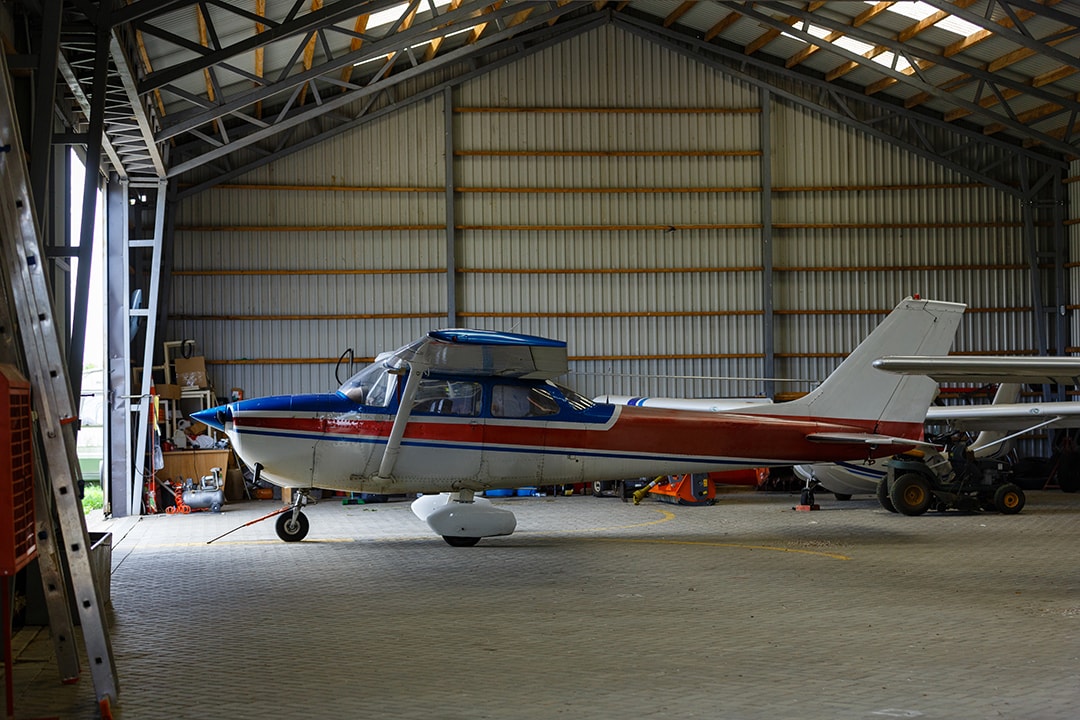
Proper maintenance ensures fuel system reliability while preventing common problems that compromise flight safety. Understanding maintenance requirements helps pilots identify when professional attention is needed and ensures compliance with regulatory inspection requirements.
You can expect to do regular inspections every year or every 100 hours, depending on which comes first, and this needs to be done by a certified mechanic who knows what they're doing. They'll check the fuel system over for signs of wear, leaks and all that.
You'll also want to check the fuel tank to make sure it's in good shape, check the fuel lines for any cracks or leaks, and make sure the fuel pumps are working right and putting out the right amount of pressure. And of course you'll need to check the selector valve to make sure it's working right in all positions.
Fuel tank servicing involves periodic cleaning and inspection procedures that remove accumulated sediment and verify structural integrity.
Professional maintenance includes tank interior inspection using specialized equipment to detect corrosion, loose rivets, or sealant deterioration that could lead to leaks or contamination. Tanks may require resealing or bladder replacement after years of service depending on construction type and operating environment.
Common fuel system problems include fuel cap seal deterioration, fuel pump wear, clogged fuel strainers, and vent system blockages.
Fuel caps with damaged seals allow water entry and can permit fuel siphoning during flight, creating both contamination and quantity loss issues. Worn fuel pumps may produce inadequate pressure for injection systems or fail completely during operation.
Clogged fuel strainers typically result from inadequate fuel drainage procedures or contaminated fuel services. Symptoms include fuel flow restrictions that may manifest as engine roughness at high power settings or during climb operations. Preventive maintenance involves regular fuel strainer cleaning and replacement according to manufacturer schedules.
The schedule for replacing components depends on a whole bunch of factors how many hours the thing has been in service, how long it's been since the last inspection, etc.
Fuel pumps typically need to be replaced after so many hours of use, or if the pressure they're putting out drops below spec. And even if it doesn't look like there's a problem, the fuel lines and fittings might need to be replaced just because of age.
When you do your annual inspection, you really need to pay special attention to your fuel system. You should be checking for leaks using some special techniques that can spot even tiny leaks.
You need to check the fuel selector valve to make sure it's working right, check the pump pressure, check the vents to make sure they're not clogged and take a look at the contamination history to see if there are any patterns that need to be addressed.
When you need to troubleshoot the fuel system, it's all about being methodical and figuring out what's going on. If there's an engine problem that's thought to be caused by fuel issues, you need to rule out any other possibilities before you start looking at the fuel system.
And once you do start looking, you need to go through the whole process in a logical way, so you don't end up with a wrong diagnosis and make the problem worse.
