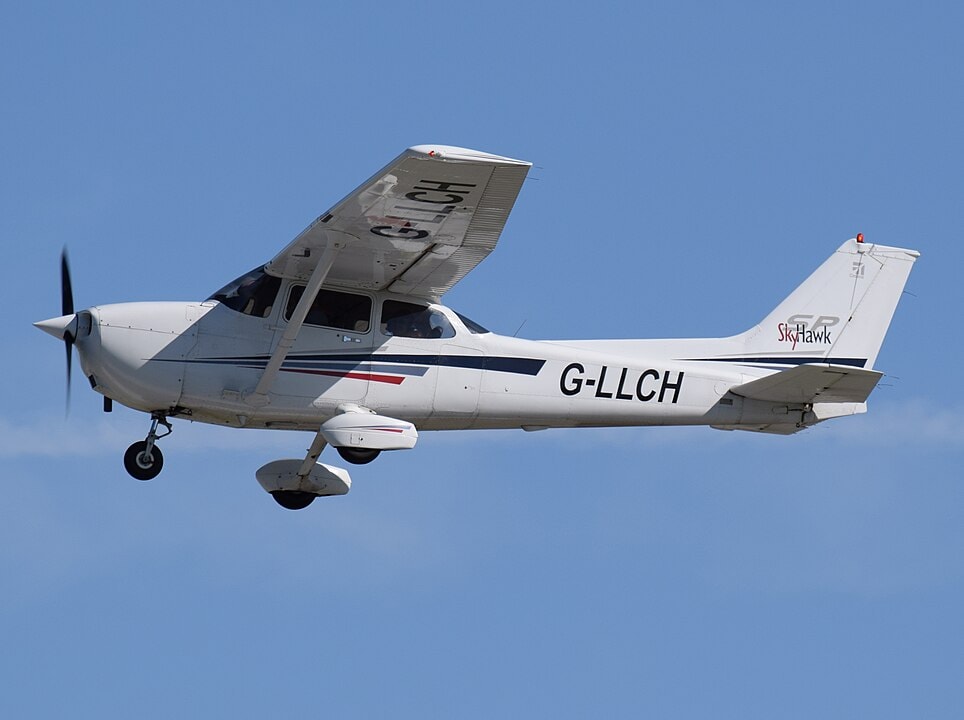
Fuel for Cessna 172: Approved Types, Burn Rates & Costs
Dec 18, 2025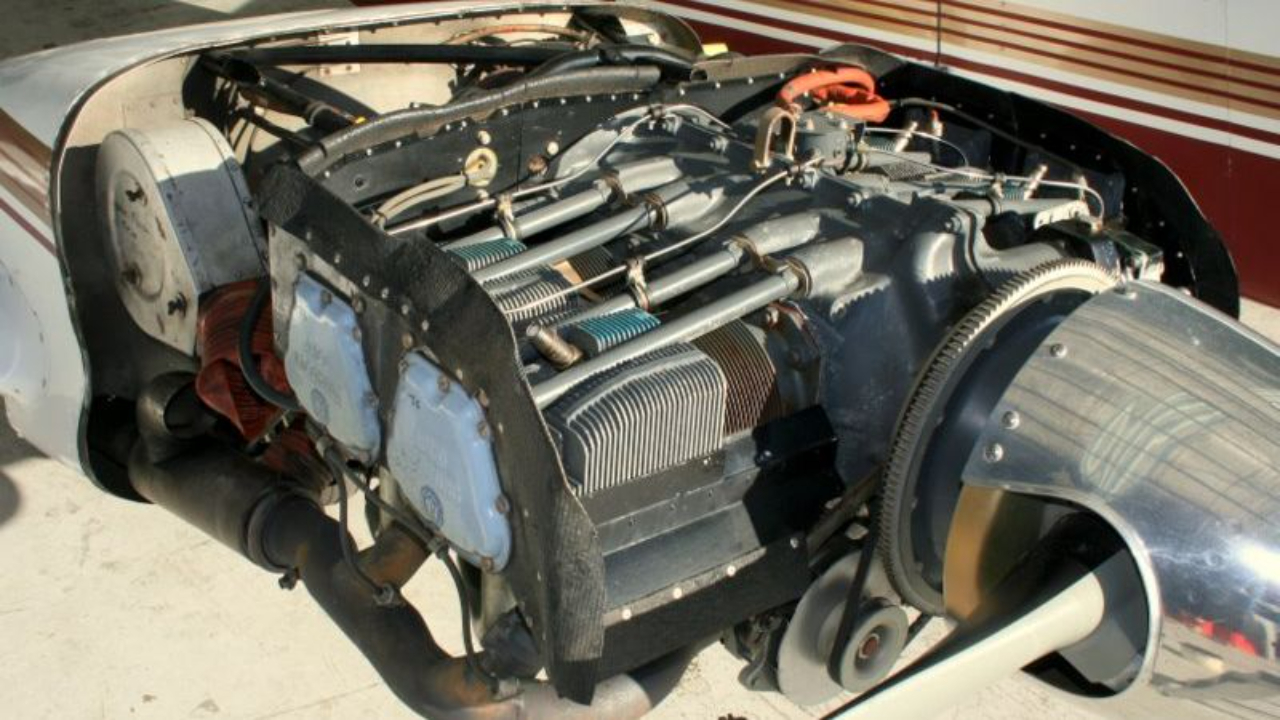
Discover everything you need to know about fuel for Cessna 172, the world’s most popular general aviation aircraft.
From traditional 100LL avgas to new environmentally friendly alternatives, learn how fuel choices impact performance, cost, and sustainability. Keep reading to optimize your Cessna 172’s fuel use and flight experience.
Introduction to Aviation Fuel
Aviation fuel is what keeps general aviation aircraft airborne powering training flights, weekend getaways and the occasional adventure across country.
For pilots flying the Cessna 172, 182 & 206, the go-to fuel has for a long time been Avgas a specialized gasoline formulated to meet the one of a kind demands that aircraft engines require but that is changing. As the aviation world starts to take a greater interest in going green there's a growing number of environmentally friendly options becoming available.
More & more pilots & aviation enthusiasts are now looking at alternative fuels like 91-octane unleaded (91UL) 94UL and 100VLL (very low lead) all of which are now accepted in many Cessna models.
These lower-lead fuels not only reduce emissions & carbon footprint, but they are a smart choice for anyone who wants to take care of their engine & the planet at the same time
Understanding the different types of fuel available, what they do & what models they will work with is crucial to safe & efficient flight planning whether you're flying a vintage Cessna 172 or another GA aircraft choosing the best fuel can end up saving you cash, avoiding engine damage & helping to make aviation a more sustainable part of our lives.
Approved Fuel Types for Cessna 172
The fuel system in modern Cessna 172 aircraft has got a number of approved aviation gas types each designed to meet the Lycoming engine specific octane needs while also dealing with the environmental impacts that go along with them.
Cessna piston-powered aircraft, including the Cessna 172, are approved to use more environmentally friendly aviation gasoline (AvGas), as certified by the company, Textron Aviation.
When considering alternative fuels, it is important to note that automotive gasoline (mogas) can only be used in a Cessna 172 if the aircraft has a specific Supplemental Type Certificate (STC) for both the engine and airframe.
Textron Aviation, through its utility sales initiatives, is committed to promoting sustainable and environmentally friendly fuel options for Cessna aircraft. Chris Crow, vice president of Piston & Utility Sales at the company, has emphasized the importance of these efforts in supporting aircraft owners and advancing environmentally responsible aviation practices.
100LL AvGas: The Traditional Standard
100LL (100 octane low lead) aviation gasoline is still the most widely available fuel for Cessna 172 flying. Its that blue colored avgas that the majority of the world's Cessna piston aircraft have been running on for years & while things are changing the majority of the fleet is still burning this stuff.
The Lycoming O-320 and IO-360 engines in three piston aircraft models (172N, 172R, and 172S) were originally certified for 100LL, so it’s no surprise these Cessna variants remain fully approved to operate on this fuel today.
Newly Approved Unleaded Alternatives
Textron Aviation made a pretty big announcement in 2024, they were adding in 3 new environmentally friendly avgas options. These new alternatives - all approved for use in both new production and existing Cessna models should make things a lot easier if you're one of those environmentally conscious pilots.
-
91UL (91 octane unleaded): Suitable for many piston aircraft models with lower compression engines
-
94UL (94 octane unleaded): Provides higher octane rating while eliminating lead content
-
100VLL (100 octane very low lead): Offers traditional octane performance with dramatically reduced lead emissions
Lycoming Engine Certification
Lycoming recently approved these alternative fuels for use in their engines across the entire Cessna 172 lineup three Cessna models, to be specific.
This certification isn't just for new aircraft, though they've also got the existing fleet of Cessna piston planes covered. That means compatibility across the board, whether you're buying new or flying an older model.
The octane rating plays a big part in this. Simply put, higher octane helps prevent your engine from kicking back at you when you're flying hard and fast. And the fact is 100LL gives you the maximum margin of safety when it comes to that.
But the unleaded alternatives, they're a better choice for day-to-day flying because they still offer plenty of octane without the nasty environmental impact of good old leaded aviation fuel.
Learn more in Flight Nerd Air Force: Aviation Training
Fuel Consumption and Performance
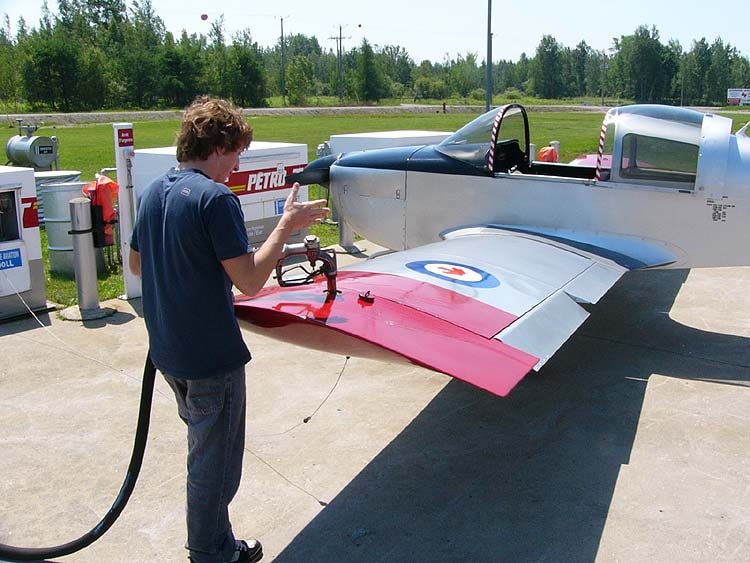
Understanding fuel consumption patterns helps pilots plan flights effectively and manage operating costs. Operating expenses for a Cessna 172 vary depending on factors such as usage, location, and aircraft age. The variable operational costs of a Cessna 172 average between $100 to $200 per hour.
The Cessna 172 demonstrates predictable fuel burn characteristics across different flight conditions, largely influenced by how smoothly pilots manage power using the Cessna Throttle.
Standard Consumption Rates
Cessna 172 aircraft typically consume 7-9 gallons per hour during normal operations. This fuel consumption rate varies depending on several factors including altitude, power settings, and aircraft configuration. At cruise power settings between 65-75%, most pilots can expect approximately 8-8.5 gallons per hour fuel burn.
Factors Affecting Fuel Consumption
Several factors significantly impact how much fuel your Cessna 172 will consume:
-
Altitude: Higher altitudes generally improve fuel efficiency due to reduced air density
-
Power settings: Lower power reduces fuel consumption but affects speed and climb performance
-
Aircraft weight: Heavier aircraft require more power and consume more fuel
-
Weather conditions: Headwinds increase fuel consumption while tailwinds improve efficiency
-
Engine mixture settings: Proper leaning techniques can reduce fuel consumption by 10-15%
Fuel Capacity and Range
A Cessna 172 standard aircraft comes with a total fuel capacity of 53 gallons, but be realistic - only 50 of those gallons are actually useful for flight planning purposes. This set up gives you an estimated range of around 640 nautical miles under normal cruise conditions providing you plan for some extra fuel in reserve.
If you want to go a bit further, extended range options are worth looking into. Add some auxiliary fuel tanks and you can get this baby up to an impressive 885 nautical miles more than enough for a cross-country flight without needing to make an unscheduled fuel stop.
But when it comes to flight planning, it's not just about filling up the tanks and heading off you also have to worry about payload. Because when you're at full fuel capacity, your aircraft is going to be maxing out its gross weight limits, and that means you need to be super careful about how much baggage and passengers you carry.
Fuel System Components and Operation
Understanding the Cessna 172 fuel system helps pilots operate their plane safely and troubleshoot potential issues during flight operations, especially when managing these systems from the Cessna 172R Cockpit during normal and abnormal flight scenarios.
Wing-Mounted Tank Configuration
The Cessna 172 utilizes a gravity-feed fuel system with two wing-mounted tanks, each holding approximately 26.5 gallons of usable fuel. This high-wing design provides natural fuel flow to the engine without requiring complex pump systems found in fixed wing aircraft with low-wing configurations.
The tank design includes:
-
Individual tank capacity: 28 gallons total, 26.5 gallons usable
-
Combined usable fuel: 53 gallons
-
Unusable fuel: 3 gallons (certification requirement)
-
Fuel quantity indicators for each tank
Fuel Selector Valve Operation
The fuel selector valve allows pilots to control fuel flow from the wing tanks to the engine. Standard positions include:
-
LEFT: Draws fuel exclusively from left wing tank
-
RIGHT: Draws fuel exclusively from right wing tank
-
BOTH: Allows fuel flow from both tanks simultaneously
-
OFF: Shuts off fuel flow to engine
Most flight operations use the BOTH position to maintain lateral balance and prevent accidentally running one tank dry while fuel remains in the other tank.
Fuel Delivery System Components
The fuel system includes several critical components that deliver clean, consistent fuel to the Lycoming engine:
-
Fuel pumps: Engine-driven mechanical pump with electric backup
-
Fuel lines: Connect tanks to engine through selector valve and filters
-
Fuel strainer: Removes contaminants and water before reaching engine
-
Fuel flow transducer: Provides fuel flow information to cockpit displays
-
Fuel injection system: Meters fuel to individual cylinders (fuel-injected models)
Modern Cessna 172 aircraft equipped with glass cockpit displays provide real-time fuel flow monitoring, helping pilots optimize mixture settings and monitor fuel consumption during flight.
Fuel Quality and Contamination Prevention
Maintaining fuel quality is essential for safe Cessna 172 operations, as contaminated fuel can cause engine problems or complete power loss during critical phases of flight.
Preflight Fuel System Inspection
Every flight should begin with thorough fuel system inspection including:
-
Visual verification of fuel quantity in both tanks
-
Fuel sample collection from tank sumps and gascolator
-
Inspection of fuel caps for proper sealing
-
Check fuel vents for blockage
-
Verify fuel selector valve operation
Proper storage and hangar arrangements are also essential to prevent damage to the aircraft when not in use.
Water Contamination Detection
Water contamination represents the most common fuel quality issue in general aviation aircraft. Water can enter the fuel system through:
-
Condensation from temperature changes
-
Leaking fuel caps during precipitation
-
Contaminated fuel supply at airports
-
Improper fuel handling procedures
Proper fuel sampling involves collecting samples from both wing tank drains and the main fuel strainer into a clear container.
Water appears as clear droplets or layers beneath the blue avgas, making visual detection straightforward when using proper sampling techniques.
Fuel Testing Equipment and Procedures
Essential fuel testing equipment includes:
-
Clear fuel sampling cups with volume markings
-
Water-detecting paste for trace contamination
-
Fuel testing kits for octane verification (if multiple fuel types available)
-
Proper disposal containers for contaminated fuel samples
Pilots should sample fuel until clear, uncontaminated fuel flows from all drain points. Any water or debris requires further investigation and potentially fuel system service before flight.
Storage and Degradation Prevention
Aviation gasoline quality can degrade over time, particularly in aircraft with irregular use. Prevention strategies include:
-
Keeping tanks full when aircraft is parked (reduces condensation)
-
Using fuel system anti-icing additives in cold weather
-
Regular flight operations to prevent fuel stagnation
-
Proper fuel rotation in high-utilization aircraft
Fuel Planning and Flight Operations
Effective fuel planning ensures safe flight operations while optimizing aircraft performance and operating costs. The regulatory framework and practical considerations both influence fuel planning decisions.
As the pilot, you are responsible for making accurate fuel calculations and operational decisions to ensure compliance and safety.
Owning a Cessna 172 comes with several fixed costs that can range from $800 to $7,000+ per year.
Fuel Requirements for Different Flight Scenarios
Flight planning must account for varying fuel consumption based on mission requirements:
-
Local Pattern Work: Training flights typically consume 6-8 gallons per hour due to frequent power changes, pattern work, and extended ground operations.
-
Cross-Country Flights: Cruise operations at optimized altitude and power settings may achieve 7-8 gallons per hour with proper mixture management.
-
IFR Operations: Instrument flights require additional fuel for potential holds, missed approaches, and alternate airport requirements.
FAA Fuel Reserve Requirements
Federal Aviation Administration regulations specify minimum fuel reserves that affect flight planning:
-
VFR Day: 30 minutes of fuel at normal cruise consumption
-
VFR Night: 45 minutes of fuel at normal cruise consumption
-
IFR: Fuel to destination, alternate airport (if required), plus 45 minutes at normal cruise
Conservative pilots often plan for reserves exceeding regulatory minimums, particularly for flights over challenging terrain or in areas with limited airport availability.
Weight and Balance Considerations
Fuel loading directly impacts aircraft weight and center of gravity position. Key considerations include:
-
Fuel weighs approximately 6 pounds per gallon
-
Full fuel (53 gallons) adds 318 pounds to aircraft weight
-
Weight distribution affects center of gravity position
-
Maximum gross weight limits may require reduced fuel loading with maximum passengers and baggage
Flight planning tools help pilots calculate optimal fuel loading based on passenger weight, baggage, and planned flight distance.
Emergency Fuel Management
Proper fuel management includes planning for unexpected situations:
-
Weather diversions: Additional fuel for routing around weather
-
Airport closures: Fuel for alternate destinations
-
Traffic delays: Reserve fuel for extended holding or ground delays
-
Navigation errors: Extra fuel for course corrections and extended flight times
Conservative fuel planning provides safety margins while maintaining operational flexibility for changing conditions during flight.
Engine Compatibility and Performance
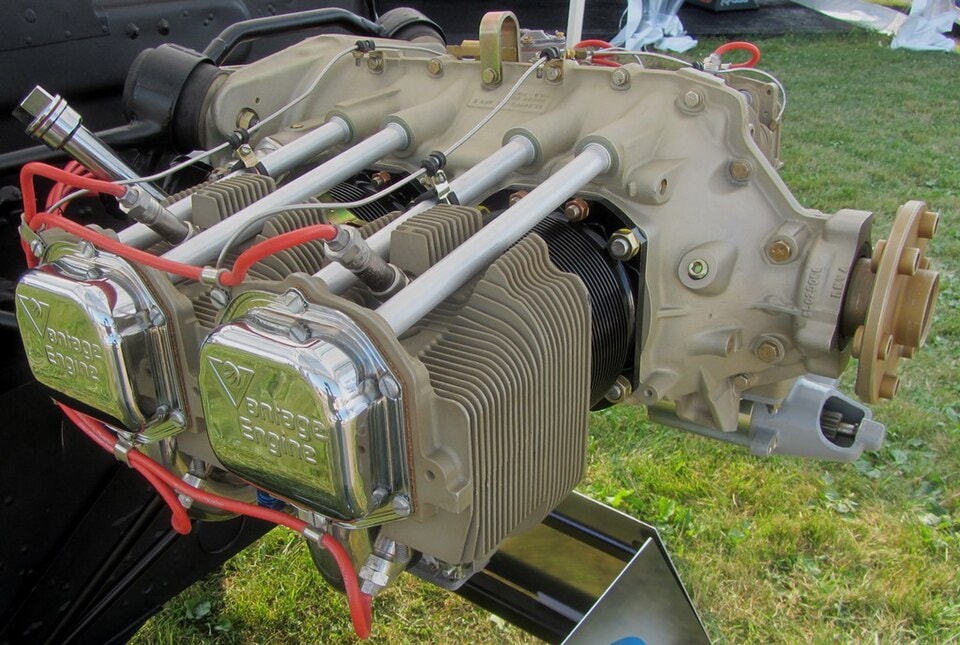
The relationship between fuel type and engine performance directly affects Cessna 172 airplane operations, maintenance requirements, and long-term engine health.
It is important to note that certain modified Cessna 172s, such as the Skyhawk JT-A, are equipped with a turbodiesel engine and must exclusively use Jet A or diesel fuel.
Lycoming Engine Fuel Requirements
Cessna 172 aircraft utilize proven Lycoming four cylinder engines with specific fuel requirements:
-
O-320 Series: Found in earlier 172 models, typically rated 150-160 horsepower
-
IO-360 Series: Powers later 172R/S models, fuel-injected, 180 horsepower at 2700 RPM
-
Octane requirements: Minimum 91-94 octane depending on specific engine model and operating conditions
Both engine families demonstrate excellent reliability when operated with approved fuel types and proper maintenance procedures.
Octane Requirements and Performance
Engine octane requirements relate directly to compression ratio and operating conditions. Higher octane fuel prevents detonation under high power conditions, protecting internal engine components from damage.
The newly approved unleaded fuels provide adequate octane for normal Cessna 172 operations:
-
91UL: Suitable for many O-320 engines under normal operating conditions
-
94UL: Provides additional detonation margin for higher performance operations
-
100VLL/100LL: Maximum octane rating for all approved engine configurations
Mixture Settings and Fuel Efficiency
Proper mixture management significantly impacts fuel consumption and engine performance. Pilots should pay close attention to mixture settings to maximize fuel efficiency and engine performance. Best practices include:
-
Rich mixtures: Required for takeoff, climb, and high power operations
-
Leaned mixtures: Optimal for cruise flight to reduce fuel consumption
-
Ground operations: Aggressive leaning prevents spark plug fouling from lead deposits
Modern fuel-injected engines provide more precise mixture control compared to carbureted versions, improving both performance and fuel efficiency.