Cessna 172R Cockpit: Instruments & Controls Guide
Dec 17, 2025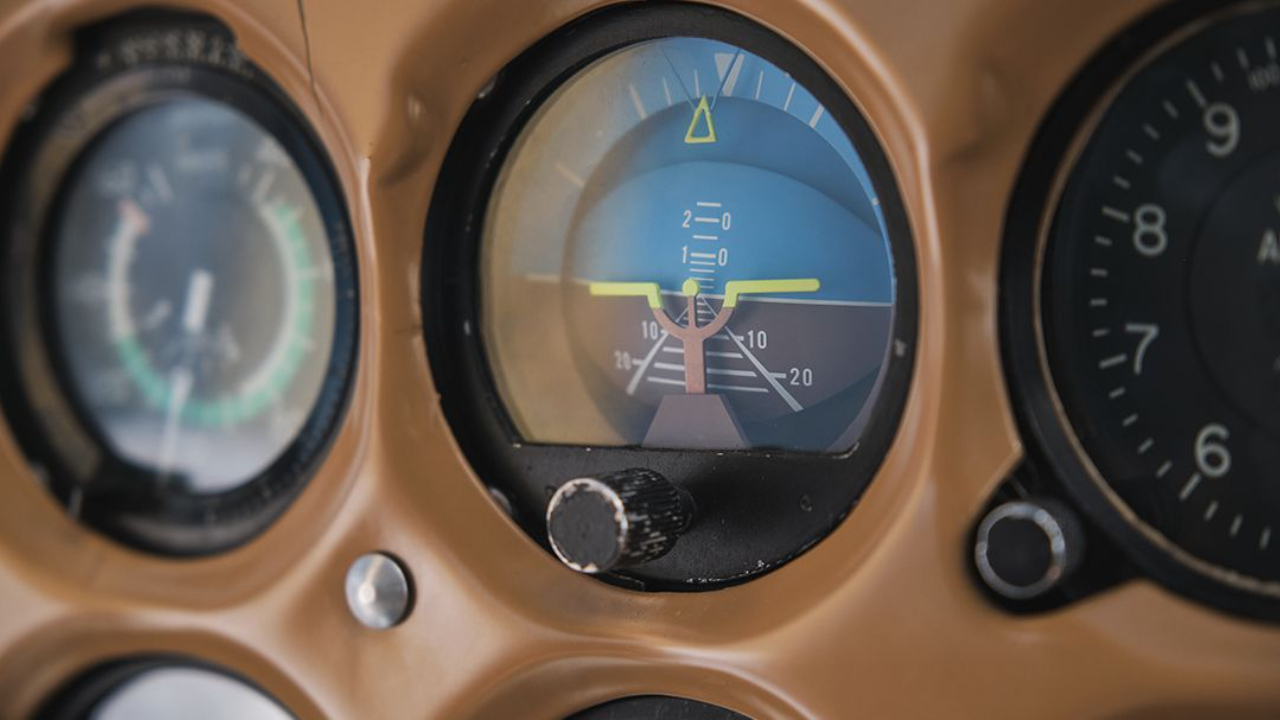
Discover the ins and outs of the Cessna 172R cockpit the perfect blend of classic flight instruments and modern avionics. Whether you're a student pilot or seasoned aviator, this guide unlocks everything you need to master this iconic training aircraft's controls and systems. Dive in and elevate your flight skills today!
Cessna 172R Cockpit Overview
The Cessna 172R cockpit design reflects decades of refinement in general aviation ergonomics. As a fuel-injected variant of the iconic 172 series, the R model introduced significant improvements over earlier carbureted versions while maintaining the familiar layout that has trained countless pilots worldwide, making it a staple aircraft in flight schools and a core platform supported by training resources such as Flight Nerd Air Force: Aviation Training
The standard cockpit configuration features traditional six-pack flight instruments arranged in the classic T-pattern, with engine instruments clustered on the right side of the panel. This logical organization makes it ideal for students to practice procedures through chair flying, helping them memorize instrument scans and cockpit flows while maintaining situational awareness during all phases of flight.
Key improvements in the 172R include enhanced soundproofing, improved ventilation systems, and upgraded electrical components that support modern avionics installations. The cockpit accommodates up to three passengers in addition to the pilot, though the front seats provide the primary flight station with full dual controls for effective flight training operations.
The fuel injection system represents a major advancement, eliminating the carburetor heat control found in earlier models while providing more reliable engine operation across varying atmospheric conditions. This change simplified engine management procedures while improving fuel efficiency and cold weather starting characteristics.
Ergonomic design considerations in the 172R cockpit include improved seat adjustability, better control placement, and enhanced visibility through larger windows. These refinements contribute to reduced pilot fatigue during extended flight training sessions and improved overall safety through better access to critical controls and instruments.
Primary Flight Instruments - The Six Pack

The six-pack layout in the Cessna 172R represents a standardized instrument arrangement used across many training airplanes and is a core part of the Cessna 172 Instrument Panel, helping pilots build scan techniques that easily transfer to other aircraft.
Airspeed Indicator (ASI)
The airspeed indicator shows how fast the aircraft is traveling through the air. It uses a pitot-static system to measure air pressure, displaying speed in knots. Color-coded arcs help identify safe ranges, such as the white arc for flap operations, the green arc for normal flight, and the red line for maximum speed. Knowing these ranges helps pilots fly safely.
Attitude Indicator
The attitude indicator provides a visual representation of the aircraft's pitch (nose up or down) and bank (left or right turn). It displays an artificial horizon with the sky in blue and the ground in brown. This instrument is essential in low-visibility conditions and helps maintain stable flight.
Altimeter
The altimeter tells the pilot how high the aircraft is above sea level. It uses static air pressure and has adjustable settings to match changes in barometric pressure. Pilots use the altimeter to ensure safe terrain clearance and comply with altitude requirements during flight.
Turn Coordinator
The turn coordinator helps pilots perform smooth, coordinated turns. It shows the rate of turn and uses a small ball to indicate whether the turn is balanced. Pilots adjust with the rudder to keep the ball centered for efficient and safe maneuvers.
Heading Indicator
The heading indicator shows the aircraft's direction and works as a stable alternative to the magnetic compass. Pilots must regularly align it with the magnetic compass. Features like the heading bug allow for precise navigation and make following air traffic control (ATC) instructions easier.
Vertical Speed Indicator (VSI)
The VSI shows how quickly the aircraft is climbing or descending, measured in feet per minute. It helps pilots adjust their vertical speed, especially during landings and approaches. While there is a slight lag in its readings, skilled pilots use it to maintain smooth altitude changes.
Engine and Performance Instruments
The Cessna 172R features a Lycoming IO-360-L2A fuel-injected engine that requires comprehensive monitoring through dedicated engine instruments. These gauges provide critical information for power management, system health monitoring, and operational safety throughout all phases of flight.
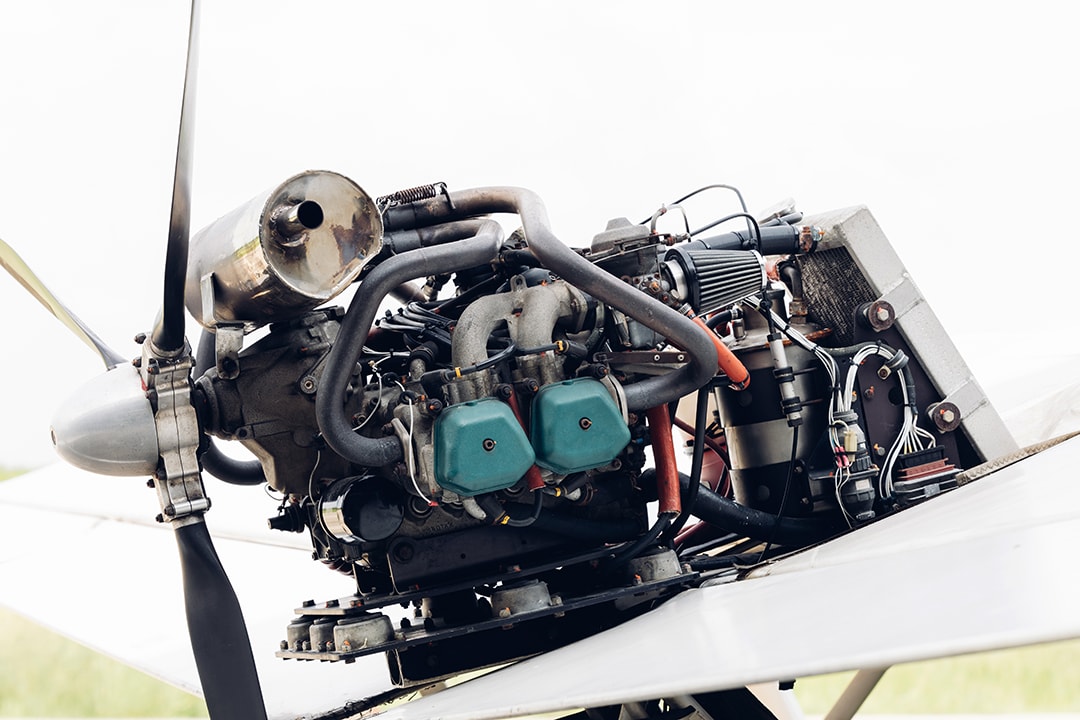
The fuel injection system distinguishes the 172R from earlier carbureted models, requiring different engine management techniques and monitoring procedures. Understanding these instruments and their normal operating ranges is essential for safe engine operation and longevity.
Engine instruments are strategically positioned for easy scanning while maintaining attention to primary flight instruments. The cluster arrangement allows pilots to quickly assess engine health while managing flight path and navigation requirements during busy flight phases.
Tachometer
The tachometer in the Cessna 172R cockpit displays engine RPM, with a maximum continuous power setting of 2700 RPM. It serves as the main reference for power settings during different flight phases, including idle, climb, and cruise. Pilots adjust RPM to balance performance, fuel economy, and noise, typically using 2200-2500 RPM for cruise and maximum continuous power for takeoff. The integrated Hobbs meter tracks total engine operating time for maintenance and usage monitoring.
This instrument is crucial for managing engine power efficiently and safely throughout flight. Understanding tachometer readings helps pilots optimize fuel consumption and maintain proper engine performance, ensuring smooth operation during takeoff, climb, and cruise phases of flight in the Cessna 172R.
Oil Pressure and Temperature Gauges
The oil pressure and temperature gauges in the Cessna 172R cockpit are vital for monitoring engine health. Normal oil pressure ranges between 60-90 PSI during cruise, with color-coded zones for quick assessment. Oil pressure should rise within 30 seconds of engine start; failure to do so requires immediate shutdown to prevent damage. Oil temperature indicates engine cooling efficiency, with high readings signaling potential issues needing prompt attention.
Understanding the relationship between oil pressure and temperature helps pilots diagnose engine condition and decide on continued flight safety.
In case of abnormal readings, emergency procedures include reducing power, preparing for a precautionary landing, and shutting down the engine if necessary to avoid failure. Quick recognition and action are crucial to protect the engine.
Fuel Quantity Indicators
The Cessna 172R features separate fuel quantity indicators for the left and right wing tanks, showing fuel remaining in gallons with a total usable capacity of 53 gallons. These indicators help pilots monitor fuel levels during flight, though accuracy can vary due to factors like aircraft attitude and fuel distribution. Pilots use these readings along with consumption rates and flight time to manage fuel effectively, ensuring adequate reserves and planning cross-country flights safely.
In emergencies, pilots can switch to the fuller tank, reduce power to extend range, and identify alternate airports within the remaining fuel range. Proper understanding of fuel burn rates and careful monitoring of both fuel quantity indicators and flight time calculations are crucial for safe and efficient fuel management in the Cessna 172R.
Flight Controls and Engine Management

The Cessna 172R cockpit provides intuitive access to primary flight controls and engine management systems through logically positioned controls and interfaces. The tricycle landing gear configuration contributes to stable ground handling characteristics while the side-by-side seating arrangement supports effective flight training operations.
Primary flight controls include the control yoke for elevator and aileron input, rudder pedals for directional control, and trim systems for reduced control forces. These controls connect directly to flight control surfaces through mechanical linkages that provide positive control feel and feedback.
Engine management in the fuel-injected 172R involves throttle and mixture controls positioned for easy access while maintaining visual contact with flight instruments. The absence of propeller controls simplifies power management compared to constant-speed propeller aircraft.
Primary Flight Controls
The primary flight controls in the Cessna 172R cockpit include dual control yokes that manage pitch and roll through elevator and aileron deflections, allowing both pilot and instructor to control the airplane simultaneously.
Rudder pedals control yaw and provide differential braking for ground operations, with springs to center the pedals and offer coordinated flight feel. Control responsiveness varies with airspeed, requiring pilots to adjust inputs accordingly.
Additionally, the trim system helps reduce control pressures during extended flights by allowing pilots to relieve control forces without using the trim for primary control. This setup ensures precise and comfortable handling, making it ideal for effective flight training and smooth aircraft operation.
Engine Controls
The engine controls in the Cessna 172R cockpit include a throttle with a push-pull friction lock for precise power adjustments and a red mixture control that manages fuel flow in the fuel-injected system.
Unlike carbureted engines, the mixture control optimizes fuel consumption and prevents engine damage. The absence of propeller controls simplifies power management, making the 172R ideal for training pilots before they move on to more complex aircraft.
Power settings involve coordinated use of throttle and mixture to maintain engine limits during different flight phases. Emergency procedures include quickly advancing the throttle for go-arounds, adjusting the mixture for engine restarts, and reducing power for emergency descents. These steps require prompt recognition and proper execution to ensure safe and effective engine management.
Flap Control
The flap control system in the Cessna 172R cockpit features a manual lever with detents at 0°, 10°, 20°, and 30°, allowing pilots to select the appropriate flap setting for different flight phases. Each setting affects the aircraft's lift and drags, supporting operations such as cruise flight, normal and short field approaches, and soft field landings.
The lever is designed with a positive lock to prevent accidental movement, and flap position indicators help pilots confirm the current setting.
Pilots must observe flap operation limits, including maximum speeds for each flap position and restrictions on rapid movements to avoid structural damage. Understanding these limits and the performance effects of each flap setting ensures safe and effective use of flaps, optimizing the aircraft's approach speeds and landing performance.
Avionics and Navigation Systems

Modern Cessna 172R aircraft typically include comprehensive avionics packages that support both VFR and IFR operations. The avionics stack arrangement provides logical organization of communication, navigation, and transponder equipment for efficient operation and reduced pilot workload.
Standard avionics installations include dual navigation and communication radios, transponder equipment, and audio panel integration. Many 172R aircraft have been upgraded with GPS navigation systems that provide moving map displays and approach capabilities for modern navigation requirements.
The integration of traditional navigation equipment with modern GPS systems provides backup capabilities while supporting current navigation procedures. Understanding both systems ensures operational flexibility and safety during various flight conditions and equipment failures.
Navigation capabilities include VOR navigation, ILS approaches, and GPS procedures where equipment is installed. These systems work together to provide comprehensive navigation coverage for cross-country flight and instrument approach procedures.
Communication Radios (COM 1 and COM 2)
The Cessna 172R cockpit features dual VHF communication radios (COM 1 and COM 2) that provide primary and backup channels for air traffic control and airport communications. Pilots can easily switch between active and standby frequencies using a flip-flop function, ensuring smooth communication during busy flight operations.
The radios operate with standard frequency spacing and include emergency procedures for radio failures, maintaining safety even if communication is lost.
These communication radios are essential for clear and effective interaction with air traffic control, using proper frequency selection and standard phraseology.
They support typical power outputs for adequate range and include features to handle emergency situations, like emergency frequencies and transponder codes. Understanding these systems helps pilots reduce workload and maintain safety throughout their flight.
Navigation Radios (NAV 1 and NAV 2)
The navigation radios NAV 1 and NAV 2 in the Cessna 172R cockpit provide essential VOR and ILS navigation capabilities for instrument approaches and en route navigation.
Each radio includes course deviation indicators (CDI) that help pilots track VOR radials, localizer, and glideslope signals, supporting conventional navigation procedures and instrument approaches at airports without GPS, as well as legacy systems such as the automatic direction finder used for NDB navigation.
Pilots use these radios to identify stations, intercept and track courses, and execute approaches, ensuring backup navigation capability and compliance with instrument flight regulations. Regular VOR checks and navigation radio testing maintain system accuracy and safety for IFR operations.
Transponder
The transponder in the Cessna 172R cockpit is a Mode A/C device that helps air traffic control identify the aircraft and receive altitude information. Pilots enter a four-digit squawk code for identification, with common codes for VFR, IFR, and emergencies. The transponder works with the altitude encoder, which gets altitude data from the pitot-static system to improve traffic separation and safety.
Proper operation includes power checks, code verification, and mode selection based on flight conditions. Modern transponders often include ADS-B Out capabilities, enhancing surveillance and weather services while ensuring regulatory compliance for controlled airspace operations.
GPS Navigation (Optional)
The GPS navigation system in the Cessna 172R cockpit offers moving map displays, flight planning, and approach procedures, enhancing situational awareness and reducing navigation workload during cross-country flights.
It includes route selection, waypoint navigation, and a database of airports and airspace, supporting both precision and non-precision GPS approaches, though pilots must be aware of its limitations and maintain backup navigation methods.
This system integrates with other avionics devices and provides essential modern navigation capabilities, making it a valuable tool for pilots flying the Cessna 172R.
Proper training and understanding of GPS limitations ensure safe and efficient use under instrument flight rules, complementing traditional navigation equipment for comprehensive flight management.
Electrical Systems and Switches

The Cessna 172R's electrical system is a vital part of flight, powering all those critical instruments, lights, and avionics. Key cockpit controls, including the light switches and exterior lighting such as strobe lights, allow pilots to manage visibility and collision avoidance while balancing electrical load.
This system uses an engine-driven alternator to keep power flowing and a battery as a standby in case the alternator fails.
On top of that pilots have to keep a close eye on usage to make sure the whole system runs without a hitch whether that's in normal flight or if something goes wrong. Understanding the basics is crucial to keeping everything running safe and reliable.
Fuel Management Basics
Getting the fuel right in the Cessna 172R is all about a gravity-fed system with an electric fuel pump to kick in if things go wrong, and understanding Fuel for Cessna 172 is a key part of managing this system correctly. What makes it easy for pilots to manage is those simple cockpit controls like the fuel selector valve and the lights that tell how much fuel is in each tank.
If pilots get it right using all that they have, they can ensure fuel is used smoothly and efficiently, allowing the aircraft to fly reliably while using less fuel to get the best overall performance from the engine.
The Role of the Master Switch
The master switch in the Cessna 172R is divided up into two parts and really, it's pretty simple, its either on or off. The battery section is what you use to start the engine and get some power going in an emergency and the alternator takes over once the engine is running.
But to make sure everything's working ok pilots will test and test again and have a good look at the meters and instruments to see if there are any issues. Doing it all by the book ensures that you have a reliable source of power to the things you really need.
Avionics Safety Tips
The avionics in the Cessna 172R rely on the master switch to keep the power steady so the sensitive gear doesn't get fried during start and shut down. Priority is given to the most important things and if things go really wrong then load shedding kicks in and saves the day.
But the real key to success is knowing what to do with the cooling to stop things getting over heated and that's especially true with communication gear and navigation - because if that goes wrong your flight's in trouble.
Fuel Selector Valve
The fuel selector valve in the Cessna 172R cockpit has got four positions OFF, LEFT, RIGHT, and BOTH. Mostly, you'll be using the BOTH position to get fuel from both tanks at the same time, which is pretty standard for normal flying.
But being able to pick tanks individually comes in handy when you need to sort out issues with fuel imbalance, respond to emergencies or face some tricky flight conditions.
Knowing how to handle and keep an eye on this valve means you can count on accurate fuel management. The positive stops in the valve prevent accidental switching, and keeping an eye on it prevents it from sticking or getting wonky, which is all good for keeping your flight safe and reliable.
Electric Fuel Pump
The electric fuel pump is a vital backup system for those critical moments like takeoff and landing. Controlled by the fuel pump switch, it ensures a steady flow of fuel if the mechanical pump fails, with gauges allowing pilots to monitor fuel pressure from the cockpit. This added layer of reliability is especially important during high workload or abnormal situations.
Knowing what the pump can do is essential if you need to handle an emergency situation like a fuel flow problem. Making sure you check it properly and often helps prevent overheating and keeps the pump working when you need it to.
Primer System
The primer system makes it a lot easier to start the engine by blasting fuel straight into the intake. It's easy to use but does need some care, it's a real lifesaver when you're flying in cold weather and the engine just won't start. The primer has a manual lock to stop you accidentally using it mid-flight, which is a nice safety feature.
It's really worth using the primer in the right way, depending on the conditions outside temperature, altitude, all that. If you keep an eye on it and make sure it's clean and working as it should, it'll help avoid giving you problems on takeoff or in the air.
Fuel Management Best Practices
Effective fuel management really can help sort out flight takeoff range, prevent accidents, and keeps emergencies to a minimum. Do your pre-flight check of the fuel, keep an eye on what you're burning while you're in the air, and practice switching between tanks in calm conditions so that you get used to it.
By mastering these systems, you'll be able to keep a steady supply of fuel under pretty much any circumstances which, of course, is key to being a good private pilot. The more you can feel confident in this, the better you'll get at the essentials of flying.