Cessna 172 Overview: Best Aircraft for New Pilots
Nov 26, 2025
The Cessna 172 is renowned as the go-to aircraft for new pilots. This article provides a comprehensive Cessna 172 overview, highlighting its history, key specifications, powerplant, avionics, and variants, and explaining why it remains a popular training aircraft since 1956.
Key Takeaways
-
The Cessna 172 has become a staple in general aviation since its introduction in 1956, with over 44,000 units built, showcasing its popularity as a training aircraft.
-
Key features such as the Garmin G1000 avionics, high-wing design for visibility, and reliable Lycoming IO-360 engine enhance the Cessna 172’s usability and safety for new pilots.
-
The aircraft’s versatility is demonstrated through its various models and widespread use in flight schools worldwide, solidifying its reputation as the ideal choice for flight training.
-
Learn more in Flight Nerd Air Force: Aviation Training
The Legacy of the Cessna 172 Skyhawk SP
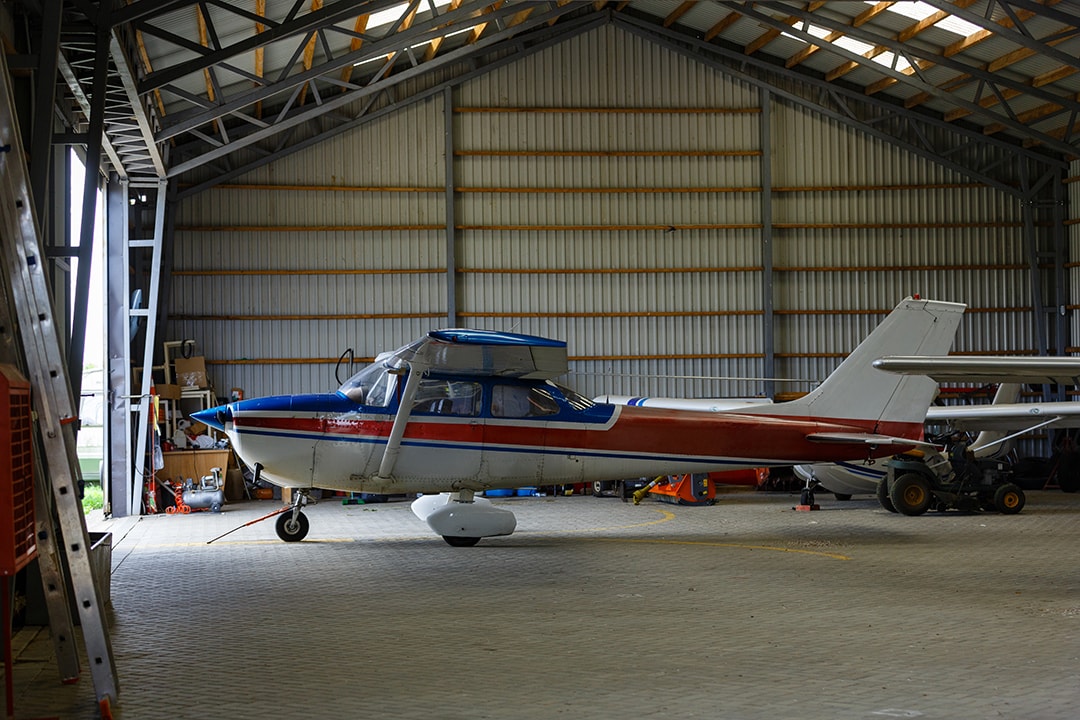
The Cessna 172 has been around since 1956 marking that year as the start of its remarkable journey in general aviation and paving the way for what would eventually become one of the most famous planes in aviation history.
When it first rolled off the production line, the Cessna Aircraft Company was turning out 3,757 units within its first four years a clear sign that it was a hit right from the start and being widely accepted all around.
And then of course, there were the years that followed with the Cessna 172 solidifying its place in the world of general aviation, with over 44,000 units built by 2015 making it a rock-solid foundation for pilots and one of the most successful aircraft ever produced.
The design tweaks and improvements made over the years have been a key part of its enduring success and huge popularity. The first time the Cessna 172 actually took to the skies on June 12 1955, was really just the start of an incredible story that would go on to be written all across aviation history.
The old models and development and the later resumption of production in 1996 really gave new life to this classic plane after over nearly seven decades and the introduction of the latest model year.
Early Models and Development
The Cessna 172 has its roots in the Cessna 170, and at the time it was a real leap forward in terms of technology and design. One of the most obvious changes was the switch to tricycle landing gear ditching the old taildragger set up in favor of something more user friendly.
And that made all the difference, being so much easier to handle when taking off and landing which is probably one of the reasons it's become so famous as a training plane.
Production Resumption in 1996
The production of the Cessna 172 came to a halt back in 1986 due to a bad market and some tricky liability issues. However in 1996 it was back on track, with the launch of the Cessna 172R Skyhawk, which brought with it a whole raft of improvements and new features.
In 2005 a major upgrade was made to the avionics system, with the introduction of the brilliant Garmin G1000 - basically an all glass cockpit that brought the Cessna 172 bang up to date and cemented its status as a modern training plane.
Key Specifications of the Cessna 172
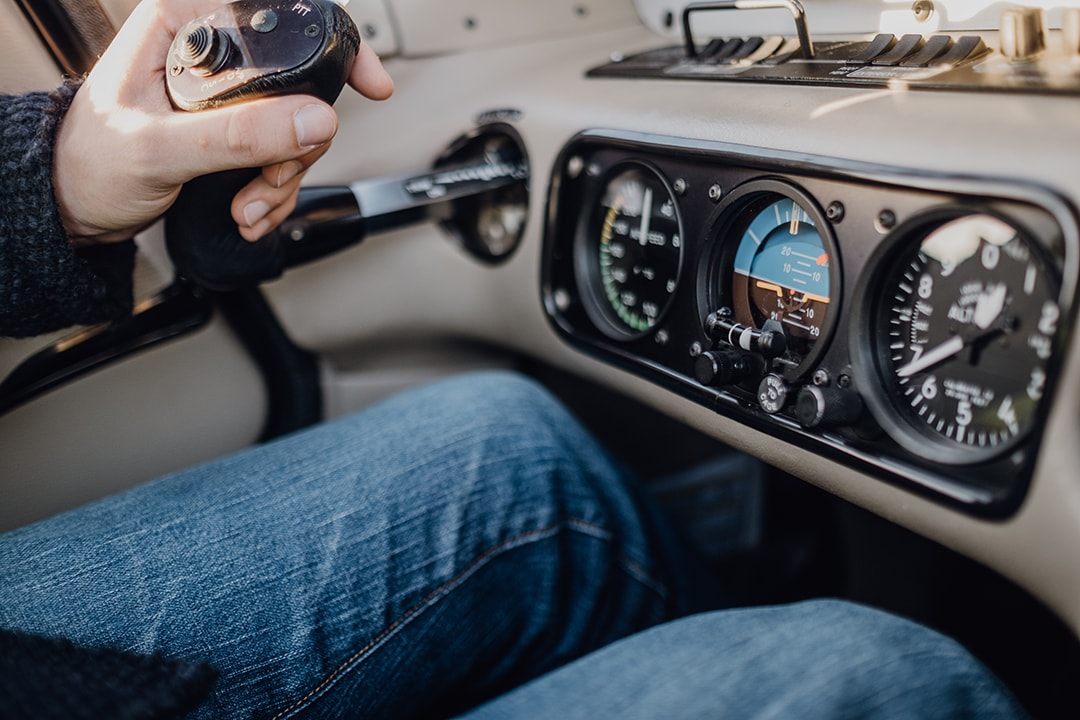
The Cessna 172 has become a mainstay in general aviation thanks to its solid performance and user-friendly design. When it first came out it was priced at a relatively affordable $8,295 which for many aspiring pilots at the time was an entry point they could finally afford to start flying.
Some of the things that set the Cessna 172 apart include its specs dimensions, performance, and the way it handles fuel and payload.
Its stall speed is impressively low, adding to the aircraft’s reputation as a forgiving and safe choice for student pilots.
Dimensions and Weight
The Cessna 172 has got a pretty good size to it:
-
that's 26 feet 9 inches from nose to tail
-
and a wingspan of 35 feet 8 inches
-
plus a basic empty weight of 1,454 pounds
-
and it can lift off at a max gross weight of 2,400 pounds, which also represents its maximum takeoff weight.
The dimensions and weight all work together to give it a stable feel that's easy to get a handle on which is exactly what you want if you're a student pilot just starting out.
Performance Metrics
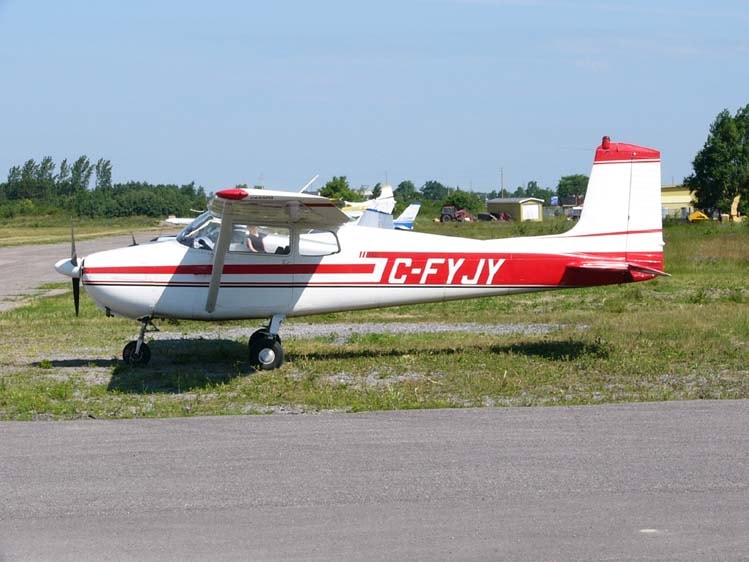
The Cessna 172 is capable of pushing on up to 123 knots max cruise speed and will take you up to 13,000 feet in the air. The introduction of the 172S model bumped up the horsepower by 20 which gave the aircraft a bit more oomph, and improved its climb time and power output.
The performance of the 172 is pretty impressive all round, and means that the aircraft can handle itself in a wide range of flight training scenarios, including offering a predictable and forgiving landing distance that benefits student pilots.
Pilots often consult high and low charts to optimize climb rates, cruise performance, and safe operating limits under various conditions.
Fuel and Payload Capacity
With a 42 gallon tank to play with, the Cessna 172 can carry a max usable fuel weight of 369 pounds when the tank is full and that means it can stay up there a while.
Whether you're a student pilot or a seasoned instructor, the fuel and payload capacity of the 172 make it an incredibly versatile training aircraft and the usable fuel volume is generous enough to support longer journeys, which can be a real bonus for pilots.
Powerplant and Propeller
The Cessna 172 is powered by its engine and propeller system and these two bits of kit work together to give you the thrust and efficiency you need for effective flight training.
The aircraft is equipped with a reliable Lycoming engine, which has a great reputation in the industry and the engines are a key part of what makes the aircraft so capable.
Lycoming IO-360 Engine
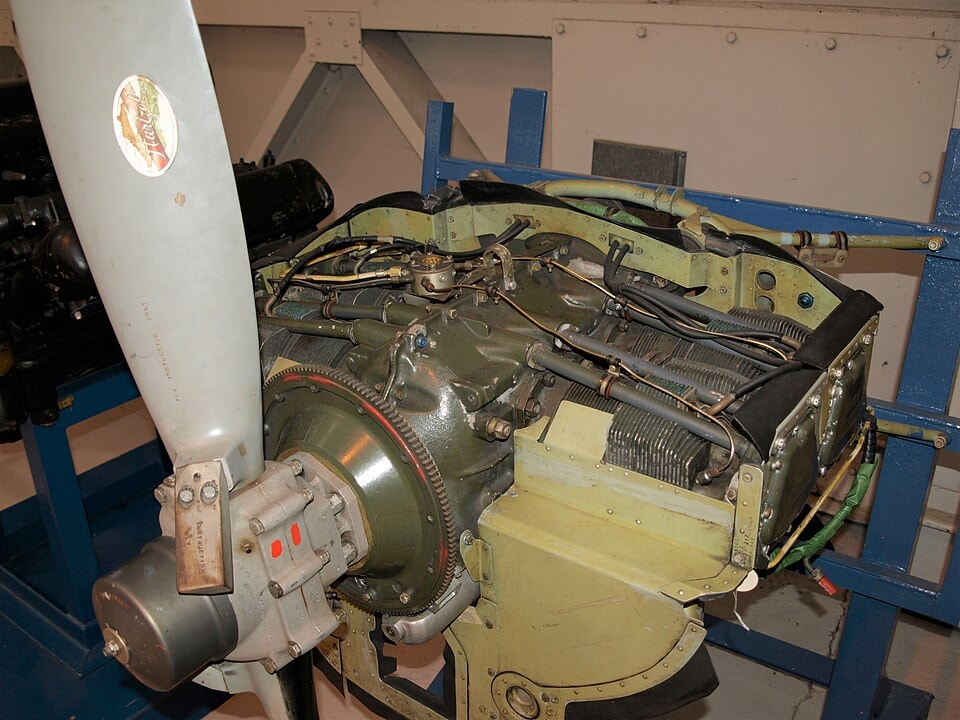
The Cessna 172 gets its juice from the Lycoming IO-360 engine, a 180 horsepower powerhouse that never seems to lose momentum.
This air cooled engine workhorse is famous for sipping on fuel like it's water, and proving to be remarkably durable in the process no wonder pilots love it so much.
The reliability and shear performance of the Lycoming IO-360 engine really do make all the difference when it comes to getting in some quality flight hours, and it's just what students need to take their learning to the next level.
McCauley Fixed-Pitch Propeller
When it comes to the Cessna 172, it boasts a solid two-blade metal fixed-pitch propeller from none other than McCauley a name that's synonymous with top-notch quality.
Now, we all know what fixed-pitch props are all about: simplicity in operation, consistent performance and no fussing about with adjustments all of which make it a dream come true for student pilots.
That propeller design is a real winner when it comes to smooth, steady climb and cruise performance just what you need when you're trying to get the most out of your flight training.
Avionics and Cockpit Features
The Cessna 172 is a real standout when it comes to avionics and the overall feel of the cockpit and that's saying something!
Modern avionics and a bevy of other nice touches have transformed what used to be a fairly utilitarian space into a veritable command center, with essential equipment like the Cessna 172 transponder enhancing safety and communication.
Garmin G1000 NXi Avionics
The Garmin G1000 NXi system in the Cessna 172 offers a primary flight display that significantly improves navigation and situational awareness.
This integrated cockpit avionics suite includes features such as SurfaceWatch™ technology to prevent runway incursions, and Visual Approach capability for precise autopilot-coupled vertical flight paths during landing.
The advanced avionics make the aircraft ideal for flight training.
Enhanced Visibility and Comfort
The Cessna 172 offers several features beneficial for student pilots:
-
High-wing design and large windows provide enhanced visibility, crucial during flight.
-
Cockpit includes ergonomically designed seats.
-
Soft LED lighting ensures comfort and ease of operation during long training sessions.
These features create an optimal fly flying environment, enhancing safety and the overall training experience.
Why the Cessna 172 is Ideal for Flight Training
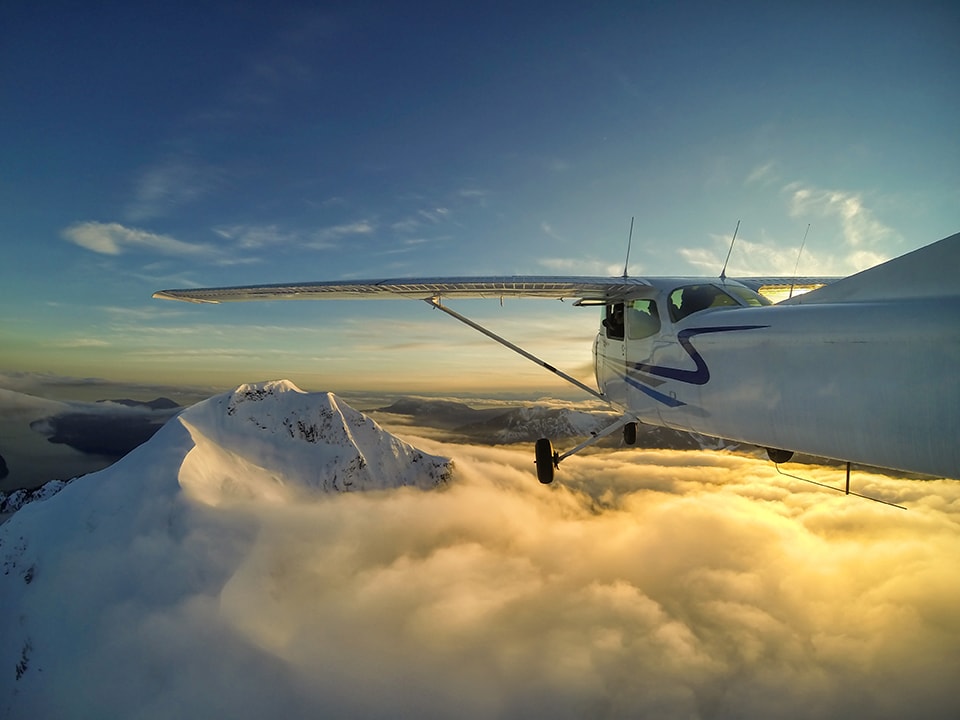
The Cessna 172 is a dream machine for training pilots: a perfect combination of cutting-edge design, a real safety record, and an ease of flying that's hard to beat. Before students even take off, following a proper checklist for Cessna 172 helps reinforce good habits and ensures each training flight starts safely.
Its impressive track record and the fact that every other flight school in the world is using it says a lot this aircraft has been the go-to choice for new pilots for decades.
Safety and Ease of Flying
The Cessna 172 has already clocked up over 400,000 hours in the air that's hundreds of thousands of safe landings and take-offs. As a result, it's a very stable and reliable aircraft which is just what new pilots need.
Add in the power of its 180bhp engine and you have a solid foundation for a safe and controlled flying experience.
Why Every Flight School Loves the Cessna 172
The Cessna 172 has been doing the rounds in flight training programs for over 60 years now. With its reliability, handling and avionics you'd be hard pressed to find a better aircraft to train on.
It's been a staple of flight training for so long that it's become the standard and that's not going to change anytime soon.
Its huge success with flight schools around the world is proof that this is the real deal when it comes to a training aircraft - and that's a statement that a lot of people agree with.
The Cessna 172 - A Legend of Aviation
The Cessna 172 has got a history that's pretty hard to top with records to prove it's a real rockstar of general aviation. It's played a huge role in putting a human face on the safety of general aviation.
Flight Endurance Records
A notable achievement of the Cessna 172 is the flight endurance record set by Timm and Cook:
-
They remained airborne for over 64 days.
-
The feat involved continuous flying and multiple refueling.
-
This showcased the aircraft’s reliability and endurance.
Military and Civilian Use
It may not be what you'd expect but the Cessna 172 has been used by the military in a variety of roles, including training and surveillance.
It's been used by loads of countries around the world for military training and surveillance and as a result has shown it's reliable and versatile in both military and civilian operations.
Common Variants of the Cessna 172
The Cessna 172 has had a whole bunch of variants over the years, each with its own set of features that made it a bit better than the last one. These different versions have helped it become the most produced aircraft in history, outpacing all the others.
Cessna 172 Skyhawk
For a lot of pilots, the Cessna Skyhawk is the first "real" plane they get to fly, a step up from those tiny trainer planes like the Cessna 150/152 series.
After they get some experience flying the Skyhawk, they often go on to become CFIs, or get a job as spotters (either traffic or fish, depending on the job).
The popularity of this particular variant really made it the go-to choice for flight training programs it's easy to use, versatile, and just plain good to fly.
Cessna 172S
The Cessna 172S features:
-
Powered by a Lycoming IO-360-L2A engine producing 180 horsepower
-
Maximum gross weight of 2,558 pounds
-
Fixed-pitch McCauley propeller
-
Climb rate of 730 feet per minute at sea level
With a cruise speed of approximately 124 knots and a range of up to 640 nautical miles, the 172S is a versatile and capable variant of the Cessna 172.
Keep learning with Flight Nerd Air Force: Aviation Training your source for clear, expert aviation guidance.
Explore more training resources and deepen your aviation knowledge today.
Frequently Asked Questions
What is the fatality rate of a Cessna 172?
The fatality rate of a Cessna 172 is approximately 0.56 per 100,000 flight hours, which is significantly lower than the industry average of 1.2-1.4. This highlights its strong safety record in general aviation.
Is Cessna 172 good for beginners?
The Cessna 172 is an excellent choice for beginners due to its high-wing design, which offers superior visibility and safer ground operations. Its manageable handling characteristics make it an ideal aircraft for new pilots.
Why is the Cessna 172 considered ideal for flight training?
The Cessna 172 is ideal for flight training because of its reliability, user-friendly handling, and stable flight characteristics, creating a safe and effective learning environment for student pilots.
What are the key specifications of the Cessna 172?
The Cessna 172 features a wingspan of 35 feet 8 inches, a length of 26 feet 9 inches, and a basic empty weight of 1,454 pounds. It has a maximum cruise speed of 123 knots, a service ceiling of 13,000 feet, and a fuel capacity of 42 gallons.
What engine powers the Cessna 172, and what are its benefits?
The Cessna 172 is powered by the Lycoming IO-360 engine, delivering 180 horsepower, which is praised for its reliability, fuel efficiency, and durability. These attributes contribute to the aircraft's status as a favored choice among pilots.
