Best Way to Get Pilot License in 2026: Step‑By‑Step Guide
Sep 10, 2026
Getting a pilot's license is a dream job for many, but getting there can be a real challenge especially when you don't know where to start.
This guide is here to break it all down for you, covering every step, every cost, and every requirement so you can figure out the best way to get your pilot's license in 2026 whether you're just looking to fly for fun or build a career in the skies.
Quick Answer: Best Path to Your Private Pilot's License
For most new pilots, the best way to get a pilot license is to follow a structured training plan and work consistently with one primary instructor. The FAA officially calls the credential a “private pilot certificate,” although “pilot license” is commonly used. If your goal is recreational flying, it may also be worth comparing a sport pilot certificate with the private pilot path before choosing a training program.
The core steps are:
-
Take a discovery flight.
-
Confirm your eligibility, obtain the required medical certificate, and apply for a student pilot certificate.
-
Choose a flight school and instructor.
-
Begin ground training and flight lessons together.
-
Receive an instructor endorsement and pass the FAA knowledge test.
-
Complete the required dual, solo, cross-country, night, and instrument training.
-
Receive your instructor’s endorsement and pass the oral and flight portions of the practical exam.
This guide is about becoming a pilot, whether you want to become a private pilot for personal flying or later move toward a professional pilot path. The process is fairly straightforward, but there are a few choices along the way that can affect cost, time, and overall training quality. The credential is officially called a private pilot certificate, and earning it makes you a licensed pilot.
The private license is where most pilots start before adding ratings such as an instrument rating and eventually moving toward commercial pilot, airline pilot, and airline transport pilot goals in the aviation industry.
If you plan to fly for compensation, review the commercial single-engine requirements early so you can build the correct PIC, cross-country, night, instrument, and advanced-airplane experience from the beginning.
Completing your ground study early and flying regularly helps reduce relearning and makes the training process more efficient, and private pilots may share operating expenses with passengers, but cannot fly for compensation.
Step 1: Take a Discovery Flight Before Committing
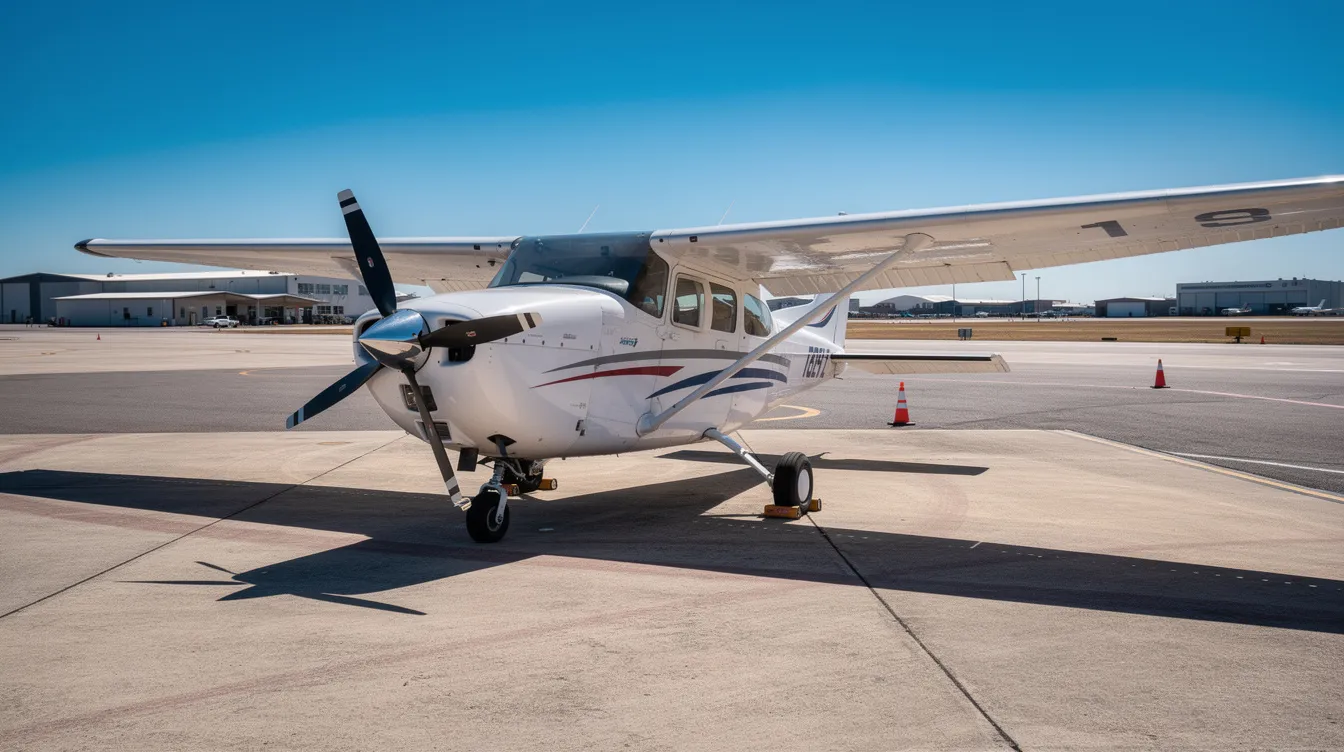
A discovery flight is a 30–60 minute introductory lesson where you sit in the pilot seat typically in a Cessna 172 or Piper Cherokee and handle the controls under the supervision of a certified flight instructor. Discovery flights allow prospective students to experience piloting firsthand without any long-term commitment.
This is the ideal first flight because it's low cost (usually $150–$250) and gives you a realistic feel for small-aircraft flying, radio communication, and your comfort in the cockpit. Pay attention to the condition of the aircraft, the professionalism of the flight instructor, scheduling flexibility, and how well concepts are explained.
If body size or cockpit fit is a concern, review the pilot weight limit factors before choosing a school, then use the discovery flight to confirm that you can buckle in, reach the controls, and fit the trainer safely.
Bring specific questions: What's the typical total cost for a private pilot license at this school? What's the average completion time? How many days per week can you schedule flight lessons? How does the school prepare students for the FAA written exam and checkride? Schedule your discovery flight early ideally within a week of deciding you're interested so you can move forward with confidence or try a different school.
Step 2: Meet FAA Eligibility and Medical Requirements
To earn a private pilot certificate for an airplane, you must be at least 17 years old and able to read, speak, write, and understand English. You may begin flight lessons earlier, but you must be at least 16 to fly solo.
Before your first solo flight, you will need:
-
A student pilot certificate
-
At least a Third-Class FAA medical certificate
-
The required instructor training and solo endorsements
To obtain your medical certificate, complete an application through FAA MedXPress and schedule an examination with an Aviation Medical Examiner (AME). The Third-Class distant vision standard is 20/40 or better in each eye, with or without correction. If you have concerns about your medical history or current medications, consult an AME early to determine whether additional documentation may be required.
Apply separately for your student pilot certificate through IACRA. A CFI or another authorized representative must verify your identity and process the application. You may receive dual instruction before obtaining these documents, but you cannot fly solo until all applicable requirements are met.
Step 3: Pick the Right Flight School and Flight Instructor
Flight training can be broken down into two main paths under FAA Part 61 or Part 141 regulations, and the end result is the same a private pilot certificate.
-
Part 61 lets you set your own schedule ideal for those with a 9-to-5 job. The catch is you need to log at least 40 hours of flight time before you can get your PPL under this scheme.\
-
Part 141, on the other hand, uses pre-approved study plans with regular checkups and milestones. Depending on the school, you might need to fly a little less than if you were doing a Part 61 program a minimum of 35 hours is the FAA requirement for a private pilot license here. One benefit of this approach is that it qualifies you for use of VA or GI Bill benefits.
When comparing flight schools there are plenty out there consider these factors
-
What does it cost you per hour to rent a plane, and how much does your instructor charge
-
How good is the availability of aircraft and do they seem to be well-maintained?
-
How's the weather at the primary airport where you'll be training you don't want to be sat on the ground for weeks on end
-
What's the pass rate for the flight exam?
-
How do they mix ground school with flight training does it all seem to tie together
It's also really important to only have one main flight instructor having someone to turn to and rely on makes all the difference. Be wary of schools that can't seem to keep their instructors on board, or where scheduling seems to be an issue, or where costs seem to be a mystery.
Give at least two schools the once over after you've gone on a discovery flight and ask to have a look at some of the aircraft they're using, their study plans and their little certificates proving they're officially a flight school
The best way to get your pilot license
The best way to get your pilot license starts with a single step book a discovery flight at a local flight school this week. You can also explore Flight Nerd Air Force: Aviation Training to see whether convenient online aviation study fits your schedule before deciding if it is right for you.
Then talk directly with a flight instructor to get a personalized cost and timeline estimate based on your schedule, health, and goals. The sky is waiting.
Step 4: Start Ground School and Prepare for the FAA Written Exam
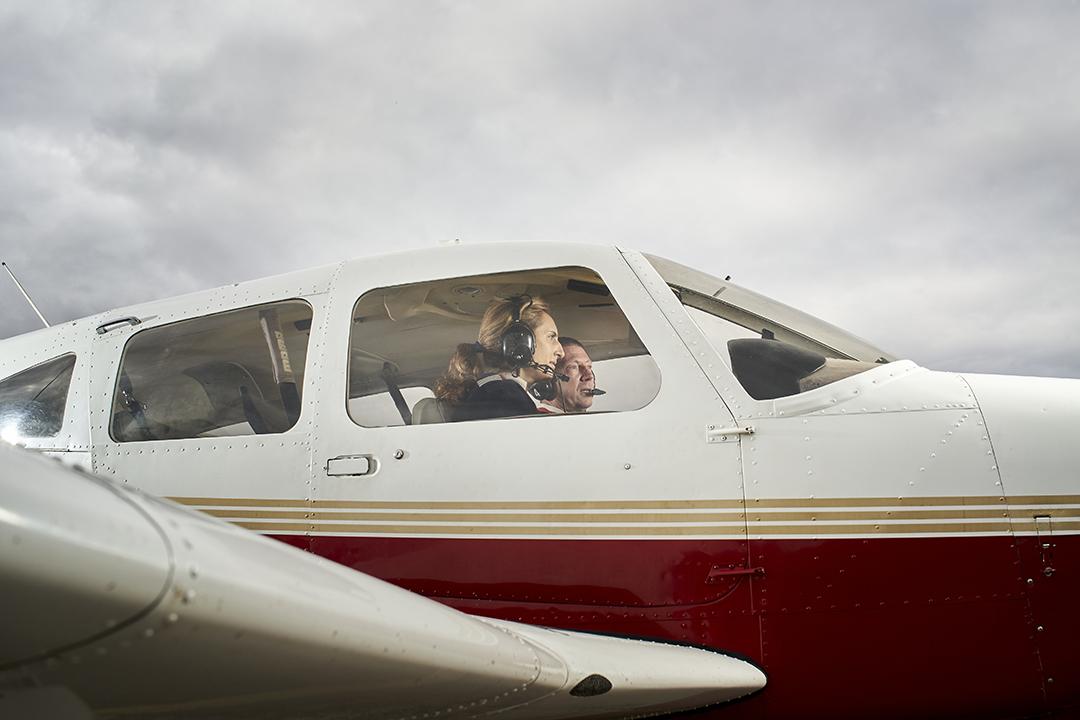
Ground school is the classroom or online training covering the aeronautical knowledge you need: aerodynamics, weather, navigation, FAA regulations, aircraft systems, emergency procedures, and flight planning. Students must learn subjects including weather and aerodynamics in ground school. Flight training includes both ground school and practical flight lessons working in parallel.
Common formats include:
-
In-person classes at the flight school - more interactive, immediate feedback
-
Self-paced online courses - cheaper and flexible, ideal for busy schedules
-
Instructor-led virtual classes - balance of structure and convenience
The FAA publishes official handbooks and manuals that serve as educational resources for pilots, and most ground school programs build on these materials.
A proctored FAA knowledge test is required during pilot training. The written exam consists of 60 multiple-choice questions, allows 2.5 hours, and requires a 70% minimum passing score at an FAA-approved PSI testing center. You must pass a written FAA exam to obtain a PPL. An instructor endorsement is required before you can sit for the exam, and results are valid for 24 months.
Students are advised to complete ground school early or concurrently with flight training aim to pass FAA knowledge within the first 1–2 months to avoid delaying your checkride. This foundational knowledge directly improves your performance in the cockpit.
Step 5: Begin Flight Training and Log Required Hours
Early flight lessons focus on pre-flight inspection, taxiing, basic practice maneuvers like climbs, turns, and descents, and pattern work at the home airport. You'll sit alongside your flight instructor for dual instruction before progressing to solo flight experience.
Flight training typically requires a minimum of 35 to 40 flight hours under FAA rules. Under Part 61, the FAA requires at least 40 total hours, including 20 hours of dual instruction, 10 hours of solo flight, cross-country time, night flying, and instrument training. Under Part 141, the minimum drops to 35 hours. However, most students log an average of 75 flight hours for their PPL - realistically, most student pilots average 60 to 75 flight hours to complete their training.
Key milestones include
-
First solo flight - usually around 10–20 hours of flight time
-
Solo cross-country - at least one 150-nautical-mile trip with full-stop landings
-
Night flying - 3 hours minimum with 10 takeoffs and landings
-
Checkride prep flights - simulating the complete checkride profile
The best way to get a pilot license efficiently is to fly frequently ideally 2–4 lessons per week. This keeps skills sharp, reduces relearning between sessions, and lowers total flight hours needed. Keep a detailed training log, review each lesson's objectives in advance, and use every minute of cockpit time productively.
Step 6: Pass the FAA Practical Test (Checkride)
The private pilot practical test is the final evaluation your check ride administered by an FAA inspector or designated pilot examiner. It consists of an oral examination and a flight portion, typically on the same day. A practical test with a designated pilot examiner is required to receive a pilot's license.
Your flight instructor will sign you off only when you've met all flight training requirements and consistently perform at or above the standards in the FAA Airman Certification Standards (ACS). You must pass FAA knowledge and practical tests to earn a license.
During the oral exam, expect scenario-based questions covering weather decisions, FAA regulations, weight and balance calculations, cross-country flight planning, and emergency procedures. The FAA examiner evaluates your aeronautical knowledge and decision-making ability.
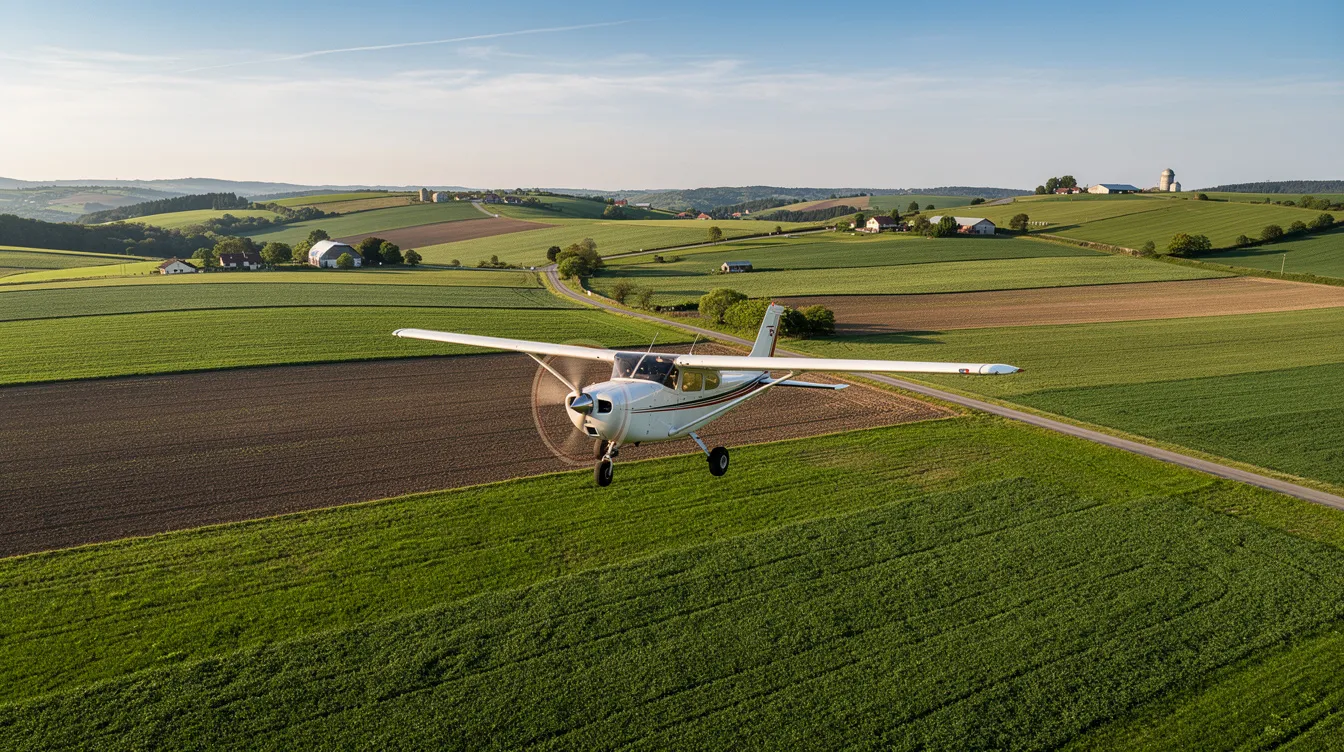
The flight portion includes takeoffs, landings (short-field, soft-field), stalls, steep turns, navigation legs, simulated instrument flying, and emergency procedures all to ACS tolerances. You'll demonstrate you can safely fly aircraft, communicate with ATC, and manage the cockpit under pressure.
After passing, you receive a temporary pilot certificate immediately. The permanent card arrives by mail from the FAA. Your private pilot certificate does not expire, but you'll need a flight review every 24 months and must maintain medical certificate currency. A PPL allows you to fly in visual flight conditions and carry passengers, but you cannot fly for compensation.
Timeline and Cost: Fastest and Most Efficient Route
Time and cost vary based on location, weather, aircraft type, and training frequency. Full-time students flying several days per week can complete flight training in about 3–4 months. Part-time students flying once or twice weekly typically need 6–12 months.
Major cost components include:
-
Aircraft rental (wet rate): ~$150–$200/hour
-
Flight instructor fees: ~$60–$90/hour
-
Ground school or online courses: $200–$500
-
FAA written exam fee: ~$175
-
Checkride fee: $500–$900
-
Headset and supplies: $200–$1,000+
Many students in favorable locations complete private pilot training for approximately $12,000–$18,000, although total costs vary considerably by school, location, aircraft rates, and the number of flight hours needed.
To save money and time, train in an affordable, well-maintained aircraft, fly frequently to reduce relearning, use a quality online ground school, and avoid long gaps between lessons.
FAQs: Common Questions About Getting a Pilot's License
What is the fastest way to get a pilot license?
Fly consistently with the same instructor, ideally three or more times per week. Complete ground school and the FAA knowledge test early, prepare before each lesson, and avoid long training gaps that require additional review.
What is the cheapest way to get a pilot license?
Compare each school’s complete estimated cost rather than choosing by hourly rate alone. Use an affordable, well-maintained trainer, study before lessons, fly regularly, and ask for an estimate based on the school’s typical completion hours not only the FAA minimum.
Is Part 61 or Part 141 better?
Part 61 offers flexible scheduling and requires at least 40 flight hours, making it suitable for many working students. Part 141 follows an FAA-approved structured syllabus and may reduce the minimum to 35 hours. Both lead to the same private pilot certificate, so the best choice depends on your schedule, learning style, aircraft availability, and total projected cost.
