Pilot Weight Limit: FAA Rules, BMI and Aircraft Fit
Sep 09, 2026
Approximately one third of Americans are overfat or obese. If you fall into that group and dream of flying, you've probably searched for a straight answer on whether your weight disqualifies you. This article lays out what the regulations actually say, how aircraft limitations work, and what steps you can take to get into the skies.
Quick Answer: Is There a Weight Limit to Be a Pilot?
The truth is the FAA doesn't have a simple, straightforward weight limit in pounds or kg for being a civilian pilot. It's not as simple as that what really matters is three key things:
-
How much can the plane carry? In other words, the total weight of the pilot, the passengers, the fuel and any extra baggage need to stay within safe limits for the aircraft.
-
Can you fit in the cockpit? The pilot needs to be able to get the seatbelt on, reach the controls and actually move them through their full range all while safely sitting in the seat.
-
Are you healthy enough to fly? Your weight alone doesn't automatically knock you out of the running but conditions like sleep apnea, high blood pressure and diabetes might mean you need to get checked out by a FAA medic.
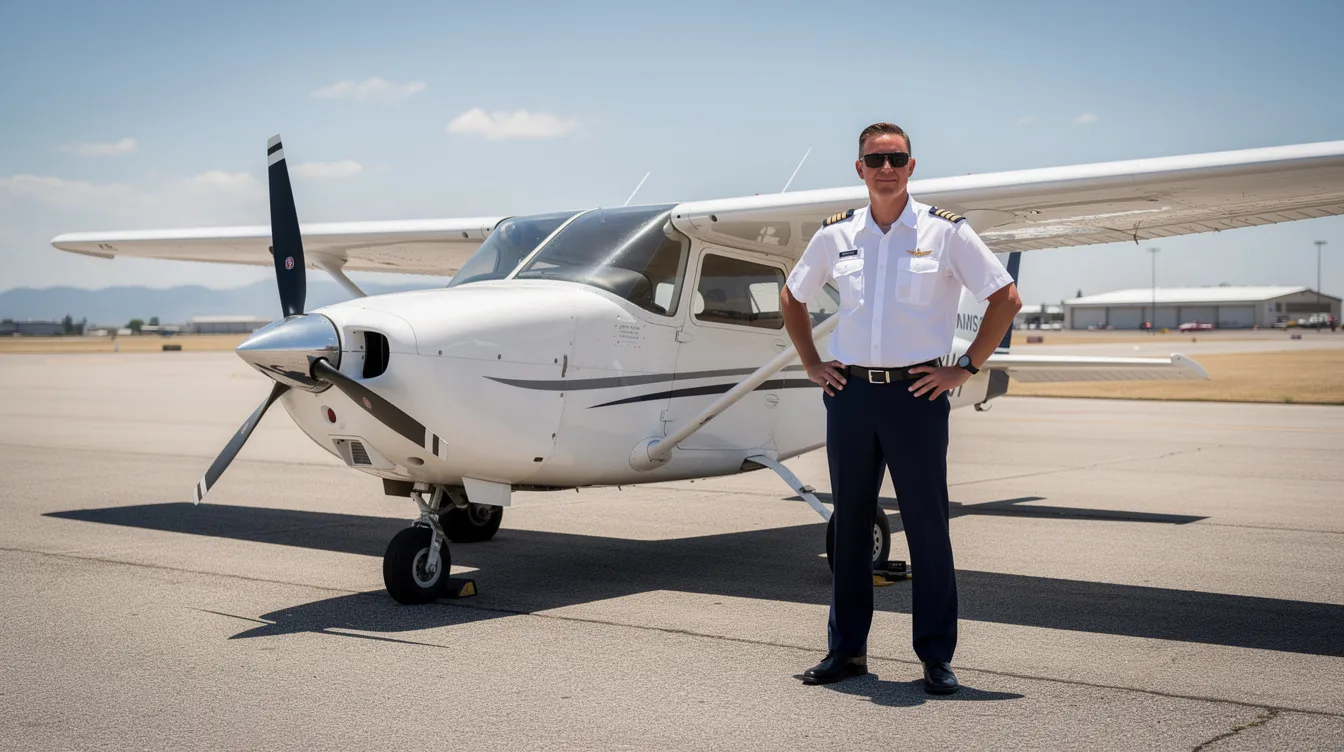
How Aircraft Maximum Gross Weight & Balance Really Limits Pilot Weight
Aircraft weight limits don't always have it out for our waistlines, but they can indirectly since every bit of extra weight bumps up the fuel, passengers, and baggage, pushing that limit even higher. The Maximum Take Off Weight (MTOW) that's the max weight the aircraft is officially allowed to fly off with, and Useful Load is the difference between its top allowable weight and just the bare bones weight of the plane (without any fuel, passengers or cargo).
Here's a simple example: a training aircraft has a MTOW of 2,550 pounds and a basic empty weight of 1,680 pounds, which means it's got a useful load of 870 pounds to play with. Let's say you've got a 220-pound student and 210-pound instructor, plus a 300-pound load of fuel and 30 pounds of luggage that's a total of 760 pounds, leaving you with just 110 pounds of wiggle room.
But weight isn't the only factor you've also got to keep an eye on the Centre of Gravity (CG) or where the weight is distributed as that can affect how stable and controllable the aircraft is. You can't just rely on some arbitrary 'pilot weight limit' either pilot have to use the specific weight-and-balance details for the aircraft from its Pilot Operating Handbook (or Airplane Flight Manual) if they want to stay on the safe side.
Flight School Weight Limits and Cockpit Fit
Flight schools can be pretty picky about weight limits and it's all about what works for the plane, the trainer and their insurance, to be honest. Each school makes its own rules around student and instructor weight, and those rules can be all over the map. They just aren't something the FAA regulates, so you're looking at a case-by-case basis.
Before you sign up, it's smart to ask about weight limits can you fit comfortably with an instructor, some fuel, and your gear without pushing the trainer's weight limits too far? And what if the primary trainer isn't going to work for you? Ask about other options on hand.
Get a cockpit check scheduled and make sure you can:
-
Get the seatbelt on and the door closed without feeling squished
-
Adjust the seat and still reach all the controls and pedals
-
Move the flight yoke or stick through its full range without bumping into anything
-
See what you need to see on the instrument panel & outside
-
Get out of the plane in a hurry if you need to
The thing is, if one trainer doesn't work for you that doesn't mean you can't learn to fly. Maybe another plane is a better fit and can carry the gear and weight you need.
Once you find a suitable aircraft and instructor, our guide to the best way to get pilot license explains the remaining steps from your first lesson through the FAA knowledge test and checkride.
Pilot Medical Certification, Aviation Medical Examiner, and Weight-Related Conditions
The FAA isn't so cut and dried when it comes to setting a BMI limit that automatically shuts the door on getting a medical certificate. Instead, an aviation medical examiner takes a look at the whole picture your overall health and any weight-related issues that might be a safety risk up in the air; by FAA standards, a BMI of 30 or greater is considered obese, but BMI alone is not an automatic disqualifier.
That includes obesity linked to sleep apnea including obstructive sleep apnea, reduced mental function, high blood pressure, and diabetes.
Having one of these conditions does not always prevent certification if it is properly treated and controlled. In certification decisions, treatment and control of these conditions are what matter most.
However, the FAA may request additional medical records, testing, or a special issuance review, so applicants with health concerns should consult an aviation medical examiner before investing heavily in-flight training.
Pilot Weight Limits: Private vs. Commercial vs. Airline

The FAA doesn't actually set a specific weight limit for any civilian pilot; the key difference is really in the medical qualifications and the kind of flying you're doing.
|
Pilot level |
Typical medical qualification |
How body weight matters |
|---|---|---|
|
Private Pilot |
Third-class medical or BasicMed when eligible |
Aircraft weight and balance, cockpit fit, and related medical conditions |
|
Commercial Pilot |
Second-class medical when exercising commercial privileges |
The same practical limits apply, while medical conditions may require additional FAA review |
|
Airline Pilot |
First-class medical for ATP pilot-in-command privileges |
Medical fitness, cockpit fit, and any applicable airline operating policies |
It's about being medically fit, fitting in the cockpit and whether or not you meet your airline's policies
The medical class you need is determined by the type of flying you're doing, but at the end of the day your weight alone is not going to disqualify you from being a pilot no matter what level of pilot you are.
If weight isn't a barrier and you're wondering, when can you get your pilot's license, the timing depends on the certificate level, minimum age, completed training, flight experience, and required FAA tests.
How Body Weight Affects Flight Performance and Safety
Having a higher take-off weight will usually make it harder to get airborne, will slow you down when it comes to climbing and might even make the aircraft harder to get where you're going.
And it's not just that airports at high elevations or on hot days are particularly tough because the 'density altitude' (essentially how hard the air is working against you) makes the aircraft's performance even worse.
Because your weight doesn't just go towards the plane's overall load it cuts into the useful load a bigger crew can mean you have to cut back on fuel, passengers or baggage.
Before every single flight, pilots should be using the real weights of everyone on board (that includes themselves), the fuel and the baggage and just check that the aircraft is within the weight and center of gravity limits outlined in its Pilot Operating Handbook (POH) or Aircraft Flight Manual (AFM).
Practical Steps if You're a Heavier Aspiring Pilot
-
Get in front of an AME and have a chat. Talk to them about any health concerns, sleep problems, blood pressure issues and any meds you're on that might affect your medical certification. Catching any potential issues early on will give you a heads up on whether the FAA are going to want some extra paperwork or medicals beyond the standard checks.
-
Give the cockpit a run through. Go visit a flight school and plunk yourself down in one of their training planes. See if you can actually buckle up, get the door closed and get a decent view of what's going on outside. Make sure you can reach the pedals, operate the brakes and controls properly, and get out of there without a problem. If one aircraft is proving a bit too tight for you then ask the school if they have another one that might be a better fit.
-
Work out how much you weigh & where it's going to sit. Ask one of the instructors to do a sample weight and balance check for you using your actual weight in one of their aircraft. This will give you an idea if you can actually fly the thing along with the instructor without exceeding any weight limits.
Once you've confirmed your medical eligibility and cockpit fit, the next question is often when can you get your pilot's license; the timing depends on your age, completed training, flight experience, and passing the required FAA tests.
Pilot Weight Limit FAQs
Can you become a pilot if you weigh more than 200 pounds?
Yes, you can. The FAA aren't going to stop you becoming a pilot just because you tip the scales at over 200 pounds. The thing to be aware of is that there are some practical considerations the weight of the aircraft, how well you fit in the cockpit, and whether you'll be able to get a medical.
Can you pass an FAA medical exam with a high BMI?
The answer is yes on its own a high BMI isn't enough to disqualify you from getting a medical. However, your aviation medical examiner may take a closer look at you if you've got any related health issues like sleep apnea, high blood pressure or diabetes and they might ask you to provide some extra information if they need to.
Do airlines have weight limits for pilots?
There ain't a universal FAA weight limit that all airlines have to stick to for pilots. To get hired and stay as a pilot, you'll generally need to be in good health, fit safely in the cockpit, be able to use all the controls and meet any specific requirements that the airline might have around fitness or equipment.
