Commercial Single Engine Requirements: FAA Checklist
Aug 31, 2026
passion for flying into a well paid flying career? To qualify for commercial single-engine flying, you need to meet the FAA’s commercial single engine requirements including minimum age and certificate prerequisites, the required flight hours and experience, a current medical, and passing the knowledge and practical tests the commercial pilot certificate demands.
If you’re an aspiring pilot working toward a commercial pilot certificate with a single-engine airplane rating, this guide walks you through the requirements that move you from private flying to flying for compensation.
From logging the right number of flight hours to medical certifications and that all important practical test, it covers eligibility, training options, instrument rating considerations, commercial pilot privileges, and how to plan the next steps toward a career in aviation.
Quick Answer: Core Commercial Single-Engine Requirements
To earn a commercial pilot certificate with an airplane single-engine rating under 14 CFR §61.129:
Eligibility and testing
-
Be at least 18 years old.
-
Read, speak, write, and understand English.
-
Hold at least a private pilot certificate.
-
Receive the required training and instructor endorsements.
-
Pass the FAA knowledge and practical tests.
-
Hold the medical qualification required for solo flight and a current second-class medical when exercising commercial privileges.
Part 61 flight experience
-
To get to grips with the requirements, you'll need:
-
250 hours of total flight time in your log book.
-
100 hours of time in powered aircraft, 50 of those should be in an actual airplane.
-
100 hours as pilot in command, 50 of those hours need to be in an airplane too.
-
50 hours of cross country PIC time you'll need to do at least 10 of those in an airplane.
-
20 hours of specific training including instrument, complex aircraft and a bundle of other important stuff.
-
10 hours solo or as PIC under the watchful eye of an instructor, including that all important 300nm cross-country and five hours of VFR at night.
You don't actually need an instrument rating to get the certificate, though if you don't have one then you'll be restricted to flying passengers for hire during the day and not on cross country flights that are more than 50nm long.
Part 141 minimums vary depending on the school you're using and shouldn't be thought of as a one size fits all, 190 hour requirement. All the flight-experience categories we've listed here are included within the overall total, not added to it.
-
What Is a Commercial Pilot Certificate (Single-Engine)?
A Commercial pilot certification for a single-engine land plane (ASEL) is your ticket to getting paid to fly single-engine planes in the US specifically under FAA rules 14 CFR 61.133. This is after you've got your private pilot certification, and opens the door to making a living from flying in the US.
Some folks might refer to this as a commercial pilot license (CPL) and that's a totally understandable usage, especially if you're used to hearing that term used internationally. However, over here in the US we use "certificate" and technically that's what it is a bit of semantic difference but functionally they're identical.
We're focusing here purely on the single-engine class rating specifically the airplane category. There's another class rating for commercial multi-engine land planes (CMEL) which has its own set of requirements, so if you want to fly multi-engine planes for pay you'll need to get certified in that area as well.
Having a commercial certification lets you charge for being in the left or right seat (pilot in command or second-in-command) when you've got the right qualifications. However, if you want to fly for an airline or a scheduled operation under Part 121, you'll need to get an Airline Transport Pilot (ATP) certification, along with a load more hours in the air.
A commercial cert builds on your private pilot certification and you usually get it after your instrument rating which in the US usually goes like this : Private → Instrument → Commercial (ASEL). If you're starting from scratch, our guide to the best way to get pilot license explains the steps for earning your first certificate before advancing to instrument and commercial training.
Eligibility, Medical, and Test Requirements
Under 14 CFR §61.123, applicants for a commercial pilot certificate must:
-
Be at least 18 years old.
-
Be able to read, speak, write, and understand English.
-
Hold at least a private pilot certificate.
-
Receive the required ground and flight training.
-
Obtain the necessary instructor endorsements for the tests.
-
Pass the FAA commercial knowledge test and practical test.
-
Meet the applicable aeronautical experience requirements.
For a broader comparison of student, private, commercial, and ATP qualifications, review our complete Pilot License Requirements guide.
A current Second-Class Medical Certificate is required when exercising commercial pilot privileges. Applicants planning to fly professionally should obtain one early so any medical certification issues can be addressed before investing further in training.
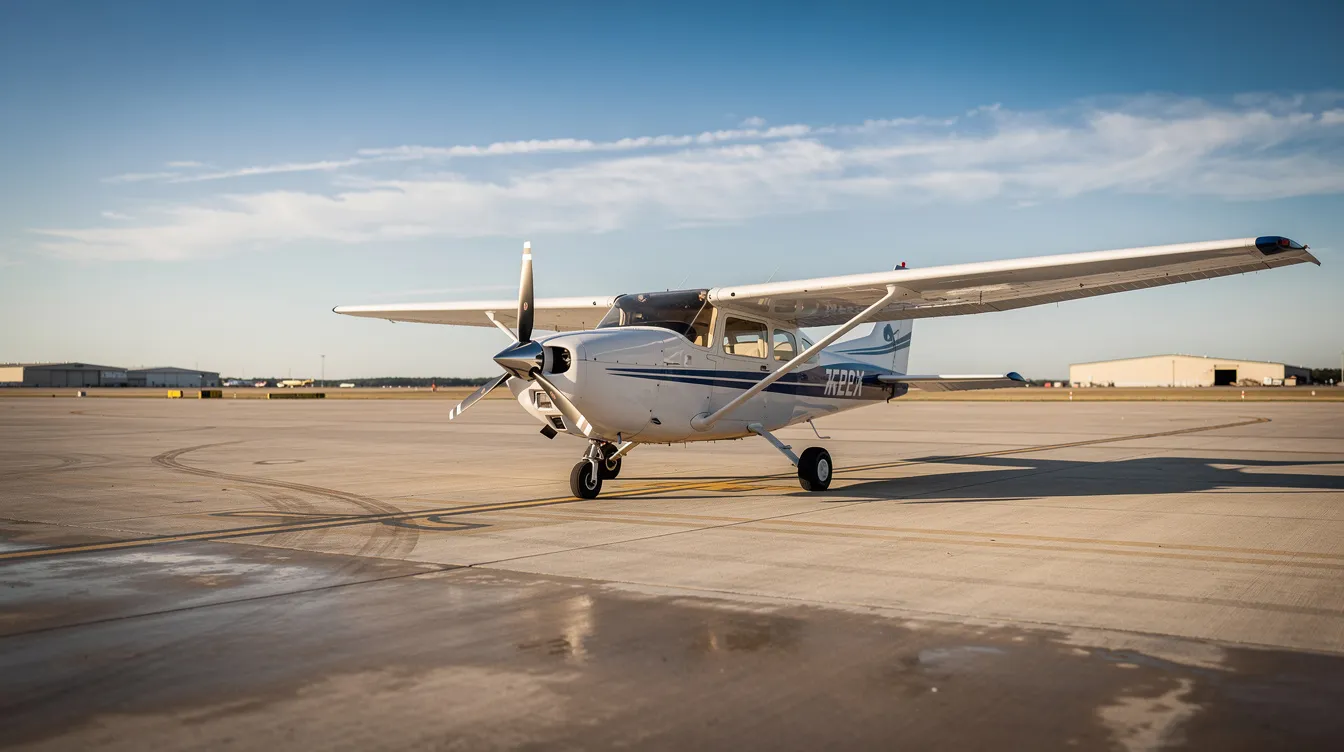
Commercial Single-Engine Flight Time Requirements (Part 61)
Under 14 CFR §61.129(a), applicants for a commercial pilot certificate with an airplane single-engine rating must log at least 250 hours of flight time. The required categories are summarized below.
|
Requirement |
Minimum |
Required breakdown |
|---|---|---|
|
Total flight time |
250 hours |
Includes the applicable experience categories below |
|
Powered-aircraft time |
100 hours |
At least 50 hours must be in airplanes |
|
Pilot-in-command time |
100 hours |
At least 50 hours must be in airplanes |
|
Cross-country PIC time |
50 hours |
At least 10 hours must be in airplanes |
|
Training with an authorized instructor |
20 hours |
• at least 10 hours of instrument training and of that 5 hours must have been in a single-engine plane (obviously) • 10 more hours in either a complex, turbine-powered or technically advanced airplane or any two of those • one 2 hour cross country day VFR hour cross country flight in a single-engine airplane, with at least a 100NM straight-line distance from the departure point • one 2-hour cross at night in a single-engine airplane, meeting the same 100NM straight-line distance from the departure point • and finally three hours of practical-test prep in the same plane within 2 calendar months |
|
Ten hours of solo flight time or performing PIC duties with an instructor |
10 hours |
• one cross country flight that exceeds 300 nautical miles total distance, with landings at three points and one landing at a point with a straight line distance of at least 250 nautical miles from the original point of departure • an extra 5 hours in night VFR conditions, with 10 takeoffs and 10 full stop landings at a towered airport |
This experience consists of a total of 250 hours, and flights may count toward more than one category when properly logged.
-
Complete 10 hours of training in a complex airplane, turbine-powered airplane, technically advanced airplane (TAA), or any combination of the three, as required by 14 CFR §61.129(a)(3)(ii).
Commercial Knowledge Test, Practical Test, and Use of Flight Simulators

Commercial pilot hopefuls have to pass both a written knowledge test and a hands-on evaluation. After the ACS reference, note that the practical test covers the areas of operation listed in § 61.127. The checkride also assesses performance maneuvers specific to the aircraft type. Instrument-related tasks can include recovery from unusual flight attitudes and intercepting and tracking navigational systems.
And then there's the way approved flight simulators and a flight training device can help out by cutting down on training, up to a point that is.
Knowledge Test (CAX) - The Written Bit
The Commercial Pilot Airplane Knowledge Test is a 100 question multiple-choice affair. You get 2 and a half hours to get through it, and then you just have to score at least 70% to pass. Pass it once, and you're good for 24 months. Just bear in mind that you've got to actually sit the checkride within that window or you'll have to sit the test again.
You've also got to meet a few requirements just to sit the test: get your instructor to sign off on your ground training, register with PSI testing and produce a valid photo ID. Don't forget, the test fee is around $175 - it might vary though, depending on who provides the test.
Practical Test (Checkride) - Putting It All Together
When you sit your practical test, you're going to be quizzed orally and given a flight test. And it's all overseen by a designated examiner. The examiner's got to follow the Commercial Pilot Airplane Airmen Certification Standards. Where applicable, that includes instrument-related tasks such as attitude instrument flying.
Your test will cover everything from performing turns and chandelles to recovering from unusual flight attitudes, using the attitude instrument when required, and working with navigational systems. You also need solid proficiency with flight attitudes and intercepting during the checkride. And don't even get me started on the emergency stuff you've got to be able to handle that too.
Flight Simulators and ATD - Cutting Down on Time
A clever trick that can help shave hours off your training: sitting approved flight simulators or ATD. You can log that time towards your required flying time under certain sections of the regulations, such as § 61.129. But here's the catch: the simulator can't replace the real thing when it comes to solo flights, instrument hours or night landings.
Part 61 vs. Part 141 for Commercial Single-Engine Training
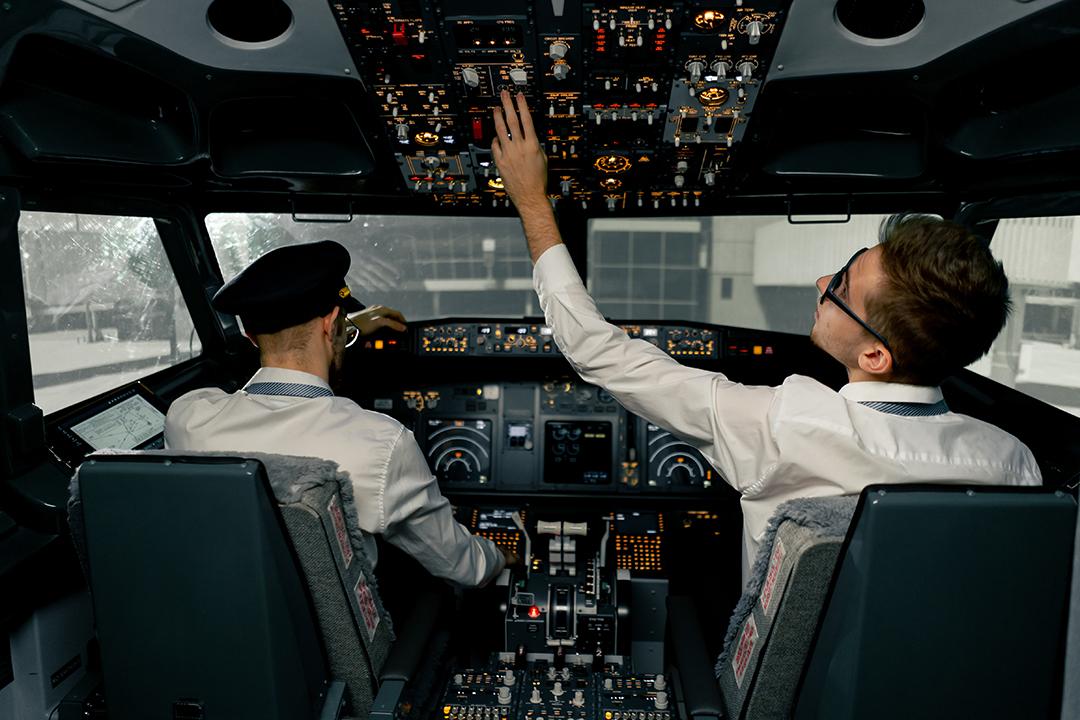
Both Part 61 and Part 141 pathways lead to the same commercial pilot certificate, but they differ in structure, minimum total flight time, and FAA oversight.
Part 61 requires at least 250 hours of total flight time for a commercial pilot certificate in a single engine airplane. It's self-paced, flexible, and popular with working adults or pilots building time through aircraft rental, partnerships, or ownership. You can train at any school or with any certificated flight instructor.
Part 141 programs are structured, syllabus-driven, and monitored by the FAA with required stage checks. Under Part 141 approved flight schools, the flight time requirement for a commercial pilot license is reduced to approximately 190 hours, including private pilot and instrument rating hours completed within that program.
This pathway is common among full-time students aiming for a professional aviation career.
If you already have significant flight time from other flying (e.g., gliders, tailwheel, personal travel), Part 61 may be more efficient since you can credit existing hours. If you're starting relatively fresh and want the shortest total-hour path, a Part 141 or Part 142 approved commercial pilot course may get you there faster.
Instrument Rating and Its Impact on Commercial Pilot Privileges
Having an instrument rating isn't strictly necessary to get a commercial pilot certificate under section 61.133, but trying to fly commercially without one comes with a whole host of serious limitations.
All the things you learn during instrument training also satisfy key commercial experience goals, including 10 hours of instrument instruction in attitude instrument flying, instrument flying partial panel, and partial panel skills, with some of that work done under a view-limiting device.
Commercial instrument work also includes recovery from unusual flight attitudes and intercepting and tracking navigational systems, which helps build flying partial panel skills and skills recovery from unusual situations.
Key restrictions if you don't have an instrument rating
-
You can't fly paying passengers or cargo on cross-country flights that are more than 50 miles from where you started off
-
You also can't do these kinds of flights at night
-
Most airlines and insurance providers will want you to have an instrument rating before you can even think about getting a job as a commercial pilot, so its pretty much of a requirement.
In reality, nearly every commercial pilot who is looking for work as a paid pilot ends up getting an instrument rating either before they start their commercial training or at the same time.
The most efficient sequence of training that most flight schools recommend is: private pilot certificate → instrument rating → commercial pilot certificate (ASEL). This way you can do a lot of the instrument cross-country flying and hood time that counts for both the instrument rating and the commercial certificate, so you don't have to do it all twice over.
All the things you learn during instrument training how to fly by instrument, navigation, doing partial panel work in the plane, and actually flying a plane without looking out the window all of that comes in handy when you're working towards your commercial certificate, and gives you credit towards your 10 hours of instrument flight training that you need for your commercial license.
What Commercial Single-Engine Pilots Can Do with Their Certificate
Once you hold a commercial pilot certificate with a single engine class rating and meet medical currency, here are examples of what you can legally do for compensation:
-
Aerial photography and surveying
-
Banner towing
-
Sightseeing flights under Part 91.147
-
Crop dusting and agricultural applications
-
Corporate or business flying in suitable single-engine airplanes
-
Ferry or repositioning flights for hire
-
Pipeline and powerline patrol
Airline pilot roles under Part 121 and most Part 135 charter captain positions require an Airline Transport Pilot certificate and significantly more flight time. The commercial certificate alone doesn't get you an airline seat.
Many commercial pilots initially use their certificate to work as a flight instructor (after obtaining a CFI certificate), build additional pilot in command time, and then transition into multi-engine, turbine, or airline roles. Meeting the detailed commercial single engine requirements is a major milestone in any aviation career, and it opens the door to nearly every paid flying opportunity that doesn't require an ATP.
Planning Your Commercial Single-Engine Training Path
The key to a successful flight training experience is careful planning getting your flight training, flight time building, and practical test preparation all lined up in advance. The most common reason students stall out is because they didn't take a close enough look at where they were against the requirements until it was almost too late.
Getting a Reality Check
First, take a hard look at your logbook against every FAA minimum total flight time, PIC time, cross country PIC time, night flying, instrument flying, attitude instrument flying partial, complex/TA aircraft, and solo flying.
Identify where you're falling short, then start building a training plan that's designed to fill those gaps in the most efficient way possible, checking both total hours in cross country and the required category-specific cross-country entries rather than just flying to rack up hours.
Finding the Right Flight School or Instructor
Look for a flight school or instructor who has real experience with commercial single engine training you'll need someone who can hook you up with a complex airplane or TAA, or even better, access to an approved flight simulator or ATD to get you instrument training sorted out quickly, ideally with an electronic Primary Flight Display to build a solid instrument scan and a heading guidance system that helps you practice precise navigation and attitude control.
Sadly, not every school has these resources, and you'll probably waste time and money switching schools in mid-stream.
Get A Head Start on the Knowledge Test
Develop a study plan that includes a mix of textbooks, online courses, practice exams, and the likes of the Commercial Pilot ACS and the Airplane Flying Handbook get a head start on studying before you even reach the flight time minimums, so you don't have to wait around for a CAX pass to schedule your checkride.
Commercial single engine training is a lot to take in medical requirements, experience requirements, knowledge requirements, and skills requirements but every single hour you log gets you one step closer to getting paid to fly.
Do yourself a favor and take a close look at your logs, lay out a plan for your training, and fly with a sense of purpose. Trust me, getting your commercial certificate is within your grasp, and the Commercial Pilot ACS also helps you prepare for practical test preparation completed within the preceding 2 calendar months.
