Private Pilot Class: Your First Step to Fly
Jun 08, 2026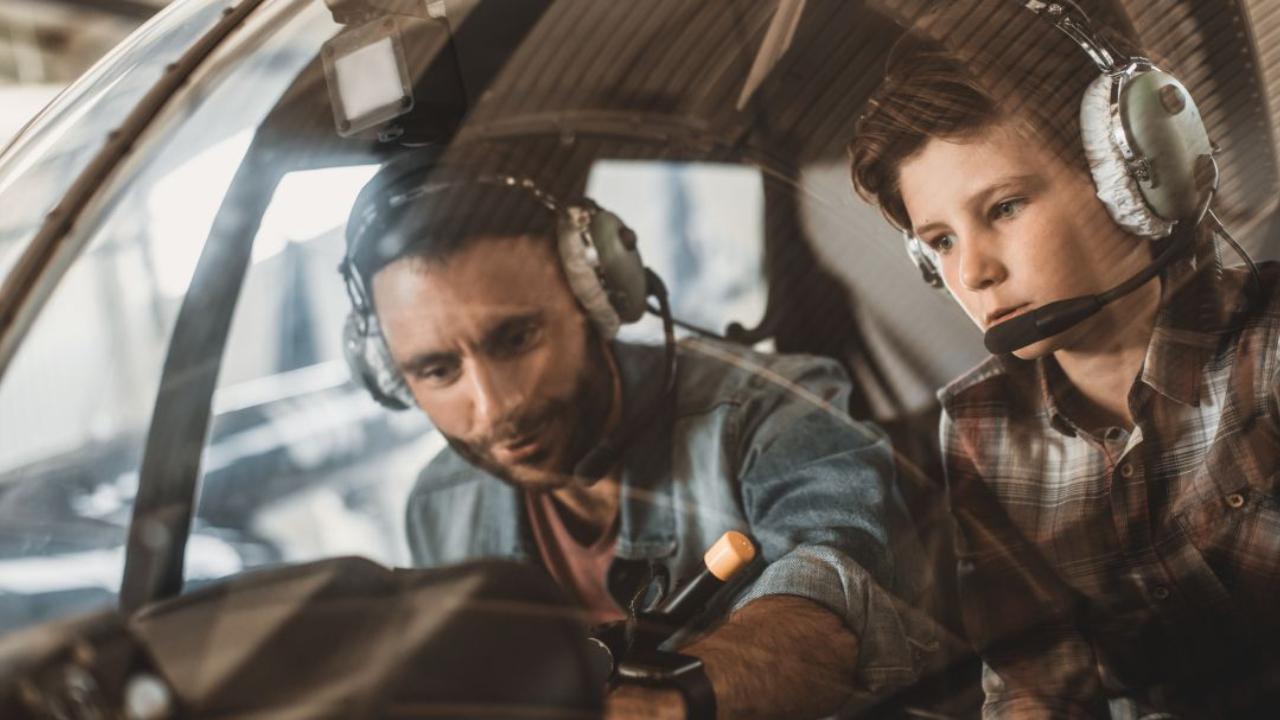
A private pilot class is the perfect blend of classroom learning and hands on flying experience that will see you well on your way to getting your FAA Private Pilot License (PPL).
And this is just the very start this is the first step to getting your wings for personal fun, adventures with your mates & family and even a little bit of business travel though still not quite ready to earn a paycheque flying for an airline.
Flight training consists of two main components: ground school and flight training, which together prepare students for the FAA written and practical tests.
A typical private pilot class leads to earning your private pilot certificate under Part 61 or Part 141 regulations. To officially earn your certificate, you must complete a written exam and a practical exam split into an oral quiz and a flight test.
What does this actually mean for you? Getting to fly a Cessna 172 on your own in nice clear daytime flying - taking your family & friends along for the ride as passengers and accessing all those fantastic little airports across the country.
With a private pilot certificate you're free to fly any aircraft that's under 12,500lbs for non-commercial purposes which gives you heaps of freedom to explore the country on your own terms.
Main benefits of earning your PPL
-
Freedom to fly on your schedule, not an airline’s
-
Flexibility for spontaneous weekend trips
-
Lifelong skills in decision-making and situational awareness
-
Foundation for advanced ratings and certifications
Why Take a Private Pilot Class Instead of Just “Figuring It Out”
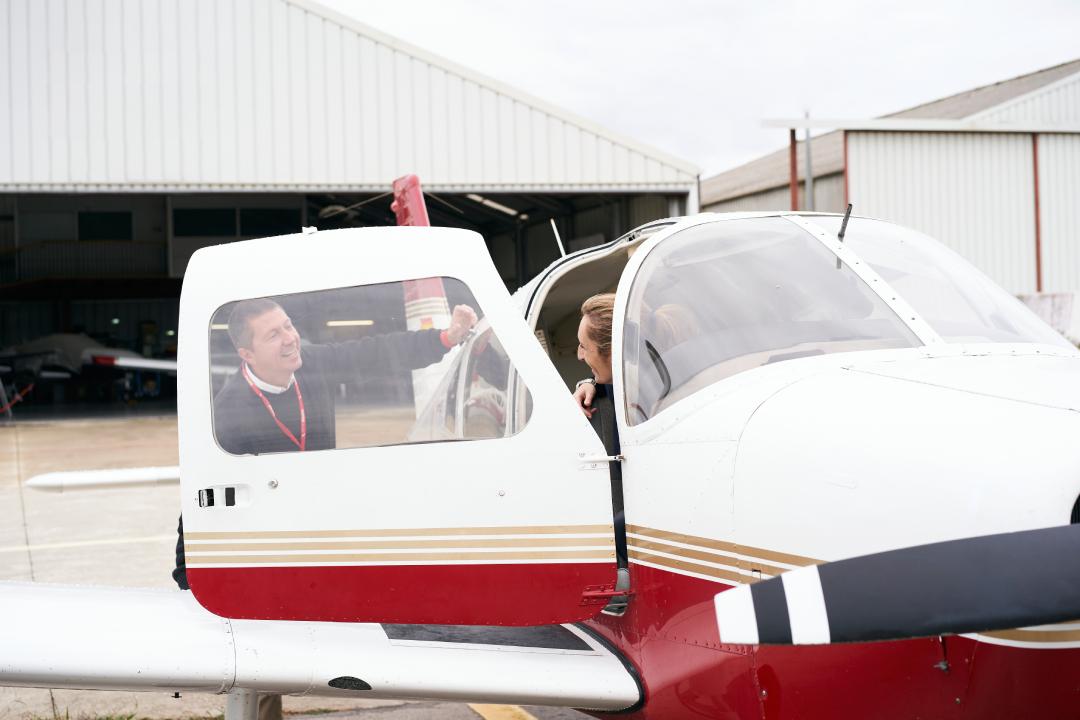
The fact is, while there are plenty of self-study resources out there, formal pilot classes bring a level of structure to the learning process that just can't be replicated by piecing together bits of information on your own.
And let's be honest, structured programs really do set you up for success when it comes to the big responsibilities that come with being a pilot and they help ensure you meet all the FAA requirements in the process.
Students in structured programs blow it out the water when it comes to passing those FAA tests usually by a pretty wide margin and they can often finish training 10 to 15 hours faster than people who are cobbling together their own ad-hoc lessons.
Courses these days tend to combine online ground school, in-person instruction, and simulator training - and that can be a real game-changer for efficient learning.
We've seen a lot of flight schools report that students who stick to a structured syllabus do a whole lot better on that first FAA knowledge test with first-time pass rates of 85 to 90%! That's in contrast to the 70% pass rate we see from folks who try to do it all on their own.
Advantages of structured training
-
Organized syllabus preventing knowledge gaps
-
Expert flight instructors with tailored feedback
-
Practice FAA tests mirroring actual exam format
-
Built-in accountability and progress tracking
-
Safety-first culture from day one
Step 1: Confirm You’re Eligible for Private Pilot Training
Before signing up for private pilot training, double-check that you meet the prerequisites to get a private pilot's license.
To be eligible for a Private Pilot License you need to have turned 17 years old, speak English fluently and have a valid third-class medical certificate. You cant actually fly solo until you've turned 16 but you still need to be 17 to get the PPL.
Being able to understand English pretty much means you can read & speak and also understand what the air traffic controllers are saying on the radio. This medical check is done by an Aviation Medical Examiner (AME) & will usually cost between $100-$150.
Eligibility checklist
-
Age 16+ for solo privileges, 17+ for certification
-
English language proficiency
-
Third-class medical certificate from an AME
-
U.S. citizenship or TSA approval for non-citizens
-
Before your first solo flight, you must obtain a student pilot certificate, which is a requirement for solo flight training
Step 2: Ground School – Building Knowledge Before You Fly
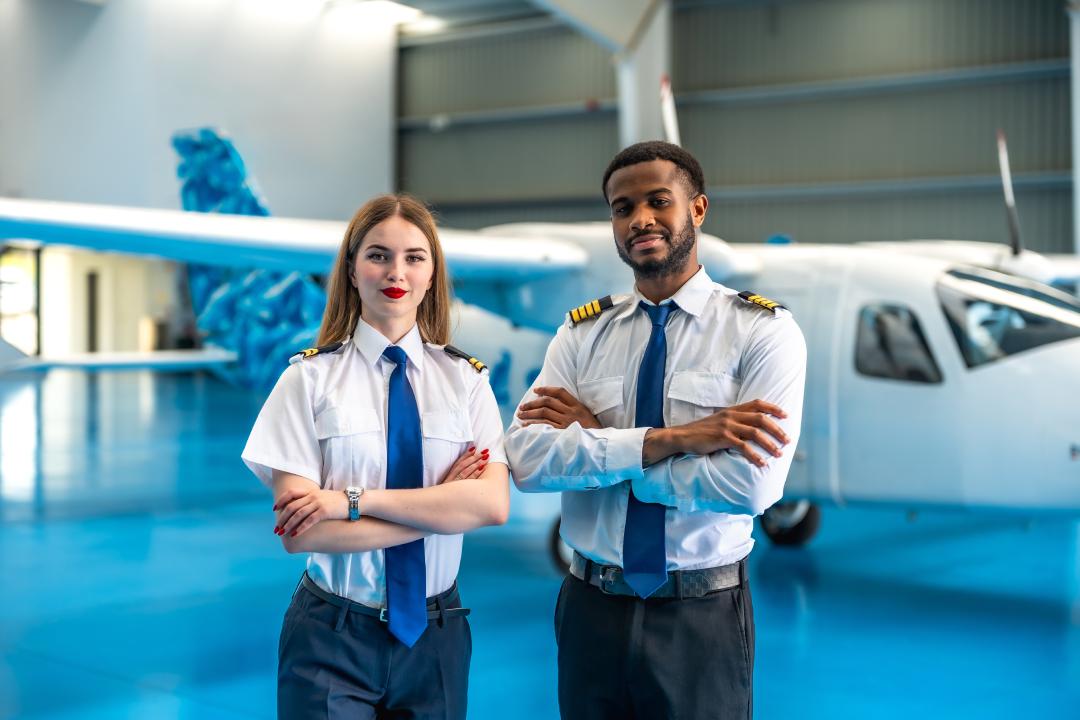
Ground school is where the private pilot learning journey really takes off its the classroom (or online) bit of your course that gets you ready for that big FAA written test.
And it doesn't just cover the basics either no, this is the stuff that every pilot needs to know. We're talking about the ins and outs of air regulations, aircraft systems, navigation, aerodynamics, weather and comms all the things you'll need to be in control of when you're flying solo.
Getting to grips with aerodynamics, deciphering the weather and plotting your route - these are the building blocks of private pilot training. And you can tackle ground school in two ways: take a class in a real classroom or log in to one of the FAA's approved online courses.
Core topics covered
-
Basic aerodynamics and flight instruments
-
FAA regulations (Parts 61 and 91)
-
Weather reports (METARs, TAFs) and density altitude
-
Navigation using sectional charts and GPS
-
Flight planning and weight-and-balance calculations
-
Radio communication phraseology
Most people can knock ground school in 3 to 6 weeks, putting in a good 5-8 hours per week. A top-notch course should include loads of FAA practice tests and some flashcards thrown in for good measure.
Step 3: Flight Training – From First Lesson to Solo Flight
Your flight training is going to take you through a few different stages the Pre-Solo phase and then the Cross-Country & Advanced phase. And let's be real, all that actual flight training is split between time in the cockpit with a certified instructor showing you the ropes and time on your own solo flights that you're being watched over.
To get your Private Pilot License, the FAA requires a minimum of 40 hours in the air. But to give you a better idea, the average student takes around 55 hours to get licensed.
Now the rule says you need 40 total hours, but the numbers are looking more like 60-75 hours if you're going for actual proficiency. And in all honestly, a lot of students need around 75 hours of flight time before they're really feeling confident in the air.
Those first few lessons are all about just getting a feel for things. We start with the basics takeoff and landing, climbing and descending, how to handle an emergency landing the works.
And you'll get hands on experience in planes like the Cessna 152 or 172, figuring out how to use the controls and all the other basics of straight-and-level flight, some simple turns, and how to fly this thing.
Training progression
-
Basic controls and straight-and-level flight
-
Slow flight and stall recognition/recovery
-
Steep turns and ground reference maneuvers
-
Normal and short-field takeoffs and landings
-
Emergency procedures
The milestone of your first solo flight typically occurs around 10-20 hours of training, depending on consistency and progress. A typical schedule involves 2-3 flight lessons per week. Consistency in flight training scheduling is important to prevent falling behind.
Step 4: Cross-Country Training, Checkride Prep, and FAA Tests
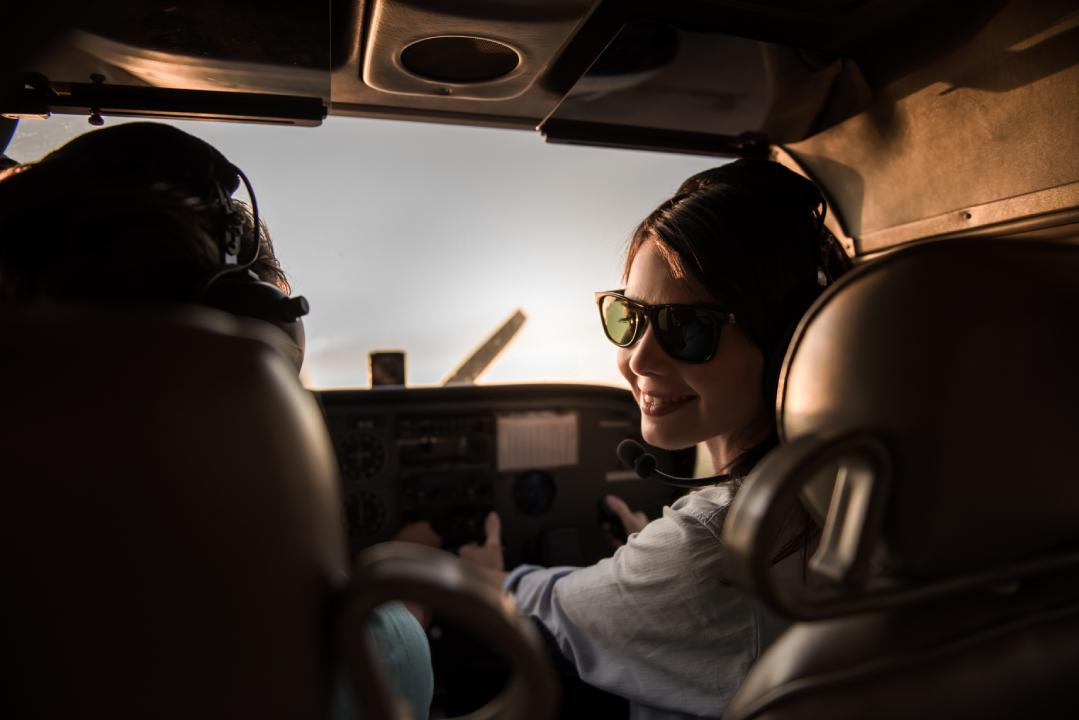
With your takeoff and landing skills under your belt, the focus of flight training shifts towards more serious stuff like cross country flying and getting ready for the FAA checks.
Cross country flights mean planning routes using sectional charts or electronic flight bags, doing some math on fuel consumption, and taking at least one 150 nautical mile trip where you land at a few different airports and take off again.
Typically, you need to log at least 40 hours of actual flying time, and that can include flying during the day and at night, doing some cross country trips, and just making sure you can soar through your paces in just about every situation.
The FAA Written Exam is a 60 question, multiple choice test where you need to score at least 70% to pass - you'll have 2.5 hours to yourself at a testing center run by PSI.
The private pilot oral test is where a designated pilot examiner will grill you on things like rules, how to read the weather, how your plane handles and how to manage risk.
Then there's the checkride itself which is a hands-on assessment of whether you can still fly to the standards set out in the Airman Certification Standards (ACS).
The flight part of the checkride includes things like normal and short field landings which is where you need a very short runway to climb back up into the air, navigation, a bunch of other aerial stunts, and a simulated emergency or two.
A good private pilot course will also give you individual checkride prep lessons and some mock quizzing to get you ready for the oral part of the exam.
How Long Does a Private Pilot Class Take in Real Life?
Realistic timelines range from 3-6 months for motivated students flying 2-3 times weekly, to 6-12 months for those with limited schedules. Weather cancellations, instructor availability, and aircraft maintenance all affect total flight time.
Typical training durations
|
Schedule |
Flights/Week |
Timeline |
|---|---|---|
|
Full-time student |
4-5 |
10-12 weeks |
|
Part-time professional |
2-3 |
4-6 months |
|
Weekend flyer |
1-2 |
8-12 months |
Set a target date for your FAA knowledge test and work backward to create a personal study and flight schedule.
How Much Does a Private Pilot Class Cost?
The cost to earn a private pilot license can vary significantly, with estimates ranging from $12,000 to $14,000, depending on factors such as flight frequency and individual learning pace. The total cost for a PPL in 2025-2026 typically falls between $12,000-$18,000.
Cost breakdown
-
Aircraft rental: $170-$220/hour wet (Cessna 172 with fuel)
-
Flight instructor fees: $60-$80/hour
-
Ground school: $200-$500
-
Headset: $300-$800
-
FAA medical exam: $100-$150
-
Knowledge test: $175
-
Checkride (DPE fee): $700-$1,000
The total course tuition for obtaining a private pilot license can be as high as $36,147, which includes ground school, flight training, and other associated costs at accelerated programs.
Money-saving strategies: fly frequently to avoid skill rust, use online ground school instead of one-on-one instruction, and track your Hobbs time carefully.
Choosing the Right Flight School and Instructor for Your Class
Part 61 schools offer flexibility with a 40-hour minimum, while Part 141 schools follow FAA-approved syllabi with a 35-hour minimum. Both lead to identical private pilot certificate privileges.
Questions to ask potential flight schools
-
How many active CFIs are on staff?
-
What’s your aircraft fleet and maintenance schedule?
-
What’s the average time to PPL for your students?
-
How do you handle scheduling conflicts?
Look for a flight instructor with clear communication, patience, and a written lesson syllabus. Visit the school in person, tour the aircraft, and take a discovery flight—often a 0.5-1.0 hour intro lesson.
Prioritize safety culture and transparency over the lowest hourly price.
Online vs In-Person Private Pilot Ground School Classes
Many students split their private pilot class between online ground school and in-person flight lessons. Online courses offer flexible scheduling, self-paced video lessons, and built-in practice FAA tests.
Format comparison
|
Format |
Best For |
Considerations |
|---|---|---|
|
Online |
Working professionals, self-motivated learners |
Requires discipline |
|
In-person |
Those preferring live Q&A |
Fixed schedule |
|
Hybrid |
Most students |
Best of both |
Verify any online course aligns with current FAA Airman Certification Standards. Private pilot training provides foundational knowledge critical for recreational aviation or a professional commercial pilot career.
Life After Your Private Pilot Class: What You Can Do With a PPL
The moment you've passed your checkride, the whole world starts to open up. After successful completion of your private pilot class and checkride, you can begin using your PPL for personal travel, family trips, volunteer flying, and building hours toward advanced ratings.
Just picture it: taking your mates on a local sightseeing flight, or buzzing off to the coast for a quick weekend getaway the possibilities are endless.
A private pilot license lets you split the costs of flying with friends and fellow travellers which can be a nice little perk if you're planning some far flung adventures with family or pals.
But, just to be clear, you can't use your license to earn a living from flying, though you can charge a little bit to cover your costs.
Practical uses for your PPL:
-
Personal and family travel
-
Business trips to visit clients
-
Volunteer flying for charitable organizations
-
Building hours toward advanced ratings
Obtaining a private pilot license serves as a foundational step for pilots who wish to pursue advanced ratings and certifications, such as instrument or commercial pilot licenses.
Next steps include the instrument rating, commercial pilot license, multi-engine add-on, or specialized endorsements.
As you progress toward professional aviation goals, a commercial pilot study guide can help prepare you for the advanced knowledge, regulations, and checkride standards required at the next level.
Frequently Asked Questions About Private Pilot Classes
What is the first step to becoming a pilot?
Schedule a medical exam with an AME and book a discovery flight at a local flight school. These two steps confirm you’re medically eligible and interested in pursuing training.
How many hours do I really need beyond the 40-hour minimum?
On average, students typically require about 55 flight hours to complete their training for a private pilot license, although the FAA minimum is 35 hours under Part 141 or 40 hours under Part 61. Most students finish between 60-75 hours.
Can I train while working full-time?
Yes. Weekend and evening flying is common. Expect 6-12 months to complete training at 1-2 flights weekly.
Do I need my own airplane to start?
No. Flight schools provide aircraft rentals, typically Cessna 152s or 172s, included in hourly training costs.
What happens if I fail an FAA test?
You can retake the knowledge test after 30 days. For checkride failures, you can retest the failed areas without repeating passed sections. A structured private pilot class helps avoid this with targeted prep.
Ready to begin flight training? Talk to a local flight instructor or school to get a personalized training plan. The cockpit is waiting your first step starts with a single phone call.
