Is Instrument Rating Hard? IFR Training Guide
May 22, 2026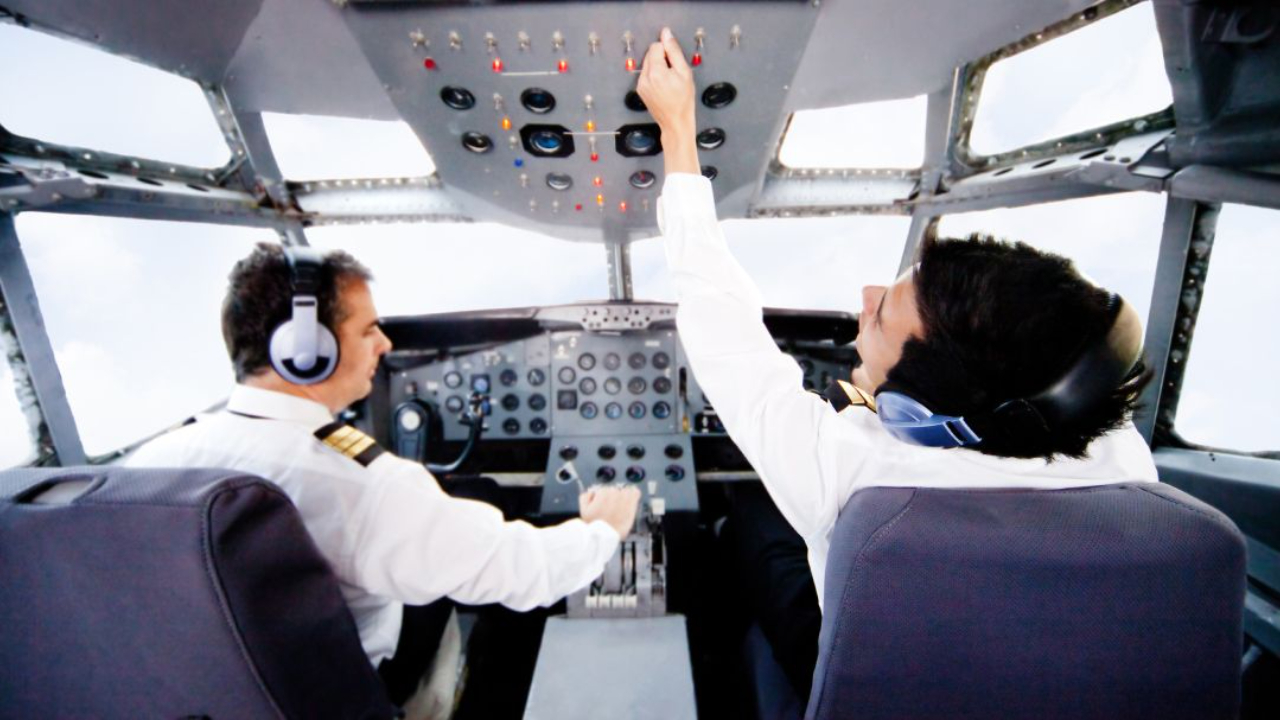
Youve probably heard that the instrument rating is one of those tricky certificates pilots have to earn the one that makes them think twice about signing up.
The reality is, its definitely tough and just plain different from private pilot training. BUT , if you put in the effort and study hard, you can earn it most people do.
So lets break down what actually makes IFR training so demanding and why its not as mysterious as most pilots think it is.
Is Getting an Instrument Rating Really That Hard?
Getting an instrument rating is a whole new ball game compared to flying VFR, but its no impossible mountain to climb - like people sometimes think it is. Here's a more accurate comparison:
-
More mental workload than PPL: You’ll manage clearances, procedures, and navigation simultaneously while maintaining precise aircraft control by reference to instruments alone
-
Less “mystical” than expected: The core stick-and-rudder flying is identical to what you already know you’re just reading the panel instead of looking outside
-
Procedures become routine: What feels overwhelming in hour five becomes automatic by hour twenty-five
The FAA checkride standards are all laid out in the Airman Certification Standards (ACS). And guess what most students pass their instrument checkride on the first attempt if they've got good instruction and have prepared properly.
The tolerances are pretty tight you've got 100 feet of altitude, 10 degrees of heading, and 10 knots of airspeed but the good news is you can get it right with some practice.
Realistic timelines: Many part-time pilots finish in 3–6 months flying 2–3 times weekly. Intensive 7–10 day courses exist for those who can commit full-time. Either way, expect around 45–55 hours of instrument time for most people.
Even pilots who never actually fly in the soup (ideal weather conditions) say that instrument training makes them more confident, more precise and safer in all their flying.
How Instrument Flying Differs from Private Pilot Flying
Instrument flight isn't about being better or tougher at the basics - its a fundamentally different way of thinking and handling the cockpit.
Your private pilot training taught you how to fly the plane: now instrument flying is all about how to manage the information flooding in while still flying the plane.
-
Head inside vs. outside: Most of your attention shifts to the six-pack gauges (or glass panel), GPS, and navigation instruments instead of external references like the horizon
-
Tighter precision requirements: Training goals demand holding altitude within ±100 feet, heading within ±10°, and airspeed within ±10 knots far stricter than VFR flying
-
Structured procedures: IFR clearances, instrument approaches, holds, and missed approach procedures follow rigid “scripts” you must execute correctly
-
Workload spikes: Difficulty peaks during departures, arrivals, and approaches when radio work, navigation changes, and configuration adjustments all happen rapidly
What feels like task saturation in your first 5–10 hours becomes routine with repetition and good flows. The entire flight eventually feels manageable once you’ve built the right habits through consistent lessons.
Is the IFR Knowledge (Written) Test Hard?

The knowledge exam is often the most predictable part of the rating if you attack it systema2tically early in training.
-
Test format: The U.S. instrument rating knowledge test is 60 multiple-choice questions over 2.5 hours, covering weather theory, regulations, procedures, and navigation calculations passing score is 70%
-
Study strategy: Use one primary question bank and 1–2 concise reference guides focusing on high-yield topics like approach minimums, alternate requirements, and IFR charts
-
Realistic timeline: Plan 1–2 hours daily for 2–3 weeks, then take the exam while material is fresh
-
Test prep vs. real knowledge: “Teaching to the test” works fine for passing, but deepen your understanding afterward with real-world resources, weather books, and scenario training
-
Timing matters: Complete the written before heavy flight lessons so expensive aircraft time focuses on building skill, not managing test anxiety
Front-loading academics eliminates one major stressor and lets you fully understand the procedures you’ll practice in the airplane.
How Hard Is IFR Flight Training Itself?
Flying IFR feels awkward for the first 5–10 hours as you learn to trust instruments over your body. Most people experience a “click” moment between 15–25 hours where the panel starts making intuitive sense. By the time you’re checkride ready at 40+ hours of instrument time, procedures feel natural.
-
Training phases: Progress moves from basic attitude instrument flying (pitch and power relationships), through navigation (VOR radials and GPS legs), holding patterns, approaches, and simulated cross-country IFR
-
Real challenge: Raw flying isn’t the hardest part multitasking, prioritizing, and staying “ahead of the airplane” by anticipating what comes next is where most pilots struggle
-
Simulator value: Home simulators or flight training devices at your school let you practice holds, approaches, and emergencies cheaply and repeatedly
-
Avionics complexity: Learning plate reading and GPS programming often feels harder initially than the basic instrument scan
-
Front-load repetition: Coordinate with your flight instructor to master “scan plus procedures” work in a simulator before translating those skills to the actual airplane
The course progresses faster when you can separate learning button-presses from learning to fly by reference to instruments.
Specific Challenges That Make Instrument Rating Feel Hard
Knowing the specific hurdles ahead of time makes them far easier to manage. Here’s what most pilots struggle with:
-
Mental workload and task saturation: In busy Class B/C airspace, ATC instructions, radio calls, navigation changes, checklists, and altitude control all hit simultaneously disciplined flows are the only solution
-
Interpreting 2D instruments as 3D reality: You must learn to “see” attitude, trend, and flight path from the panel alone, building a mental picture without external reference
-
Human factors and illusions: The leans, Coriolis illusion, and graveyard spirals occur when your vestibular system conflicts with what instruments show repeated hood time trains you to trust the equipment over bodily sensations
-
Chart and plate complexity: IFR enroute charts and approach plates are dense with symbols, altitudes, frequencies, and notes that must be decoded quickly during an approach
-
Clearances and radio work: Copying and reading back complex routes, SIDs, STARs, and amended clearances demands speed and accuracy most VFR pilots haven’t developed
-
Regulations and minimums: Understanding alternate requirements (the 1-2-3 rule), fuel reserves, approach minimums, and when you can legally land versus going missed adds procedural complexity
- System failures such as pitot-static blockage errors can also make IFR training feel harder because pilots must recognize unreliable instruments while maintaining aircraft control.
Each challenge becomes manageable with targeted practice but ignoring any one of them will stall your progress.

How Much Time, Money, and Effort Does It Really Take?
Logistics cost, schedule consistency, and life interruptions often make the IFR rating feel “harder” than the actual flying skills.
-
Hour requirements: FAA Part 61 minimums are 40 hours of actual or simulated instrument time (15 with a CFII), plus cross-country requirements; most pilots finish closer to 45–55 hours of instrument time.
-
Realistic 2024–2026 costs: Expect $8,000–$15,000 total depending on aircraft rental ($200–300/hour), instructor fees ($60–100/hour), simulator packages, and exam costs cheaper in rural areas, pricier near major airports.
-
Training models: If you want to go the intensive route, you can try a 7-10 day course ($5,000-$8,000) that really immerses you in the training but if you're not careful, you might find that you forget most of it afterwards.
On the other hand, going the slower route raining part-time over a few months might be a bit more hit or miss depending on how well you can commit.
-
Post-rating currency: After your rating, you'll need to be currency compliant within six months.
This means you need to get in three approaches and holds in either simulated or actual IMC conditions, or have an instrument proficiency check with a certified flight instructor.
-
Plan before starting: Budget for gaps in training, home study materials, and simulator time to avoid drawn-out schedules that hurt retention
Consistent training beats sporadic lessons every time. Two flights per week beats four flights one week followed by three weeks off.
Strategies to Make Instrument Rating Easier
While IFR is demanding, smart preparation makes it far less intimidating and more enjoyable. Here’s what works:
-
Front-load academics: Complete the knowledge exam early, master plate reading with apps, and review common IFR routes before heavy flight training begins.
-
A structured online instrument rating course can help you front-load IFR academics, review approach procedures, and build confidence before expensive flight lessons begin.
-
Use flows and acronyms: Mental checklists for approach briefings, the “5 Ts” for holds (Time, Turn, Twist, Throttle, Talk), and lost comms mnemonics reduce cognitive load
-
Chair-fly and use simulators: Practice entire approaches at home verbalize calls, button presses, and configuration changes to ingrain sequences before spending money in the plane
-
Build radio skills separately: Listen to LiveATC.net feeds, practice copying example clearances, and role-play readbacks with another pilot to improve accuracy
-
Progress gradually: Start with simpler non-towered fields and non-precision approaches before tackling busy airspace with complex SIDs and STARs
-
Communicate with your CFII: Be honest about weak areas holds, descents, chart reading so your instructor can target specific skill gaps in each lesson
Making the process user friendly comes down to preparation and honest self-assessment.
Is It Worth the Difficulty? Benefits Beyond the Rating
The rating demands real effort and hard work. But here’s what pilots gain long-term:
-
Safety: VFR-into-IMC is a leading killer of GA pilots the instrument rating makes you a safer pilot through better weather decision-making, understanding of icing conditions, and contingency planning
-
Flexibility: Launch and complete trips when ceilings would ground VFR-only pilots; fewer cancellations, diversions, and disappointing passengers
-
Precision and professionalism: IFR habits thorough briefings, stabilized approaches, disciplined checklists make you a better pilot even on clear-weather flights
-
Career progression: The instrument rating is non-negotiable for any professional pilot path and a prerequisite for commercial and ATP training
-
Personal satisfaction: Breaking out of clouds lined up with the runway, or flying a smooth gate-to-gate IFR route, delivers a feeling that makes the effort worthwhile
Yes, it’s work but for most pilots, the added capability and confidence far outweigh the difficulty of the training period.
The main reason many pilots consider it the hardest rating is simply that it requires sustained mental effort over months. But that opinion changes once you’re an IFR rated pilot operating confidently in weather that keeps others on the ground.
The answer? Work hard, stay consistent, and trust the process. The instrument rating is challenging but it’s a challenge worth taking on.
