How to Start Getting Your Pilot's License in 2026
Jul 16, 2026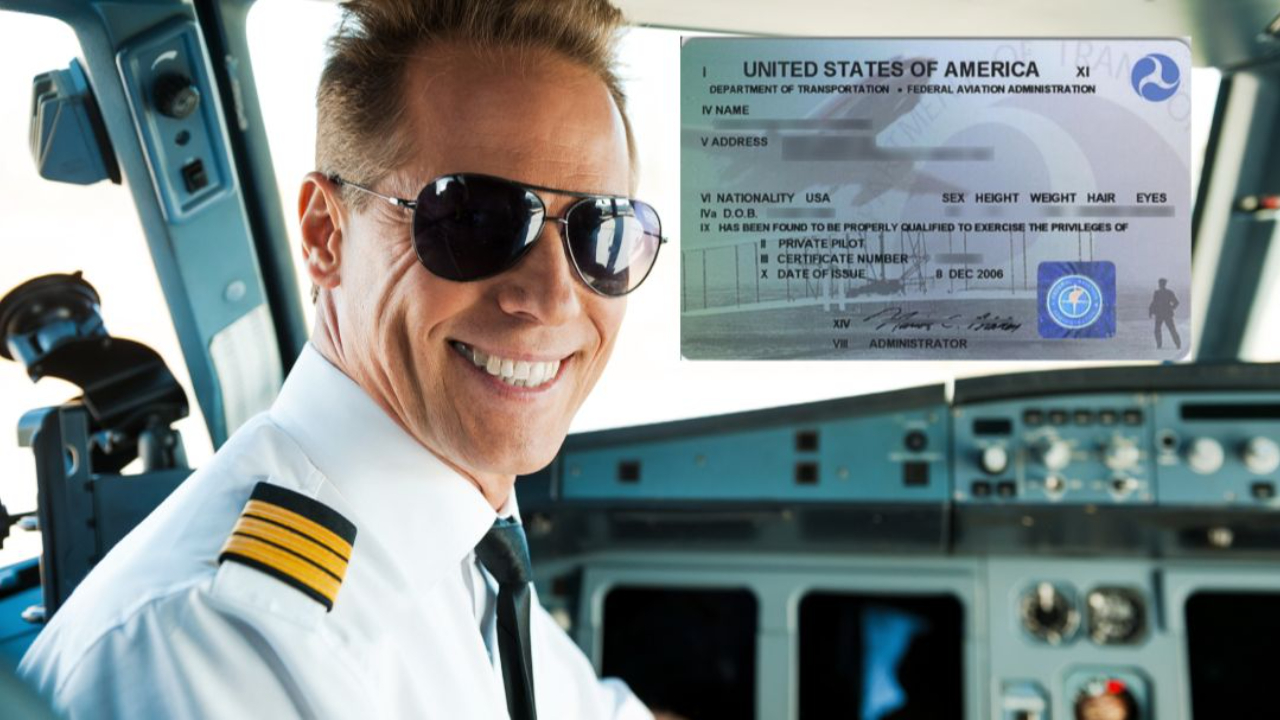
Ready to soar the skies? Discover how to start getting your pilot's license with our step-by-step guide.
From your first flight lesson to passing the FAA checkride, we break down everything you need to know to take off on your aviation journey. Whether for fun or a career, your pilot’s license awaits let’s get started!
Quick Start: Your First Three Moves
If you're interested in becoming a pilot, here are the three moves that get you off the ground fastest:
-
Get in for a discovery flight already. Book yourself a 30-60 minute lesson at a local flight school where a certified flight instructor will let you have a go at the controls under their watchful eye. This will set you back $100 to $250 depending on where you live and what kind of plane you're in. Look up a few flight schools around you and book one this week.
-
Get your medical sorted out. Book an appointment with an aviation medical examiner to get your FAA medical exam done. To become a pilot you need a third class medical certificate, and exams usually cost around $100 to $200. If you're under 40 it stays valid for 5 years so get this done early to avoid any nasty surprises.
-
Compare some training programs. Pay a visit to a couple of schools and ask them about the difference between a Part 61 and Part 141 course. Whether your flying is just for fun or if you're looking to make a career out of it this could make a big difference.
You can begin ground school even before your first flight lesson. The rest of this article walks through each step in detail.
What a Pilot's License Actually Lets You Do
In the States, they call a "pilot's license" an FAA pilot certificate by any other name. Most new pilots start off with a private pilot certificate - people often refer to this as a private pilot license.
New pilots tend to start with short trips like flying to a nearby airport for lunch that's a "$100 hamburger flight" to those in the know.
Or you might take a sightseeing run along the coast. You can't exactly get paid for flying with a private pilot's license, though.
Once you've got your pilot's license, you can start adding some extra bits to your certificate - like an instrument rating, a commercial pilot license, a multi-engine rating, teaching certificate, and eventually you can aim for the top prize: an airline transport pilot's certificate - if you're crazy enough to want to fly for a living.
Step 1: Decide What Kind of Pilot You Want to Become
Your goals determine your training path, budget, and timeline. Most paths fall into three categories:
-
Recreational private pilot - Fly for fun, travel, and personal use. The private pilot certificate is the finish line.
-
Part-time commercial work - Earn a commercial pilot license for aerial tours, banner towing, or charter work. Requires additional flight hours and ratings.
-
Full airline career path - Progress through instrument rating, commercial pilot license, multi engine rating, and airline transport pilot certificate. Careers include regional airline first officer, cargo pilot, and corporate pilot, typically requiring 2–5+ years from your first lesson.
Regardless of your long-term goal, the first step is always the same: earn a private pilot certificate and build flight experience. Align your choice of flight school and training program with these goals from the start.
A high school diploma or GED is required to enroll in flight school, and some career path programs are affiliated with a college degree track.
Step 2: Understand FAA Eligibility & Flight Training Requirements
The FAA sets minimum standards before you can earn a private pilot license. Here are the flight training requirements:
-
You must be at least 16 years old to fly solo and at least 17 to receive your private pilot certificate.
-
You must be able to read, speak, write, and understand the English language.
-
Non-citizens need TSA clearance.
-
A third-class medical certificate is required for a private pilot license.
Under 14 CFR Part 61.109, the FAA requires a minimum of 40 flight hours, including at least 20 hours of dual instruction with a flight instructor and 10 hours of solo flight time, with cross country and night flying components.
However, most students require 50 flight hours or more before they're checkride-ready. The national average flight hours needed before the checkride is 60 to 75 hours. This gap between the FAA minimum and reality directly affects your private pilot license cost.
Meeting these requirements leads to the FAA practical test that grants the private pilot certificate.
Step 3: Get Your Medical and Student Pilot Certificate
Confirm your medical fitness early, especially if you plan to become a commercial pilot or airline pilot later.
-
The FAA issues three medical certificate classes. Most beginners need a Third-Class medical, but career-track students should consider a First-Class exam to ensure long-term eligibility for commercial and ATP privileges.
-
Find an aviation medical examiner through the FAA's AME directory. The 30–60 minute appointment checks vision, hearing, cardiovascular health, and medications. Common disqualifiers include certain prescriptions and uncorrected vision issues.
-
Before your visit, complete the MedXPress application online and keep your confirmation number handy.
-
A student pilot certificate is required to begin flight training solo. Apply through the FAA's IACRA system your flight instructor or a designated pilot examiner verifies your identity. This must be in place before your first solo flight.
Step 4: Take a Discovery Flight and Choose a Flight School
A discovery flight is both a trial flying lesson and a chance to evaluate a training program firsthand.
-
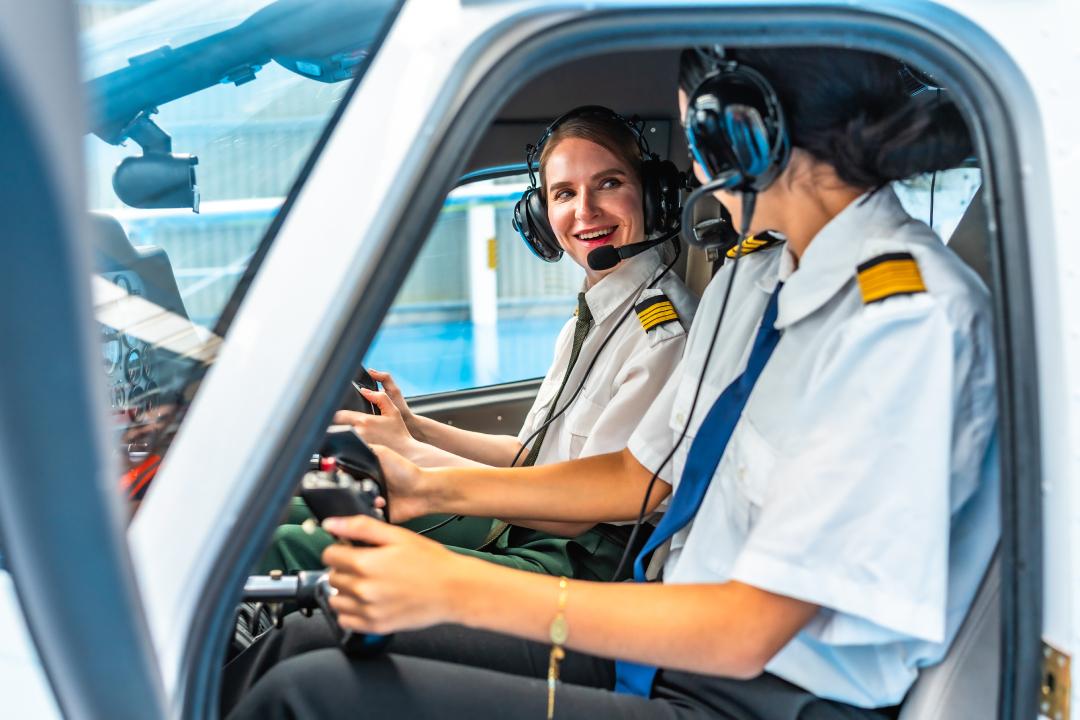
When you go on a typical discovery flight, you'll first get a run-down on what to expect beforehand, then get to spend anywhere from 20 to 40 minutes behind the controls, doing the real flying. Afterwards, you'll sit down with the instructor and go over what you did right and wrong.
-
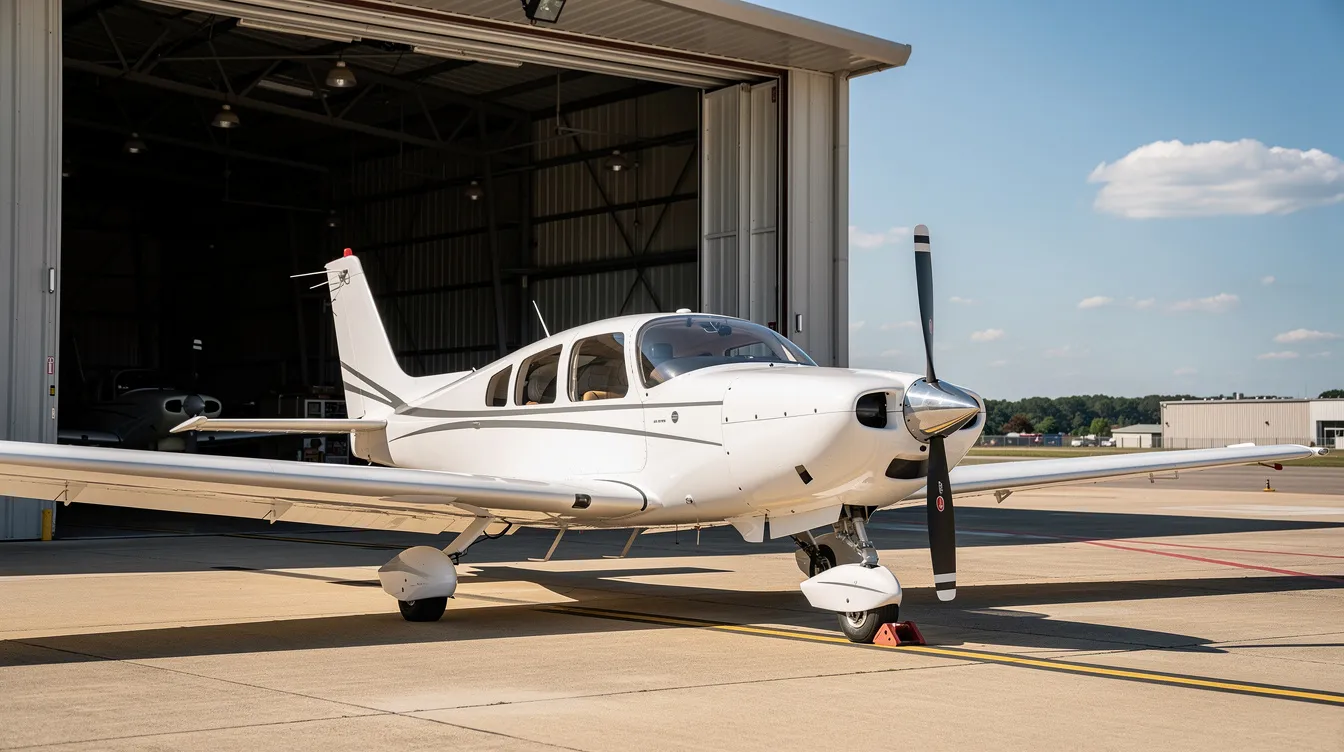
Take a good hard look at each school you're considering and pay attention to how good a job the instructors do of explaining things, what kind of shape the aircraft is in (if you see a late model Cessna 172 with modern avionics, that's a decent sign) and how easy it is to get a flight in when you want one.
If you're researching how to become a pilot in California, this is also the ideal time to compare local flight schools, instructor quality, scheduling flexibility, and training costs. You should also get a sense of whether everyone seems to be on the same page.
-
Some flight schools run on a flexible schedule, which is pretty ideal for people who can only fly part-time, or who have to juggle other responsibilities. Others are a bit more structured, often tied in with colleges and universities, and come with stage checks and a potentially faster path to getting your license.
-
Ask the schools to give you their best estimate of the total cost of getting a private pilot's license, how much time you can expect the whole thing to take, and what their pass rate is on the FAA practical test.
Step 5: Start Ground School (Your Aviation Theory Foundation)
Enrollment in ground school is necessary to learn the aeronautical foundational knowledge behind every flight. It prepares you for both real-world flying and the FAA knowledge test.
If you're wondering what to study for becoming pilot, ground school covers the essential subjects every student pilot must master before earning a pilot certificate.
-
Core topics include aerodynamics, aircraft systems, weather theory, flight planning and navigation, FAA regulations, aeromedical factors, and radio communication.
-
You can attend in-person ground training at your local flight school or use self-paced online courses. In-person classes offer interaction; online offers flexibility and often lower cost.
-
Ground school typically takes about 4 weeks to complete with consistent training, though some students spread it across 6–8 weeks alongside flight lessons.
Successful completion should culminate in an instructor endorsement to sit for the FAA knowledge test.
Step 6: Begin Flight Training and Log Your First Hours
The first months of flight training look like 2–3 flight lessons per week, combining preflight briefings, flight time, and post-flight reviews. Training 2–3 times per week is generally more effective than less frequent sessions.
-
Typical progression: basic aircraft control → takeoffs and landings → slow flight and stalls → ground reference maneuvers → pattern work → cross country navigation → night flying.
-
Your certified flight instructor acts as both teacher and safety pilot. Consistent training with the same instructor speeds progress and builds a stronger skill set.
-
Key milestones include your first solo flight (usually around 10–25 hours), first solo cross country, and night flights. You must complete solo and cross-country flights to qualify for the license.
-
Frequent flying (2–4 times per week) reduces total flight hours and overall cost by minimizing relearning. Long gaps between lessons are the number one driver of cost overruns.
Step 7: Pass the FAA Knowledge Test
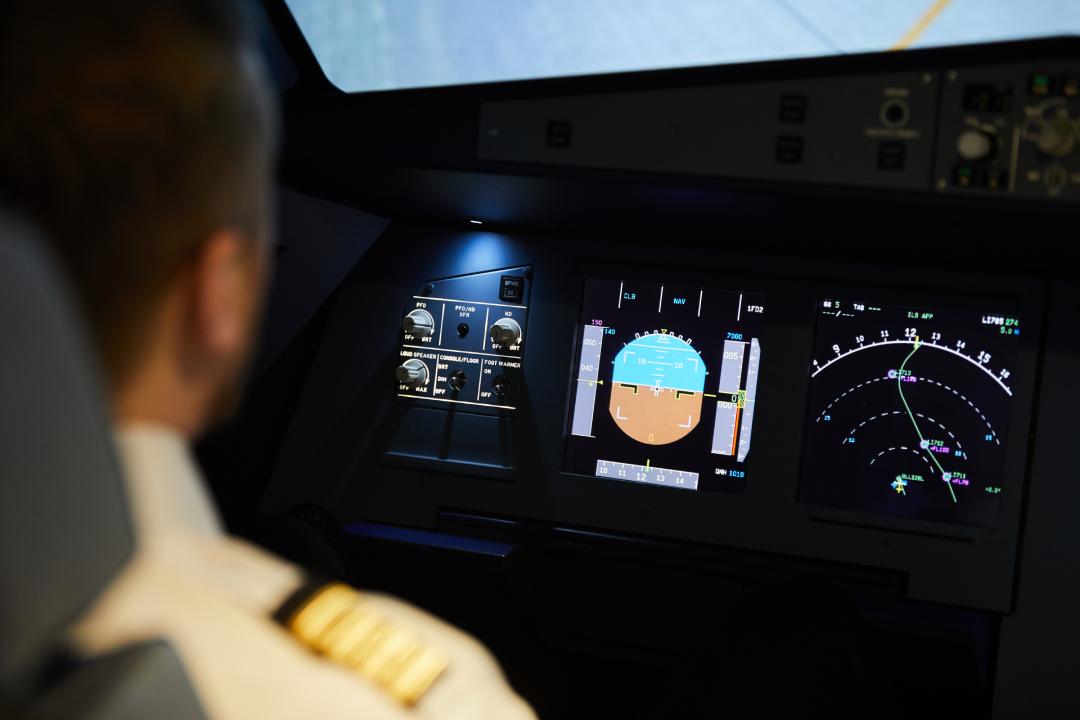
You need to pass a written FAA knowledge test to earn your license. The written exam covering theory is known as the FAA knowledge test, and it's a computer-based, multiple-choice practical exam.
-
Structure: 60 questions, 2.5 hours, minimum 70% to pass the FAA knowledge test. Topics mirror ground school content.
-
Prep using question banks, practice tests, and video courses. Schedule the exam soon after finishing ground school while the material is fresh.
-
An instructor endorsement is required to sit for the test. Scores remain valid for 24 calendar months. Retakes are allowed with additional instructor review.
Step 8: Prepare for and Take the FAA Practical Test (Checkride)
The practical test for a private pilot license is called the checkride - the final gate to earning your private pilot certificate. It combines an oral exam with an in-flight evaluation.
What You Need Before We Dive In
Before you show up for the checkride, make sure you have all your ducks in a row:
-
Have you finished meeting all your flight training requirements?
-
Got your instructor's endorsement?
-
Logbook all sorted?
-
Written test passed?
What to Expect During the Checkride
The oral exam will likely take anywhere from an hour to two (depending on how well you do) and will cover the usual suspects: flight planning, making good weather decisions, how aircraft systems work, the rules of the air, and keeping yourself out of trouble.
The flight evaluation portion is where your instructor puts you through your paces - testing all sorts of normal and not-so-normal flying skills, including navigation, dealing with emergencies, and just plain old everyday flying. This is where you'll get to show off everything you've learned.
Your Checkride: What You Need to Know
Here's the lowdown on the checkride itself:
-
It's gonna be run by a designated pilot examiner (DPE)
-
Will last several hours
-
If you make it through, you'll get a temporary private pilot certificate right then and there.
Last-Minute Tips
Don't go in cold. Here's what to do the day before the checkride.
-
Book a mock checkride with your instructor to work out any last minute kinks.
-
Go over any weak areas they pointed out after your written exam.
-
Get your plane and paperwork in order.
How Much Does a Private Pilot's License Cost in 2026?
Private pilot license cost depends on location, training pace, aircraft type, and total hours flown. Flight training costs vary by program and location.
-
Realistic range: private pilot license costs range from $12,000 to $20,000 for a typical training program in a Cessna 172, assuming 60–70 total hours. The median wet rental rate for a Cessna 172 is approximately $176/hour nationally.
-
Main cost categories: aircraft rental, instructor time ($40–$70+/hour), ground school, books and headsets, medical exam, FAA knowledge test fee, and practical exam fee.
-
Control total cost by flying regularly, studying between lessons, and avoiding long gaps. Chair flying and simulator sessions can supplement hands on experience affordably.
-
Students planning to become a commercial pilot should view this as the first investment in a longer aviation career budget. Professional pilot training can exceed $100,000 total across all ratings.
