How to Become an Aerobatic Pilot for Beginners
Jul 14, 2026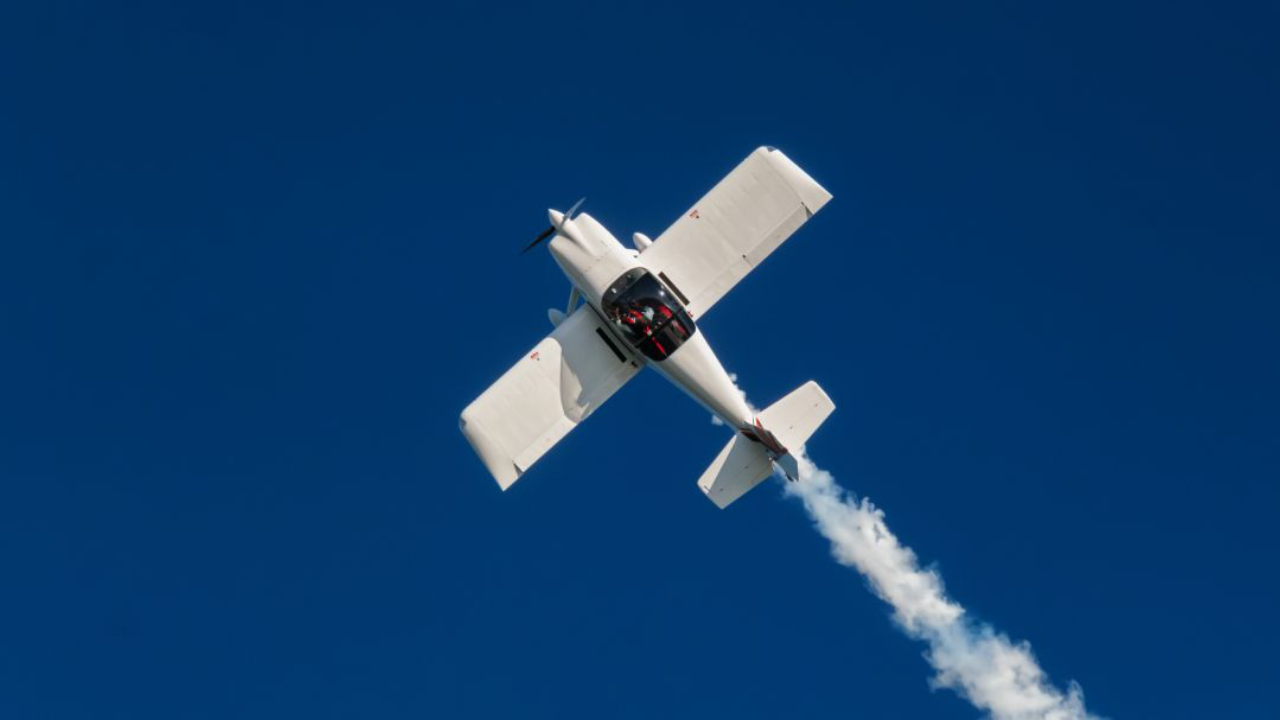
Introduction: What It Really Takes to Become an Aerobatic Pilot
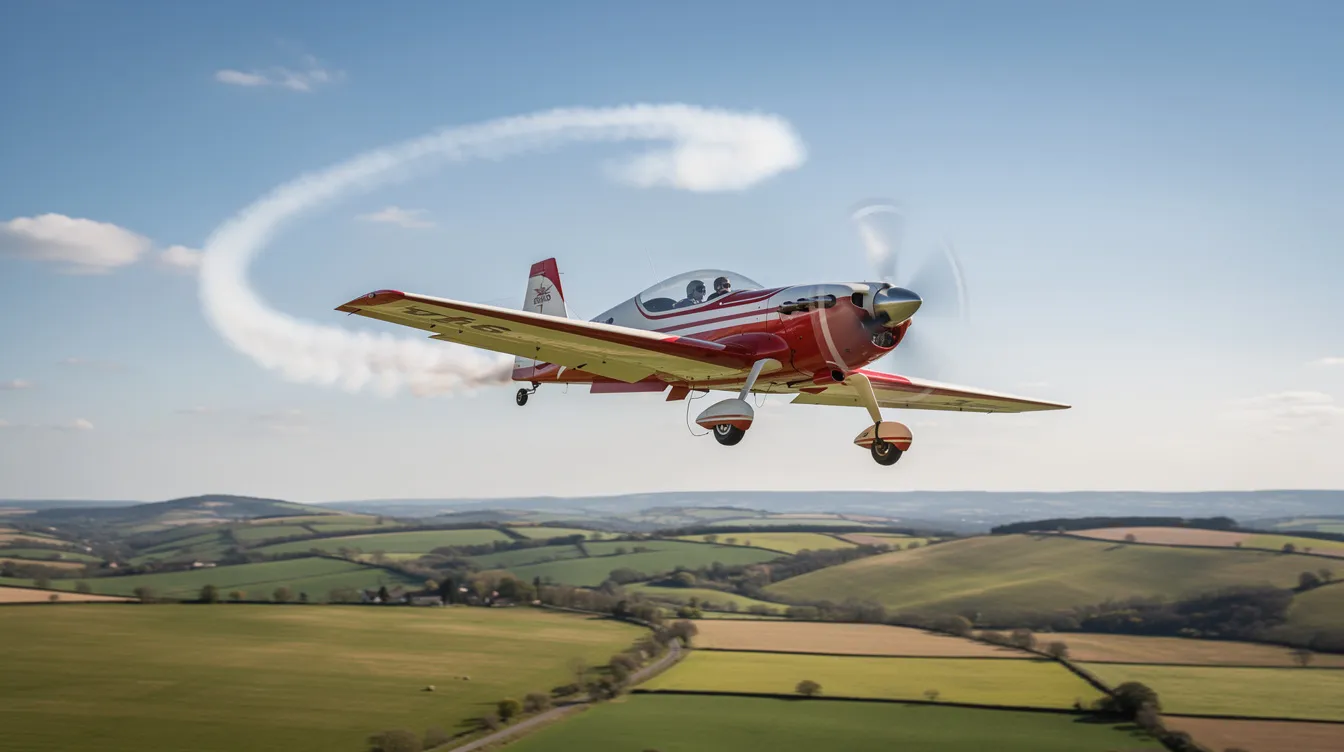
If you are wondering how to become an aerobatic pilot, start with one clear idea: aerobatics is disciplined aircraft control, not random stunt flying.
Under 14 CFR 91.303, the FAA defines aerobatics as an intentional maneuver involving an abrupt change in an aircraft's attitude, abnormal attitude, or abnormal acceleration not necessary for normal flight.
Becoming an aerobatic pilot starts with standard flight training, then adds specialized aerobatic training, repeated practice, and strict safety habits.
Aerobatic flying requires exceptional spatial awareness and physical stamina to handle G-forces, especially during aerobatic maneuvers like spins, loops, and rolls.
There are several paths. Some aerobatic pilots fly aerobatics as a hobby. Others enter competition aerobatics through the international aerobatic club. Some become airshow pilots or a stunt pilot in film, demonstrations, or aviation industry work.
Expect real cost, time, and commitment. Aerobatic flight training improves confidence, energy management, emergency procedures, and unusual attitude recovery, but it requires proper training and extensive training before you perform aerobatics alone.
Step 1: Build a Strong Pilot Foundation
You need a private pilot license to start aerobatic training in most practical training paths. In the U.S., this usually means Part 61 or Part 141 training at a flight school.
If you're wondering what does it take to get a pilot license, earning your Private Pilot Certificate is the essential first step before progressing to specialized aerobatic training.
Typical PPL requirements include:
-
At least 40 hours of flight time, including 20 dual and 10 solo, though many pilots need 60–75 hours according to the FAA
-
FAA written exam and checkride with a DPE
-
Current Class 3 medical, or higher if your career path requires it
-
Ground school covering regulations, weather, aircraft systems, and planning
Before aerobatic training, master:
-
Stick-and-rudder control and coordinated flying
-
Stall awareness and stall recoveries
-
Energy management in every airplane attitude
-
Basic maneuvers, basic unusual-attitude recovery, and comfort with unusual attitudes
An instrument rating builds precision. A tailwheel endorsement helps because many aerobatic aircraft are taildraggers. Choose a flight instructor and foundational CFIs who respect your goal, have strong safety habits, and can prepare you for additional training without rushing new maneuvers.
Step 2: Understand What Aerobatics Is (and Isn’t)
Aerobatic flight means an intentional maneuver with abrupt or abnormal changes in attitude or acceleration that are not required for normal flight. Acrobatic flight is another regulatory term, but aerobatics is the word most pilots use.
Basic training maneuvers like steep turns, chandelles, and lazy eights improve control, but true aerobatic flight involves performing advanced maneuvers. Abnormal attitudes may include bank beyond 90 degrees or pitch beyond about plus or minus 30 degrees. Abnormal acceleration means high positive or negative G.
Examples of basic aerobatics include loops, aileron rolls, barrel rolls, spins, Immelmanns, Cuban eights, half cuban eights, hammerheads, and slow rolls. Later, advanced maneuvers may include snap rolls, tail slides, and complex maneuvers requiring stronger aircraft and sharper judgment.
Aerobatics is not reckless. The stunts performed are briefed, repeatable, and flown inside aircraft limits.
Step 3: Prepare Yourself Physically and Mentally
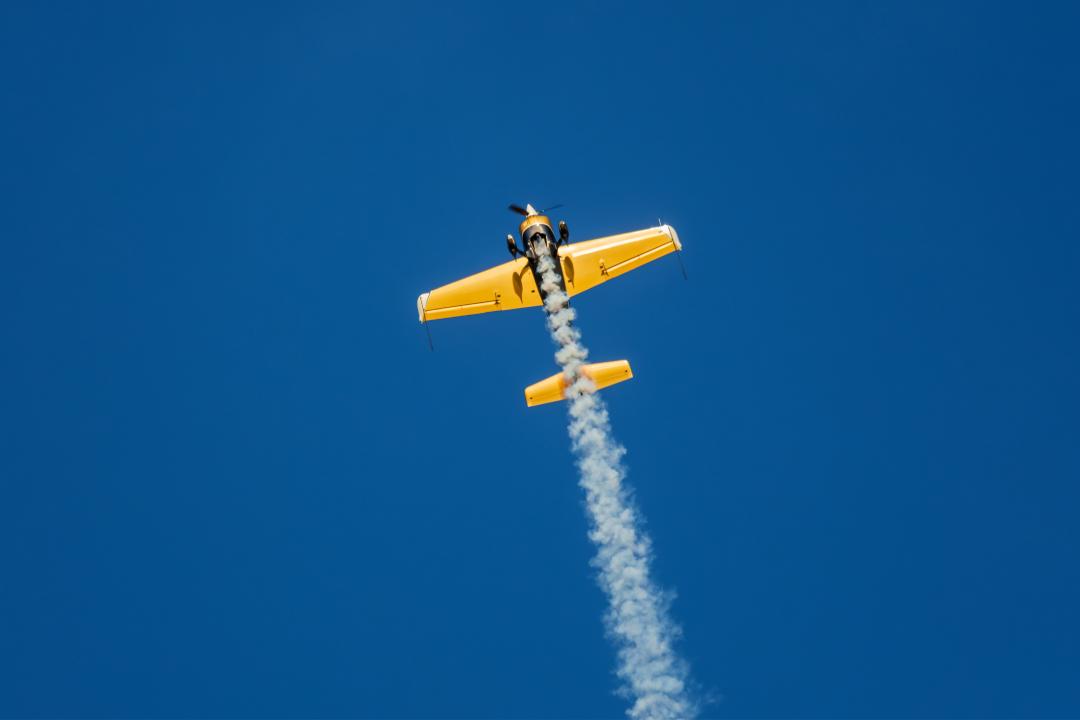
Aerobatic flying is physically demanding. Some maneuvers expose pilots to +4 to +6 G, with occasional negative G. That can cause grey-out, tunnel vision, nausea, or disorientation.
Gradual exposure is why extensive training matters. Aerobatic pilots must learn when to stop before fatigue turns into risk.
Practical preparation:
-
Hydrate before flying and avoid heavy meals
-
Start with 20–30 minutes of maneuver time
-
Discuss cardiovascular health, ear/sinus issues, and motion sickness with an AME
-
Use strict checklists and knock-it-off discipline
-
Build calmness during inverted flight and rapid attitude changes
A Class 3 medical may be enough for private training; Class 2 is common for commercial work. The goal is not toughness. It is repeatable performance under stress.
Step 4: Choose the Right Aerobatic School and Instructor
A good instructor matters more than the logo on the hangar. Start with the International Aerobatic Club directory, local clubs, and pilots who already train safely.
If you're researching how to become a pilot in California, choosing a reputable flight school and experienced instructor is one of the most important decisions you'll make before beginning specialized aerobatic training.
Look for:
-
Aerobatic aircraft certified for aerobatic flight and approved G-loads
-
Aircraft that can withstand high g-forces during maneuvers
-
Unique systems and designs for maneuvers, including fuel, oil, structure, and controls
-
Training aircraft such as Citabria, Decathlon, Cessna 150/152 Aerobat, cessna aerobat, Slingsby, Pitts S-2, Extra 300, and the Pitts Special
-
An instructor with total aerobatic hours, spin training experience, and a safety-first teaching style
-
Transparent wet rates, often $200–$300/hr for trainers and $400–$800/hr for high-performance aircraft plus instructor costs
No separate FAA aerobatic certificate exists but specialized instruction is required. No additional FAA exam is needed for aerobatic pilots.
Aerobatic training requires at least 10 hours with an instructor in many school or insurance programs, and an aerobatic endorsement verifies proficiency in maneuver safety after 10 hours of training with an instructor.
Step 5: Your First Aerobatic Flight Training Sessions
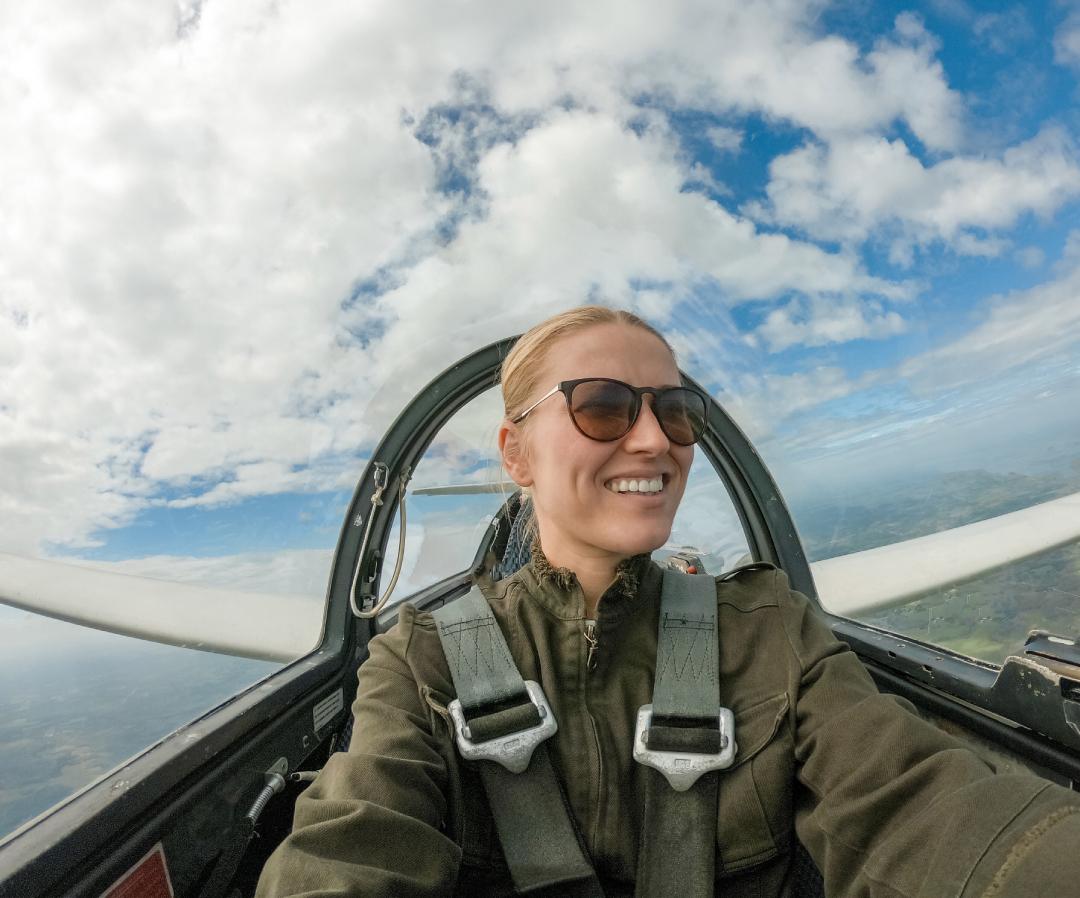
Your first aerobatic flight usually begins with a detailed briefing: aircraft limits, parachute fitting, egress, emergency procedures, G-exposure, and recovery priorities. Aerobatic pilots must complete specialized training after primary training because aerobatic flight is a different environment.
A beginner basic course may include:
-
Enhanced steep turns and roll reversals
-
Slow flight, stalls, and recovery from unusual attitudes
-
Aileron rolls, loops, and other basic aerobatic maneuvers
-
Spins, spin recovery, and upset recovery skills
-
Briefing on airspace designated for practice, lateral boundaries, and a hard deck
Per 14 CFR 91.303, aerobatic flight must not occur below 1,500 feet above ground level, with less than 3 miles of flight visibility, over a congested area, over an open air assembly, within certain controlled airspace including class e airspace around airports, or within 4 nautical miles of a federal airway centerline.
Step 6: Advancing to Basic Aerobatics, Sequences, and Competition
Alright, now that you're flying individual stunts with ease, it's time to put a bunch of them together in a sequence.
This is where pilots learn to string together loops, slow rolls, barrel rolls, Immelmanns, and a few other fancy manoeuvres like the Split-S, a Cuban eight, a hammerhead and of course, tail slides as long as the plane is capable of handling it.
Sequence flying is all about flow, attitude, and energy managing altitude, heading, G-forces, the whole shebang, across the entire routine. It's not just about making it through the last trick, you've got to be ready to roll into the next one.
Getting involved with organisations like the International Aerobatic Club opens up all sorts of opportunities for mentorship and competition. Many pro pilots compete in the IAC, starting out in primary and working their way up to Unlimited.
And let's be real, if you want to make it to the top, it's going to take about 1-3 years of regular training at the primary & sportsman levels.
When you're training in a local aerobatic box you've got to stick to the rules - lateral boundaries, altitude limits, observers watching your every move, and all the safety considerations that come with flying upside down.
As you get more advanced, you can add things like inverted flight, snap rolls, a bunch of terms from the world of aero acrobatics - and a few other tricks to your repertoire - once you're good enough to handle them.
Step 7: Safety, Regulations, and Aerobatic Aircraft Limits
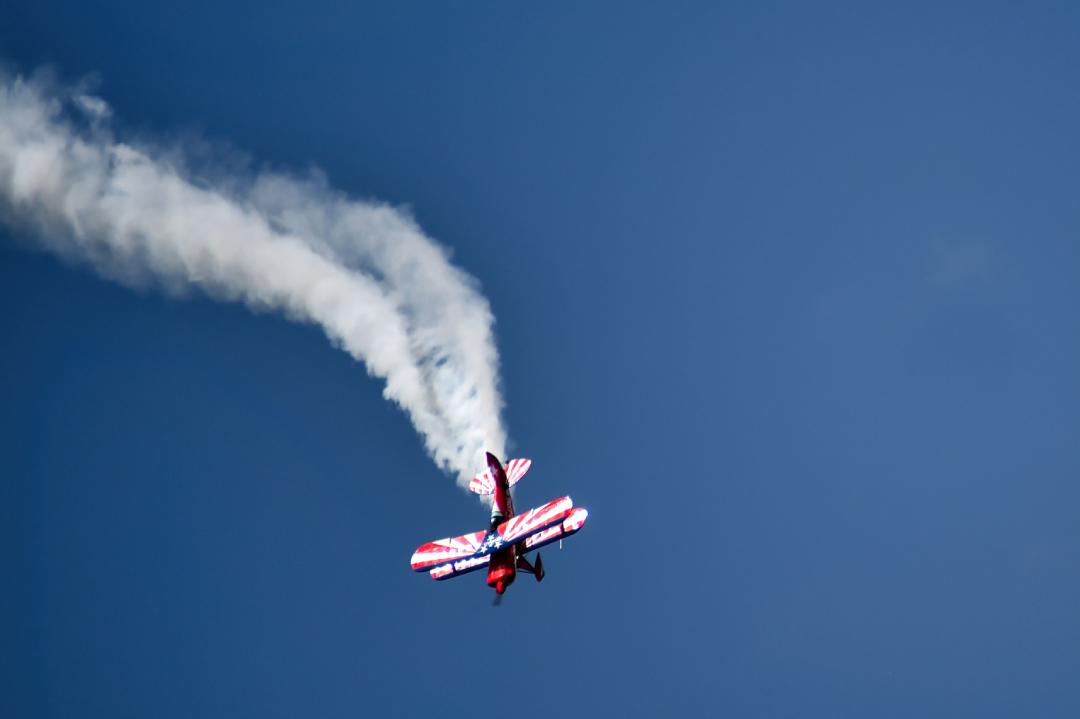
Safety is the system that lets aerobatics remain fun.
Key rules and practices:
-
14 CFR 91.303 limits aerobatic flight near congested areas, an open air assembly, certain airport airspace, below 1,500 feet AGL, and low visibility
-
Pilots must wear parachutes for maneuvers exceeding 60 degrees bank, and FAA rules also address pitch over 30 degrees when carrying passengers, with accepted exceptions for CFI spin training
-
Normal, Utility, and Aerobatic categories have different G-limits; know the POH cold
-
Modified aircraft and new or modified aircraft need careful approval before aerobatic use
-
Use hard decks, weather minimums, emergency procedures, and maintenance discipline
Risk is real. Since 2007, there have been 96 reported air show accidents. From 2007 to 2017, there were 44 fatalities at air shows. Those numbers should not scare serious pilots away, but they should make every pilot respect the margins.
Step 8: From Aerobatic Pilot to Airshow Pilot
Professional aerobatic flying takes years. Airshow pilots often have hundreds or thousands of hours, a strong reputation, and a polished routine.
A Commercial Pilot License is often necessary for professional aerobatic flying, along with a second-class medical.
The pathway usually includes:
-
Commercial Pilot Certificate and advanced aircraft experience
-
Statement of Aerobatic Competency under FAA airshow processes
-
Practice at higher altitudes before lower waivers such as 250 feet or surface-level routines
-
Compliance with FAA air show special provisions
-
Sponsorships, show fees, travel, aircraft ownership, insurance, and off-season training
Many stunt pilots build slowly through competition, coaching, and demonstration work. Some join an aerobatic team before becoming solo performers.
Career Opportunities and Non-Career Paths in Aerobatics
Not every aerobatic pilot becomes a full-time performer. There are several career opportunities and hobby paths:
-
Aerobatic pilots can work as flight instructors
-
Some aerobatic pilots perform at airshows across the country
-
Aerobatic pilots may become test pilots for aircraft manufacturers
-
Test pilots may evaluate new or modified aircraft and modified aircraft systems
-
Aerial photography is a career option for aerobatic pilots
-
Aerobatic pilots can work in film and television stunt flying
-
Some combine aerobatics with airline pilot, charter, engineering, IT, or other work
Competitive flying can support a rewarding career, but it rarely replaces careful financial planning. Treat the lifestyle as an exciting path that needs budget, family support, and steady training.
How to Get Started Today
If you want to start training, make the first step small and specific.
-
Book an introductory aerobatic lesson at a reputable school
-
Join the international aerobatic club or a local aerobatic chapter
-
Attend a regional contest or airshow as a spectator
-
Build a 6–12 month plan for PPL polish, budget, and regular lessons
-
Log every session: G-tolerance, maneuvers, mistakes, and next goals
Learning how to become an aerobatic pilot takes discipline, money, and patience. But with proper training, a good instructor, and respect for the airplane, aerobatics can deliver the deepest aircraft control skills and the purest adrenaline rush in flying.