USAF Pilot Training Timeline: Comprehensive Guide
Sep 25, 2025
Discover the complete USAF pilot training timeline and what it takes to become a skilled Air Force pilot. From initial flight training to advanced fighter fundamentals, this guide breaks down each step of the journey, helping you understand the commitment, challenges, and milestones on the path to earning your wings.
Step-by-Step Guide from Start to Wings
The United States Air Force (USAF) offers a comprehensive and challenging pilot training program designed to transform aspiring aviators into skilled military pilots.
The journey begins with becoming an Air Force officer, which can be achieved through multiple commissioning paths such as the Air Force Academy, Reserve Officer Training Corps (ROTC), Officer Training School (OTS), or via the Air National Guard and Air Force Reserve.
Once commissioned, candidates enter Initial Flight Training (IFT), a crucial two-month program where students learn to solo a single-engine aircraft, typically the Diamond DA-20 Katana.
This foundational phase shares similarities with programs like universal flight training, which emphasize core flying skills in a structured and efficient environment.
This phase builds foundational flying experience and prepares students for the more intensive Undergraduate Pilot Training (UPT), which spans approximately 50 weeks.
UPT combines rigorous ground school with extensive flight hours, teaching student pilots essential skills in navigation, aircraft systems, and flight operations.
The entire process is designed to ensure pilots develop the ability to operate complex aircraft safely and effectively, preparing them for the demands of their future roles.
Completing pilot training is a significant commitment, often requiring several years and a dedication that includes a minimum active-duty service obligation of ten years following graduation from UPT. This timeline reflects the intensive nature of the training and the high standards the Air Force maintains to guarantee mission readiness.
Throughout training, pilots gain experience flying a variety of airplanes and learn to handle advanced equipment and systems, including targeting pods and mission-specific technologies. After UPT, pilots attend specialized courses such as Introduction to Fighter Fundamentals (IFF) for those selected to fly fighters, or the Basic Course (B-Course) for their assigned major weapons system aircraft.
Additional survival training, including water survival and land survival courses, is mandatory to prepare pilots for real-world missions in diverse environments.
The entire process, from the first step of commissioning to earning pilot wings and becoming combat mission ready, reflects a well-structured USAF pilot training timeline that emphasizes both skill development and operational success in the world’s most advanced air force.
Types of Pilot Training
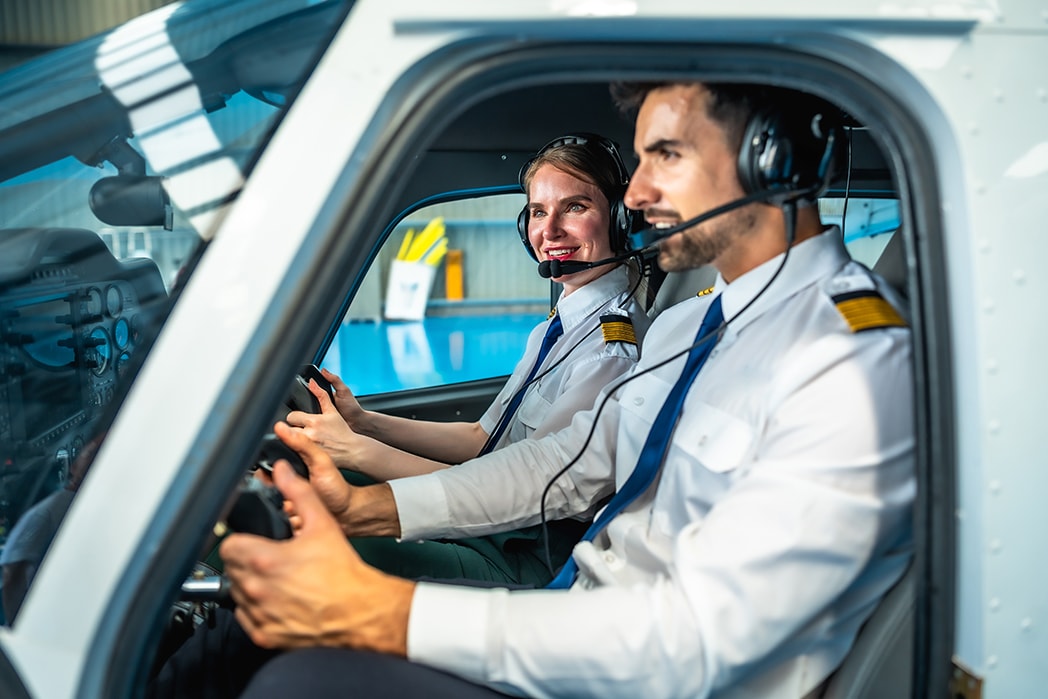
The United States Air Force offers several specialized pilot training programs to prepare candidates for different flying roles. Undergraduate Pilot Training (UPT) is a comprehensive 50-week course where student pilots learn the fundamentals of flying.
This includes extensive ground school lessons and accumulating flight hours to build essential skills. Before UPT, many candidates complete Initial Flight Training (IFT), a focused two-month program designed to teach students how to solo a single-engine aircraft, such as the Diamond DA-20 Katana.
This foundational experience is critical for developing basic flight proficiency and confidence before advancing to more complex training stages.
Beyond basic training, pilots can pursue specialized paths depending on their assigned aircraft and mission. Fighter pilot training, often called Introduction to Fighter Fundamentals (IFF), is a highly competitive course that prepares pilots to operate advanced fighter jets and execute complex combat missions.
This training emphasizes mastering aircraft systems, tactics, and mission planning. In addition to fighters, the Air Force provides tailored training programs for other pilot roles, including transport, bomber, and rescue pilots.
Each track focuses on the unique skills and knowledge needed to fly specific aircraft and fulfill critical Air Force missions, ensuring that pilots are fully prepared for their primary job of flying aircraft in diverse operational environments.
Becoming a Fighter Pilot
Becoming a fighter pilot in the United States Air Force is a challenging and rewarding journey that starts with successfully completing undergraduate pilot training (UPT). This rigorous program, lasting approximately 50 weeks, provides student pilots with the fundamental skills needed to fly military aircraft safely and effectively.
After UPT, those selected to fly fighters move on to the highly competitive Introduction to Fighter Fundamentals (IFF) course. IFF is designed to sharpen a pilot’s flying skills and tactical knowledge, focusing on operating advanced fighter aircraft and mastering complex systems, including targeting pods essential for precision missions.
Due to the demanding nature of this training and the limited number of slots available each year, only a few pilots are chosen to enter this elite track, making it one of the most selective paths within the Air Force pilot training timeline.
Fighter pilots hold a critical role in the Air Force's mission, flying high-performance aircraft to conduct combat and escort missions that require exceptional flying ability and quick decision-making. They must demonstrate not only superior flight time and technical expertise but also the capacity to operate under pressure in dynamic, often hostile environments.
The training process emphasizes both flight hours and classroom instruction, ensuring pilots develop the knowledge and skills to handle complex aircraft systems and execute mission objectives successfully.
With a commitment that typically includes a minimum of ten years of active duty following training completion, fighter pilots contribute significantly to national security by maintaining readiness to fly missions worldwide.
Their expertise in operating sophisticated weaponry and avionics systems makes them indispensable members of their squadrons and the broader Air Force community.
Pilot Career Progression
Pilot career progression in the Air Force typically begins with completing undergraduate pilot training (UPT), a demanding 50-week program that builds foundational skills in flying and aircraft operations.
After graduating from UPT, new pilots are assigned to operational squadrons where they attend a basic course (B-Course) tailored to their specific aircraft. This course focuses on teaching the technical details and mission capabilities of their assigned major weapons system, while pilots accumulate essential flight hours to gain proficiency.
As they gain experience, pilots take on more complex responsibilities and may advance to roles such as aircraft commander, responsible for leading missions and managing crew, or instructor pilot, where they train and mentor newer aviators.
The Air Force provides numerous career advancement opportunities for pilots, including options to serve in active duty, the Air National Guard, or Air Force Reserve.
These pathways allow pilots to continue developing their skills while balancing different commitments. Career progression also involves completing specialized training courses, such as Introduction to Fighter Fundamentals (IFF) for those selected to fly fighters, and survival training to prepare for real-world mission challenges.
Pilots who demonstrate leadership, technical expertise, and dedication can rise through the ranks, taking on key leadership roles and contributing significantly to the Air Force’s mission readiness in 2025 and beyond.
Flight Training and Experience
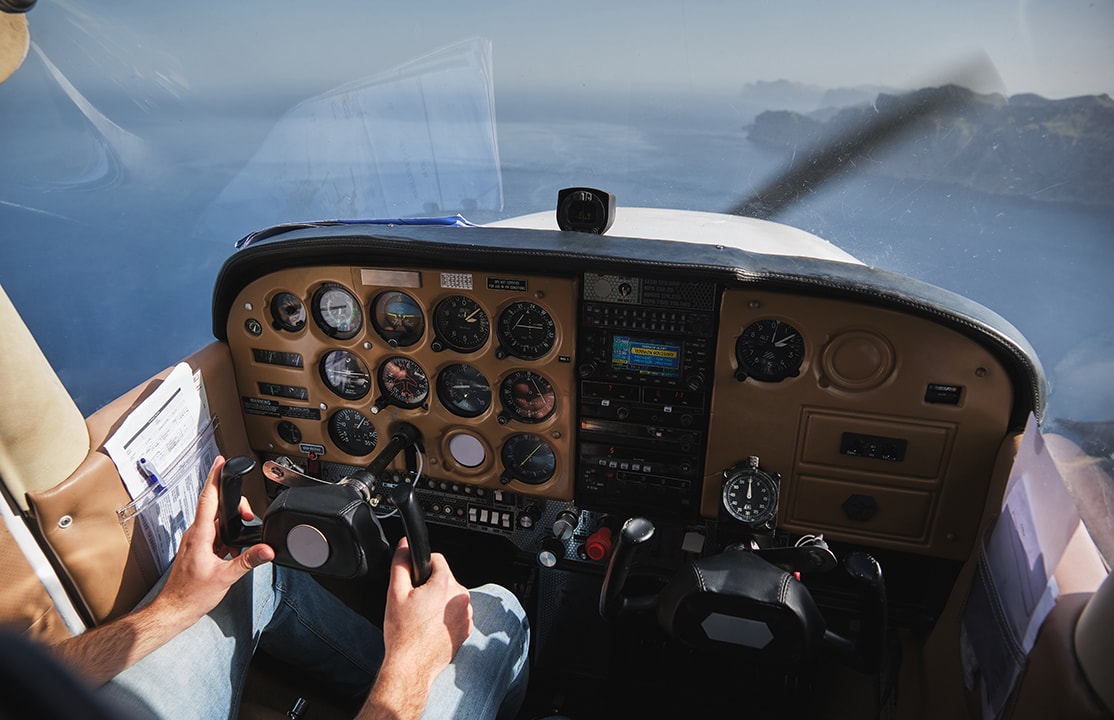
Flight training is a vital part of the USAF pilot training timeline, where student pilots accumulate essential flight hours in a variety of aircraft to build their skills and confidence.
This training includes several key phases such as Initial Flight Training (IFT), Undergraduate Pilot Training (UPT), and specialized courses like Introduction to Fighter Fundamentals (IFF).
Each phase is designed to progressively develop a pilot’s ability to operate complex aircraft safely and effectively.
Alongside flying, pilots attend comprehensive ground school sessions many of which can be supplemented through some of the best online ground schools covering critical topics such as aircraft systems, weather patterns, navigation, and mission planning.
This combination of hands-on flight experience and classroom instruction ensures pilots are well-prepared for the demands of their future roles in the Air Force.
Gaining diverse flight experience is crucial for pilots, as it enables them to handle a wide range of operational scenarios and aircraft types, including single-engine planes and advanced fighter jets equipped with targeting pods and other sophisticated systems.
The Air Force emphasizes the importance of flight hours as a measure of proficiency and readiness, encouraging pilots to continually refine their skills through regular training and real-world missions.
By 2025, the USAF pilot training timeline remains rigorous and competitive, requiring dedication, discipline, and a commitment to excellence.
Pilots who successfully complete this journey join the ranks of highly skilled military aviators ready to fly missions worldwide and contribute to national security.
Commitment and Requirements
Becoming a pilot in the United States Air Force is a serious commitment that requires dedication and perseverance. Candidates must be prepared to serve a minimum of 10 years of active duty after completing their training.
This long-term commitment reflects the extensive investment the Air Force makes in training its pilots and ensures that they are available to meet the demands of national defense. In addition to the service obligation, aspiring pilots must meet several important requirements.
They must be U.S. citizens, have at least a high school diploma, and demonstrate excellent physical and mental health to handle the rigorous demands of flight training and operational duties.
Beyond these basic qualifications, candidates must also excel academically and be ready to face challenging tests throughout the selection process.
Two key assessments are the Air Force Officer Qualifying Test (AFOQT) and the Test of Basic Aviation Skills (TBAS), which evaluate a candidate’s aptitude for flying and their ability to handle the physical and mental tasks required of a pilot.
These tests, along with a thorough medical examination and background check, help ensure that only the most capable and motivated individuals begin training.
Meeting these requirements and successfully navigating the competitive selection process are essential first steps on the USAF pilot training timeline, paving the way for a rewarding career flying aircraft and serving the nation.
Getting Hired as a Pilot
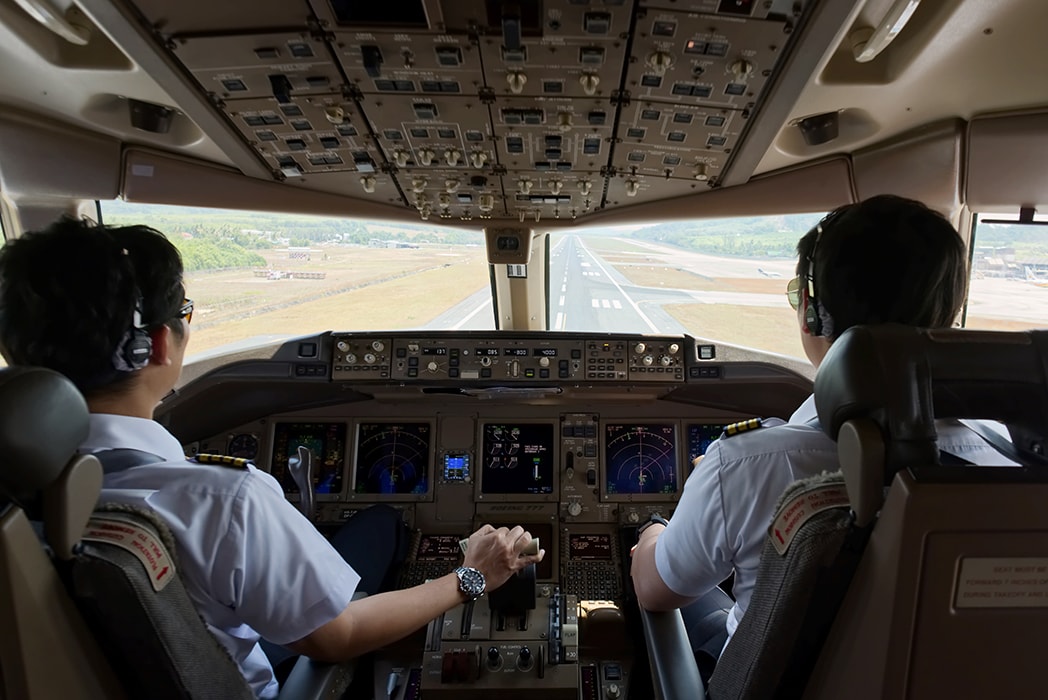
To get hired as a pilot in the United States Air Force, candidates must first meet a set of basic requirements and successfully navigate a competitive application process.
This begins with taking the Air Force Officer Qualifying Test (AFOQT) and the Test of Basic Aviation Skills (TBAS), which assess a candidate’s aptitude for flying and their ability to manage the physical and mental demands of pilot training.
In addition to these tests, applicants must complete a thorough physical exam to ensure they meet the rigorous health standards required for military pilots. A comprehensive background check is also conducted to verify the candidate’s suitability for service.
Once these steps are completed, candidates attend an interview with a recruiter, where their motivation, qualifications, and readiness for the challenges of pilot training are evaluated.
The hiring process for Air Force pilots is highly competitive, with only a few candidates selected each year to begin training. Applicants must compile a detailed application package that includes test scores, medical records, academic transcripts, flight experience (if any), and letters of recommendation.
This package is carefully reviewed by selection boards at higher headquarters, which consider both the candidate’s qualifications and the needs of the Air Force.
Being selected to join the pilot training program is a significant achievement, marking the beginning of an intensive journey through Initial Flight Training (IFT), Undergraduate Pilot Training (UPT), and specialized courses.
Success in this process sets the foundation for a rewarding career flying aircraft in one of the world’s most advanced air forces.
Air Force Reserve Opportunities
The Air Force Reserve provides a unique pathway for pilots who want to serve part-time while maintaining a civilian career.
Pilots in the Reserve are required to meet the same stringent qualifications and complete the comprehensive training programs as their active-duty counterparts, including Initial Flight Training (IFT) and Undergraduate Pilot Training (UPT).
This ensures that all Reserve pilots possess the skills and readiness needed to operate a wide range of aircraft effectively. Serving in the Air Force Reserve allows pilots to gain valuable flight hours, participate in real-world missions, and stay current with evolving aviation technology, all while benefiting from competitive pay and benefits.
In addition to flying opportunities, the Air Force Reserve offers pilots the chance to transition or simultaneously serve with the Air National Guard, broadening their career options and potential for advancement.
Whether flying fighters, transport, or rescue aircraft, Reserve pilots play a critical role in national defense and humanitarian missions. The Reserve’s flexible commitment structure appeals to many who want to balance military service with personal and professional goals.
In 2025, these opportunities continue to grow, making the Air Force Reserve an attractive option for aspiring and experienced pilots looking to build a rewarding career while serving their country.
Maximizing Career Progression
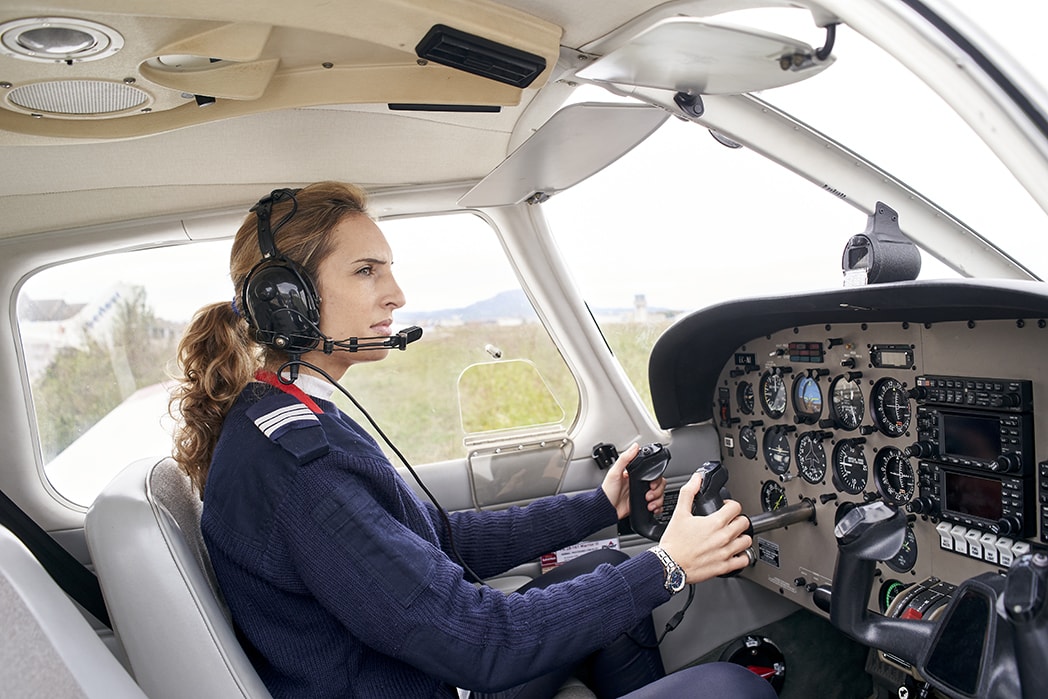
To maximize career progression as a USAF pilot in 2025, dedication and consistent effort are essential. Pilots must actively pursue advanced training courses, such as the Air Force’s prestigious test pilot school, which equips them with specialized skills to operate and evaluate new aircraft and technologies.
Seeking out opportunities for career advancement is equally important, whether through additional certifications, leadership development programs, or specialized mission qualifications.
Staying proactive in professional growth helps pilots maintain their edge in a highly competitive environment and prepares them for more challenging roles within the Air Force.
In addition to technical expertise, taking on leadership responsibilities plays a crucial role in career advancement. Roles such as aircraft commander or instructor pilot not only demonstrate a pilot’s ability to lead missions and mentor others but also enhance their credibility and influence within their squadron.
The Air Force supports pilots through mentorship programs, career counseling, and continuous education, all designed to help aviators navigate their career paths effectively.
By leveraging these resources and committing to lifelong learning, pilots can achieve success and fulfill their goals while contributing to the Air Force’s mission readiness and operational excellence.
Conclusion
Becoming a pilot in the Air Force in 2025 is a rewarding but demanding journey that requires dedication, resilience, and a strong work ethic. Pilots must be prepared to complete rigorous training and testing phases, including Initial Flight Training and Undergraduate Pilot Training, while committing to a minimum of ten years of active duty service.
The Air Force provides diverse opportunities for career advancement, whether as a military pilot or through service in the Air National Guard and Air Force Reserve, allowing pilots to gain valuable flight hours and leadership experience.
With the right skills, knowledge, and perseverance, pilots can successfully navigate the USAF pilot training timeline and achieve their goals in various flying roles, contributing to national security and mission success worldwide.
