Salary of Private Pilot in 2027: Pay by Role and Experience
Nov 02, 2026
If you've ever searched for the salary of a private pilot, you've probably encountered wildly different numbers. Some sources say $50,000, others say $300,000. The confusion stems from how the term "private pilot" is used in casual conversation versus its legal meaning.
This guide breaks down exactly what private pilots earn in 2027, what drives pay differences, and how to move from your first lesson to a well-paid captain's seat.
How Much Do Private Pilots Earn in 2026?
We're talking about the guys who fly private aircraft for a living, not just anyone with a Private Pilot Certificate. Private pilot earnings can vary a LOT depending on the plane, your rank, your experience and who you work for, but the average salary discussion is more grounded when you note that private and corporate pilots commonly make about $70,000 to over $300,000.
To give you a fair idea, the BizJetJobs Pilot Salary Survey for 2026 pulls in these numbers:
|
Example Position |
Annual Total Compensation |
|---|---|
|
CitationJet / CJ1 / CJ2 First Officer |
$76,300–$122,800 |
|
CitationJet / CJ1 / CJ2 Captain |
$141,000–$167,900 |
|
Challenger 300 / 350 Captain |
$193,300–$276,900 |
|
Gulfstream G650 Captain |
$277,000–$367,300 |
Source: BizJetJobs 2026 Pilot Salary Survey. These figures are examples for specific positions, not national averages or guaranteed starting salaries.
When evaluating an offer, separate base salary from bonuses, retirement contributions, and other benefits. Experienced pilots in stronger roles can still reach around $200,000 per year even outside the highest-end examples shown. Compare similar aircraft and positions, then consider the schedule and availability requirements.
Can You Earn Money With Just a Private Pilot License?
The direct answer: in the U.S., a private pilot license does not allow paid flying. The PPL is intended for personal, business-related transportation, and recreational flying without direct payment for piloting services.
FAA regulation 14 CFR § 61.113 spells out what PPL holders can and cannot do. The limited exceptions include:
-
Cost-sharing with passengers on personal flights (splitting fuel, oil, and rental costs pro rata)
-
Certain charitable or nonprofit event flights under specific FAA conditions
-
Flying incidental to employment, where flying isn't the service being paid for and no paying passengers or cargo are carried
To log flight hours while being paid as a pilot whether per hour, per day, or on annual salary you must hold at least a commercial pilot certificate, and commercial pilots need at least 250 flight hours to earn that certification. Commercial pilots require a higher certification than private pilots, and airline pilot roles additionally require ATP, since an airline transport pilot license is generally needed for large commercial aircraft.
Many aspiring pilots treat the PPL as the first stepping stone in a private pilot career path, building toward other pilot licenses. A common next step is flight instruction, because a certified flight instructor credential lets pilots train others and build hours. For most pilots on the airline track, that means aiming for roughly 1,000–1,500 flight hours before qualifying for airline opportunities.
How Private Pilot Pay Works: Salary, Hourly Rates, and Day Rates
Professional pilots in private aviation may receive an annual salary, hourly pay, or a contract day rate. Compare the payment structure and covered duties before adding bonuses, allowances, and benefits.
|
Pay Structure |
How It Works |
What to Check |
|---|---|---|
|
Annual Salary |
A fixed base salary covers the responsibilities specified by the employer. |
Expected workload, on-call requirements, paid leave, and any additional duty pay. |
|
Hourly Pay |
Earnings depend on the agreed rate, the number of hours, and eligible paid hours, which may differ from actual flight time; entry-level paid flying roles may start around $26.50 per hour depending on the job and operator. |
Whether preparation, training, waiting, and repositioning are paid, and whether minimum hours are guaranteed. |
|
Day Rate |
A contract pilot receives an agreed amount for each eligible assignment day, and in corporate aviation freelance pilots often command day rates from about $1,500 to $5,000. |
Treatment of travel, standby, cancellations, expenses, and assignments extending beyond the agreed duty period. |
For a closer look at hourly earnings, explore our guide answering the question “how much does a pilot make an hour” before comparing offers with different pay structures.
Keep these compensation components separate
-
Base Pay: So your regular salary or what you earn from your hourly or daily rates. And don't go adding some separate salary unless the contract out and out says so.
-
Bonuses: Performance, retention, or other incentives that get you paid for doing a good job. Just check if you qualify and whether the payment is a dead certainty.
-
Per Diem: That bit of money they give you for meals and other expenses when you're out on the job, not meant to be an extra bit of salary.
-
Benefits: Things like health insurance, your employer chipping in to your pension plan, paid holidays, and training. They add up but they're not all cash in your pocket.
An Illustrative Calculation: If a pilot is billing out at $2,500 per day for 100 days that they actually get payed for they generate $250,000 in annual revenue before taxes and all the other costs. Of course this assumes they get those jobs and don't have any down time. Unpaid time and your having to pay for some of your benefits yourself all get factored in to the final result.
Use realistic payroll hours or days, covered expenses, and a clear picture of what benefits are included when you're comparing job offers. Don't just go for the top dollar it may not be the real value.
Factors That Affect Private Pilot Salaries and How to Improve Your Earnings

Private aviation paychecks depend on a lot of factors how much experience you have, the kind of aircraft you're qualified on, what the employer expects from you, and the conditions you'll be flying in. When looking for a new gig, focus on the ones that really match your skills and weigh up the total package they're offering.
-
Your Experience and Recent Flight Time: When hiring, employers will look at how much aircraft experience you've got, how proficient you are, and how good your safety record is as well as how many hours you've flown. Make sure your logbook is up to date and keep building experience that will really matter to the kind of job you're after.
-
Licenses, Ratings, and Aircraft Type: Having extra qualifications can definitely open up more job opportunities for you, but it's not a guarantee you'll get paid more. Moving from Second-in-Command to Pilot-in-Command usually means more legal responsibility and often better pay too. Before shelling out for a type rating or specialized course, check what the hiring requirements are and see if your employer will stump up for the training.
-
Who You Work For and What You'll Be Doing: The pay and workload will be different depending on whether you're working for a corporate department, charter operator or private owner, and your job title can affect both duties and salary. Research different types of jobs, build relationships with recruiters and chief pilots and be able to show them that you're reliable, great at communicating and able to keep a secret.
-
Where You Live and Work: Local demand can have a big impact on salaries, and don't forget about the cost of living and all the other expenses that add up when you're out and about. Pay can also vary for pilots operating in major aviation hubs versus smaller markets. Make sure you factor in the local costs before deciding to move to a new place.
-
Your Schedule and Availability: On call duty, long nights away from home, night flying, and extended assignments can all cut into your pay and free time, though more demanding trips may increase compensation in some operations. Get the details straight before accepting a new job what are your scheduled days off? How often will you have to be on standby? What happens if a flight gets cancelled?
Private Aviation Pay by Position, Aircraft, and Experience
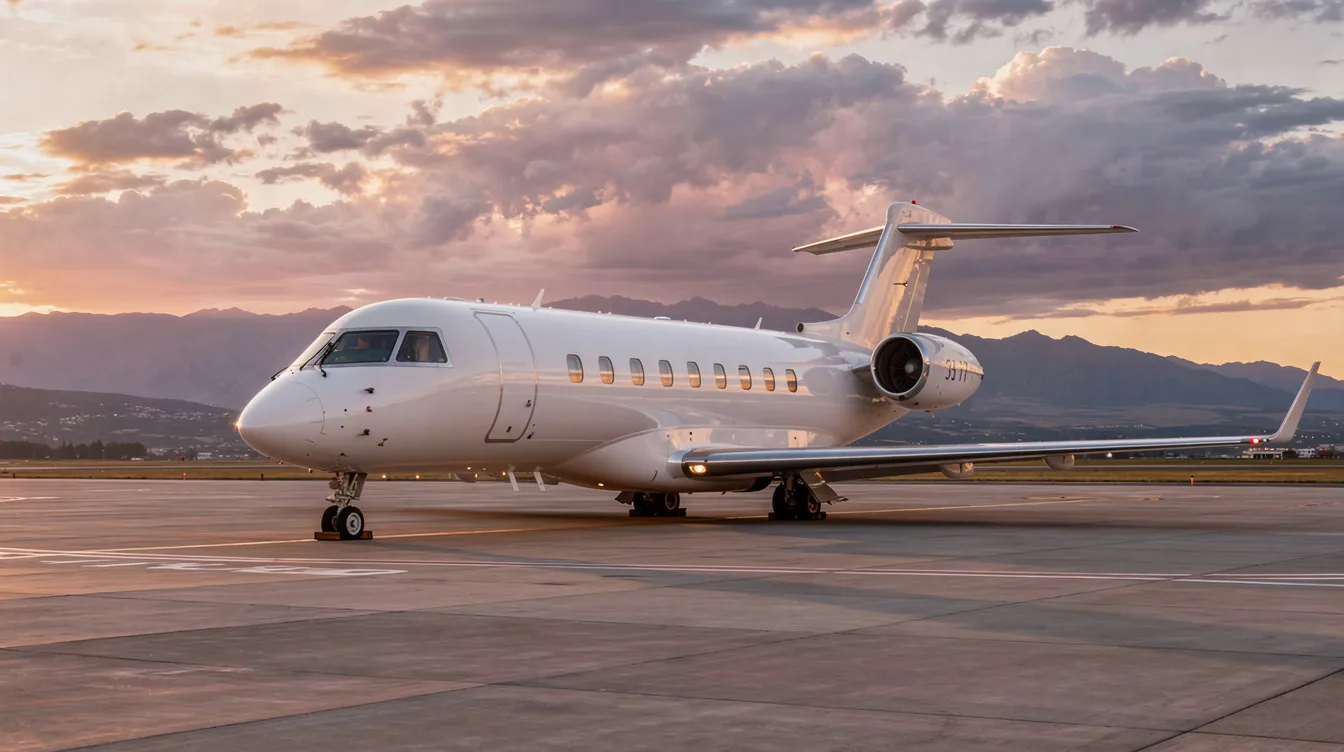
Relevant aircraft experience, recent flight time, and qualifications influence private aviation earnings. The table below separates first officers from captains using aircraft-specific examples from the 2026 BizJetJobs Pilot Salary Survey. Reported annual compensation includes benefits and bonuses, rather than base salary alone.
|
Aircraft Type and Example |
Position |
Relevant Experience Considerations |
Annual Total Compensation |
|---|---|---|---|
|
Light jet CitationJet / CJ1 / CJ2 |
First Officer |
Relevant aircraft qualifications and recent flying experience |
$76,300–$122,800 |
|
Light jet CitationJet / CJ1 / CJ2 |
Captain |
Command readiness and experience appropriate to the operation |
$141,000–$167,900 |
|
Midsize jet Citation Excel / XLS / XLS+ |
First Officer |
Relevant turbine experience and aircraft proficiency |
$99,100–$125,900 |
|
Midsize jet Citation Excel / XLS / XLS+ |
Captain |
Relevant command experience and operational knowledge |
$141,200–$188,800 |
|
Large-cabin, ultra-long-range jet Gulfstream G650 |
First Officer |
Relevant jet experience and qualifications for the assignment |
$167,200–$210,500 |
|
Large-cabin, ultra-long-range jet Gulfstream G650 |
Captain |
Command experience and proficiency in the intended operations |
$277,000–$367,300 |
Compensation source: BizJetJobs 2026 Pilot Salary Survey. Experience considerations are general guidance, not hiring requirements published by the survey.
There is no universal flight-hour milestone that guarantees a captain position or a particular salary. In corporate flight departments, mid-level corporate pilot roles often cluster around roughly $110,000–$130,000 in average salary. For private jet pilots serving as corporate jet captains, pay commonly falls in the $150,000–$350,000 range depending on the aircraft and employer. Compare employer requirements, time in aircraft type, and responsibilities alongside the compensation offered. These figures describe specific jobs, not guaranteed entry-level earnings.
For a more detailed answer to the question “how much do private plane pilots make,” explore our guide comparing earnings by aircraft type, experience level, and employer.
Private Pilot vs. Airline Pilot Pay
Private and airline pilot salaries can actually look pretty similar, and commercial pilots earn about $202,180 annually on average, but you've got to compare apples to apples: matching rank, aircraft type, and experience is key here. To get a true sense of total compensation, compare base salary on its own, and then add in bonuses, retirement contributions, and other perks. Pay at major carriers such as Delta Airlines, United Airlines pilots, Southwest Airlines, and American Airlines pilots varies widely with seniority and aircraft. We've also got a separate guide to airline pilot salary ranges if you want the nitty gritty details.
FAQ: Private Pilot Salary and Career Questions
Do private pilots get paid for time spent on the ground, such as preflight and waiting for passengers?
Compensation for ground time varies by employer and contract. Some operators only pay for logged flight hours, while others pay day rates covering the entire duty period. Salaried corporate pilots are generally considered on duty for the full workday and are paid regardless of actual flight hours on a given day. If you're evaluating offers, carefully review whether standby days, weather delays, and repositioning flights are included in paid time these differences can shift effective annual salary by $10,000–$30,000.
Can a private pilot career be done part-time or freelance?
Yes. Most commercially licensed pilots start in roles like instruction, sightseeing, or charter work while building experience, and some later work as freelance or contract pilots, accepting trips on a per day or per trip basis rather than as full-time employees. Common contract markets also include charter services and air ambulance services. Part-time opportunities often exist for charter pilots in seasonal flying, owner-pilot support, sightseeing operations, or occasional contract work for local operators. Part-time work usually pays higher effective per hour or per day rates but offers less stability and fewer benefits compared with full-time corporate or airline pilots. This kind of private flight work can also come with flexible schedules.
Is it easier to earn more as a private pilot or as a commercial airline pilot?
Commercial airline pilots at major airlines usually have the highest long-term earning ceilings, especially for senior widebody captains with decades of seniority. Private flying is often an early step before pilots gain experience and move into larger aircraft, corporate roles, regional airlines, or commercial aviation. Air traffic controllers and flight engineers in the airline industry also enjoy structured career progression.
Private aviation can match or exceed airline pilot salaries for some senior corporate and charter captains, but these roles are fewer and may have less structured progression. Flight school jobs and work as flight instructors are also common hour-building steps before moving into better-paid aviation careers. The "better" career path depends on whether you value stable, unionized pay and schedules or a more flexible, personalized environment in private aviation. Many pilots make the switch between both sectors at different stages of their careers.
