Rod Machado Instrument Pilot Handbook Guide
Jun 17, 2026
Getting your instrument rating opens up a whole new world of possibilities for flying but getting there in one piece requires the right study materials.
Rod Machado's Instrument Pilot Handbook has become a real favorite among pilots tackling the tough world of instrument flying it's a go-to resource that knocks the sense out of complex concepts, making them easy to get a handle on even for brand new and grizzled pilots alike. This guy's teaching style is actually pretty great.
Quick Overview of Rod Machado’s Instrument Pilot’s Handbook
Rod Machado's Instrument Pilot Handbook is a whopper of a resource with a whopping 704 full color pages its the kind of thing that'll make all that hard instrument flying stuff make a lot more sense to both newbies and old hands alike.
In it's current Third Edition, the book completely aligns with current FAA Airman Certification Standards (ACS) which means you'll be good to go right on up through the changes in 2026.
In it's current Third Edition, the book completely aligns with current FAA Airman Certification Standards (ACS) which means you'll be good to go right on up through the changes in 2026.
-
Format options: Available as both a printed softcover edition and an eBook viewable on any PDF-capable device
-
Pricing: The softcover edition is priced at $84.95, though some retailers offer discounts with prices as low as $67.95 in certain promotions
-
eBook access: The digital version can be downloaded with a re-download option available for 12 months after purchase
-
Audience: IFR students, current instrument pilots maintaining currency, and CFIIs seeking teaching resources
This guide will walk you through what makes Machado's handbook tick, what kind of topics it covers when it comes to instrument flying, and how it supports you from the ground all the way to the flight test and beyond.
About Rod Machado and His Teaching Style
Rod Machado's got a whole lot of experience under his belt over 40 years as a flight instructor, a regular fixture at national aviation seminars and an author. And that experience comes through loud and clear in his teaching materials.
He's got a real knack for taking complicated ideas and making them easy to get your head around. As a result, he's built up a name for himself that's well-known and respected all over aviation.
-
Track record: His Private Pilot Handbook became a bestseller used by flight schools nationwide, naturally leading to Machado’s instrument pilot’s handbook for advanced training
-
Teaching style: Machado teaches IFR pilots using a conversational and funny tone, weaving stories, cartoons, and analogies throughout dense material, making his work feel like a teaching tour de force for serious aviation students
-
Original artwork: Nearly all illustrations in rod Machado’s instrument pilot’s materials are his own artwork, specifically designed for pilot training not generic stock diagrams
-
Humor with purpose: His approach includes a combination of humor and engaging stories to enhance learning and retention for pilots, making it easier to stay engaged through challenging topics
-
Industry adoption: CFIs and flight schools widely use his books as primary or supplemental resources, citing his down to earth explanations as particularly effective for ground instruction
Rod Machado has been recognized for transforming challenging IFR concepts into accessible explanations, making even the FAA’s IFR scan concepts digestible for first-time instrument students.
What the Instrument Pilot’s Handbook Covers
The textbook is systematically broken down into 17 chapters that encompass the entire lifecycle of an instrument flight. Here’s what you’ll find inside:
-
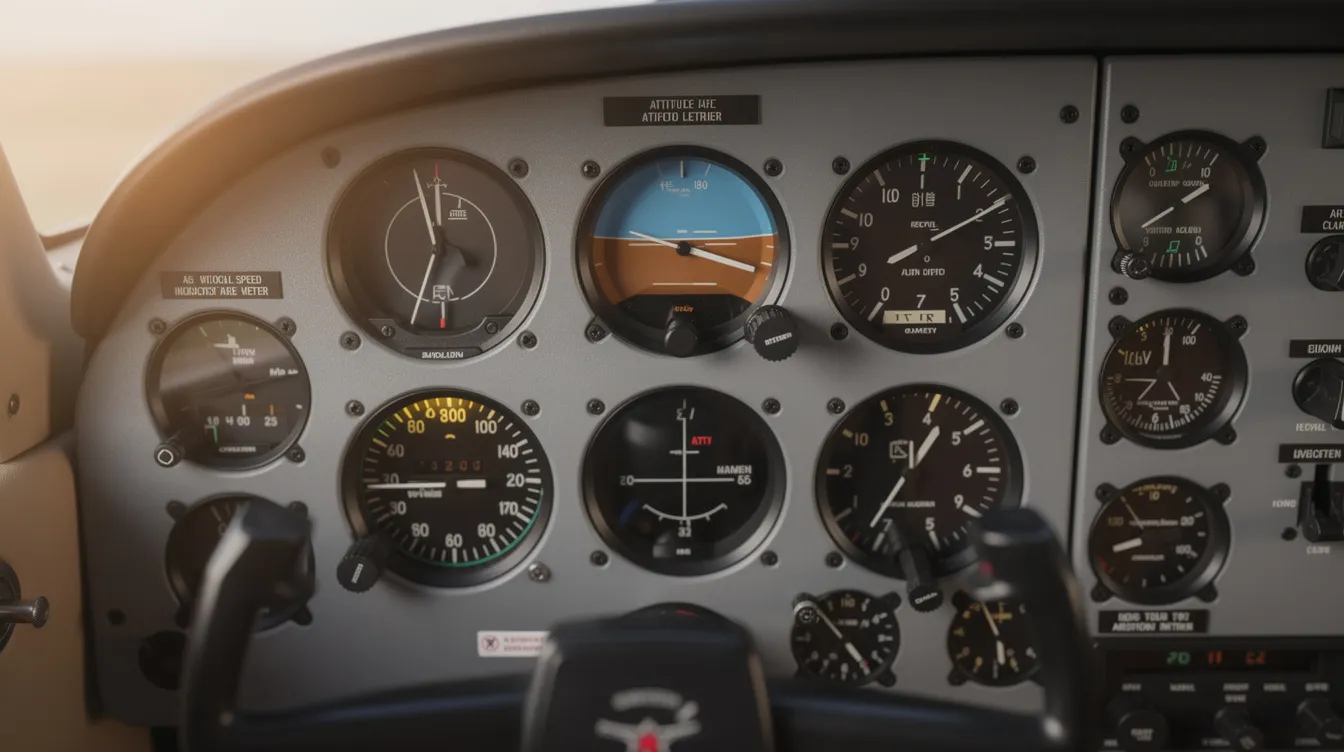
Basic aircraft instruments: Thorough coverage of attitude instrument flying, instrument scan techniques, and cross-check methods aligned with FAA guidance, including how the attitude indicator self erect mechanisms work
-
Navigation systems: The book teaches practical application methods for various navigation technologies including VOR, GPS, and ADF, with detailed navigation methods for each system type
-
IFR flight planning: Complete procedures for filing IFR flight plans, selecting routes and altitudes, choosing alternates based on alternate requirements, and interpreting graphical forecasts for aviation weather
-
Instrument approach charts: Step-by-step explanations of how instrument approach charts work, covering precision and non-precision approaches, ILS or LPV approach procedures, circling approaches, and missed approach procedures with annotated examples
-
Practical IFR operations: Detailed procedures for holding patterns, En route operations, lost comm situations, and handling ATC clearances in the IFR system
-
Modern technology integration: Coverage of glass cockpits, G1000-style PFD/MFD layouts, GPS procedures and GPS approach techniques, electronic flight bag software, and computer based resources for preflight planning
-
Weather chapters: The best weather chapters cover thunderstorm avoidance techniques, icing hazards, and practical weather interpretation going beyond minimum effort test prep to build real competency
The handbook covers essential topics such as the operation of basic aircraft instruments, IFR navigation methods, and the construction of instrument approach charts. It also includes practical information on aviation decision making, IFR flight planning, and techniques for avoiding weather hazards.
Key Features That Set Machado’s Instrument Pilot’s Handbook Apart
At its core what separates this IFR book from the standard instrument rating texts is the way it approaches teaching and goes much deeper on practical detail than most others do.
-
Extreme quantity of visuals: The handbook includes nearly 1,000 illustrations that enhance understanding of instrument flying, covering topics from basic aircraft instruments to advanced GPS approaches
-
Visual concept breakdown: Techniques like the sky pointer method for keeping your needle centered on ILS approaches are shown through step-by-step diagrams rather than text-only explanations, helping pilots transform difficult concepts into practical skills they can actually use in the cockpit
-
Strategic humor: Stories and cartoons are placed deliberately to help readers learn and retain dense subjects like IFR regulations, further light on system architecture, and weather theory
-
Dual-purpose design: Written for both new instrument students and experienced IFR pilots looking to refresh knowledge or prepare for IPCs and checkrides
-
Logical progression: Each chapter builds on foundations from the rod Machado Private Pilot Handbook, reinforcing VFR knowledge before layering instrument procedures
-
Reference value: The book serves as both a preparatory text for FAA exams and a practical reference for real-world instrument flying an aviation book pilots keep for years
-
Individual idiosyncrasies highlighted: Rather than generic explanations, each system’s quirks and practical equipment info receive attention, helping pilots understand why instruments behave as they do
What this all adds up to is readers learning more than just the bare minimum to pass a test it helps them get a super deep understanding of IFR that really takes them to the next level in real world flying conditions.
How the Handbook Supports Your Instrument Rating Training

The handbook is pretty obviously linked up with the FAA's instrument rating requirements, and its meant to be used alongside your CFII or alternatively in a simulator or with actual aircraft training.
-
ACS alignment: It serves as a direct study guide for the FAA instrument pilot written exam, the practical oral checkride, and Instrument Proficiency Checks (IPCs), with chapters mapped to current standards
-
Ground lesson structure: The major topics instrument flying basics, IFR navigation, flying approaches, IFR weather, and the regulations all line up with the common ground-lesson sequences that you'd find in a pilot training program.
-
Cross-country examples: In-depth examples of IFR cross-country flights walk you through from preflight planning through departure, En route operations, approach, and missed approach or diversion decisions
-
ADM content: It aims to build real-world competency for pilots by focusing on practical decision-making and situational awareness during IFR operations, covering risk assessment and personal minimums
-
Beyond test prep: The text prepares pilots to fly IFR in real conditions not just pass the instrument pilot written exam emphasizing workload management, ATC communication, and cockpit organization
Real pilots appreciate that this isn’t just about memorizing answers. The book provides simple yet complete explanations that prepare you to fly safely when weather and workload increase.
Printed Book vs. eBook: Formats, Devices, and Usability
Rod Machado’s instrument pilot’s handbook is offered in multiple formats to match different study preferences and situations.
-
Printed edition: A big, full-color book that's perfect for sitting at your desk and highlighting or annotating as you go although at 704 pages, it's not exactly a lightweight read
-
eBook version: The digital version can be viewed on a tablet, laptop, desktop or just about any other device that can open a PDF which means you can take it with you wherever you go. Students comparing different digital study resources may also evaluate materials such as a Gleim private pilot test prep pdf when deciding which format best fits their learning style.
-
Access period: eBook access is tied to your account with a 12-month download window, allowing offline storage on common devices once downloaded
-
Zoom capability: The digital format makes it easy to zoom into approach charts separately, system diagrams, and glass cockpit displays for more detailed study than print allows
-
Hybrid approach: Lots of pilots use a combination of the two having the printed book at home and the eBook on their iPad in the cockpit or simulator, just in case they need a quick reference during a guided tour
Whether you’re reviewing a blank chart scenario at your desk or pulling up a separate chapter on your tablet before an instrument class sim session, format flexibility supports how real pilots actually study.
Feedback from Instrument Students and Instructors
The comments we've seen about Machado's guide to instrument flying just keep clustering around a few key points from the flying community.
-
Comprehensive depth: Many instrument students report the book teaches “everything you need to know and then some,” making it a single IFR reference rather than needing multiple sources
-
CFII praise: Instructors are blown away by how much they can get done with just this one book it simplifies lesson planning big time and the visual aids are super clear a few instructors said they were able to get complex topics over to their students a lot faster by using Machado's diagrams
-
Engagement factor: Reviews rave about how well the book keeps you engaged even through chapters on weather, regulations and systems which is notoriously tough stuff to get through but Machado's style makes it easy to follow
-
Refresher value: Even many professional pilots and airline-bound students use the book as a refresher, revisiting sections on approaches, holds, and weather interpretation for instrument currency maintenance
-
Favorable comparisons: Many compare it favorably to other instrument pilot’s handbook options and FAA publications, citing the combination of humor, detail, and real-world emphasis as superior for actual learning
Whether you’re a professional pilot or working toward your IFR ticket, feedback suggests this complex world of instrument flying becomes more accessible through Machado’s approach.
Where This IFR Book Fits in Your Overall Pilot Training Path

Understanding where Machado’s instrument pilot’s handbook fits in your overall training helps you use it most effectively.
-
Natural progression: Most pilots first encounter rod Machado via his Private Pilot Handbook during initial PPL training, then progress to this instrument pilot’s handbook for IFR
-
Optimal timing: The instrument book is ideal once you have solid VFR skills and are actively pursuing an instrument rating, whether in Part 61 or Part 141 training environments
-
Complementary role: It complements simulator sessions, online courses, CFII-led ground school, and Dauntless aviation test prep software, providing deeper background and practical understanding than condensed test-prep tools offer.
-
Post-rating value: Even after earning the rating, the book supports instrument proficiency checks, instrument currency flights, and transitions to new avionics like other charts and glass cockpit systems
-
Long-term reference: Serious GA pilots, future airline pilots, and flight instructors treat it as an instrument encyclopedia for whenever new IFR questions arise not just exam prep but career long reference
The book dives deep into IFR cross country flights, and covers practical navigation methods that'll be useful for years to come, not just for the next day's check ride. Whether you need to go back over a diagram of how to enter a holding pattern, or just want a quick refresher on FAA charts, this is the book for the job
When it comes to choosing your study materials, it matters what sort of learner you are. Pilots who want to take a different approach, who want everything explained in a way that makes sense and who need some serious visual aids will love Machado's Instrument Pilot's Handbook. It's a top tier option for mastering IFR flying.
