Pilot Work Hours: Per Day, Week, and Year
Aug 17, 2026
Key Takeaways
-
The average airline pilot logs around 75 to 85 flight hours per month, but you can bet the real number their actual working hours, including all the stuff that happens on the ground, getting from one place to another and hanging around waiting for the next flight is a lot higher, often a whopping 150 hours or more per month.
-
And then there are the rules, courtesy of the FAA and EASA: flight time is capped at 100 hours a month or just 1,000 hours a year for commercial pilots. Those rules also come with some pretty strict rest requirements that get built into every schedule.
-
A pilot's schedule is like a whole different language: it changes all the time and mostly depends on what kind of flying they're doing (you know, short trips vs long ones, carrying passengers or cargo, flying for some rich guy, or teaching others to fly) and where they are based.
-
Speaking of long hours, pilots can work up to 19 hours in a row but that happens because of the 9 to 19 hour rules for flight duty periods and because airlines are starting to use extra crew members to help manage fatigue.
-
For many airline pilots, a "typical week" is a joke. They might work 3 to 4 days, then get 3 to 4 days off. Yeah, that's not exactly a regular 9 to 5 or anything close to it.
Introduction: Why Pilot Work Hours Matter
When people ask "how many hours do pilots put in?" they usually just think about time in the air. But the truth is pilots have been working long before they ever get in the seat: all that planning, pre-flight checks, weather updates & post flight paperwork add up.
And let's not forget being on the ground dealing with jet lag all that counts too. Duties involve a whole lot more than just flying, including those pre-flight briefings and checks.
This article looks at airline and commercial pilots under FAA (U.S.) and EASA (European) rules we're focusing on between 2024 and 2026. Were going to cut right through the jargon and use real numbers, not vague descriptions.
Whether your a student thinking about a job as a professional pilot or just a regular passenger who wants to know how airlines keep pilots safe and stop them getting too tired understanding pilot work hours is something that matters to all of us.
We'll cover things like daily flight limits, what the monthly limits are, the amount of rest they need to get, and what a typical roster looks like. And to top it all off we'll look at the differences between airline pilots and those who fly private or work as instructors.
What Counts as Pilot "Work"? Flight Time vs. Duty Time
How many hours pilots actually work depends on whether you count only flying time or the entire duty period from check-in to check-out, because duty time includes all professional responsibilities beyond flight time.
Flight Time (also known as block time or just plain flying time) is a pretty straightforward concept: it starts when an aircraft first starts to move under its own power, and ends when the engines get turned off after the last flight of the day. This is the number that actually gets logged in a pilots logbook, and it's usually the key driver when it comes to how much they get paid.
Duty time and the flight duty period (FDP) are much broader. Duty time isn't just about the time you spend in the air, it's also about all the other things you do that are part of being a professional pilot: your report time, meeting with dispatch and the rest of the flight crew to go over the plan, doing all the pre-flight checks, taking off and landing, dealing with ground delays, and then getting stuck with all the paperwork and post flight duties afterwards. It includes pre-flight and post-flight tasks along with everything else that gets done as part of the job. And let me tell you, all those extra tasks can add up in a hurry.
Here's a concrete example: A short-haul captain might only be logged for 5 hours of actual flying time across 2 flights but their real workday could stretch to 11 to 12 hours if you factor in pre-flight meetings, time spent waiting for flights to get delayed, turnaround duties and paperwork.
For most pilots, their pay is still based on the hours they spend in the air, but fatigue and regulations that try to keep the pilots safe are based on both the flight time and the duty hours.
Daily Flight Time Limits and Maximum Shift Length
FAA regulations from the Federal Aviation Administration limit how many hours airline pilots fly and how long they may be on duty in a single day to reduce pilot fatigue. Airline pilots do not work standard daily hours-shifts flex based on report times, number of sectors, and operational needs.
Under FAA Part 117, daily caps for airline pilots allow up to roughly 9 hours of flight time for domestic two pilot crew operations, depending on the time of report, and most commercial pilots in scheduled airline operations are subject to these limits. Flight duty periods can range from 9 to 14 hours for unaugmented crews, varying with the number of flight segments and the time of day. Duty time can extend to 12–14 hours depending on circumstances.
Under Part 117, pilots cannot accept assignments if fatigued. After 17 hours awake, cognitive performance drops to about the equivalent of 0.05% BAC. Cumulative sleep debt also significantly impairs cognitive function and can hurt a pilot's performance. In practice, cockpit fatigue matters: surveys report that 75% of pilots have experienced microsleeps in the cockpit.
EASA rules are similar: unaugmented crews may fly up to about 10 hours of actual flight time per day, extendable under certain conditions such as fewer sectors or favorable time of day. Total duty periods under EASA can reach 13 hours, meaning a pilot might work from 06:00 to 19:00 local time even if only 7–8 of those hours are airborne.
Operations with augmented crews-a third pilot or fourth pilot on long haul flights-can have significantly longer allowed duty times, which we'll cover in the rest requirements section below.
Weekly and Monthly: How Many Hours Do Pilots Actually Work?
While pilots work weeks that may look intense day-to-day, strict cumulative limits keep total flying time within defined safety margins.
FAA caps (Part 117):
|
Period |
Flight Time Cap |
Duty Time Cap |
|---|---|---|
|
28 days (672 consecutive hours) |
100 flight hours |
190 duty hours |
|
365 days |
1,000 flight hours |
- |
|
7 days (168 consecutive hours) |
- |
60 FDP hours |
Part 117 limits pilots to 100 flight hours per 28 days. Under Part 117, pilots cannot exceed 1,000 flight hours in a calendar year. Part 117 also requires 30 consecutive hours free from duty each week as part of required rest periods.
That annual regulatory cap is separate from the career-building question: how long does it take to get 1000 flight hours? The answer depends on the pilot’s existing experience, job, schedule, and opportunities to fly.
EASA caps:
|
Period |
Flight Time Cap |
Duty Time Cap |
|---|---|---|
|
28 days |
100 flight hours |
190 duty hours |
|
Calendar year |
900 flight hours |
- |
In practice, airline pilots average about 75 flight hours per month according to U.S. Bureau of Labor Statistics data. Total non-flying work can add 150+ hours on top of monthly flight hours. Pilots can log an average of 150 hours of duty time monthly, and flight time is capped at 100 hours per month for pilots. That means pilots typically work 40 to 50 hours a week once you average duty across rest days.
A typical week might include four duty days totaling 18–25 flight hours plus one short positioning leg, followed by three days completely off duty.
Short-Haul vs. Long-Haul: How Flight Type Changes Work Hours
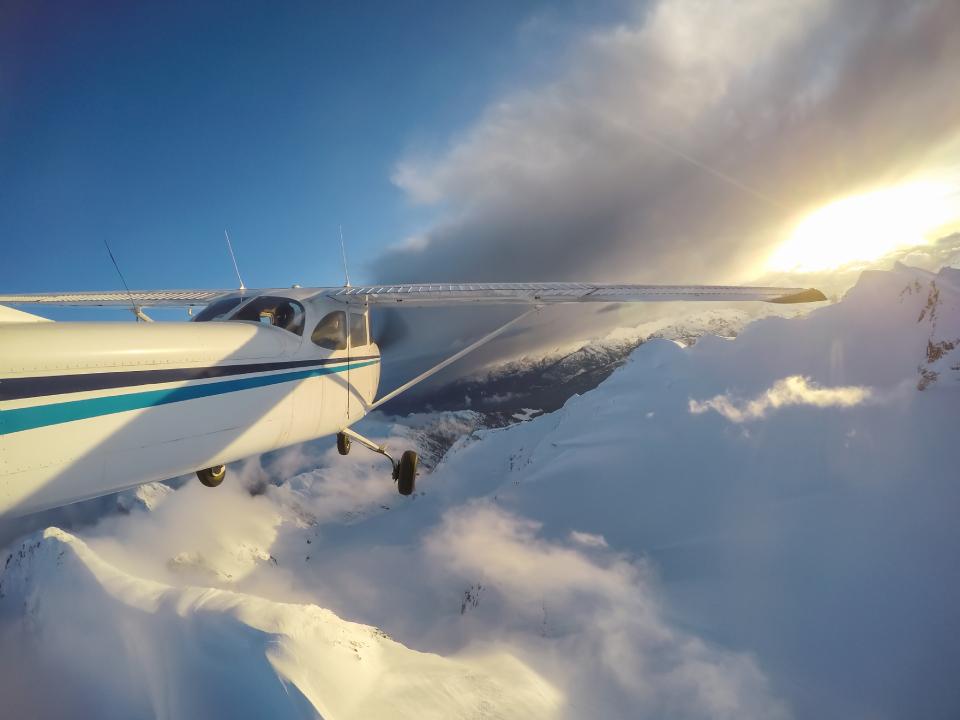
Airline pilots lead very different lives depending on whether they're shuttling short-haul or stretching out on long-haul routes. And it's not just the numbers that are different it's how those monthly flight hours add up even when they're roughly the same.
Short Haul Pilots whether they're navigating the European skies or criss-crossing the US on a domestic narrow-body have to juggle a lot of sectors in a day, often covering multiple flights within a single duty period. Think 4 to 6 takeoffs and landings, with a mix of early mornings and late nights and that can be a real killer on the circadian rhythm front. Mandated rest periods are essential because repeated duty cycles can disrupt sleep and recovery.
Their duty periods can range from 9 to 12 hours, but the actual flying time is usually only 4 to 8 hours. So they might get to sleep in their own bed a bit more often, but they're still facing the pressure of early starts and tight air traffic control schedules.
Long Haul Pilots are the ones doing the really long-haul flights transatlantic, transpacific and the like. For them, the typical flight leg is a long one up to 13 hours in the air and the layovers in foreign time zones can be just as long 24 to 72 hours is not unusual. International flights usually mean longer duty days and longer recovery windows, and required rest periods must allow at least 8 uninterrupted hours of sleep.
Long-haul flight schedules often involve long duty days followed by some serious R&R - and it's not uncommon for them to work 3 or 4 long days at a time, with 4 or 5 days off in between.
Even though both groups end up with roughly the same number of monthly flight hours 80 to 90 the way the hours add up is very different. Short-haul pilots end up with a lot more ground time relative to actual flying time, while long-haul pilots have to deal with even more disruption to their body clocks and a lot more time away from home, which can make work-life balance and personal life harder to manage.
Types of Pilot Jobs and How Their Hours Differ
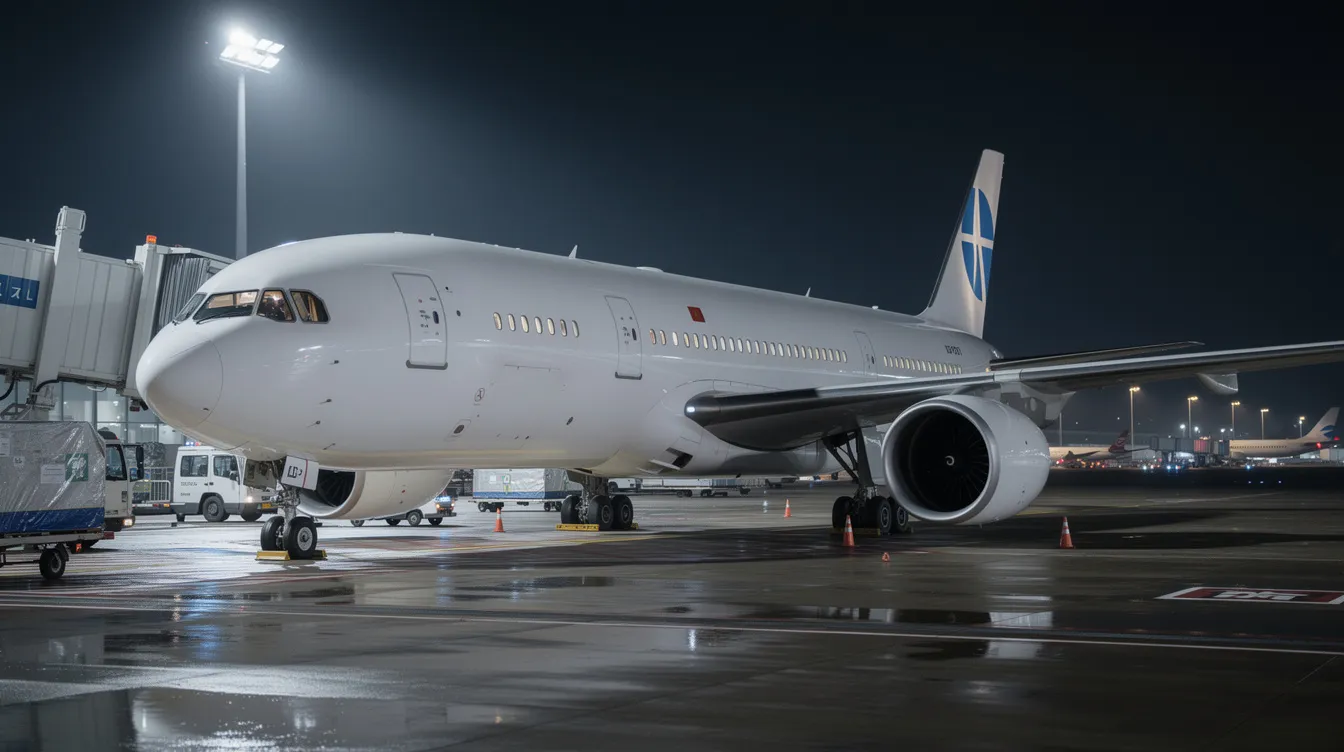
How many hours do pilots work? The answer depends strongly on whether they are airline and commercial pilots, corporate pilots, cargo pilots, or a flight instructor building experience, and whether the job comes with a more predictable fixed schedule or a more on-call pattern.
Airline Transport Pilot Roles (Part 121 scheduled passenger operations or the equivalent EASA rules) are probably the most heavily regulated, with tight controls on flight hours and fairly standardized rosters.
Most commuter pilots find themselves working under well-defined bidding systems and with the added protection of unions. At a regional airline, pilots often fly more frequent short legs in a day, while the bigger airlines usually have a lot more wiggle room in their scheduling and better pay protection.
Part 135 and Charter Operations: Corporate and charter pilots, plus those who fly for companies offering aerial surveys, sightseeing trips and air taxi services can sometimes push up to 120 hours of flying in a month under pretty relaxed rules.
Part 135 flights have to have at least 10 hours of rest time and daily flight limits of 8 hours for single-pilot crews. Flight assignments can be real mixed bags or require pilots to be on call.
For someone pursuing a pilot job with 250 hours, flight instruction is one of the most common ways to earn income while building experience, although it requires a flight instructor certificate.
Flight Instructor Work: For a typical week flight instructors can be looking at 20 to 30 hours of actual flight time plus another 10 to 20 hours on the ground for prep, debriefing, admin, and ground school. Because student pilots depend on instructor availability, work schedules can really swing wildly seasonally.
And even though the total workweek can stretch to around 40 or 45 hours, the unpredictability of weather and student needs can still make it feel pretty variable. As for hours on the ground? Forget airline-style rules flight training has its own set of rules or no rules at all.
Cargo Pilots: Primarily they operate at night and may be on some seriously long trips with 5, 6, or even 7 days on-duty followed by equal or longer time off. Even though they, like other pilots, have to follow their own set of rules on flight hours and rest, demand can be all over the place. Flight engineers on some of the older cargo planes also work under similar frameworks.
Seniority, Base Location, and the "Typical Week" for a Pilot
For most airlines seniority within the company is the one factor that really makes a difference in terms of the hours pilots work and just how predictable their schedule is. Pilot schedules can vary wildly from week to week because of operational needs but senior pilots generally have more control over weekends, routes, and days off, so seniority helps take the edge off.
How the Bidding System Works: Every month, pilots put in their bids for the flight schedules (we call them "lines") they'd prefer. The experienced pilots and those with the most seniority get to pick the days off, times of day and destinations first.
As a pilot gains seniority over time, they get to choose preferred aircraft fleets and schedules. Its the junior pilots who often end up with more night flying, weekends and holidays.
The Reserve Duty Problem: Many pilots especially those just starting out will spend a part of each month on reserve duty meaning that at short notice they have to be ready to get to work in a few hours and fly. This can lead to some pretty variable work weeks where a week or two can go by without flying and then the next one they're flying non-stop.
Commuting vs. Living in Base: Some pilots commute in from somewhere else and while they can add all those extra unpaid hours flying to and from base to their workweek and then on top of that throw in overnight crash-pad stays its still not going to be any easier when they get back home. More predictable schedules also make personal life planning easier and improve overall work life balance.
Here's an example of a typical mid-seniority short-haul Pilots work life (2026): There's the 3-4 day trips with 8-12 flights and 12-18 hours flying, followed by 3-4 days at home to recover you end up doing that about 3 times a month. So that's 75 flight hours in a month and a whopping 150 duty hours - give or take.
FAQ: Common Questions About Pilot Work Hours
This FAQ covers practical questions that don't fit neatly into the main sections. Answers reflect typical regulations and practices around 2024–2026 and may vary slightly by country and operator.
Do pilots work full-time if they only fly 70–85 hours a month?
Yes. Those 70-85 hours in the cockpit usually come with a whole lot more think 150-200 hours when you include flight planning, dealing with paperwork after the flight, getting to the airport, and all those days spent in training or repositioning to the next destination, including the extra coordination and duty demands handled by a two pilots crew as well.
The pay comes from the flying hours, but on top of that, there are heaps of other tasks to get through like attending briefings and filling out reports which don't get paid and take up heaps of time too.
Plenty of pilots would attest that the hours you don't see are the real hard yards; many see this as the biggest misconception about the aviation industry.
