Pilot Training Costs in 2026: A Complete Breakdown
Oct 07, 2026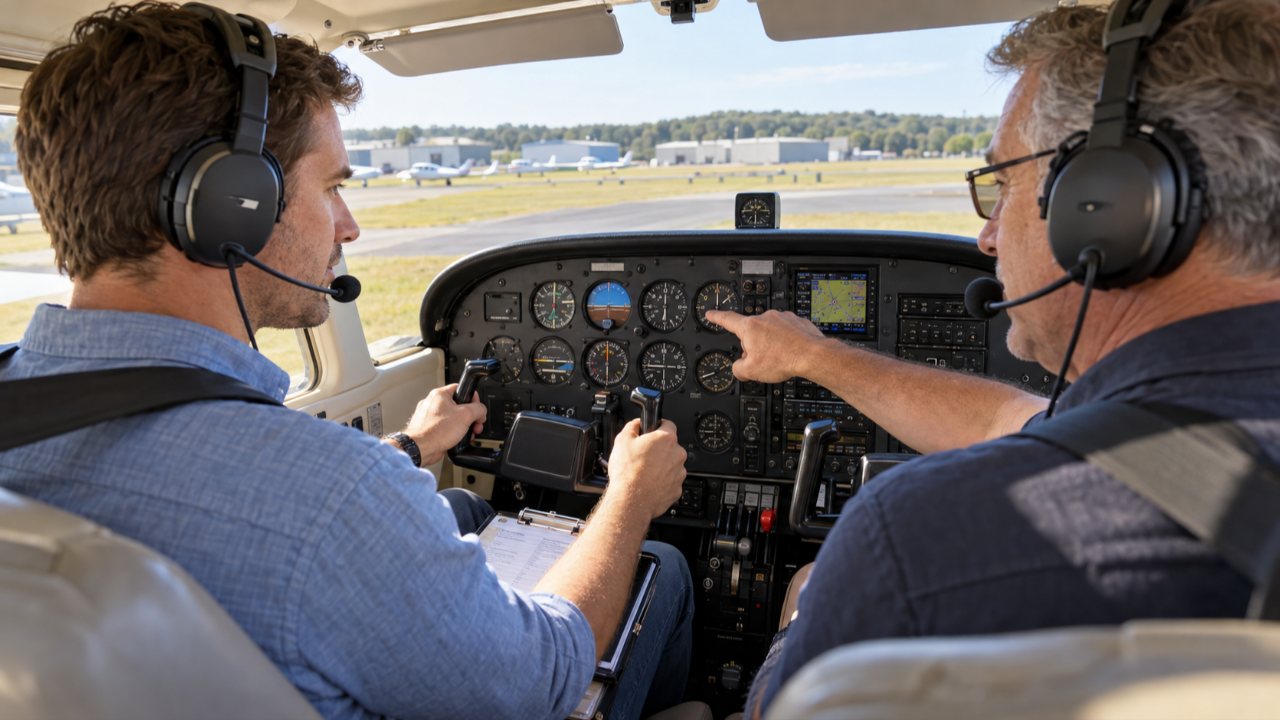
Pilot training costs can be daunting, but understanding the true expenses from discovery flights to full professional certification helps you budget smartly. Discover what drives these costs, how to finance your training, and tips to save money while pursuing your dream of becoming a professional pilot in 2026.
Quick Answer: How Much Does Flight School Cost in 2026?
Flight training expenses in 2026 depend a whole lot on what your goals are as a student pilot are you after a Sport Pilot cert or something more complex like a commercial license? Where you choose to train is also a big factor best way to put it is the more you spend, the better quality you're likely to get.
Here are some rough estimates for the bulk of student pilots in the U.S. currently
-
Sport pilots can expect to pay roughly between $5,000 to $9,000 total, so basic recreational training may cost only a few thousand dollars
-
If you're after a private pilot license, the private pilot license cost is usually about $10,000 to $20,000 in most places, and a PPL typically takes around 40 to 70 flight hours
-
If you want the full on professional path (Private + Instrument + Commercial + Instructor + building up flight hours) you can expect to be shelling out 80,000 to 130,000+ dollars, just not counting rent, food, and all that kind of thing
Keep in mind these numbers cover what most students would actually pay, not just the bare minimum flight hours you technically need. You might think you need 40 hours to get your private pilot license under Part 61, but the national average is a good deal higher than that. 60-75 hours on average. That difference alone can easily add a few grand to the bill.
The exact cost depends on your location, which type of aircraft the school uses, and how often you fly. Even airline pilots need to budget for a whole bunch of extra things on top of tuition and program costs housing, travel, exam fees and all that medical business. Training is pretty expensive, but it's doable if you plan for the real cost rather than the minimum you think you might need.
Your local flight school will almost certainly come in at somewhere in these ranges. Schools in major cities tend to charge 20-40% more than smaller regional airports and obviously your training options have a big impact on price.
Pilot Training Costs: What’s Included and What Costs Extra?
Flight school packages vary. Use these estimated U.S. costs as a budgeting guide, and ask which expenses your quote includes, especially any certification fees.
|
Expense |
Estimated Cost |
What May Cost Extra |
|---|---|---|
|
Aircraft rental |
$140–$230/hr for single-engine trainers; $280–$400/hr for multi-engine |
Hours beyond the package allowance. Wet rates include fuel; confirm any fuel surcharges. |
|
Flight instructor |
Usually $50–$100/hr; some charge up to $130/hr |
Additional instruction and preflight or postflight briefings |
|
Ground school and instruction |
Varies by course and instructor |
Online courses, tutoring, or ground instruction outside the package |
|
Simulator time |
$50–$120/hr |
Sessions beyond included hours; instructor time may be separate |
|
FAA knowledge tests |
Around $175 each |
Often billed separately; retakes add another fee |
|
Medical exam |
$100–$200 |
Scheduling delays, repeat visits, or extra documentation if required |
|
Checkride examiner |
$600–$1,300 per test |
Often excluded; checkride fees, aircraft rental, and retest fees may also apply |
|
Equipment and study materials |
Varies |
For a closer look at hourly aircraft and instructor fees, see our guide to pilot flying lessons cost.
Discovery Flight: Your First, Low-Risk Cost
A discovery flight is a short introductory flight usually 30 to 60 minutes where you sit in the left seat with a certified flight instructor and actually handle the controls. Most schools recommend it before you commit to a full training program, and it's the cheapest way to find out if flying is right for you.
Here's what to expect for a discovery flight in 2026
-
Typical pricing falls between $150 and $250 for a 30–60 minute flight in a Cessna 172 or Piper Warrior. The national median sits around $179 across hundreds of U.S. schools, with some as low as $99 and premium options reaching $300+.
-
Some schools credit the discovery flight cost toward a training program if you enroll within a set window (often 24–72 hours).
-
A discovery flight is usually loggable dual time with your flight instructor, meaning those minutes count toward your certificate hour requirements.
-
You'll typically get a short ground briefing before the flight and a debrief afterward.
-
Ask the school what aircraft you'll fly, how much time is actually in the air versus on the ground, and whether the instructor will log dual instruction time for you.
Pilot Training Costs by Certificate and Career Path
Pilot training costs depend on your goal: flying for fun or preparing for a professional career. These U.S. planning estimates separate individual training stages from the total cost of a career program.
|
Certificate or Rating |
Estimated Cost |
What the Estimate Covers |
|---|---|---|
|
Sport Pilot |
$5,000–$9,000 |
A standalone recreational training option |
|
Private Pilot License (PPL) |
$8,000–$20,000 |
Initial private pilot training, with total cost depending on actual flight hours and paid flight lessons |
|
Instrument Rating |
$6,000–$15,000 |
Additional training after your private pilot certificate |
|
Commercial Pilot |
$15,000–$20,000 |
Additional commercial training for the commercial pilot certificate; prior experience and any required hour building affect the price |
The instrument and commercial figures are additional costs, not totals from zero experience. This is part of a broader training path from private through instrument to commercial. Before comparing schools, check how many flight hours each quote assumes you already have and whether it includes exams, aircraft rental, and extra training.
Total Budget for a Professional Pilot Career
Plan to spend around for a professional aviation career:
-
$80,000–$130,000+ at an independent flight school or academy, excluding living expenses; some academy-style career tracks market a Professional Airline Pilot Program at about $96,839 total.
-
$120,000–$200,000+ for a university aviation program with a four-year degree, depending on tuition and included flight training.
Most career programs cover private pilot training, an instrument rating, commercial certification, and a multi-engine rating. Some include flight instructor certificates. Check whether the program ends at commercial multi-engine or continues through CFI, CFII, or MEI.
Finishing a career program doesn't mean you have enough flight hours for an airline job. Programs often finish at around 200–250 hours, and advertised prices generally don't cover the additional hour building needed before you can qualify for airline pilot hiring.
Many graduates work as flight instructors to earn money and build hours. If you plan to rent an aircraft to build hours yourself, budget for that separately. Ask each school to confirm the certificates, flight hours, testing fees, and living expenses included in its quote, especially for future airline pilots.
University vs. Independent Flight School Costs
|
Training Route |
Estimated Cost |
What It Covers |
|---|---|---|
|
University aviation program |
$140,000–$220,000+ |
Bachelor’s degree tuition, fees, and flight training |
|
Independent flight school |
$70,000–$120,000 |
Career-track certificates and ratings, without a degree; living expenses excluded |
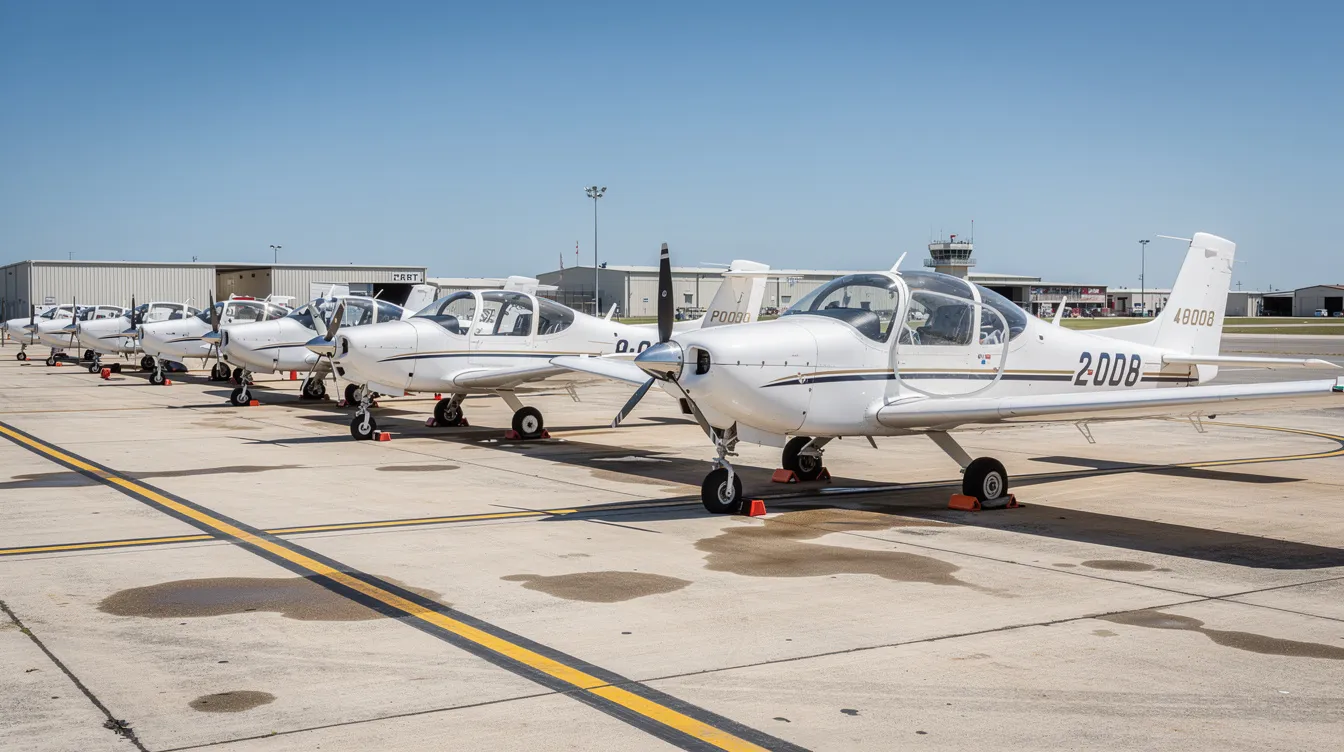
many flight schools fall under either Part 61 or Part 141 training models. Part 141 flight schools follow FAA-approved curricula and usually require fewer hours than Part 61 programs, so the more structured format often leads to faster completion when students can stay on schedule. Part 61 flight schools offer more flexible scheduling for student pilots.
Compare quotes for the same certificates and flight hours, and confirm whether housing, exams, and additional training are included.
What Drives Flight School Cost? Key Variables
Where you train, how often you fly, and your choice of aircraft and instructor all affect your total bill.
Training Frequency
Consistent training helps you retain skills, and students who train consistently usually spend less time and money on review. When students complete lessons on a steady schedule, they often avoid extra flight hours caused by skill fade.
Aircraft Type and Avionics
An older Cessna 152 may rent for around $120–$140 an hour. Modern glass cockpit aircraft with modern avionics usually cost more. Compare local rental rates and check whether fuel is included.
Instructor
An instructor with clear lesson plans helps you make steady progress. Poor planning can lead to unnecessary repeat lessons and extra paid hours.
Location
Busy city airports often cost more than quieter regional fields. Taxi delays and waiting for takeoff can also add to your rental bill. Training at towered airports may raise costs, but it can provide useful airspace training early on. Local weather matters, too—frequent cancellations can stretch out training and increase review time.
Indirect Costs: Living, Commuting, and International Student Fees
Too many flight students make the mistake of not thinking about the non-tuition expenses when calculating the total cost of their training. Fact is, these indirect costs can easily be as much as an entire rating.
The Living Expenses Blues
-
In Florida, Arizona, and Texas the most common places for flight training in the US housing costs can run anywhere from $700 to $1,200 a month.
-
If you add in food and other daily expenses, you're looking at another $300 to $600 a month. And that brings the total living costs, over a 9-18 month training period, up to $18,000 to $30,000.
Commuting Costs and Time Wasters
-
To get to and from the airport, you're looking at another $200 to $500 a month for fuel, car payments, or public transit.
-
But that's not the only thing adding to your expenses you've also got to factor in the extra trips caused by bad weather. Those cancelled flights and lost productivity can really add up.
International Student Fees An Extra Hit
-
If you're an international student, you'll need to factor in an extra $2,000 to $4,000 on top of what domestic students have to pay. That's for things like visa application fees, the SEVIS I-901 fee, TSA AFSP registration and fingerprinting, and mandatory health insurance.
-
Some schools will also charge for English language proficiency or remedial training programs so be sure to factor those in as well.
Here's the thing, students need to think about these expenses when they are planning a training timeline. If you extend your training from 9 months to 18 months, your living expenses can nearly double and that's even if the tuition stays the same.
So both domestic and international students need to think about these costs before they sign any enrollment agreement.
Fixed-Price vs. Pay-As-You-Go: How Pricing Models Change Your Budget
The way your school charges you matters almost as much as what it charges. The two dominant pricing models fixed-price packages and hourly pay-as-you-go plans create very different budgeting experiences.
Fixed-price packages
-
Schools set a total training cost based on expected average hours, not FAA minimums, so overall pilot school cost is tied to the specific certificates and ratings a student is pursuing. The package typically includes aircraft, fuel, flight instructor time, basic training materials, and sometimes one exam attempt per stage.
-
Fixed-price programs help students plan major training expenses upfront before training begins, making it easier to secure financing.
-
These programs are easier for students using private student loans or GI Bill benefits because lenders and the VA prefer defined cost structures.
Pay-as-you-go hourly
-
Students pay for each aircraft and instructor hour and each exam as they go. Budget separately for your FAA checkride cost, including the examiner fee and aircraft rental for the test.
-
Lower upfront commitment but pay-as-you-go training can exceed estimates if extra hours are needed.
-
Risk of creeping costs if flight students take long breaks or need extra review flights before a checkride.
Consider this example: a student budgets for the FAA-minimum 40 hours to earn a PPL at a pay-as-you-go rate of $165/hr aircraft plus $66/hr instructor.
If that student actually finishes at 65 hours which is common that's 25 extra hours at $231/hr combined, adding over $5,700 to the original estimate. The flight school cost didn't change; the student's training pace did.
Financing Pilot Training: Loans, Scholarships, and Other Options
Very few student pilots can afford the full whack upfront especially for career-orientated paths that can cost a whopping $80,000 or more. Getting on top of your options to finance flight training whether through loans, scholarships, or savings early on lets you keep training consistently without any interruptions.
Private Student Loans: A Lifesaver for Many
-
Most flight students use private student loans to fund their training. But it's worth noting that specialized aviation lenders and a few of the bigger banks only lend up to a certain amount we're talking $20,000 to $130,000+ here.
-
You can get flight training loans from AOPA Finance & Co, along with other similar organisations.
-
Just be prepared to need a co-signer if you're not really old enough to have much of a credit history and don't forget to check if in-school deferment is an option.
Scholarships & Grants: A Crack at Getting Some Help
-
Aviation scholarships are usually around $2,500 to $20,000 and are handed out by the likes of AOPA, EAA, Women in Aviation International and the Ninety-Nines.
-
Don't leave it to the last minute with scholarship applications start 6-12 months before you're due to start training to give you the best possible chance.
-
Students in eligible university aviation programs may also use federal financial aid to reduce training costs if the flight school is part of an aid-eligible educational institution.
Military & GI Bill-type Benefits: Getting a Leg Up
-
If you've got a GI Bill, it can cover 80-100% of your flight training costs at a VA-approved, Part 141 program. But it's worth noting that the initial PPL stage is usually not covered.
-
Plus, you can get a housing stipend through the GI Bill which can really help offset a chunk of your living expenses if you're a vet.
Personal Savings & Pay-As-You-Go: Going It Alone
-
Students can pay for training through college partner schemes, personal savings or by doing a bit of part-time work and stretching out their training over a few years.
-
If you can save for a bit longer before you start training it can really cut down on the interest you'll be paying out over a full career-track program.
When it comes down to it, prospective flight students need to think about how their monthly loan payments will work out against their actual entry-level pilot salary. A $100,000 loan on a $40,000 flight instructor salary is going to feel a lot tighter than the same loan on a $90,000 regional airline first officer income.
How to Reduce Pilot Training Costs Without Cutting Corners
-
Fly regularly. Aim for 2–3 lessons a week to avoid long gaps and extra review flights, and plan to fly solo only after you reach that milestone in training.
-
Prepare before each lesson. Review checklists, study the theory, and use a simulator to practice procedures before paid flights so you can make the most of your training time.
-
Use lower-cost simulators. Ask your instructor which sessions support your training and count toward your certificate or rating, especially for instrument training that can cost less in a simulator than in the aircraft.
-
Budget for realistic hours. Ask how many flight hours students usually need to finish, not just the minimum required.
-
Check availability. Choose the best flight school by looking for aircraft and instructor availability that fits your schedule, and ask how it handles maintenance delays.