IFR Training Standards and Rating Requirements
Sep 14, 2026
Introduction to IFR Training Standards
IFR training standards are all about keeping pilots safe when they can't see the ground, so to speak when visibility is next to nothing, you want to know that every instrument-rated pilot can get the job done with precision and communicate their way out of a tricky situation with air traffic control.
To fly under the rules, pilots have to toe the line when it comes to training and certifying, all of which gets laid out for them by the Federal Aviation Administration. The bottom line is that standing up for IFR training is what keeps us all safe, so aspiring pilots and certified flight instructors alike should take this stuff seriously.
This article takes a closer look at the practical FAA-based standards that govern instrument flight training, and the nitty-gritty on instrument approaches and checkrides in the good old US of A as of 2024. The ones that really matter are spelled out in 14 CFR Part 61.65, Part 141 syllabi, and the FAA's Airman Certification Standards.
IFR training is more than just learning the theory, it's all about building proficiency in flying, making good decisions, and managing risk. And let's face it, getting your instrument rating is a big deal. It opens doors, saves you money on aircraft insurance, and gives you the skills to think on your feet in a crisis.
Key IFR training standards at a glance
-
50 hours of cross country flight time as pilot in command
-
40 hours of actual or simulated instrument time
-
15 hours of instrument training with an authorized instructor
-
Pass a 60-question FAA knowledge test with a minimum 70% score
-
Complete an instrument rating practical test covering oral and flight elements
-
Maintain currency with six instrument approaches every six calendar months
Regulatory Framework for IFR Training
The legal foundation for IFR training rests on 14 CFR Part 61.65, which defines the instrument rating requirements for eligibility, experience, and testing. This regulation links directly to the current Instrument Rating ACS, FAA-S-ACS-8C, which replaced the older Practical Test Standards and became effective May 31, 2024. The ACS lays out knowledge, risk management, and skill elements that examiners must assess during the checkride.
Part 61 training is flexible and instructor-driven, letting students schedule around their lives. Part 141 flight training programs follow FAA-approved syllabi with structured stage checks and may reduce minimum instrument training time from 40 hours to 35 hours. Where national and international standards intersect, ICAO Annex 1 provides guidance on instrument ratings, though the U.S. has specific differences in cross country distance definitions, English language requirements, and navigation system categories.
Part 61 vs Part 141 comparison
-
Part 61: 40 hours minimum instrument time, flexible syllabus, up to 20 hours simulator or flight training device credit
-
Part 141: 35 hours minimum instrument time, FAA-approved curriculum, structured stage checks
-
ACS applies equally to both paths; the practical test is identical regardless of training route
-
Both paths allow aviation training device and full flight simulator hours within regulatory caps
IFR Rating Requirements: Eligibility, Time, and Experience
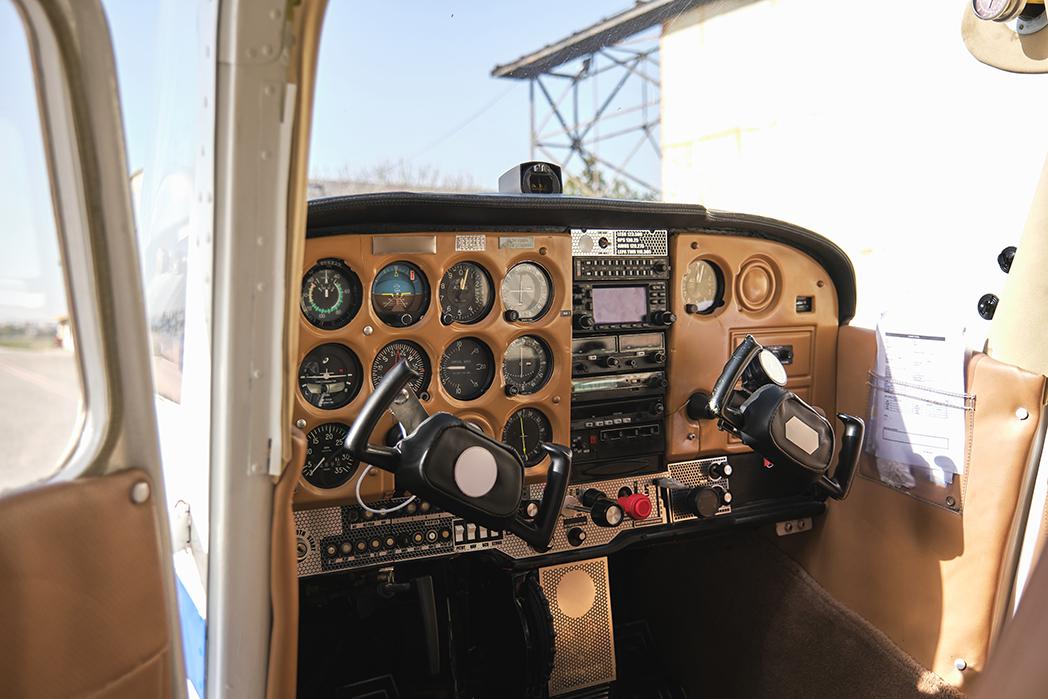
This is the info all students want to know first: the IFR rating requirements. Here's what you need to know straight from the current rules.
Eligibility
-
You have to be at least 17 years old to apply for an instrument rating in a single-engine aircraft
-
You've got to have a private pilots license to apply (or be applying for one at the same time)
-
You'll need a current private pilots license in the right category
-
And of course, you'll need a valid third class medical certificate
-
And you need to be able to speak, read and understand English
Required experience under Part 61
-
50 hours of cross country flight time as pilot in command, with at least 10 hours in airplanes
-
At least 40 hours of actual or simulated instrument time covering all required areas of operation
-
At least 15 hours of instrument flight training must be with a CFII
Additional requirements
-
3 hours of instrument training in the preceding 2 calendar months before the practical test
-
One cross country flight under IFR of at least 250 nautical miles along airways or ATC directed routing, with an instrument approach at each airport and three different kinds of instrument approach procedures using navigation systems
-
You must pass the FAA Instrument Rating Knowledge Test. Use our practice IFR test guide to review the exam format and build a focused study plan.
-
You need a logbook endorsement to take the practical test
-
Up to 20 hours of instrument time may be completed in an approved flight training device or simulator with an authorized instructor under Part 61
IFR Ground Training: Knowledge and Decision-Making Standards
Ground training is where you first get to put your IFR skills to the test. Before you even start flying instrument, you need to get a solid grasp of the regulations, procedures, systems and decision-making that go into it.
You'll need to master all of these areas before you can even think about taking the comprehensive knowledge and flight tests required for your instrument rating. Ground training is the foundation for both of those, so don't neglect it.
How to satisfy ground training requirements
-
In-person or online ground school
-
Part 141-approved courses with structured curricula
-
A home study course combined with sessions with an authorized instructor certifying readiness
You've got to show that you've got a solid understanding of all the required aeronautical knowledge areas and that means logging some ground training or completing an equivalent home study program.
At the heart of it all are some key topics that you'll need to have mastered to ACS standards. That includes IFR charts and publications, weather reports and forecasts, plotting your flight plan, including alternate airport requirements, en-route and terminal procedures, cross country flight procedures and getting the hang of air traffic control comms.
For supplementary review, the resource often searched for as IFR pilot cafe Pilots Cafe’s IFR Quick-Review Study Guide can support your study of these topics alongside your ground training.
And then there's the whole area of crew resource management and aeronautical decision-making - which is all about evaluating tough weather situations, your own personal limits, and risk management - not just memorizing rules.
Getting Through the IRA Knowledge Test
-
You'll need to pass a 60-question test
-
And you'll need to score at least 70% to pass
-
That's 42 correct answers in 2.5 hours
-
And, you'll need an authorized instructor to give you the thumbs up on your readiness before you can even book your test
Most test-heavy areas: holding procedures, instrument approach categories and minima, alternate airport rules, IFR navigation systems, and weather interpretation.
IFR Flight Training Standards: From Basic Attitude Instrument Flying to Instrument Approach Mastery
IFR flight training converts book knowledge into precise control of the aircraft on instruments under both simulated instrument time conditions and actual instrument meteorological conditions. IFR training standards help prevent spatial disorientation by teaching instrument reliance over body sensations, and this is where that principle becomes real.
Training progression expected by standards:
-
Basic attitude instrument flying: scan, instrument cross-check, unusual attitude recovery
-
Tracking and intercepting VOR, GPS, and localizer courses
-
Holding pattern entries, timing, and wind correction
-
Enroute IFR navigation and altitude management under IFR flight plans
-
Standard instrument departures (SIDs) and standard terminal arrival routes (STARs)
-
Non-precision and precision instrument approach procedures (ILS, LPV, LNAV, VOR, LOC)
The Instrument Rating ACS (FAA-S-ACS-8C) breaks the required practical test into tasks: preflight preparation, preflight procedures, air traffic control clearances and procedures, departure, enroute, arrival, instrument approach, and postflight procedures. Each task includes knowledge, risk management, and skill elements.
Instructors must train to a standard where the applicant can maintain altitude, heading, and course within ACS tolerances while managing radios, avionics, and ATC communication. Training should emphasize realistic IFR scenarios-such as a 250 NM cross country flight with changing weather and reroutes-rather than isolated maneuvers, supporting efficient operation under real-world conditions.
Use of Flight Simulators and Flight Training Devices in IFR Training
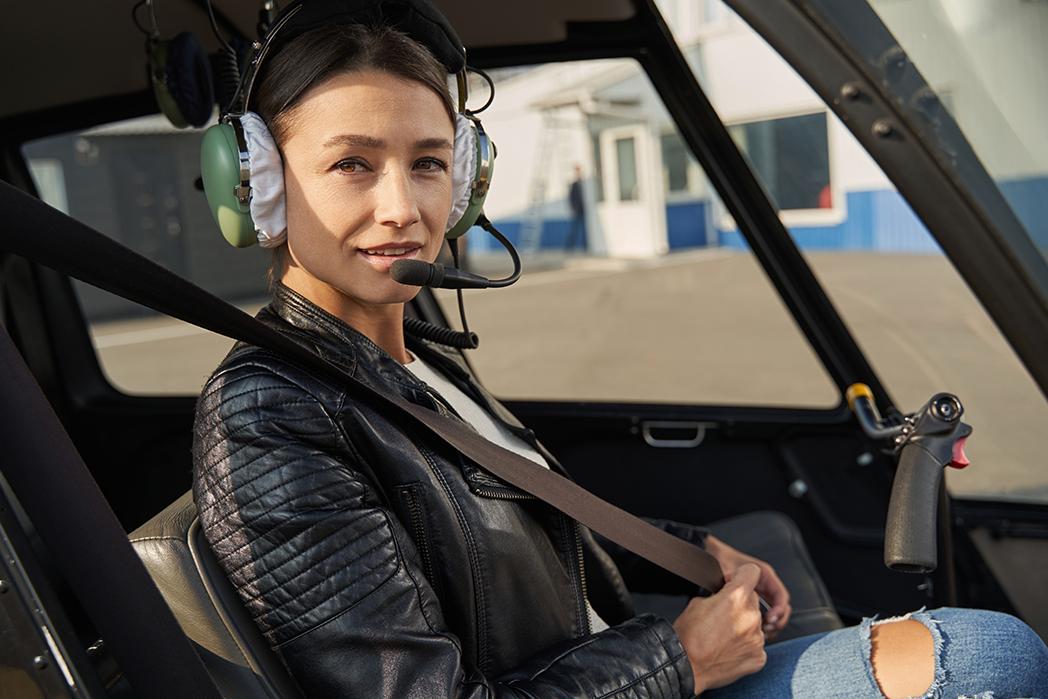
Flight simulators and flight training devices range from basic aviation training devices (BATD) to advanced ATDs, flight training devices (FTD), and full flight simulators. They are integrated into IFR training standards because they allow safe, repeatable practice of scenarios that would be dangerous in real aircraft.
Regulatory credit limits and high-yield scenarios:
-
Under Part 61, up to 20 hours of instrument time in an approved AATD or FTD with an authorized instructor
-
Under Part 142 training centers, up to 30 hours may be credited
-
Tasks well-suited for simulator or flight training device practice: complex instrument approach procedures, avionics failures, partial panel flying IFR, unusual attitudes, emergency operations, and air traffic control clearances practice in busy sectors
-
The ACS does not distinguish where skills are learned; it only evaluates whether the candidate performs to standard in the checkride aircraft
Air Traffic Control Clearances, Communication, and IFR Procedures
Getting air traffic control and pilots to communicate is a vital part of keeping everyone safe when visibility is zero which is why getting good and consistent at talking to ATC is a critical part of IFR training. From the moment you get clearance to the minute you land, students need to be able to show they can work safely within controlled airspace flying IFR.
A standard IFR clearance usually includes the route you'll be taking, the altitude you're to fly at, the frequency to use when you take off, and a transponder code. Students need to be able to copy and repeat back this information accurately every time, and treat each IFR flight as a real life test of your clear and precise communication skills.
Key areas we'll be covering in IFR procedures
-
Navigating the preferred IFR routes and the SIDs and STARs
-
Following instructions to climb via certain routes and descend via others
-
Understanding what to do if you're asked to "hold for release" and what "release time" means
-
Using standard phraseology and keeping an ear on the right ATC frequencies as you move between different sectors (tower, approach, departure and centre)
-
Knowing what to do in case of lost communications the AVEF/MEA framework is a key part of this - and being able to put it into practice, as per the airman certification standards requirements
Emergency Operations and Abnormal IFR Scenarios
IFR flight training isn't just about getting by in bad weather, you also need to be able to handle emergencies under the hood, not just cruise along just fine.
Typical emergency operations trained and tested:
-
Vacuum or attitude indicator failure and partial panel flying
-
Communications failure under IFR with appropriate transponder squawk procedures
-
Navigation systems malfunctions (GPS outage, VOR failure)
-
Missed approach and go-around in low visibility
-
Diversions to alternates due to weather changes or system failures
Instructors will put you through these scenarios in either a real plane or a simulator which is a whole lot safer than doing it the real way and you'd better be able to make some smart decisions when faced with one of these emergencies. Your IFR rating is all about being able to think on your feet in those kinds of situations.
Assessment, Checkrides, and Continuing IFR Proficiency
Mock checkrides are a great way to get a feel for the real thing and will help identify any weaknesses you may have before the actual final flight test, all of which can be picked up during training-stage checks, scenario evaluations and those weird oral-flight scenario things.
Instrument rating practical test requirements:
-
You'll get grilled on regulations, weather, flight planning, and systems in the oral exam
-
It's a combined oral and flight test, practical and written all in one
-
Flight portion: you'll fly a departure, some way-finding in the air, holding patterns, do at least two different types of instrument approaches, then a missed approach and wrap it all up with some post-flight tidy-up procedures
-
The DPE is only going to ask you about stuff in the AC, don't even think about anything else. You need a logbook endorsement to go for the test and 24 months since you passed the knowledge test
-
Instrument rated pilots are safer and more knowledgeable as a direct result of this comprehensive evaluation
Post-certification currency and the IPC:
-
Pilots must log six instrument approaches within the preceding six calendar months to maintain currency, plus holding procedures and course tracking
-
To stay sharp you need to keep practicing and keeping an eye on all the procedures and rules you learned in your instrument training
-
If currency lapses, an Instrument Proficiency Check with a CFII, DPE, or FAA inspector is required, covering a representative cross-section of IFR tasks from hours of instrument flight training to emergency scenarios
Choosing an IFR Training Program that Meets High Standards
When you're on the hunt for the right school and instructor, don't just look at the bottom line or try to squeeze a course into your tight schedule. Take a hard look at how well the whole program from the local airport to your big cross country flights, stacks up against the top IFR training standards.
Evaluation criteria:
-
Use of a published syllabus aligned with the airman certification standards
-
Integration of modern flight training devices and flight simulators
-
Structured ground training covering current FAA regulations and procedures
-
Clear tracking of IFR hours, approaches, hours of cross country, and cross country flight requirements in logbooks
Questions to ask a prospective school:
-
How do they structure IFR cross country flights, including the powered lift rating if applicable?
-
How often do they conduct mock checkrides?
-
How do they prepare students for air traffic control clearances and emergency operations?
-
What is the straight line distance for cross country planning exercises?
-
Is the flight time as pilot in command properly logged alongside simulated instrument time and hours of actual instrument conditions?
The thing is, a consistent training pace can make all the difference and that's usually something that takes 2 to 6 months, depending on your schedule and the weather. Doing it right takes time, but it means you'll really earn that instrument rating and you'll have the skill and judgement to fly safely under the hood for years to come.
