FAA Test Prep for Private Pilot Knowledge Test
Jun 04, 2026
The FAA knowledge test is the last hurdle before you can finally get that private pilot certificate in your hands.
It's a computer based written exam that puts your knowledge of regulations, weather, navigation and aeronautical decision making the whole foundation of safe flying to the test.
Whatever your training situation you're studying on your own or attending a local flight school getting your test prep right is what makes all the difference between acing the test first time round and having to shell out for a re-sit.
The Private Pilot FAA knowledge test these days consists of 60 scored questions, a 2 hour time limit, and you need to get at least 70% to pass.
Now when it comes to aviation, test prep is all about putting together a combination of online courses, practice exams, regular study sessions and ground training to get that all important foundation of FAA knowledge in place.
This guide spells out exactly how to structure your study plan, choose the right private pilot course and study materials, and really use practice tests to get the practice you need so that you can walk into the testing center feeling ready and confident.
Quick recap
-
Getting the FAA knowledge test out of the way is essential for getting your Private Pilot certificate
-
Test prep isn't just about cramming in facts it's about structured learning and getting plenty of realistic practice under your belt
-
This article will give you the lowdown on exactly how to do it all, from planning your study time to getting ready for the big day
Overview of the FAA Knowledge Test for Private Pilots
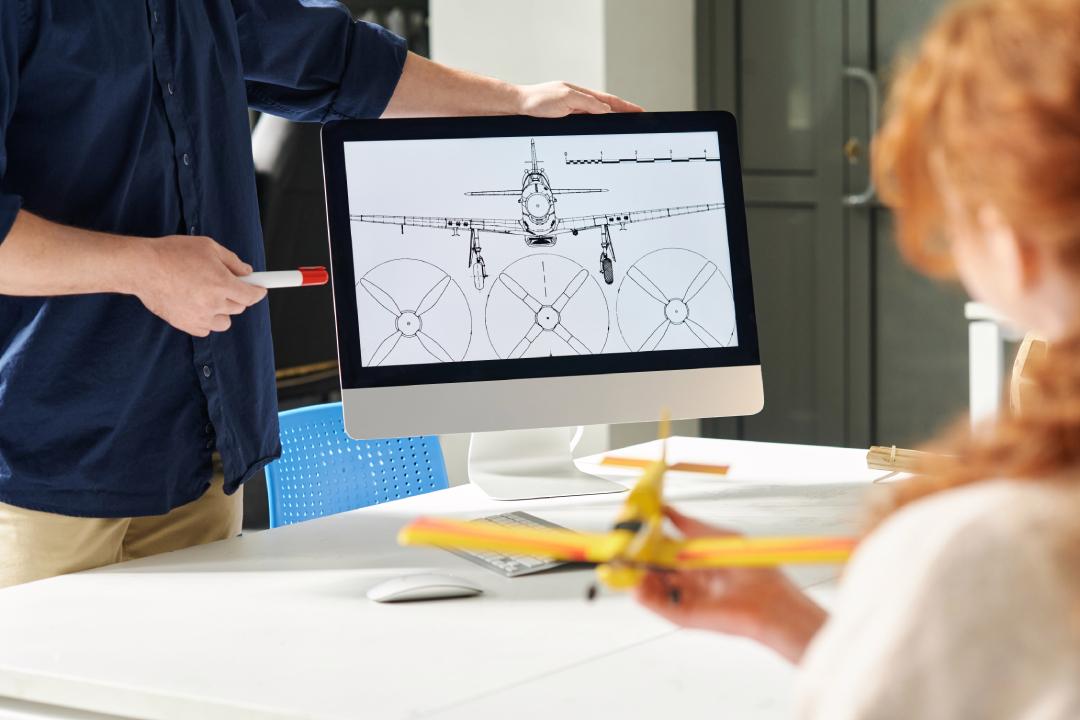
Getting your private pilot certification under 14 CFR Part 61 requires passing the knowledge test, and it's a pretty straightforward process. What the FAA's looking for is proof that you've got the aeronautical knowledge to fly safely on your own.
Test structure and logistics
-
The FAA Knowledge Test consists of 65 multiple-choice questions, of which 60 are scored, and a minimum score of 70% is required to pass
-
Validation questions are included in the test these are non-scored questions used for statistical analysis and do not count against your final score
-
The Private Pilot and Instrument Rating exams each consist of 60 questions and must be completed within two hours, while the Commercial Pilot exam has 100 questions with a time limit of 2.5 hours
-
Tests are administered at PSI testing centers across the U.S. on computer terminals
-
Results are provided immediately via an Airman Test Report
Major topic areas testing your FAA knowledge:
-
Federal Aviation Regulations (Parts 61, 91, NTSB 830)
-
Airspace classification and requirements
-
Weather theory, reports, and forecasts (METARs, TAFs)
-
Aircraft performance and weight and balance calculations
-
Navigation (charts, pilotage, dead reckoning)
-
Aeromedical factors and human performance
Prerequisites:
-
You need an endorsement from a certified flight instructor or completion of an approved private pilot course
-
Most students take the test after their first solo and before intensive checkride preparation this timing maximizes retention
Creating an Effective FAA Test Prep Study Plan
Creating a consistent study schedule rather than cramming is more effective for FAA exam preparation. Research on retention shows that spaced learning over 4–8 weeks dramatically improves recall compared to last-minute cramming, which yields rapid knowledge decay.
Effective studying for FAA knowledge tests requires consistent, structured review rather than last-minute cramming. A structured plan lets you encounter each topic multiple times, reinforcing concepts before test day.
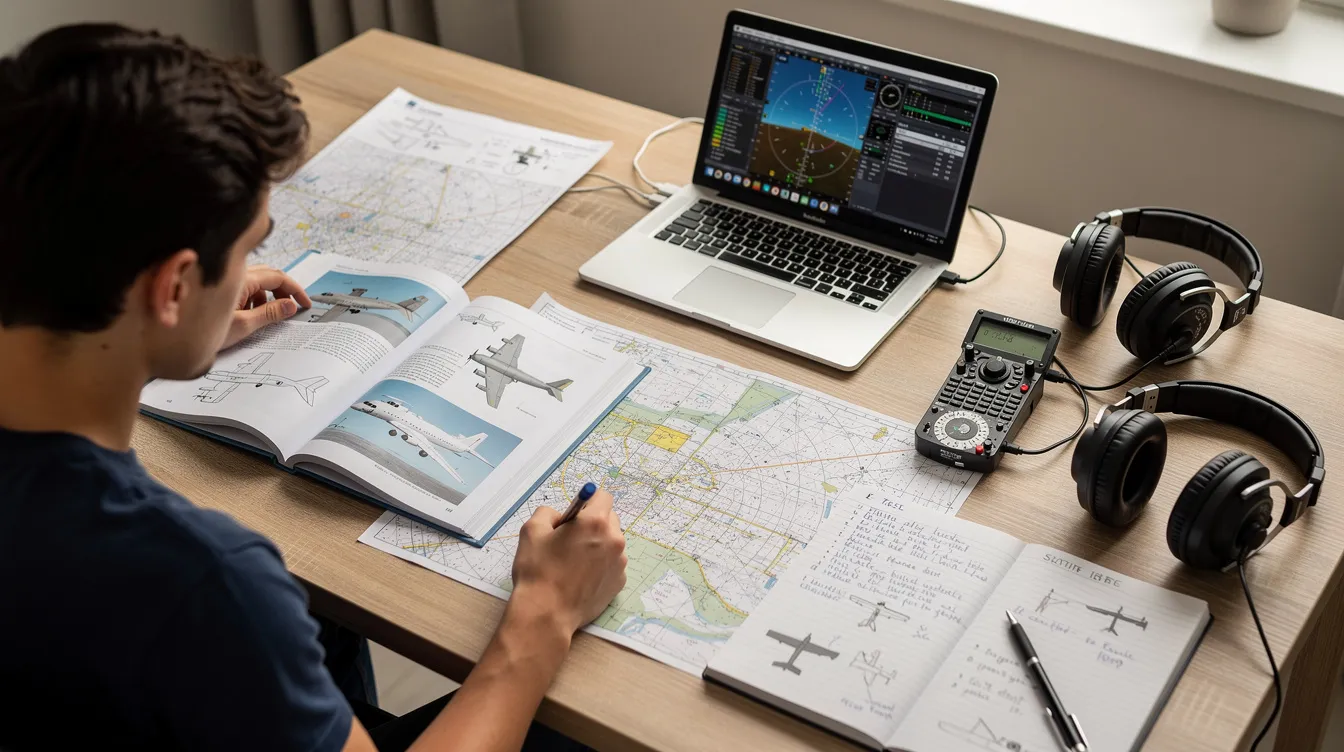
Sample 4-week study plan
-
Week 1: Regulations and airspace focus on Part 91 rules, airspace dimensions, and special VFR requirements
-
Week 2: Weather and performance decode METARs/TAFs, understand density altitude impacts, practice weight calculations
-
Week 3: Navigation and flight planning work with sectional charts, plot cross-country routes, review flight computer usage
-
Week 4: Mixed practice tests and review take full-length simulated exams, identify weak areas, revisit problem topics
Daily study sessions
-
Allocate 45–60 minutes on weekdays mixing reading, videos, and practice questions
-
Reserve 2–3 hours on weekends for deeper dives and full practice exams
-
Track your weak areas using a log if weather figures consistently cause difficulty, assign extra study sessions to that topic
-
Integrate at least one full-length simulated exam per week during the final two weeks to build stamina and time management
Choosing the Right Private Pilot Course and Study Materials
A full private pilot course is the way to go if you want a comprehensive ground school that covers all the bases and gets you that all important test endorsement when you're done.
But on the other hand, those standalone test prep resources only focus on getting you ready for the FAA questions without giving you a broader view of things.
Core elements a strong private pilot course should include:
-
Video lessons taught by a qualified flight instructor (look for CFI/CFII credentials)
-
Study material aligned with current FAA objectives and the Airman Certification Standards
-
Test prep courses often include features such as custom study sessions, analytics to track progress, and the ability to focus on specific areas of weakness
-
Progress tracking dashboards showing mastery by topic
-
Access across devices for users who study on phones, tablets, or computers
Evaluating courses and materials:
-
The study material should be built on the official FAA Airman Certification Standards (ACS) that means it goes through each task line by line and builds a study plan based on federal regulations and handbooks
-
Verify the course has been updated recently question banks must reflect current FAA sample releases
-
Confirm the course issues an endorsement upon completion
-
The FAA provides the definitive source material for all exam questions, available as free PDF downloads on the FAA Aviation Handbooks & Manuals Portal
-
Free online resources, such as the AOPA student registration, provide access to a variety of study materials for the FAA Private Pilot Knowledge Test
-
Combine at least two resource types pair your primary course with FAA publications like the Pilot’s Handbook of Aeronautical Knowledge or Airplane Flying Handbook.
As you progress beyond the private pilot level, resources such as a commercial pilot study guide can help prepare you for more advanced certificates and knowledge requirements.
Using Study Sessions and Practice Tests Effectively

Study sessions are all about absorbing new concepts and figuring out how they all fit together that's the "learning" part, for better or for worse.
Practice tests, on the other hand, are where you see how well you're stuck all that learning or where you might have some gaps. Both are super important, but they're just a couple of different paths to get to your goal.
How to structure topic-focused study sessions:
-
Work through small batches of 10–20 questions at a time with instant feedback
-
Review detailed explanations after each question understand why the correct answer is right and why distractors are wrong
-
It is highly recommended to prioritize understanding core conceptual frameworks over pure answer memorization when studying for FAA certification exams
-
Reading carefully and noting subtle wording traps in FAA questions can help avoid mistakes
Using practice tests to simulate test day:
-
Many FAA test prep courses offer unlimited practice tests that simulate the actual exam environment, providing detailed explanations for both correct and incorrect answers to enhance understanding
-
Take 60-question timed exams following the same rules as the real Private Pilot knowledge test
-
Key strategies for studying include using FAA approved handbooks such as the pilot handbook, taking daily practice tests until scoring 90%+, and focusing on understanding concepts over memorizing answers
-
Log your scores and note recurring weak topics revisit those chapters or videos before attempting another exam
Essential tools to practice with:
-
Utilizing official practice tests and FAA-CT-8080-3F testing supplements is important to familiarize with the charts and figures used in the real exam
-
Practice with E6B flight computers, plotters, and FAA-supplied reference materials so they feel familiar on test day
-
Writing down calculations instead of performing them mentally can help avoid simple errors in the FAA exams
Staying Current and Understanding FAA Knowledge Updates
The FAAs Private Pilot aeronautical knowledge areas haven't changed much, but the questions on the knowledge test certainly have and they keep evolving.
So, just when you thought you knew everything you need to know, the FAA goes and releases a bunch of new sample questions & updates the Airman Certification Standards to reflect changes in the way we fly new regulations, new procedures, new best practices that kind of thing.
Ensuring your preparation stays current:
-
Many FAA test prep materials are regularly updated to reflect changes in the FAA’s knowledge tests, ensuring that students have access to the most current information and question formats
-
Use test prep resources that are monitored and updated at least annually
-
Confirm the “last update” date of any online course or question bank before relying on it outdated materials can miss 10–15% of newer question types
-
Check FAA publications (like the latest charts and handbooks) for any revisions affecting regulations, airspace, or procedures
-
Continue reviewing official FAA sources even after completing your primary course
Scheduling, Taking, and Retaking the FAA Knowledge Test
Once your preparation is complete and you’re consistently scoring above 85% on practice tests, it’s time to schedule your exam. Understanding the logistics ensures you arrive ready with no surprises.
Registration process
-
To schedule the FAA Knowledge Test, applicants must visit the PSI Services website and create an account to locate a testing center
-
Select your preferred date, time, and location expect 1–2 week wait times during busy seasons
-
Bring printed confirmation and any required endorsement documentation
What to bring on test day
-
Applicants must present a government issued photo ID and an endorsement from a certified flight instructor (CFI) to take the FAA Knowledge Test
-
Study aids such as scales, straightedges, protractors, and navigation computers are permissible during the FAA Knowledge Test, as long as they meet specific requirements
-
Non-programmable calculators are allowed; no smartphones or smartwatches
Test-day strategy
-
Read each question carefully flag harder questions and return to them after completing easier ones
-
Manage your 2-hour time limit by pacing yourself at roughly 2 minutes per question
-
Double-check any calculations before submitting your final answer
-
Use provided scratch paper for weight and balance problems
If you don’t pass
-
Knowledge tests for FAA certification are valid for 24 calendar months once passed
-
If you fail, you can retest after additional preparation you may need a new endorsement depending on how much time has passed
-
Use your Airman Test Report to find exactly which areas need more review and focus your study sessions accordingly
-
Most students who target their weak topics pass on the second attempt
Integrating FAA Test Prep with Flight Training
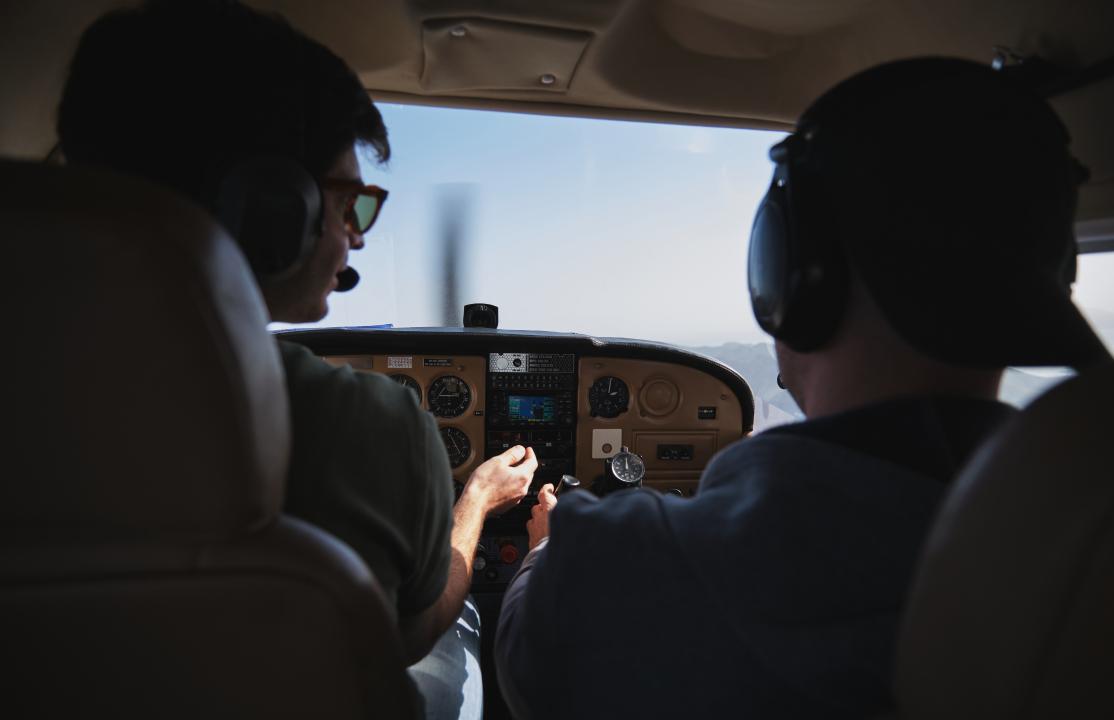
The knowledge test is far from a separate entity from your flight training in fact it's the solid ground based foundation that makes you a safer and more competent pilot in the long run its concepts directly translate to the decisions you'll make in the cockpit in real time.
Connecting ground study with flight lessons
-
Get your CFI on board so you can coordinate your ground study topics with your upcoming lessons study up on weather theory before that cross country trip, or review weight and balance before you start pushing the plane to its limits
-
Before each flight, have a quick read up on the relevant chapters or watch some video lessons then afterwards, during those study sessions, revisit any questions that still had you scratching your head
-
Use your practice test results to whip up some targeted questions for your instructor to answer during ground briefings and post-flight reviews it helps solidify things and shows you're putting in the effort
-
Your instructor can then fill in any gaps in your understanding and it's easier for them to do that when you can relate what you've been learning in ground school to real life experiences you've had in the airplane
The bigger picture
-
Don't think of that knowledge test as just some obstacle to overcome. Think of it as a necessary step on the way to becoming a safe, confident pilot use that energy to drive your studying and keep your eyes on the bigger prize.
-
All the little bits of knowledge you build up now are going to add up and inform every single preflight decision you make, every weather briefing you put together, and every go/no-go call as a pilot in command it's a big responsibility, but also an awesome one
