Embry Riddle Pilot Training Cost: 2026–2027 Guide
Oct 15, 2026
Embry-Riddle Aeronautical University is the most recognized name in collegiate aviation, and it charges accordingly. For 2026–27, Embry-Riddle pilot training cost means $45,888 per year in undergraduate tuition at the residential campuses, plus separate flight fees that typically run about $23,000–$33,000 per year in the first two years and $10,000–$15,000 in the third, while total on-campus attendance at Daytona Beach and Prescott is roughly $70,000 to $71,500 before flight training is added.
If you are comparing Embry-Riddle as a prospective aviation student or pilot trainee whether you are looking at Daytona Beach, Prescott, or the Worldwide online path this guide breaks down tuition, housing, mandatory fees, flight-lab structure, financial aid, and how the university’s costs compare with other ways to earn your ratings.
That matters because Embry-Riddle is a premium-priced route to a pilot career, and understanding the full cost helps you budget realistically, compare degree and training options, and judge whether the program’s career benefits and restricted ATP pathway fit your goals.
Embry-Riddle pilot training cost at a glance (answer first)
These figures cover the 2026–2027 academic year. Tuition and fees may change, and flight training is charged separately.
-
Daytona Beach: Annual undergraduate tuition is $45,888 for the standard 12–16-credit semester load. The estimated on-campus cost of attendance is $71,526, including housing, food, fees, books, transportation, and personal expenses. Flight training is extra.
-
Prescott: Annual undergraduate tuition is also $45,888. Estimated on-campus attendance costs total $70,686, excluding flight training.
-
Worldwide: Undergraduate tuition is $542 per credit for civilians and $250 per credit for eligible military students. At the civilian rate, 120 credits would cost $65,040 in tuition alone, before fees or future increases. Any separate flight training needs its own budget.
For a residential degree, calculate four years of attendance costs, then add the flight courses required for your program. Avoid adding tuition or housing twice if they are already included in the annual total.
Request a current flight-training estimate from your campus. Extra lessons, repeated tests, and rate changes can increase the final bill, so check what the estimate includes and how additional training is charged.
How Embry-Riddle flight training is structured
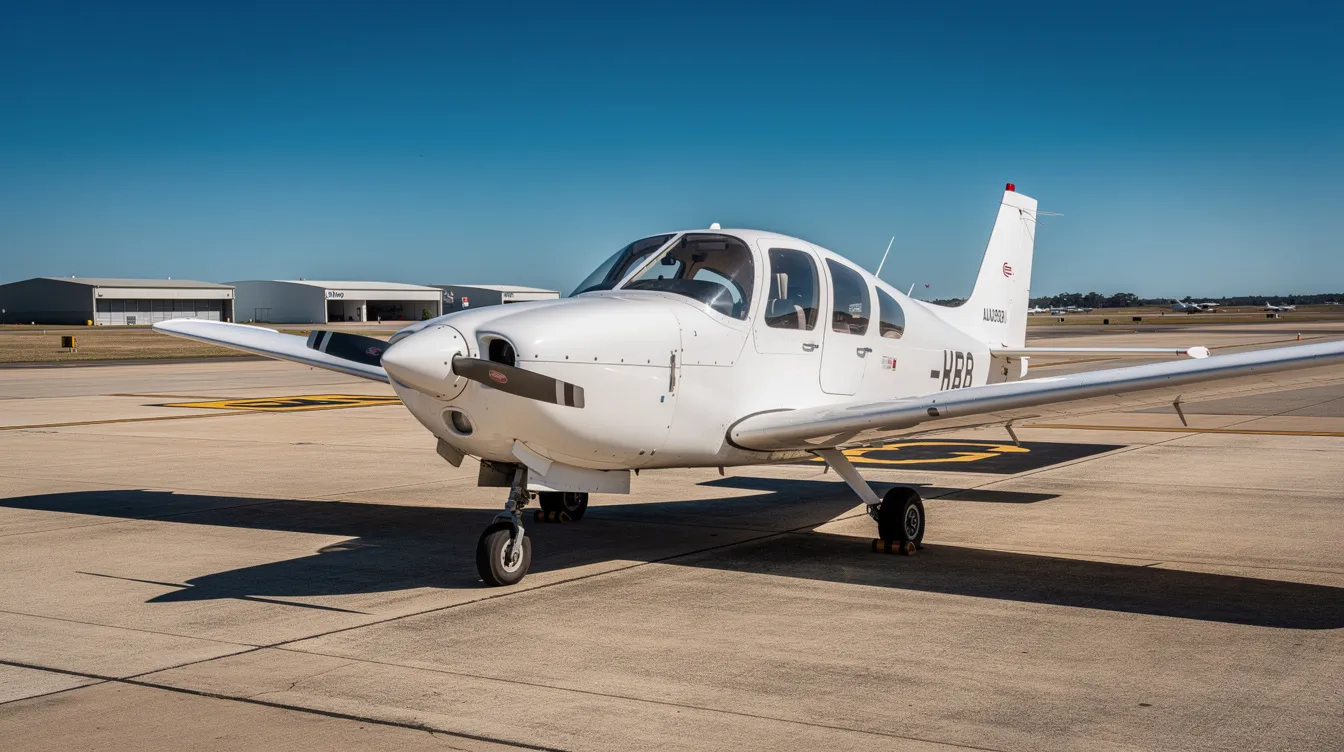
Embry-Riddle combines flight courses with academic study in its Aeronautical Science degree at Daytona Beach and Prescott. Flight training costs are separate from tuition, so students need to budget for both.
The training follows an FAA-approved Part 141 curriculum, with ground instruction supporting each stage of flying. The sequence generally includes:
-
Private Pilot Certificate
-
Instrument Rating
-
Commercial Pilot Certificate with single-engine and multi-engine qualifications, depending on the track
-
Optional flight instructor qualifications, such as CFI, CFII, and MEI
Eligible graduates of approved degree programs may qualify for a restricted Airline Transport Pilot certificate, or R-ATP, at 1,000 total flight hours. This requires the approved degree, qualifying aviation coursework and flight training, and other FAA conditions. Attending a Part 141 school alone does not establish eligibility.
Daytona Beach and Prescott provide aircraft and simulators for their flight programs. Worldwide programs have different arrangements, so confirm flight-training access and R-ATP eligibility for the specific degree.
Flight lessons are scheduled alongside academic classes. Completion time depends on the degree plan, student progress, weather, and aircraft availability. Ask your campus for a realistic timeline and flight-cost estimate rather than assuming everyone finishes on the same schedule.
Daytona Beach campus: detailed pilot training and flight costs
Embry-Riddle’s Daytona Beach campus offers flight training alongside its aviation degrees. Flight fees are separate from tuition and living expenses.
For the 2026–2027 academic year, the estimated costs are
-
Tuition: $45,888 for two semesters, based on 12–16 credits per semester.
-
On-campus housing and meals: $18,600.
-
Total annual budget before flight training: $71,526, including tuition, housing, meals, fees, books, transportation, and personal expenses.
The $71,526 is the combined annual estimate not an additional housing charge. erau.edu
For flight training, the university’s budgeting guidance recommends $23,000–$33,000 per year for the first two years and $10,000–$15,000 for the third year. At published minimums, the required flight courses total about $59,624. These are estimates based on minimum course requirements. Extra lessons can increase the total.
Students pay for flights, simulator sessions, and ground instruction as they complete them. Optional instructor ratings CFI, CFII, and MEI add further costs, while students not starting in the university’s full training track may earn a private pilot’s license through local partnerships before continuing. Use the current course fee schedule when budgeting for these qualifications rather than older published figures. erau.edu
Eligible graduates can qualify for the restricted ATP pathway at 1,000 flight hours, provided they meet the degree, coursework, and other requirements. This reduces the flight experience needed for certification; it does not reduce tuition or guarantee an airline job. erau.edu
Prescott campus: pilot training environment and comparable costs
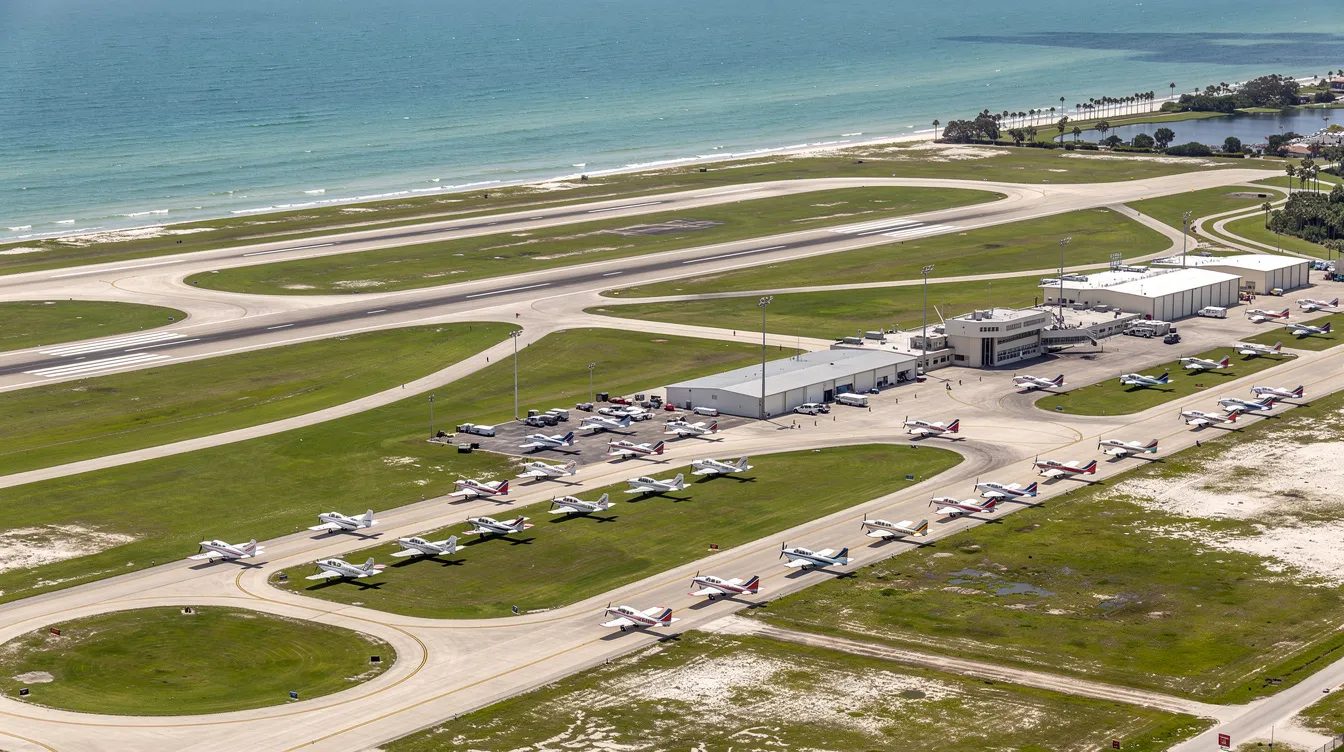
Prescott, Arizona, is Embry-Riddle’s other residential flight training campus. Its BS in Aeronautical Science combines a college degree with FAA Part 141 flight training.
For 2026–2027, tuition is $45,888 per academic year, covering 12–16 credits per semester. The estimated on-campus budget is $70,686 before flight training. That includes $9,800 for housing, $8,200 for food, $1,686 in mandatory fees, and allowances for books, transportation, and personal expenses. Your actual spending will depend on your housing, meal plan, and other choices.
Flight training is billed separately as you complete each session. The university’s guidance suggests budgeting $23,000–$33,000 annually for the first two years and $10,000–$15,000 for the third year. These estimates assume minimum course requirements; additional lessons can raise your total. Ask for a current estimate based on your flight track and previous experience.
Prescott’s high-altitude setting gives students experience flying around varied terrain and managing aircraft performance in thinner air. Weather and aircraft availability can still interrupt training, so leave room in your budget for extra living expenses if completion takes longer than planned.
Worldwide campus: degree + external flight training cost model
Embry-Riddle Worldwide lets students study online or at its teaching locations while arranging flight training separately.
For 2026–2027, standard undergraduate tuition is
-
Civilian rate: $542 per credit.
-
Eligible military rate: $250 per credit.
At the civilian rate, a 120-credit degree would cost $65,040 in tuition, assuming no transfer credits or future rate increases. Worldwide tuition is generally charged by the credit hour rather than a residential semester load. Fees, books, living expenses, and flight training are additional.
If you also plan to become a pilot, build a separate budget with your flight school. Ask which certificates, ratings, and flight hours its quote includes, along with charges for exams and extra lessons. This path can appeal to flight students preparing for airline or commercial careers who want more scheduling flexibility. Your remaining cost will depend on your existing qualifications and training goals.
Some Worldwide programs recognize previous aviation experience. For example, eligible pilots entering the BS in Pilot Operations can receive up to 45 credits toward the 120-credit bachelor’s degree, reducing the coursework they need to complete.
That degree does not provide eligibility for the reduced-hour R-ATP pathway. An aviation degree built through online courses combined with outside flight training should not be assumed to qualify you for the 1,000-hour route. Confirm eligibility for your specific program before enrolling.
Breaking down flight training costs: from private pilot to CFI
Embry-Riddle charges separately for each stage of flight training. Costs differ between Daytona Beach and Prescott, so use the figures for your campus when planning your budget. Many students also pursue additional ratings after the core sequence, but those are not included in the minimum estimates below.
The following 2026–2027 minimum course estimates are calculated by adding the published course segments for each qualification, rounded to the nearest dollar:
|
Training Stage |
Daytona Beach |
Prescott |
|---|---|---|
|
Private Pilot |
$17,629 |
$21,806 |
|
Instrument Rating |
$11,148 |
$15,033 |
|
Commercial Single-Engine |
$10,767 |
$17,716 |
|
Commercial Multi-Engine |
$9,129 |
$14,814 |
|
Flight Instructor (CFI) |
$7,976 |
$12,060 |
|
Instrument Instructor (CFII) |
$4,853 |
$7,064 |
|
Multi-Engine Instructor (MEI) |
$12,848 |
$8,206 |
These figures cover the training resources listed in each course outline and reflect the minimum published estimates for the core required courses. They are minimum estimates, not fixed-price packages or total degree costs. Additional flight, simulator, or ground instruction increases the bill. Instructor ratings are optional electives.
When comparing aircraft rates, check whether fuel and instruction are included. At Daytona Beach, for example, the Cessna 172 costs $215.63 per hour with fuel for solo flying, or $302.63 with an instructor.
The lower $166 figure is the aircraft-only rate before fuel. For a broader comparison of hourly rates and what a typical lesson includes, see the how much for pilot lessons guide.
Budget separately for academic tuition, living expenses, a headset, an iPad, study materials, and your medical exam. Ask the university which testing and examiner fees are included before adding them to your estimate.
Mandatory fees, miscellaneous charges, and how they inflate total flight costs
The published per-course flight fee is not the only cost. Students encounter additional mandatory fees and variable charges throughout each semester.
-
University fees: technology fee, health services fee, student activity fee, lab fees for ground and simulator courses, and room-and-board-related charges tied to campus living
-
Flight-specific fees: fuel surcharges when prices spike, headset and safety equipment loan fees, simulator lab fees not included in base tuition, dispatch and scheduling technology fees
-
FAA testing fees: knowledge exams taken at Embry-Riddle's on-campus FAA Testing Center
Flight training is typically billed on a pay-as-you-go basis. Students must maintain a positive balance in dedicated flight accounts; charges post after each flight, simulator, or oral session. Families should request a sample semester bill from the financial aid or bursar's office showing tuition, flight labs, and all fees, and budget a 10–15% buffer above published flight course totals in dollars.
Flight training time lost to weather, maintenance, or scheduling issues indirectly raises costs by pushing hours into additional academic terms, extending housing and meal plan needs, and eroding proficiency (which means repeated lessons).
Financial aid, scholarships, and payment plans that offset Embry-Riddle flight costs
Most students dont have to foot the full $300,000+ bill for an Embry-Riddle degree. Breaking down the cost with financial aid, scholarships and payment plans makes it alot more manageable.
-
Merit-based scholarships: When you first apply, we look at your GPA, test scores & achievements, and Embry-Riddle offers merit scholarships worth five figures annually. However, these awards get re-evaluated after the first year based on how you do in your classes.
-
Need-based aid: It's determined by how well you do on the FAFSA, which includes things like Pell Grants, subsidized and unsubsidized federal loans, plus campus-based grants for families who meet the necessary requirements, and FAFSA uses the expected family contribution to determine eligibility for some aid.
-
ROTC Scholarships: There are options with Air Force, Army, Navy and Marine, where in return for a service commitment you'll get your tuition taken care of and on top of that get a monthly stipend. Also, if you're a veteran, there are VA benefits that can be used.
-
Florida Bright Futures: Florida residents who graduate from a Florida high school have the opportunity to get Bright Futures scholarships, which will provide you a certain amount of per-credit assistance that can help lower your effective tuition rate at the Daytona Beach campus.
-
The GI Bill/ Yellow Ribbon Program: Post 9/11 GI Bill students will often have zero out-of-pocket costs for their tuition when paired up with the Yellow Ribbon program which actually covers the tuition above the standard VA cap.
The student accounts office offers payment plans where you can pay off your flight courses and fees in monthly or per-term installments. Families should confirm whether a plan covers tuition only or also flight charges, and how many dollars per term can be included. If federal aid or scholarships aren't enough to cover all your flight expenses, parent PLUS or private loans are available.
Some students even find ways to offset their future flight expenses by working as paid instructors and pursuing an early CFI rating - a popular strategy among our residential campus students.
Is Embry-Riddle pilot training worth the premium versus alternatives?
Embry-Riddle's Daytona Beach and Prescott campuses are definitely a step-up in price when compared to most state university aviation programs or that accelerated Part 61 flight school down the road. So, the big question is, does the extra dough really pay off in the long run?
For a specific school comparison, see the ATP flight training cost guide and compare its tuition, included ratings, and living expenses with your Embry-Riddle budget.
A run-of-the-mill accelerated zero-to-ATP route at one of the big academies will set you back around $150,000 to $175,000 - and can have you flying and ready for those regional airline interviews in 2 to 3 years.
Meanwhile, Embry-Riddle's four-year residential degree is going to cost you over $300,000 before you factor in any aid, but it does qualify grads to jump on the R-ATP 1,000-hour route, which can land them a first-officer seat on a regional airline 6 to 24 months sooner all things being equal and after they've built up the hours required.
Reasons you might actually get your money's worth with the premium:
-
Having the pipeline relationships and cadet programs with the major U.S. carriers is a big deal - it really does improve your chances of getting hired once you graduate
-
The standardised training environment: that big fleet, the simulators, the dedicated maintenance and dispatch teams all work together so that you can stay on track
-
And let's be real the degree opens up doors beyond the cockpit too at the residential campuses, with management tracks, safety department roles, engineering positions, aviation business administration, and other non-flying aviation careers, it's nice to have options
Now situations where maybe a lower-cost alternative would make more sense
-
Students who are exclusively interested in flying for the regionals and don't see themselves heading up to the majors anytime soon
-
Students with limited borrowing capacity who can snag a spot in a state-school flight program at in-state tuition rates instead of paying a higher block rate for residential tuition
-
Career-changers who are already degree holders and just need to get those flight certificates
Before you go all-in, calculate your own net cost using some realistic financial aid estimates and what your local living arrangements will set you back.
Then, ask Embry-Riddle's financial aid department to break down the costs for you that way you can compare that number to the career acceleration of an Embry-Riddle degree, the R-ATP eligibility, and the extra cash you expect to be raking in over a 30-year airline career.
