Do You Need 20/20 Vision to Be a Pilot? 2026
Sep 01, 2026
Wondering if you need perfect 20/20 vision to become a pilot? The truth might surprise you. Many aspiring aviators think flawless eyesight is mandatory, but the FAA allows vision correction like glasses or contacts. Discover the real vision requirements for pilots and how you can still achieve your dream of flying.
Short Answer: Do You Need 20/20 Vision to Be a Pilot?
No, you do not need naturally perfect vision to become a pilot. What matters is whether your corrected vision meets the required standards for your class of medical certificate. 20/20 vision is not a strict requirement to become a pilot in the absolute sense-the FAA accommodates various levels of correctable vision for pilots.
Here, “pilot” refers to an aviator; in research, a pilot study is a small-scale preliminary test conducted before a larger project.
Many pilots at every level-including airline pilot, commercial operators, and flight instructors-wear glasses or contact lenses and hold valid FAA medical certificates. Pilots can use glasses or contacts to meet vision standards, and wearing glasses does not disqualify pilots from certification. The distinction that trips people up is the difference between "20/20 uncorrected" and "20/20 with correction." Federal aviation regulations care about corrected performance, not whether your natural eyesight is flawless.
There is, however, a split between civilian and military paths. FAA rules are comparatively flexible, focusing on what you can see with your best correction. The Air Force and other branches enforce stricter entrance thresholds-particularly for fighter pilot candidates-where uncorrected vision and limits on refractive error matter more. Military vision standards are stricter than civilian standards across the board.
The bottom line: imperfect vision alone should not stop you from starting flight training. If your eyes can be corrected to the right level, a flying career is well within reach.
How Pilot Vision Is Measured (What 20/20 Really Means)
The term "20/20" describes visual acuity-it is not shorthand for superhuman or perfect eyesight. It simply means you can read a standard-sized letter on a Snellen chart at 20 feet. In metric systems, the equivalent is 6/6.
Here's how the numbers work:
-
20/20 - You see at 20 feet what a person with normal sight sees at 20 feet.
-
20/40 - You must be at 20 feet to read something a normal eye reads at 40 feet.
-
20/100 - You need to be at 20 feet to see what others see at 100 feet.
Aviation medical certification doesn't stop at distance visual acuity. Examiners also test near vision (typically at 16 inches, simulating instrument panel reading) and, for pilots aged 50 and older, intermediate vision at about 32 inches. The FAA cares about what you can actually see with or without correction, not about how strong your glasses or contact lens prescription happens to be.
FAA Vision Standards by Medical Certificate Class
Every pilot in the United States must meet FAA standards tied to a specific class of medical certificate. Here is how the three classes compare:
|
Requirement |
Class 1 (Airline Transport) |
Class 2 (Commercial) |
Class 3 (Private / Student) |
|---|---|---|---|
|
Distance vision |
20/20 or better in each eye, with or without correction |
20/20 or better in each eye, with or without correction |
20/40 or better in each eye, with or without correction |
|
Near vision |
20/40 at 16 inches |
20/40 at 16 inches |
20/40 at 16 inches |
|
Intermediate (age 50+) |
20/40 at 32 inches |
20/40 at 32 inches |
20/40 at 32 inches |
|
Color vision |
Must perceive aviation red, green, white |
Same |
Same |
Key takeaways from the table
-
A first class medical certificate means you need to be able to see 20/20 in the distance, and if you're Class 1 or Class 2, that's with or without glasses. Pilots need to have 20/20 vision for first class certification, and if you need glasses to get that, they become a must-have for you.\
-
Commercial pilots need 20/20 vision, again with or without glasses, and get a second class medical in exchange\
-
Private pilots get a third class medical by passing a third class vision test, which lets them see 20/40 in the distance\
-
All pilots need to have 20/40 vision at 16 inches for near vision\
-
If you're over 50, you need 20/40 vision at 32 inches in the distance too\
-
And colour vision is a must-have for all pilots - if you can't see reds and greens, don't worry - there are colour vision tests for those who struggle, and the FAA will let you go for alternative tests if you're having trouble\
-
If you need glasses to pass the test, your medical certificate will come with a note saying you must wear those glasses when flying
If you don't meet the vision standards the normal way, you might need a Statement of Demonstrated Ability to get qualified.
Glasses and Contact Lenses: How Many Pilots Actually See
Lots of pilots at all levels rely on glasses or contact lenses to get their FAA vision requirements. sorted out. And the good news is, both are fine to use for all civilian pilot licenses. So long as your usual glasses or contacts correct your vision to the right standard, you're good to go during your medical exam.
Here's how it works in real life:
-
You've got to wear your corrective glasses or contacts every time you're flying solo (ie pilot in command) if that's a condition on your medical certificate.
-
Pilots are expected to carry an extra pair of spares during flights, just in case your regular ones get lost or damaged.
-
The FAA doesn't have a problem with pilots wearing bifocal or progressive lenses - so you can stick with what you're used to if that's what works best.
Contact lenses are a popular option for pilots, but there are a few things you need to know about them:
-
Standard full-field contacts are okay, so long as they can deliver the right level of vision performance.
-
The FAA has some issues with monovision setups, where one eye is corrected for close-up and the other for distance the problem is it can mess with your depth perception.
-
Multifocal contact lenses are allowed if you can adapt to them and don't experience any adverse side effects.
It's worth knowing that wearing glasses is completely okay too lots of pilots use them to meet the FAA vision requirements. airline pilot , private pilot or flight instructor, it makes no difference you can pass your medical and fly normally if you wear glasses. Some pilots wear specs throughout their careers with no issues at all though you'll always have that note on your certificate.

Corrective Eye Surgery (LASIK, PRK) and Your Medical Certificate
Lots of pilots out there are choosing corrective eye surgery to ditch those glasses and get their visual performance in the cockpit to where it needs to be. The FAA have no problem with LASIK, PRK, LASEK and other procedures so long as they're getting the job done and correcting your vision in the first place. For a lot of people LASIK can straight up fix their vision permanently.
Here's what the FAA will do once surgery has been done:
-
LASIK, PRK and the like these are all just fine under federal aviation rules.
-
Your vision needs to be rock solid, no messing around with glare or double vision.
-
The medical examiner might ask your eye doc to send over some records showing that your vision is stable and good enough.
How all this affects your medical certificate:
-
If you can see just fine without your glasses after surgery, they can take away the "you have to wear corrective lenses" thing and you're good to fly.
-
If you still need a bit of help from glasses or contacts then that limitation stays and you fly as usual.
Just bear in mind that even with surgery not every person ends up with 20/20 vision without their glasses and sometimes complications do pop up so don't expect miracles.
Before you go ahead and book yourself in for surgery, pilots-to-be should:
-
Find an eye doc who's had some experience fixing up pilots.
-
Chat to your medical examiner about all this documentation and paperwork.
-
Make sure your eye doc has a good grasp of what's needed to pass the FAA checks.
-
Give yourself enough time to heal up before your next medical.
Private, Commercial, and Airline Pilot Vision Requirements Compared

As you work your way from flying for fun through to a professional pilot career, the rules get a bit tighter but surprisingly 20/20 vision without glasses isn't a must have at any level of civilian flying.
Private Pilot Requirements
-
To become a private pilot you need to get yourself a 3rd class medical stamp.
-
Its a pretty standard rule that private pilots need to be able to see at least a 20/40 with their glasses on and that's okay, most people need to wear specs to get there.
-
Lots of private pilots fly just fine with glasses or contact lenses, plenty use the latter.
Flying Commercial and for an Airline
-
As you make the step up to commercial flying, you need to go for a 2nd class medical, and airline pilots need a 1st class medical.
-
Commercial pilots need to be able to see 20/20 with their glasses on in each eye, no problem if that's helped along by a pair of specs.
-
For pilots who are over 50, a new rule kicks in ensuring they can still read the instruments in the cockpit, which is pretty key.
-
Its worth noting that many airline pilots fly their whole careers with corrective lenses check-ups and updated prescriptions are just part of the job. Even the most eagle-eyed pilots will need reading glasses by the time they hit 45 normal, not a problem.
As it happens, rules in most other countries follow a similar pattern including Europe, Canada and the UK, where the focus is on whether you can fly safely with the help of glasses or not. Worldwide, the principle holds true safe flying is the only thing that matters.
Military Pilot vs. Civilian Pilot: Why Standards Differ
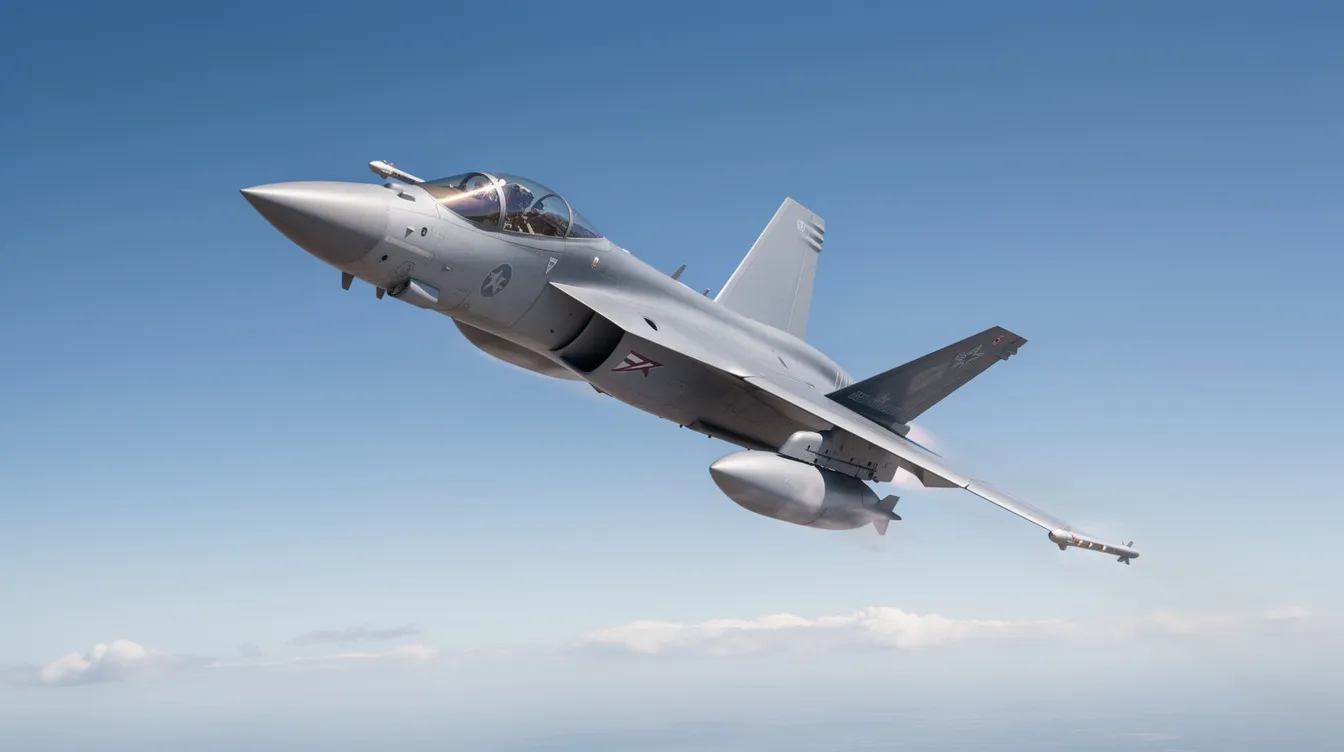
A military pilot-especially a fighter pilot in the U.S. Air Force-faces stricter entrance vision requirements than a civilian counterpart. The reasons are operational: ejection seats, high-G environments, and rapid altitude changes demand visual reliability under extreme conditions.
Typical U.S. Air Force pilot candidate expectations:
-
Historically closer to 20/20 uncorrected distant vision for high-performance aircraft assignments.
-
Current policies often allow myopia within certain limits if eye correctable to 20/20 in each eye.
-
Normal color vision and tight astigmatism requirements and limits on other refraction errors are required.
-
Military pilots must have 20/30 near vision without correction for many flight roles.
Some branches now accept pilot candidates who have had approved corrective eye surgery, though certain airframes may still require waivers or automatically disqualify applicants who had specific procedures.
Civilian vs. military comparison:
-
The Federal Aviation Administration focuses on corrected performance rather than strict uncorrected requirements.
-
A candidate who may be excluded from a fighter pilot track can still become a successful airline pilot.
Failing to meet strict military pilot vision criteria does not eliminate civilian aviation careers. The cockpit door remains open through FAA pathways.
Common Myths About Perfect Eyesight and Becoming a Pilot
Out of date ideas about perfect eyesight put a lot of would-be pilots off getting the training they need. Here are the most persistent myths and the real story behind each of them.
Myth 1: "You need 20/20 vision without glasses or contacts." The truth is FAA standards actually accept vision that's been corrected with glasses or contacts for medical certification no matter what class you're applying for. And the proof is in the numbers thousands of pilots at airlines and corporate companies fly every day with their specs on. Most people who need a bit of help seeing have no problem at all qualifying.
Myth 2: "Wearing glasses will knock the career out of you." Well, wearing glasses does introduce a bit of a limitation on your certificate, but it's not some kind of career cap. Loads of captains and check airmen have been wearing glasses for years without it ever being a problem for their flight duties or career advancement. You'll find pilots wearing glasses of all ranks and in all roles.
Myth 3: "If your prescription changes, you're going to lose your medical cert." Normal fluctuations in your vision that happen from year to year are just a simple matter of updating your prescription and checking in at the next renewal exam. For first class pilots the exams come around every 6 to 12 months depending on your age and a changed prescription just means you need some new lenses.
Myth 4: "Corrective eye surgery is a magic bullet that'll guarantee a perfect medical outcome." While surgery does help lots of pilots, it's still a pretty big deal and it requires a careful assessment. Some people still end up with glare, halos or fluctuating vision after the op.
And let's be clear just because you have surgery doesn't automatically mean you're flying high the FAA insists that pilots document stability and the absence of complications before giving them the all clear.
Protecting Your Eyesight and Planning Your Path to the Cockpit
You don't need perfect eyesight, but you do need healthy, stable eyes to meet aviation safety standards throughout your career. Eye health and overall health go hand in hand-your demonstrated ability to see clearly is something you'll verify repeatedly across years of medical certification renewals.
Vision and medical eligibility are only one part of the broader pilot training requirements, which also include ground instruction, flight experience, written testing, and a practical test.
Start with these concrete steps:
-
Get a baseline comprehensive eye exam before or early in-flight training. This identifies conditions like color perception issues, near visual acuity problems, or early eye disease that could complicate later medical certification.
-
Consult an aviation medical examiner early if you have a strong prescription, history of eye conditions, or plans for corrective eye surgery. The medical examiner can explain exactly what documentation and academic requirements apply to your situation.
-
Use proper lighting and ergonomic setups when studying charts or screens.
-
Wear UV-blocking sunglasses outdoors and in the cockpit to reduce long-term damage and protect your distance visual acuity over time.
-
Take breaks from screens to reduce eye strain, especially during intensive flight training periods.
Don't abandon your airline pilot or private pilot goals solely because you don't have perfect vision. The Federal Aviation Administration built its vision standards around the principle that corrected vision meets the bar for safe performance and airman duties. Whether you need glasses, contact lenses, or refractive surgery, the path to the cockpit is open to you.
Verify your specific situation through official FAA standards and a qualified aviation medical examiner. Your aviation dreams deserve a real answer-not an outdated myth.
