Commercial Pilot Training Costs: 2026 U.S. Guide
Oct 09, 2026
Commercial pilot training costs can be a major investment, but understanding the full picture helps you plan wisely. From discovery flights to earning your commercial pilot license, this guide breaks down every expense, reveals ways to save, and prepares you for a successful aviation career without surprises. Keep reading to learn more!
Quick Answer: How Much Does Commercial Pilot Training Cost?
Commercial pilot training costs are going to vary depending on where you are in the process. If you're already a private pilot with an instrument rating then you're looking at $20,000 to $35,000 for the commercial bit you still got a lot of time building to do. But if you're starting from scratch, prepare to shell out $70,000 to $110,000 or more and that figure will depend on the school you end up with and just what kind of training you're after.
These estimates don't all line up because they assume different things you're not going to pay the same for a package that includes multi-engine or flying instructor training as you would for the bare minimum commercial course.
So, do yourself a favour ask for a quote that takes your current experience into account and breaks the cost down into training costs and living expenses.
Training Costs Before the Commercial Certificate
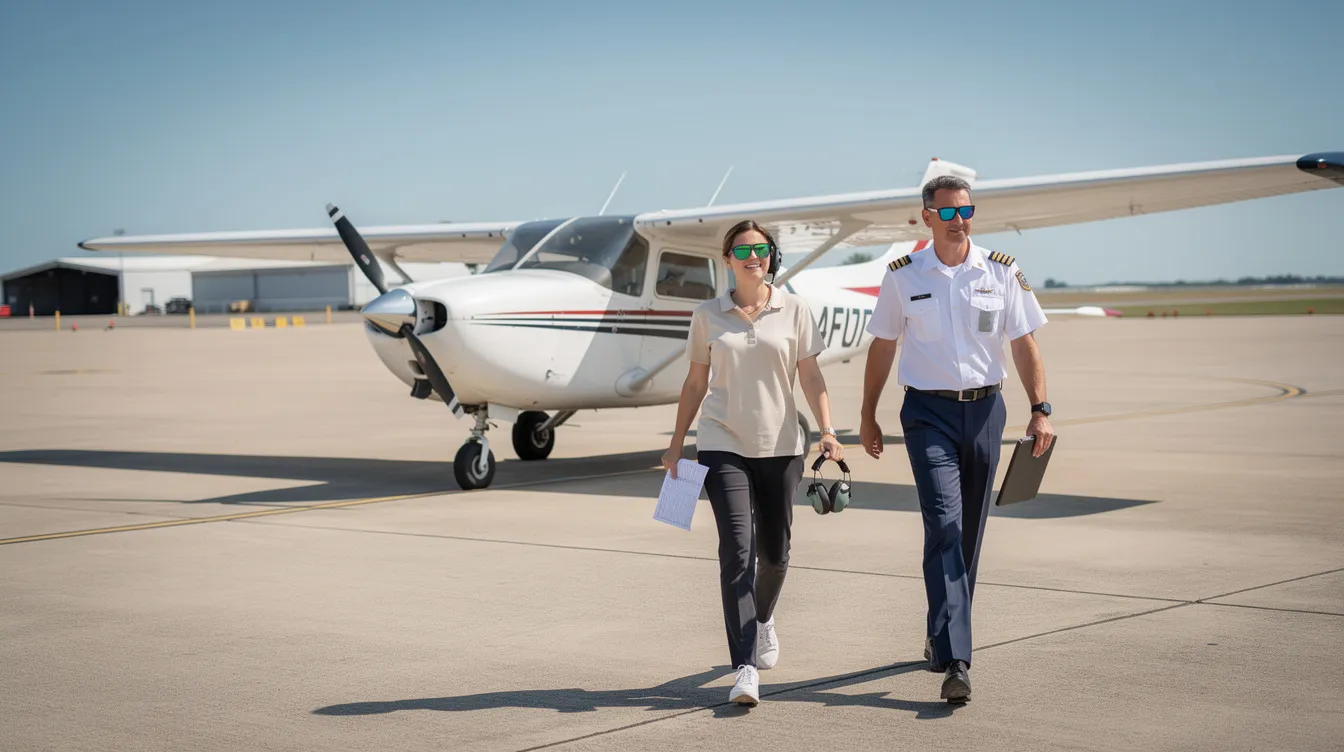
For students starting from zero, the typical professional training path includes a private pilot certificate followed by an instrument rating before commercial training. An optional discovery flight offers a way to experience instruction before committing to a larger budget.
The following US estimates cover the first couple of stages before you hit the big bucks. Keep in mind though, actual costs will vary depending on what aircraft and instructors are around you, how many hours you've already got stored up, and just what kind of training you're signing up for.
|
Training Stage |
Estimated Cost |
Role in Your Budget |
|---|---|---|
|
Discovery flight |
$150–$300 |
Optional introductory lesson; confirm duration and what is included |
|
Private Pilot Certificate (PPL) |
$8,000–$20,000 |
Initial private pilot training; additional lessons can push costs higher |
|
Instrument Rating |
$8,000–$18,000 |
Additional instrument training, with costs affected by previous experience and simulator use |
Note that any stages you already completed don't get charged again. If youve already got your private pilot's certificate, forget about that and just work out what you still need for commercial training and experience. And remember, you can use some of that existing flight time towards your later requirements, don't just get charged for hours you already got out of the way. Get the school to go over your logbook with you before they quote you for the time you still need
Bundled programs can be a bit of a minefield so make sure you get a breakdown of what's included and what's extra. If it covers both of the earlier stages, don't go adding your own estimates to the bill get a written breakdown showing hours, exclusions and any extra cost for extra lessons
What Affects Commercial Pilot Training Costs and How to Save
The cost of commercial pilot training isn't just about how much the school is charging you per hour. There's a whole lot more to it than that. Aircraft availability, where the school is located, how you schedule your training and how prepared you are all add up to what you'll actually be paying in the end. So dont just go for the school with the cheapest price tag take a closer look at all the factors that can affect your training costs.
Aircraft Rates and Availability
The type of aircraft you rent out for your training is going to have a big impact on your bill. Look at the prices for different types of planes that would be suitable for where you're at in your training. Find out whether or not fuel is included, whether they're going to hit you with any extra charges and how your instructor gets billed during flights and ground school. At busy airports, delays can increase billed time, while quieter locations can make airspace training more efficient.
Also ask about any downtime because of maintenance and whether they've got backup planes. You dont want to be stuck with a cheaper plane that's not going to get you the training you need because it's getting cancelled all the time. If you're just doing hours building, talk to your instructor about getting on some lower-cost planes instead of just renting the latest and greatest. Choosing quieter airports can also save time and money, with lower-traffic airspace giving students more usable practice time per lesson.
Location, Weather, and Waiting Time
If the airport is busy, that's going to increase the amount of time your instructor is billing you for just sitting around waiting to take off. And if you're training in a place that gets a lot of bad weather, you might be looking at some extra days stuck in a hotel and eating out because you cant fly.
When you're comparing schools, you need to look at the total cost including transportation and accommodation. Ask about what kind of weather you can expect during the year and how often training gets delayed. A school that's located at a quieter airport might save you some time and money on delays, but if it's a lot further away, you might be spending more on getting there.
Training Consistency
One of the best things you can do to save money is to have a regular schedule that you can stick to, because students who train consistently usually spend less overall. As a practical benchmark, flying 3–4 times a week helps retain skills and cuts down on extra review time. Work with your instructor to set up a flight plan that you can realistically keep to, with some wiggle room in case something comes up. Reserve your lessons well in advance and agree on some alternative plans if the weather gets bad or the plane breaks down.
You can still make good progress if you miss a flight or two; just do some extra ground school or simulator time to keep your skills sharp, since training frequency is one of the few cost factors you can directly control.
Preparation Before Each Lesson
Review assigned material, lesson objectives, aircraft procedures, and previous debrief notes before arriving, and rehearse practice procedures before the lesson. An online ground school can also help you study at your own schedule before flights. Use ground school resources and chair-flying to rehearse tasks that do not require an operating aircraft.
Ask your instructor to identify specific areas for improvement after each lesson. Targeted preparation helps paid instruction focus on developing skills rather than repeatedly covering material you could review independently, while also preparing you for the FAA written exam more efficiently.
Appropriate Simulator Use
Using a simulator is a great way to learn some of the detailed instrument flight rules practice & get a feel for how the cockpit works in a relaxing environment. When you're being charged for the session, think about whether what you're getting out of it is really worth the cost. One thing to ask your school is which sim sessions actually qualify towards your training program, since federal regulations allow a portion of required training hours to be completed in simulators when the device and lesson qualify, & also what the total cost is including instructor time.
Before shelling out for a load of sim time thinking it'll replace actual flying lessons, double check with your school which sessions will actually count towards your training. And, be on top of your spending compare what you're actually paying out to what you expected to pay, because approved sim sessions can lower the total training cost, & if you do find you're going over budget, sort it out as early as you can.
Commercial Pilot Training Cost Breakdown: Flight Hours, Instruction, and Tests
For pilots who already hold private and instrument qualifications, commercial pilot training costs depend heavily on their logged experience. A budget of $20,000–$35,000 may be appropriate when substantial time building remains, while pilots closer to completing the requirements may spend considerably less. Compare estimates using the same starting hours, aircraft category, and included services.
Flight Hours and Time Building
For an airplane single-engine commercial certificate under 14 CFR § 61.129(a), the standard Part 61 requirement is 250 total hours, with specific experience and training requirements. Approved Part 141 programs follow their own curricula, so request a program-specific estimate rather than applying the same calculation to every school.
Time building should address outstanding requirements, including relevant PIC, cross-country, and night experience. Have an instructor review your logbook before purchasing a block of rental hours.
Commercial flight instruction can also contribute toward total flight time. Do not budget all remaining hours as separate time building and then add the same training hours again.
Aircraft, Instructor, and Simulator Rates
Use these approximate planning ranges when comparing local quotes:
|
Category |
Estimated Hourly Rate |
|---|---|
|
Single-engine aircraft rental |
$150–$230 wet |
|
Multi-engine aircraft rental |
$275–$400+ |
|
Flight instructor |
$50–$120 |
|
Approved simulator or training device |
$50–$120, potentially plus instructor charges |
Wet rental includes fuel; confirm any surcharges. Specialized aircraft may cost more. Ask whether billing uses Hobbs or tach time and whether minimum bookings, cancellations, or ground briefings create additional charges.
Commercial instruction includes maneuver practice, applicable aircraft training, and practical-test preparation. Simulator sessions may support selected objectives, but your school must confirm which sessions qualify for credit.
For an example of how aircraft rental, instructor time, and briefings add up per lesson, see our guide to pilot flying lessons cost.
Example: From 120 Hours to Commercial Readiness
Assume a private, instrument-rated pilot has 120 qualifying flight hours and follows a Part 61 airplane single-engine path without simulator credit toward the total.
250 required − 120 already logged = 130 additional flight hours.
For this illustration, the instructor identifies 20 additional dual hours and 110 other qualifying flight hours. The exact allocation depends on the logbook review, required training, and proficiency.
|
Expense |
Illustrative Calculation |
Cost |
|---|---|---|
|
Time-building aircraft rental |
110 hours × $170 |
$18,700 |
|
Aircraft for commercial dual instruction |
20 hours × $220 |
$4,400 |
|
Instructor during those dual flights |
20 hours × $70 |
$1,400 |
|
Ground instruction and briefings |
10 hours × $70 |
$700 |
|
Ground school course |
Assumed allowance |
$300 |
|
FAA written exam |
Assumed allowance |
$175–$200 |
|
Examiner fee |
Assumed allowance |
$1,000 |
|
Aircraft for the practical test |
2 hours × $220 |
$440 |
|
Estimated additional cost |
$27,115–$27,140 |
The 20 dual hours are already included within the 130-hour shortfall. Charging instructor fees for those flights is separate from counting flight hours twice, and the final cost will vary with actual hourly needs and any retakes.
What the Example Includes and Excludes
Let's say we have a private, instrument-rated pilot who's got a full 120 qualifying flight hours under their belt and decides to go for a Part 61 single-engine path no simulator credit will count towards the total.
So, we're looking at 250 required hours minus 120 hours already logged = 130 additional flight hours.
For this example, let's say the instructor identifies they need to build up 20 additional dual hours and 110 other qualifying hours. Where the exact split ends up going depends on the review of their logbook, what training they need, and just how proficient they are.
Additional Ratings: Multi-Engine, CFI, CFII, and MEI
A single engine commercial pilot certificate is enough to get paid for flying but to be honest, for a real career in the industry most new commercial pilots want to add some extra ratings to their belt. It helps increase their employability and get them closer to that elusive airline transport pilot certificate.
Common add-ons with a rough idea of what you might be looking at
For students pursuing a professional pilot career, these are common next steps:
-
Multi-engine rating: This one's got a big price tag $4,000–$10,000 depending on how many hours you're logging in a multi-engine plane (typically $275–$400+ per hour of flying time). Added on top of your initial training costs, those high aircraft rental rates will set you back even more.
-
Certified Flight Instructor (CFI): Getting your CFI takes around $5,700 to $15,000. That includes two FAA written exams and checkrides you'll need to be prepared for a bit of paperwork on top of the training costs.
-
Certified Flight Instructor Instrument (CFII): This one's a bit more expensive than the initial CFI course you can expect to pay $3,000–$8,000. Most people find they need fewer hours than they did for their initial CFI.
-
Multi-Engine Instructor (MEI): On top of CFI, you'll need to fork out $5,000–$12,000. This can be a tough one to fit into your budget you're looking at 10–20 hours of multi-engine dual instruction plus examiner fees.
Lots of new commercial pilots get started as a flight instructor to build up their flight time and get to that magic 1,500 hours before applying for an airline transport pilot certificate. Then they can start applying for those alluring airline pilot positions at US regional carriers.
Advanced ratings often come bundled into career-track packages. If you're looking to save money you should definitely compare the standalone prices of individual ratings to those bundled "zero to commercial pilot" or "zero to airline" programs.
Flight School Models: Part 61 vs. Part 141 and Program Types
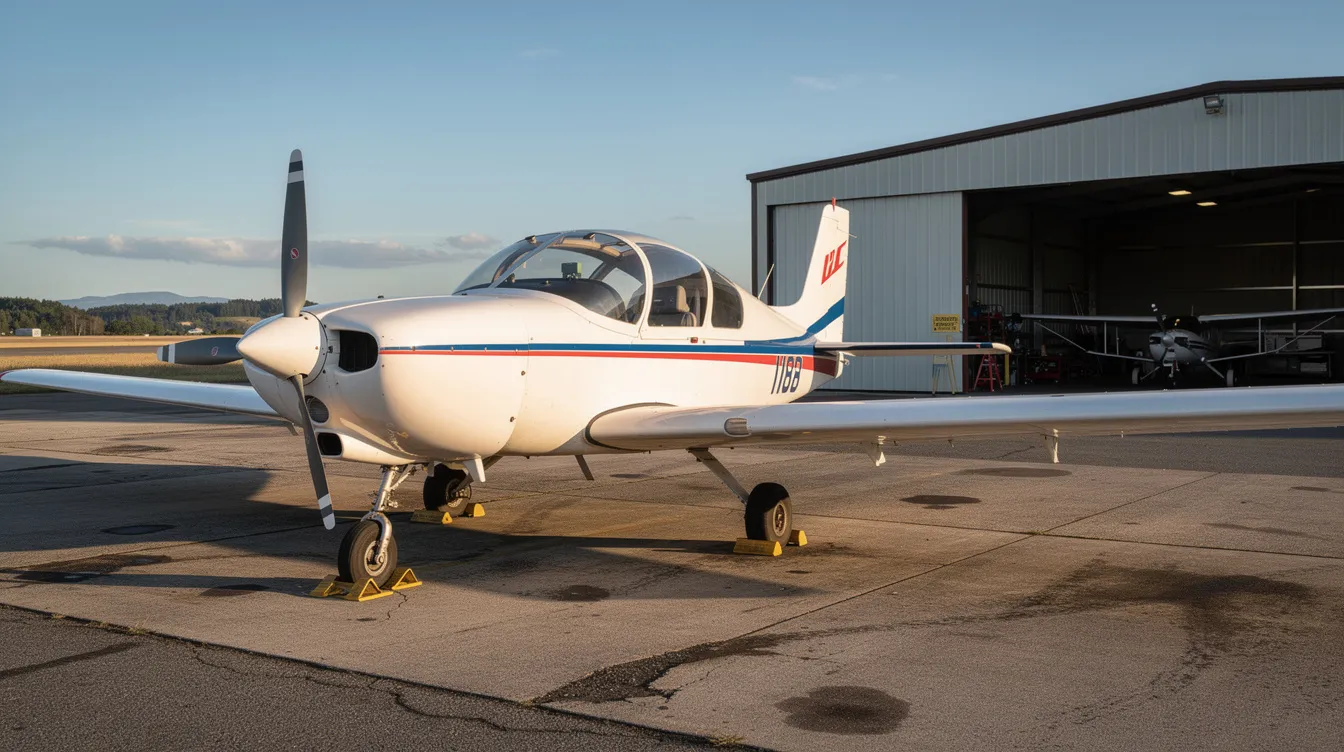
Commercial pilot training can go either way either under Part 61 or Part 141 rules, and both paths ultimately lead to the same FAA commercial pilot certificate. The real difference lies in how things are structured.
Part 61 is usually more flexible. You train with an independent instructor or local school and pay as you go. This setup works well for people training part-time or balancing another job, but it can also make the total cost harder to predict because training often stretches out longer.
Part 141 schools follow an FAA-approved syllabus with more oversight and a fixed sequence of lessons. These programs are often chosen by students who want a more formal environment or who plan to move through training quickly. Because everything is packaged more tightly, the pricing is often easier to estimate upfront, though not always cheaper.
To understand why the numbers vary so much, it helps to look at what each path actually includes. A lower advertised price may only cover the minimum required hours, while a higher one may bundle in extra flight time, written test prep, stage checks, examiner fees, housing, or even instructor ratings later on.
Some schools offer a big-ticket career-track program, where you move from zero time through commercial, multi-engine, and often flight instructor ratings in one bundled package. These programs can look expensive at first glance, but they sometimes include financing support, housing assistance, and a faster timeline. Depending on what is bundled, a full career-track flight school cost can reach about $130,000.
That’s why it’s smart to compare overall flight school cost across program types, not just ask for a line-by-line breakdown. Before choosing a school, make sure you know exactly what’s included, what happens if you need extra hours, and whether financing changes the total you’ll actually pay.
Part 61:
-
Most smaller pilot school programs and flying clubs follow the pay-as-you-go model
-
You can schedule your training pretty much on your own terms, and Part 61 lets many students complete training around their own schedule, but the catch is you need to put in a lot of hours 40 for a private's license and 250 for a commercial one
-
How much it actually costs in the end is all down to you; most students who stick to a training schedule usually finish more efficiently and spend less
Part 141:
-
Typically involves a pre-approved syllabus with standardised flight lessons and stage checks to keep you on track
-
The minimum hours you need to put in are lower 35 for a private's and around 190 for a commercial
-
Often tied in with full-time pilot training programs and this can also make you eligible for GI Bill benefits
Some schools offer a big-ticket "career-track" program that bundles up private, instrument, commercial and CFI training for a fixed price of around $70,000-110,000. Others charge you by the hour, of course.
Be sure to ask for a breakdown of costs from any potential flight school you're thinking of it's the only way to compare the costs of different schools fairly. And make sure to ask for that breakdown in "line-item" format , that way you'll see exactly what you're getting for your cash.
What's Actually Included in Commercial Pilot Training Cost?
Prices for commercial pilot training often look a lot more enticing than they actually are. When you get a quote from a flight school, you need to compare both the commercial pilot training cost and overall flight training costs by looking closely at what's really included before you can even begin to judge prices.
Main bits that make up the overall cost of a training program:
-
The cost of flying the aircraft both single engine and multi engine
-
Flight instructor time plus time spent in the classroom with a ground instructor
-
Online or classroom ground school for private, instrument and commercial licenses
-
Simulator training how many hours will you actually get to spend in a simulated environment
-
The cost of your FAA written exams and that all-important DPE checkride, or flight test, for each different rating and certificate
-
All the other little things you'll need to get started headset, charts, logbooks, an EFB subscription and all the rest
So here's what you need to ask about specifically when getting a quote for training:
-
Are the checkride fees included a practical checkride can cost anything from $600 to $1,500
-
Are fuel surcharges and landing fees going to be charged on top of everything else?
-
Is the estimated cost of getting an FAA medical certificate exam included a second-class medical exam can cost anywhere from $100 to $200
-
Are there any sneaky little admin fees or technology charges that will get added on later?
To be honest, the only way you'll really know what you're getting yourself into is if you get a proper line-item quote from the flight school, so students plan better and avoid surprises. Anything less is just a guess.
Living Expenses and Hidden Costs During Commercial Pilot Training
Training budgets often don't give a second thought to living costs, even though just these costs alone can really add up anywhere from $8,000 to $14,000 over the course of 9 to 12 months of full-time training, and they can materially change the final cost of pilot school.
The thing is, your monthly living expenses while you're in full-time flight training can be pretty steep. Here's a rough breakdown of what you might be looking at:
-
Where you choose to live near the school: let's face it, housing costs for flight students are all over the map anywhere from $700 a month if you're rooming with friends to $1,200 a month if you're on your own, and when housing is simple to manage, students complete training faster
-
Food and daily expenses: food and other basics can set you back $300 to $600 a month
-
Getting to and from the airfield: that's another $200 to $500 a month (fuel, parking, getting a ride)
-
Health insurance and personal stuff: and the truth is, these costs can vary so wildly it's hard to even estimate them
But the thing is, if you're taking a long time to get through flight school, all these living costs will just pile up and add to your overall training bill. If you can shave off 6 months that's a savings of at least $5,000 to $10,000 just on rent and daily expenses alone.
And then there are some extra costs that don't apply to everyone
-
International students are looking at another $2,000 to $4,000 to cover visa fees, SEVIS, TSA security screening, and the cost of getting to the U.S., while domestic students usually avoid those visa, SEVIS, and TSA-related fees.
-
FAA medicals (Class 1 or Class 2) - these run $100 to $200 and you'll need to get them every 6 to 12 months depending on your age, certificate class and other factors
-
Replacing your gear: headsets, tablets and all that other stuff you rely on is going to wear out over the course of a year
Financing, Scholarships, and Other Ways to Pay
Commercial pilot training is a pretty pricey upfront investment, which is why many students end up combining a few different funding sources to make it more manageable. The good news is that there are quite a few different options to choose from, and the best one for you will depend on your training goals and your personal financial situation.
Some of the major payment options include
-
Private student loans from lenders that specialise in aviation training these can be a good option for students who need to cover standalone flight school tuition, as federal student loans often don't cover it, and loan needs vary with total pilot school cost and the type of training path chosen.
-
Using your own cash, or getting help from family and friends, and setting up a pay-as-you-go payments plan. This one avoids interest, of course but it does require a bit of discipline to keep the training going smoothly.
-
Aviation scholarships from groups like AOPA, EAA, Women in Aviation, and local foundations. These can really help chip away at the costs of flight training, especially for specific milestones like getting your private pilot certificate or instrument rating.
-
GI Bill benefits at approved Part 141 pilot schools, if you're a veteran. These can be a great way to use your military benefits to help pay for flight training.
-
University aviation programs where flight training is tied to degree tuition and eligible for FAFSA-based aid. FAFSA-based aid may be available for eligible flight training programs at accredited universities like Southeastern Oklahoma State University, which estimates about $53,380 for all certificates from private through MEI.
When you're looking at loan options, it's worth comparing interest rates, grace periods, and repayment terms to make sure you're getting the best deal. Some schools too, offer their own payment plans or block-hour discounts that can help lower your hourly rates, so compare each flight school cost estimate carefully when deciding on the best flight school. It also helps to compare full career-track quotes with private pilot license cost and instrument rating cost line items instead of looking only at headline tuition.
Scholarships are a good thing to apply for early on, and it's worth thinking of them as a way to offset specific milestones in your training rather than relying on them to cover the whole bill.
If you're comparing aviation with a commercial driving career, our guide to the cost of commercial drivers license can help you compare training budgets before choosing a path.
