Become a Pilot Cost: How Much Does It Cost in 2026?
Oct 13, 2026
Thinking about a professional aviation career? Understanding the true cost to become a pilot is crucial before your first discovery flight. From private pilot license cost to commercial pilot training expenses, this guide breaks down total training cost, pilot school cost, and how to finance flight training effectively. Keep reading to plan your path to the skies!
Quick Answer: Total Cost to Become a Pilot in 2026
In the United States, a private pilot license may cost $8,000–$12,000 at lower-cost schools, while other students spend $15,000–$20,000 or more. Full career-training packages may run $70,000–$130,000+, combining private, instrument, commercial, and selected multi-engine or instructor qualifications.
These package prices differ from the additional cost of commercial training if you already hold private and instrument qualifications. Before comparing schools, request a written quote showing included certificates, flight hours, fees, and exclusions. Confirm whether living expenses and additional lessons are covered, and use your existing experience to estimate your remaining budget.
Typical Cost Path: From First Flight to Professional Pilot
Pilot training is like a staircase of certificates and ratings, each one building on what you've already learned. Where you're headed as a pilot is what determines which rungs you need to climb: just flying for fun, a career doing commercial flying, or the full path to an airline pilot. That broader progression is especially relevant for future airline pilots, though not all pilots need every single add-on, and a discovery flight is optional before you even take off.
Here's what the typical US cost-planning ranges look like. The exact cost depends on your starting qualifications, previous flight experience, where you live, and what kind of training you're after.
|
Training Stage |
Estimated Cost |
Budget Scope |
|---|---|---|
|
Discovery flight |
$120–$300 |
Optional introductory lesson |
|
Private pilot license (PPL) |
$10,000–$20,000 |
Initial private pilot training |
|
Instrument rating |
$8,000–$15,000 |
Additional training after private |
|
Commercial pilot certificate |
$20,000–$45,000 |
Commercial training and remaining time building; excludes completed private and instrument training |
|
Multi-engine rating |
$4,000–$7,000 |
Additional aircraft rating, depending on your goals |
|
Flight instructor add-ons |
$8,000–$20,000 |
Combined CFI/CFII/MEI estimate; confirm which ratings are included |
Private Pilot Training: Your First Major Expense
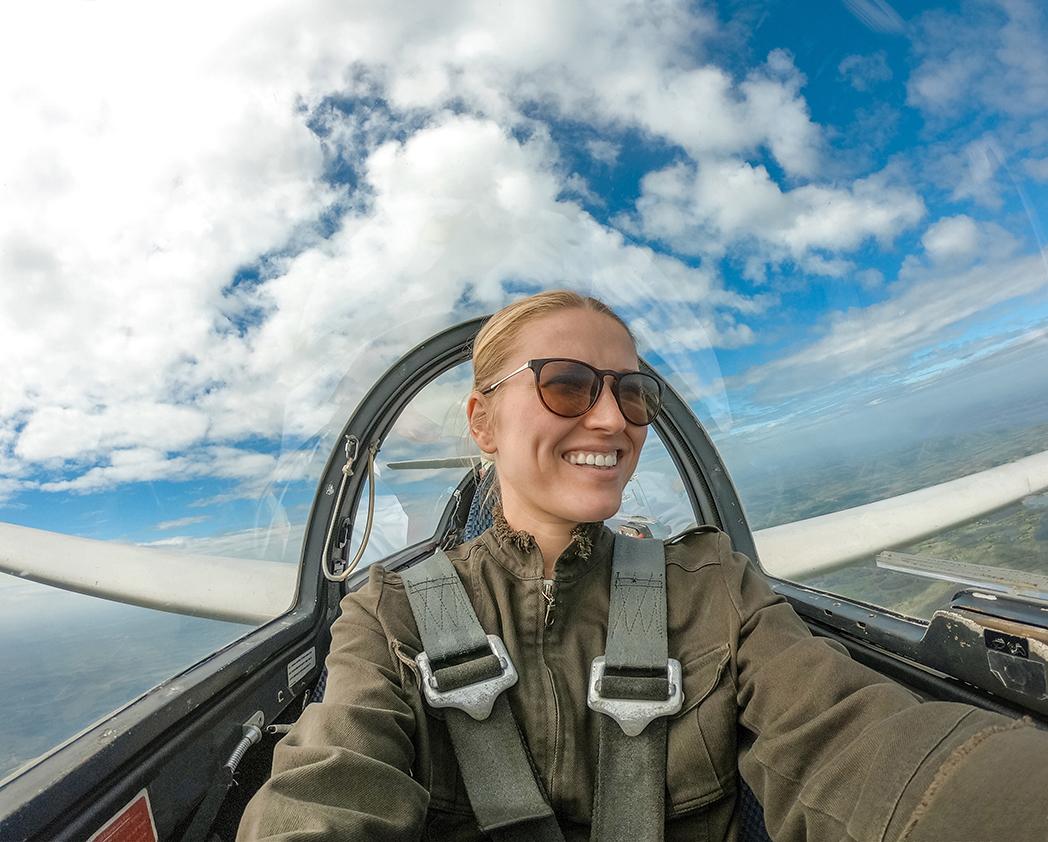
For a PPL budget, plan on at least 60 to 75 flying hours somewhere in the back of your mind, and many students complete the private pilot certificate in that broader real-world range rather than at the FAA minimum. Don't assume you'll finish the PPL just because the regulations say you can it really depends on how quick you pick up the skills. This range is the best guess we've got at this point, but don't hold us to it. It's all about how well you do in class, how much prep work you put in and the local flying conditions.
The $10,000 – $20,000 price tag for a PPL, or private pilot certificate, can be lower at some schools, or higher if single-engine aircraft rental runs about $150 to $200 per hour before instructor charges. Before you commit to any school, ask them exactly what their estimate assumes how many aircraft you'll be flying and how many hours the instructors will put in with you. A discovery flight can even count towards your training time, if the instructor logs it properly. Just ask them how that would work.
Adding Ratings Without Counting Costs Twice
If you already have a certificate or rating knocking about, just take that off your to-do list and don't factor it into your remaining budget. You'll probably find that any qualifying hours you've clocked up are going to count towards your later experience requirements as well, so make sure to get your instructor to take a look at your logbook before trying to estimate what it's going to cost you to get the rest of the way. They'll be able to tell you what hours are missing and what you'll need to do to get to where you want to be.
Career packages are a great option and can often bundle multiple ratings together like private, instrument, commercial, multi-engine, and even instructor ratings. But be warned: don't just add up the costs of the individual stages if you're going to buy a package that already includes some of them. Double-check exactly what the package includes and what you need to do to get started, how many hours are involved, and what you'll be shooting for at the end of it all.
If you just want to fly for fun, you can probably stop at private flying or go for an instrument rating. A sport pilot certificate can also be a lower-cost entry point if you do not need the full private path.
But if you're serious about making a career out of flying, you'll need to budget for the specific qualifications you want to get, along with however many hours of experience building you need after that and don't make the mistake of thinking that one package will cover all your expenses just because you get a job with an airline. Breaking Down the Cost of Pilot Training
The cost of pilot training is not a single line item. It combines aircraft rental, instruction, ground school, testing, and supplies. The exact amount depends on your training program, location, and the hours needed to reach proficiency.
Use the following approximate U.S. budgeting ranges to compare quotes. Actual prices vary by provider and what is included.
|
Expense |
Estimated Cost |
|---|---|
|
Single-engine aircraft rental |
$150–$250 per hour wet |
|
Multi-engine aircraft rental |
$275–$350+ per hour |
|
Flight instructor |
$50–$80 per hour; $100+ at some schools |
|
Approved simulator or training device |
$60–$120 per hour, potentially plus instruction |
|
PPL-level online ground school |
$250–$600 |
|
FAA knowledge test |
$175–$200 per attempt |
|
Checkride examiner fee |
$600–$1,500+ per test |
|
Medical examination |
$100–$250 as a planning allowance |
|
Books, charts, headset, and supplies |
$500–$1,500 for initial training |
Aircraft Rental: Wet Rates and Billing Time
A wet rate is one where fuel's included in the cost, while a dry rate strips that out. Get clear on whether any fuel surcharges get applied and how they handle fuel bought elsewhere.
Lots of schools use Hobbs meters to work out how much you owe on an aircraft rental, but others use tach time, or something else. When does the billing clock start and stop and what about taxiing and ground delays? Airspace training at busier airports can increase billed time, but it may better prepare you for more complex operating environments. They can add up, so don't assume you're only paying for time in the air.
Instructor Fees: Flight Time and Ground Briefings
When instructors are charging you, their time during flight lessons might include pre-flight briefing, instruction in the air, post-flight review, and ground instruction. So a one hour flight could end up costing you more than an hour of instructor time.
Make sure to separate out the aircraft hours from the instructor hours when you're calculating your budget and keep in mind that even after student pilots fly solo they might still need to pay for an instructor's supervision or briefing time. Ask if there are any specific fees for these services.
For example, say you've got a lesson which works out at 1 point 2 billed aircraft hours, with a wet rate of $180 an hour, an instructor rate of $70 an hour and half an hour of ground briefing.
-
Aircraft rental = 1.2 x $180 = $216
-
Instructor time = 1.2 x $70 = $84
-
Ground briefing and chat = 0.5 x $70 = $35
-
Total lesson price = $335
That's just an example don't go quoting that to your school.
Check What the Advertised Price Includes
Before you sign up, ask for an itemised estimate that shows the hours they're assuming, the instructor time, checkride fees, examiner fees, checkride aircraft rental, insurance, and any similar charges. Ask how students pay too: pay as you go, prepay a package, or finance through the school. How do they price repeat lessons, cancellations and retests? Just because the hourly rate looks cheap doesn't mean the bill won't end up higher if you have trouble getting regular slots. A clear breakdown helps students plan better when the school shows what is included before training begins.
What Affects Pilot Training Costs and How to Save
Two students can attend the same flight school and finish with different bills. Your total cost depends on aircraft choice, local rates, preparation, and how smoothly training progresses. Managing these factors can help you avoid unnecessary spending without rushing lessons or compromising safety.
-
Training frequency and continuity: Long gaps between lessons can mean spending more time reviewing previous skills. Work with your instructor to establish a consistent training schedule that fits your budget and availability. Reserve lessons ahead of time, but avoid committing to a pace you cannot sustain. Regular training supports progress without guaranteeing a particular completion time.
-
Aircraft choice and availability: Advanced avionics and larger aircraft can increase rental costs. Choose a well-maintained trainer that meets your training needs, and compare fuel inclusion and surcharges. Ask about maintenance downtime and replacement aircraft, since a low hourly rate offers limited value if the airplane is frequently unavailable.
-
Location and airport congestion: Rental and instructor rates vary by region, while taxiing and waiting can add billable aircraft time. Compare nearby airports using the complete cost of lessons, commuting, and accommodation. A quieter airport may reduce delays, but a longer drive or limited instructor availability can offset those savings.
-
Preparation and instructor time: Arriving unprepared can turn paid lesson time into repeated explanations. Complete assigned ground training, review procedures, and use FAA handbooks or online course materials between flights. Ask for clear lesson objectives and debrief notes so your study targets the areas that need improvement.
-
Simulator use: Suitable simulator sessions can help you practice procedures before or between flights. Compare the full session price, including instruction, and ask which device hours qualify for credit toward your training requirements. Practice can still be useful without credit, but it should not automatically be budgeted as a replacement for required aircraft time.
-
Weather, scheduling, and school organization: Cancellations and long breaks can extend both training and living expenses. Ask how the school handles rescheduling, instructor changes, and aircraft shortages. Coordinate checkride availability with your instructor as you approach readiness, and compare programs using realistic completion estimates rather than advertised minimums alone.
Track actual spending against your budget throughout training. Keep a reserve for additional instruction, delays, and retests based on your circumstances and the school’s estimate, then review unexpected increases before they become difficult to manage.
University Aviation Programs vs. Independent Flight Schools
University aviation programs and independent flight schools offer different combinations of education, training, and scheduling. Compare their total budgets using the same expense categories rather than headline prices alone.
-
University aviation programs: The $120,000–$200,000+ planning range used here covers a broader degree-based budget, including academic tuition, flight training fees, and accommodation. Actual totals depend on the institution, residency status, housing arrangements, and additional flight hours. Confirm exactly what each university includes.
-
Independent flight schools or academies: The $70,000–$120,000 planning range used here covers professional flight training without a bachelor's degree and excludes living expenses. Verify the certificates, ratings, and flight hours included, then add housing, food, transportation, and any separately billed fees.
If ATP Flight School is on your shortlist, see our ATP flight training cost guide to help compare its training budget with other schools.
Independent schools may offer accelerated or flexible schedules, while university students balance flying with academic coursework. Completion time depends on student progress, aircraft availability, weather, and scheduling.
Request itemized estimates from both providers showing tuition, flight training, tests, equipment, accommodation, and transportation. Ask about additional-hour charges, retests, refund policies, and costs caused by delays.
Federal financial aid may be available through eligible institutions and programs; private financing options also vary. Confirm your eligibility and repayment obligations directly. A shorter program or lower advertised price does not automatically mean a lower final cost.
Indirect Costs: Living Expenses While You Train
If you relocate for flight training, living expenses become a separate part of your budget. Estimate them using local prices and your expected stay rather than assuming the school's tuition covers everything.
Illustrative monthly allowances include:
-
Housing: $700–$1,200 in smaller towns; up to $1,800 in larger cities.
-
Food and daily expenses: $300–$600.
-
Transportation: $200–$500 for fuel, insurance, parking, or public transit.
-
Health insurance and miscellaneous expenses: $150–$400.
Using the lowest figure in each category gives $1,350 per month. That adds up to $12,150 for nine months, $16,200 for twelve months, or $24,300 for eighteen months. These are calculations based on the example budget, not national averages. Tuition, moving expenses, housing deposits, and other upfront charges are excluded.
International students should also budget for applicable visa, SEVIS, security-screening, travel, and insurance expenses. Confirm current requirements and fees for your circumstances rather than assuming a fixed additional amount.
Training delays can extend accommodation, food, and transportation spending. Multiply your actual monthly budget by the additional months to estimate the impact, and keep a reserve for schedule changes. Finishing sooner may reduce avoidable living expenses, but savings depend on lease terms and which costs continue after training.
How to Pay for Pilot Training: Loans, Aid, and Other Options
Students may combine savings, loans, scholarships, and eligible education benefits to fund pilot training. The options available depend on your school, program, and financial circumstances.
-
Private student loans: Some lenders finance eligible flight training programs. Compare interest rates, fees, cosigner requirements, repayment schedules, and the total amount repayable. Confirm whether borrowing covers only training or also living expenses.
-
Federal financial aid: Eligible students attending participating institutions may qualify for grants or federal loans, including through some university aviation programs. Completing the FAFSA helps determine eligibility; standalone flight training does not automatically qualify.
-
GI Bill benefits: Eligible veterans may receive assistance for approved flight training programs. Confirm your eligibility, the specific program’s approval, prerequisites, and coverage limits with VA and the school before including benefits in your budget.
-
Aviation scholarships: Organizations such as AOPA, Women in Aviation International, EAA, and the Ninety-Nines offer scholarship opportunities. Check eligibility and deadlines, and treat unconfirmed awards as potential assistance rather than guaranteed funding.
-
Pay as you go: Savings or current income can cover lessons gradually. Choose a sustainable training schedule so funding gaps do not repeatedly interrupt progress.
Fixed-price programs may improve budget predictability, but check included hours, additional-training charges, payment timing, and refund terms. Hourly training offers flexibility, while the final total depends on your progress.
Before committing, compare written estimates and calculate training, living expenses, and financing costs together. Avoid basing repayment plans on a guaranteed job or rapid salary growth.
If you're also considering a commercial driving career, our guide to the cost of commercial driver's license can help you compare training budgets before committing.