Aircraft lighting systems are essential for ensuring safety during every phase of flight, especially under low visibility or nighttime conditions. Lights are used to enhance visibility, signal intentions to other pilots, and illuminate the path for takeoff, landing, and taxiing. Here’s an in-depth look at the types of lights commonly found on small aircraft and their vital roles.
|
Types of Aircraft Lights and Their Functions
-
Position Lights
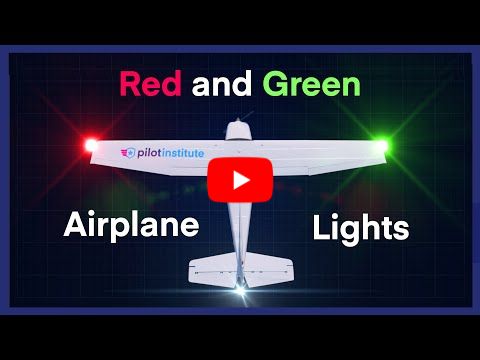
- Purpose: Also known as navigation lights, these are installed on the wingtips to indicate the aircraft’s orientation to others in the sky.
- Color Coding:
- Red: On the left wingtip.
- Green: On the right wingtip.
- White: On the tail.
- These lights ensure that other pilots can determine the aircraft's direction and position in relation to their own.
-
Anti-Collision Lights
- Beacon Lights: Red or white flashing lights located on the top and bottom of the aircraft. They are turned on whenever the engine is running to alert others of the active aircraft.
- Strobe Lights: High-intensity white lights located on the wingtips. These enhance visibility and are typically used during flight under VFR conditions.
-
Landing Lights
- Positioned on the wings or nose, landing lights are high-intensity lights that illuminate the runway during takeoff, landing, and taxiing.
- Purpose: These lights help pilots see the ground and are also used to make the aircraft more visible during approach and departure.
-
Taxi Lights
- Mounted on the nose landing gear or fuselage, these lights provide illumination for ground operations, such as taxiing to and from the runway.
-
Instrument and Cabin Lights
- Instrument Lights: Backlighting for cockpit instruments, ensuring they remain readable during night operations without affecting the pilot's night vision.
- Cabin Lights: Low-intensity lighting used in the aircraft’s interior for passenger comfort and pilot convenience during pre-flight or night operations.
-
Ice Detection and Inspection Lights
- Installed on some aircraft to help pilots check for ice accumulation on critical surfaces like the wings during night flights.
Safety and Visibility: Why Aircraft Lights Matter
Aircraft lights play a critical role in aviation safety:
- Collision Avoidance: Position and anti-collision lights signal the aircraft’s presence to other pilots, reducing the risk of mid-air collisions.
- Ground Safety: Taxi and landing lights illuminate obstacles on the runway or taxiway, helping pilots navigate safely on the ground.
- Situational Awareness: Proper lighting ensures pilots can monitor instruments, identify ice buildup, and remain aware of the aircraft’s surroundings during night or low-visibility conditions.
Conclusion
Aircraft lights may seem like simple components, but they’re crucial for maintaining safety and communication in the air and on the ground. From position lights that signal direction to landing lights that brighten the runway, these systems work together to keep operations smooth and secure. Next time you see a small aircraft’s lights twinkling in the sky, you’ll know just how much thought goes into every beam!


Responses